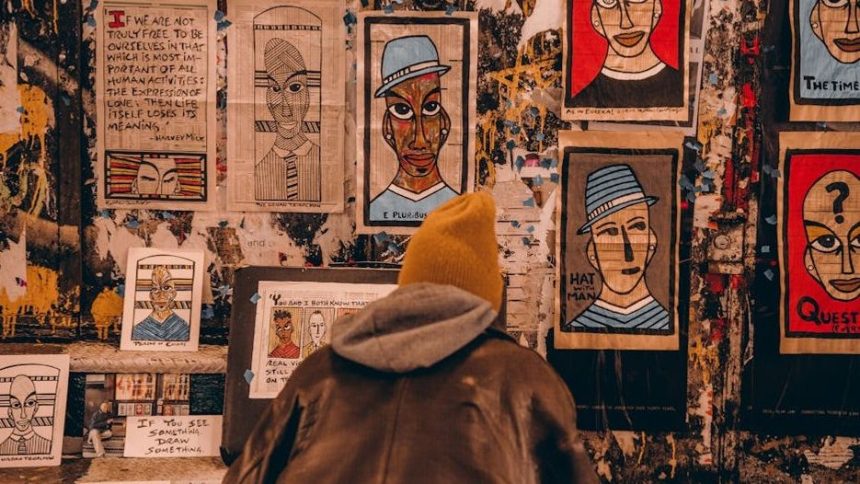
There is something almost poetic about watching a movement born in the dead of night, spray can in hand and police sirens in the distance, eventually end up under the spotlights of the world’s most prestigious auction rooms. Street art was never supposed to be pretty in the polished, gallery sense. It was raw. It was fast. It was, technically speaking, illegal. Yet here we are in 2026, and the walls that once embarrassed city officials are now cited in museum catalogs and Sotheby’s evening sales.
The transformation from vandalism to fine art is one of the most jaw-dropping cultural shifts of the past fifty years. It didn’t happen overnight, and it certainly didn’t happen without tension, debate, and a few very dramatic auction room stunts. So buckle up, because this story is far more fascinating than any pristine white wall could ever suggest. Let’s dive in.
Where It All Started: New York Subway Cars and a Revolution in Chalk
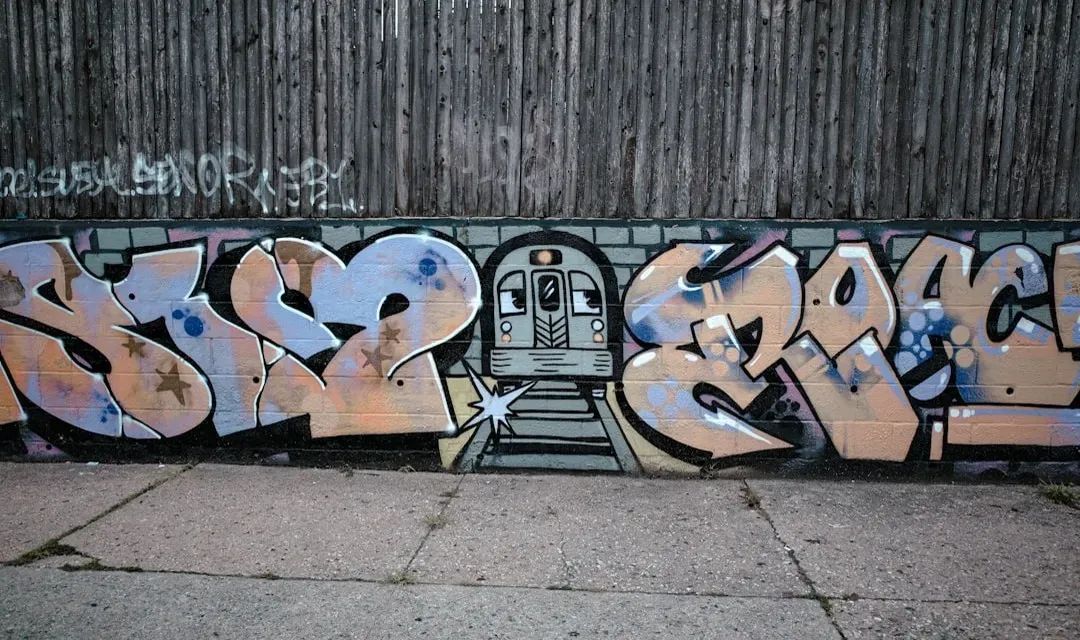
Modern graffiti emerged in the late 1960s in Philadelphia before spreading rapidly across New York City in the 1970s. Think about that for a second. What we now call one of the most dynamic forces in contemporary art essentially started on subway car doors and concrete underpasses, places most people walked past without a second glance. In its early days, graffiti served as a voice for marginalized communities to express their frustrations and aspirations in a society that often ignored their voices. The spray-painted tags and intricate pieces became a way to claim ownership of public spaces that had been neglected.
The subway system, a vast network connecting millions, became the primary canvas. Trains, which literally moved from one end of the city to the other, offered unparalleled visibility. A meticulously painted piece on a subway car could travel through multiple boroughs in a single day, transforming the artist’s tag from a local declaration into a city-wide legend. Honestly, when you think about it that way, it’s genius. No gallery membership required. No invitation needed. The art came to you.
The Razor Gallery Show: The Spark That Changed Everything
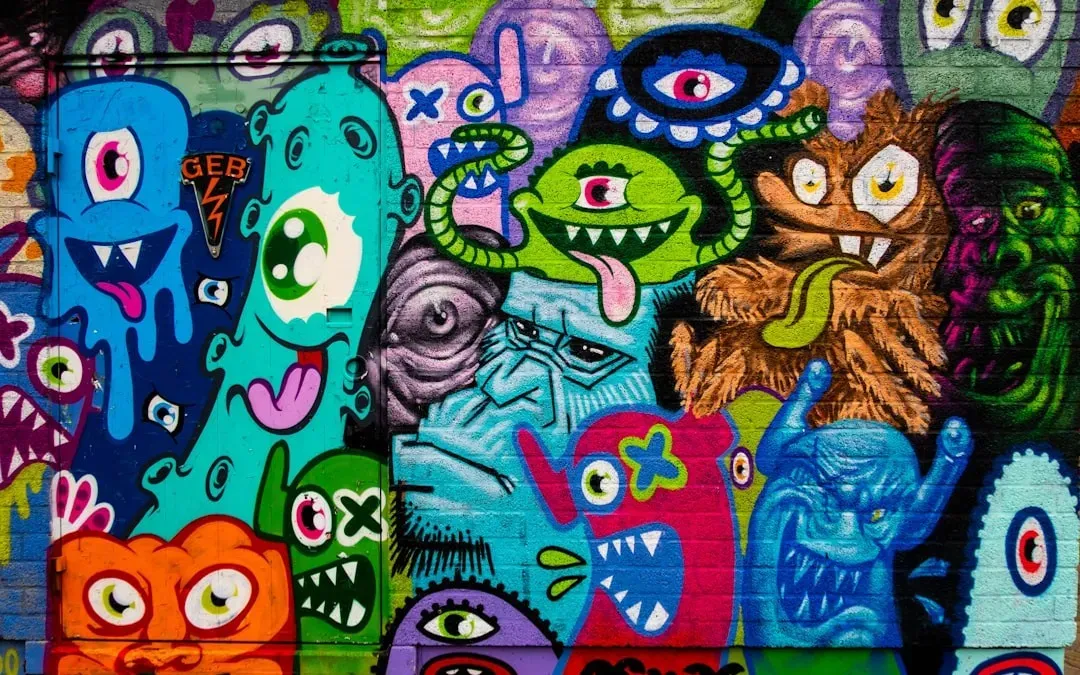
The Razor Gallery show in 1973 was a landmark event that showed young artists they had an opportunity they could pursue. In the decades since that show, graffiti has spread globally and won acceptance by the art world, luxury brands, and even governments. That single exhibition planted a seed, a quiet acknowledgment that what these kids were doing on trains had artistic merit worth celebrating, not just criminalizing.
The Sidney Janis Gallery’s “Post-Graffiti” show in 1983 was a landmark moment, bringing graffiti artists into a highly respected mainstream institution, signifying a grudging acceptance. This embrace was not without tension. Many purists within the graffiti community viewed commercialization as “selling out,” believing it stripped the art of its rebellious spirit and authenticity. That debate, by the way, has never really gone away. It just got louder and more expensive.
Jean-Michel Basquiat: From SAMO Tags to $110 Million
Originally known for his cryptic, poetic tags signed “SAMO©” (Same Old Shit) that appeared in Lower Manhattan, Basquiat quickly moved into galleries, becoming one of the most celebrated artists of his generation. His journey is nothing short of extraordinary. A young man writing coded poetry on downtown walls, who within a few years found himself in the same rooms as Andy Warhol and the most powerful collectors in the world.
A landmark moment was Jean-Michel Basquiat’s Untitled (1982), which sold for a staggering $110.5 million at Sotheby’s in 2017. Basquiat’s journey from SAMO graffiti tags to blue-chip art icon exemplifies the financial and cultural potential of street art. With his artistic origins on the streets of New York City where he used the tag SAMO, Basquiat bridged graffiti and gallery scenes during the 1980s. He used his dynamic signature style to comment on political, religious, and pop-cultural issues in electrifying canvases that can now be found in leading public and private collections.
Keith Haring: A Subway Laboratory and a Universal Language
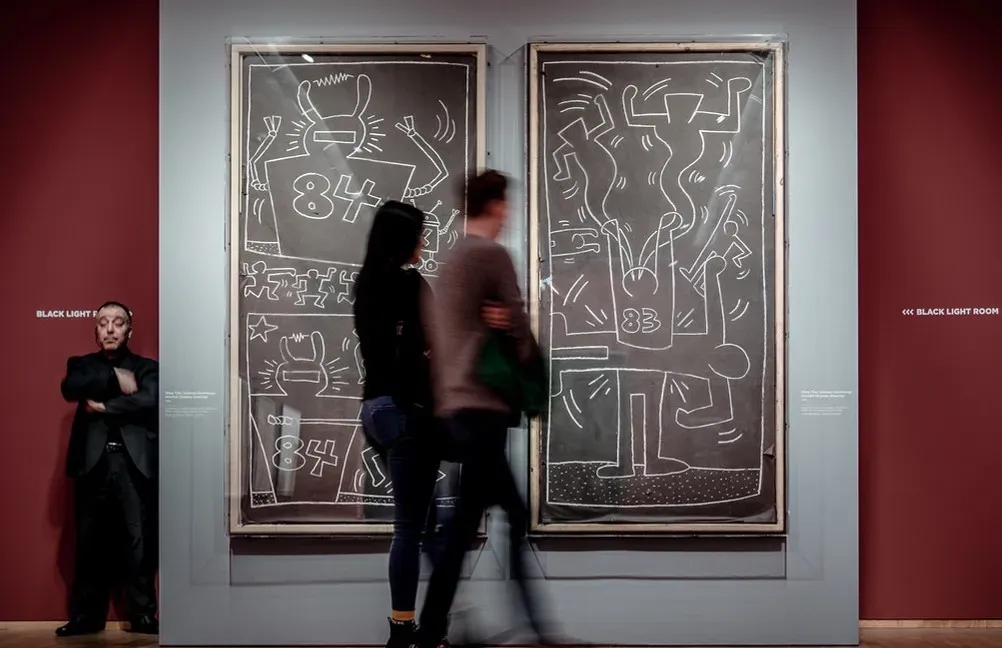
Haring drew over 5,000 chalk drawings over a five-year period, from 1980 to 1985, in New York City subway stations. That number is staggering. Imagine the sheer dedication, the chalk-stained fingers, the near-misses with transit police, all in the name of making art free and accessible to absolutely everyone. Haring first received public attention with his graffiti art in subways, where he created white chalk drawings on black, unused advertisement boards in the stations. He considered the subways to be his “laboratory,” a place where he could experiment and create his artwork.
Haring’s recurring symbols, such as the radiant baby, the barking dog and the dancing figures, were more than images; they were a vocabulary. Simple yet powerful, they communicated hope, protest and love. They carried social, political and emotional significance, transforming an ordinary space into a shared moment of reflection within the New York underground. In 2024, a collection of 31 original subway drawings curated by collector Larry Warsh sold at Sotheby’s New York for $9.2 million, a landmark moment that reaffirmed Haring’s cultural and market relevance. Art for everyone, priced for very few. The irony isn’t lost.
Banksy: The Phantom Who Rewrote the Rules of the Art World
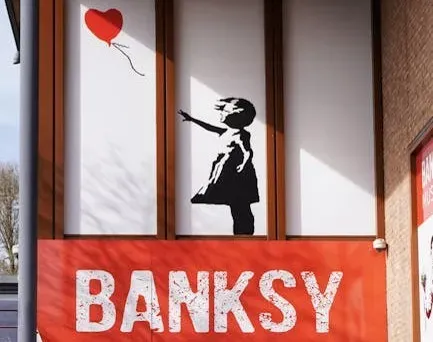
Banksy is a pseudonymous England-based street artist, political activist, and film director. He has never publicly confirmed his identity. Active since the 1990s, his satirical street art and subversive epigrams combine dark humour with graffiti executed in a distinctive stencilling technique. The mystery is central to the whole project. Think of Banksy less as a person and more as a living philosophical argument about who art is actually for.
Back in 2018, Banksy pulled one of the most famous stunts in contemporary art history, when he tried to destroy his painting Girl with Balloon at Sotheby’s auction house. As the hammer went down on an already record-breaking sale of the print, Girl with Balloon slid through a hidden shredder in the frame and produced an altogether new work. The most expensive Banksy painting ever sold at auction was the seminal Love is in the Bin, which sold in 2021 at Sotheby’s for £18.6 million. The shredded painting literally became more valuable. You genuinely could not make this up.
Shepard Fairey and the OBEY Phenomenon
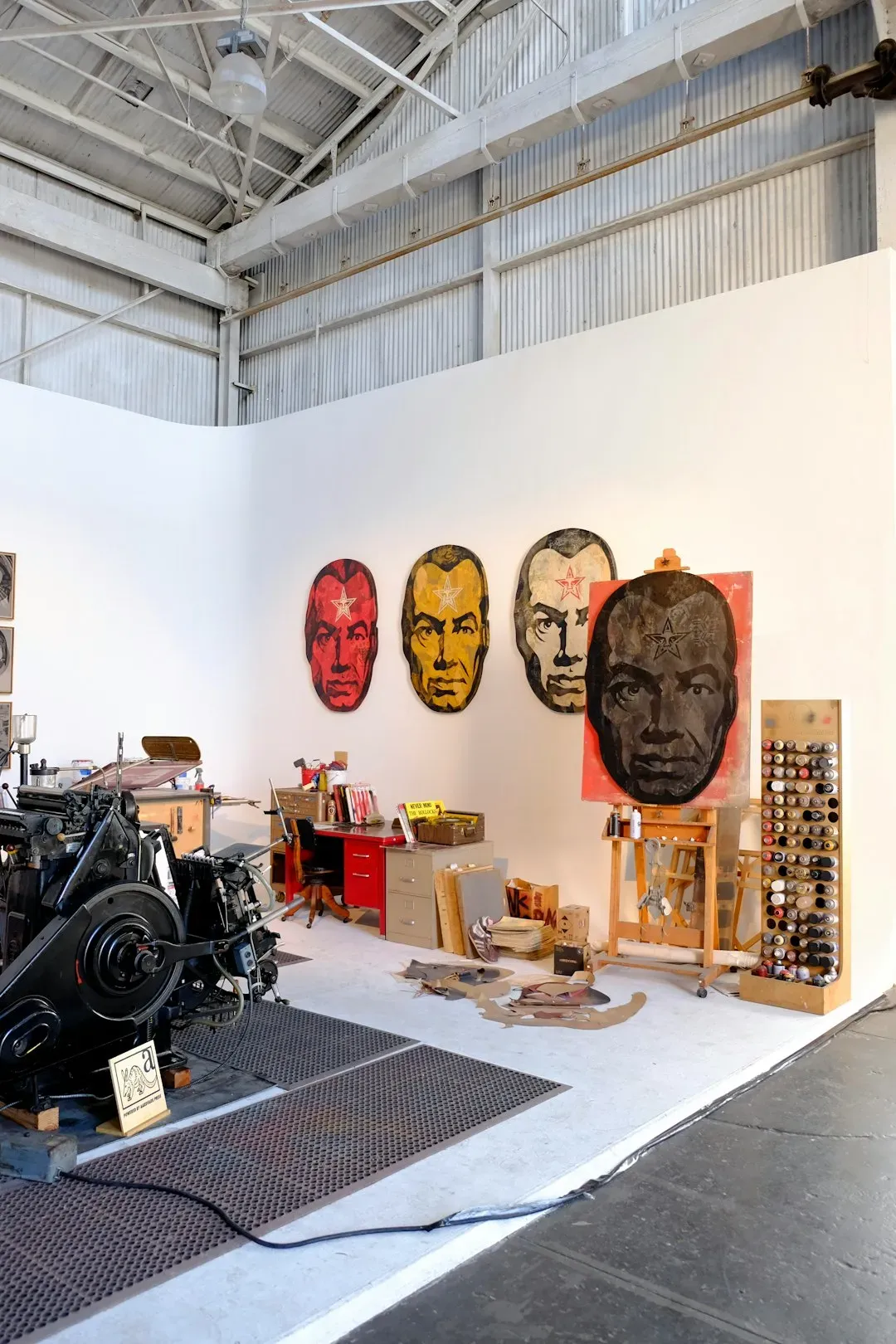
Shepard Fairey is an American graphic artist and social activist who is part of the Street Art movement. Fairey blurs the boundary between traditional and commercial art through type and image, communicating his brand of social critique via prints, murals, stickers, and posters in public spaces. In 1989 Fairey created the André the Giant Has a Posse sticker campaign, featuring a stylized image of the wrestler André the Giant. This project was the foundation for his seminal Obey series, which helped to push Fairey into the public spotlight.
He is perhaps best known for Hope (2008), the red, white, and blue portrait of Barack Obama that became an iconic symbol of the presidential campaign and one of the most recognizable political artworks of recent times. Fairey’s works are held in major institutions including the Smithsonian, the Los Angeles County Museum of Art, and the Victoria and Albert Museum, reflecting the enduring power of his artistic and activist legacy. A kid who started plastering stickers now sits permanently in the Smithsonian. I think that story deserves to be told more often.
The Rise of the Street Art Museum
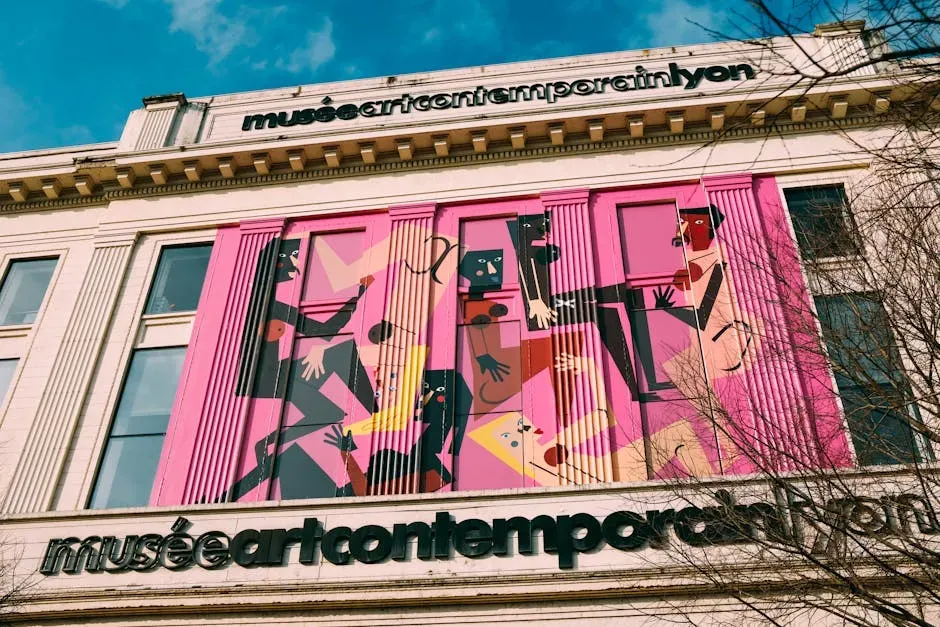
Let’s be real: the idea of a graffiti museum would have sounded absurd to the transit authorities cleaning subway cars in 1975. Yet here we are. The first-ever museum dedicated exclusively to Street Art is SAM: The Street Art Museum of Saint Petersburg. It opened its permanent exhibition space in 2014 inside a laminated plastic plant that was still partially operating as an actual factory. That detail alone captures the whole spirit of the movement perfectly.
Founded by veteran graffiti artist Alan Ket, the authenticity of the Museum of Graffiti is rooted in a graffiti lineage that allows the museum to present and celebrate the art form from an insider’s point of view, along with the pride it takes in illustrating the movement’s 50-year history through such relics as photographs of long-gone murals or vintage spray cans from famous artists. However, this growing audience couldn’t on its own legitimize the rise of street art museums, which sparked a heated debate. Many feel that urban art museums, by attempting to “chain the dog,” undermine an art form born illegally in public space. It’s interesting to see how these museums have found ways to address this critical question while challenging the old rules of the institutional art world.
When Auction Houses Came Calling: The Market Transformation
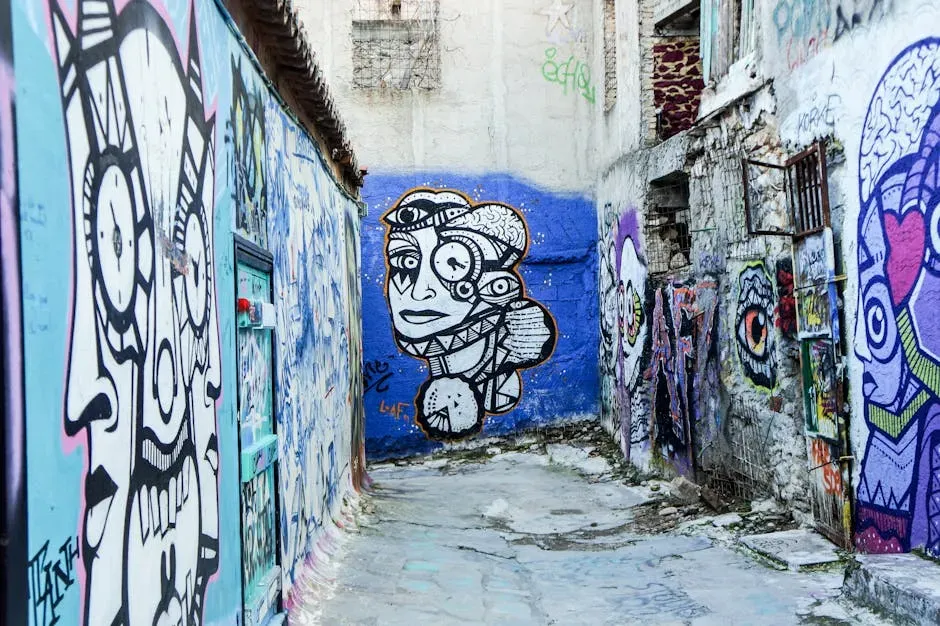
The financial transformation of graffiti art has been remarkable. What began as illegal acts of expression has now evolved into a serious investment category with documented appreciation potential. The market has evolved from informal gallery sales to the prominence of central auction houses, with Sotheby’s and Christie’s regularly featuring street art in their premium sales. The suits and the spray cans are now sharing the same calendar, and that shift happened faster than almost anyone predicted.
The contemporary art market has shown remarkable resilience in the street art sector, with average gallery sales increasing 15% year-over-year in 2024. From high-fashion partnerships like KAWS x Dior to sneaker collaborations like Shepard Fairey x Nike, street artists are extending their reach into mainstream consumer markets, increasing the value of their physical works. It’s a long way from dodging flashlights in a subway tunnel. Whether that’s a triumph or a betrayal of the original spirit probably depends on who you ask.
The Tension Between the Street and the Gallery
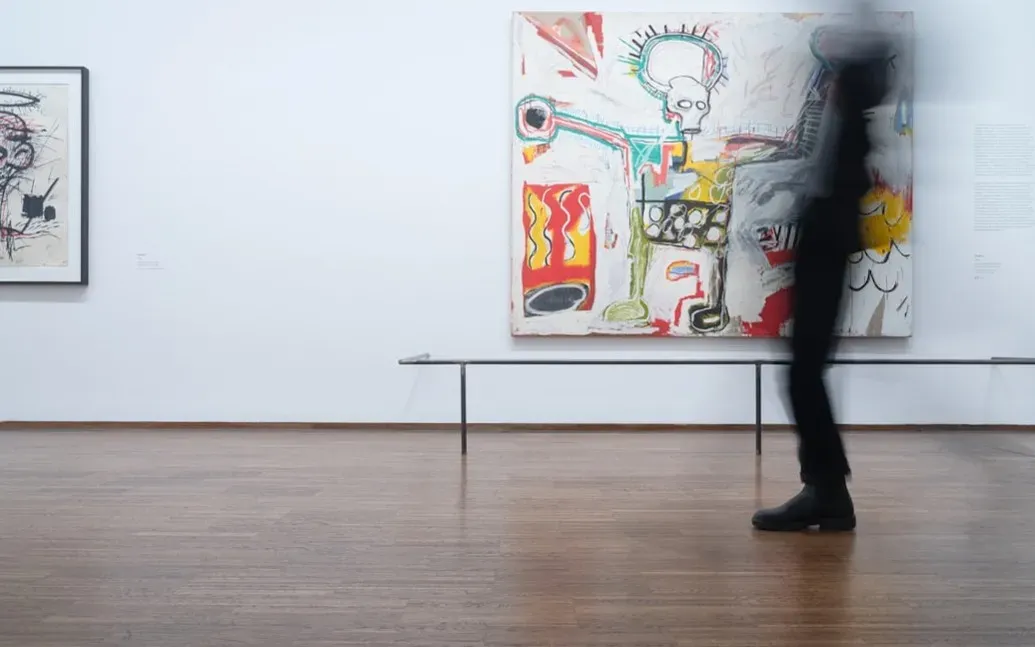
Artists had to adapt their techniques and scale, translating the ephemeral, public nature of their street work into objects for private consumption. Some embraced the transition, finding new opportunities and financial stability. Others felt a tension between their roots in defiant street art and the commercial demands of the gallery system. The debate over authenticity, commercialization, and the loss of street credibility became a common theme.
Banksy’s critique is precisely of how traditionally counter-culture graffiti languages get repackaged as commodifiable icons, inviting viewers to question how meaning shifts as symbols change through commercialization. The popularity of street art in the 21st century is fuelled by social media’s global reach, urban revitalization initiatives, and rising cultural activism. Social media changed the math completely. A mural painted in Bristol can reach a million people in Tokyo by morning, which creates both extraordinary reach and extraordinary pressure to produce work that photographs well rather than work that means something. It’s hard to say for sure whether that’s progress or compromise.
Street Art in 2026: Legends, Legacy, and What Comes Next
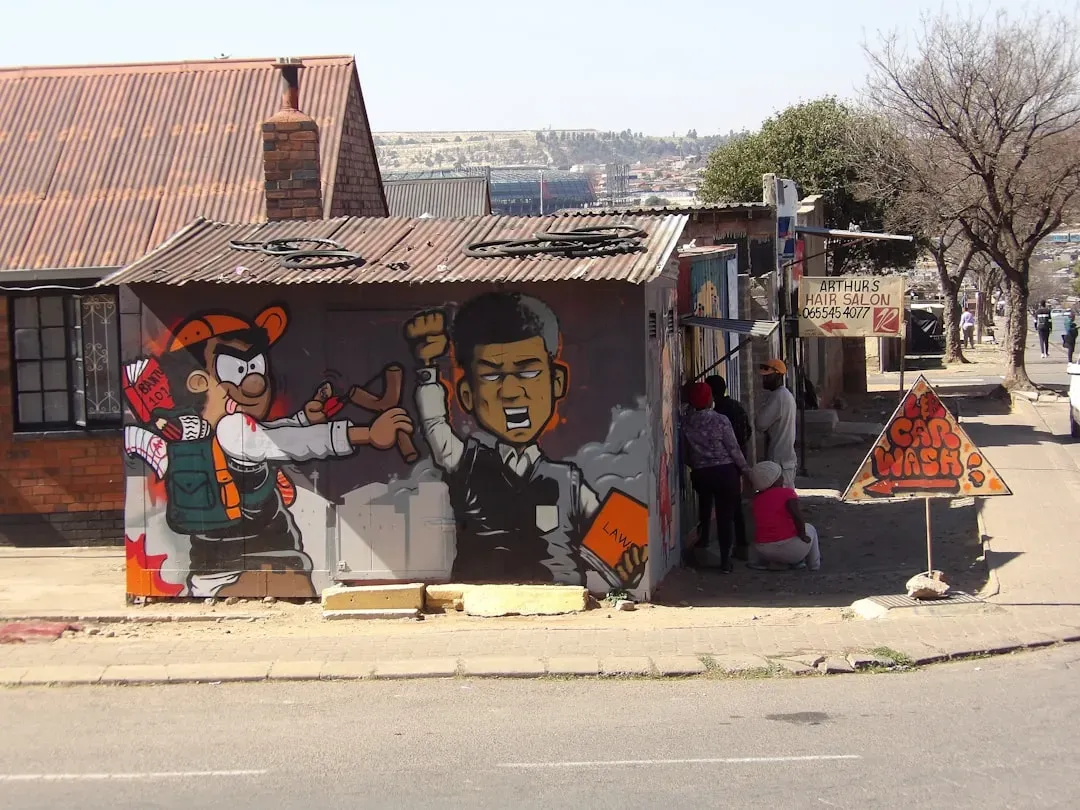
Urban landscapes have changed dramatically over the last fifty years, and in many cities graffiti and street art have integrated fully into the fabric of cityscapes. Amidst the hustle and bustle of urban life, it’s easy to overlook the intricate tags and sprawling lettering that adorns the walls around us. But street and graffiti artists have gone beyond mere vandalism. They have emerged as catalysts of change, reshaping not just the city walls, but also our collective consciousness.
Graffiti artists are now called street artists, and they are commissioned by cities around the world to create monumental public art projects. Graffiti art’s transformation from illegal vandalism represents one of the most remarkable cultural shifts in modern art history, challenging traditional notions of artistic legitimacy and redefining the boundaries between street and gallery art. From chalk on a subway wall to millions of dollars at Sotheby’s, from handcuffs to commissions, the story of street art is ultimately a story about who gets to decide what art is worth. What do you think – does the gallery wall elevate the art, or does it quietly extinguish the very spark that made it extraordinary in the first place?