


There’s something personal about the movies you love. Not just the titles or the genres, but the whole feeling they give you. Whether you’re drawn to the sweeping glamour of old studio pictures, the gritty rawness of 1970s crime dramas, or the slick franchise spectacle of modern cinema, your instincts as a moviegoer say something real about you.
Hollywood has reinvented itself roughly once a decade, each era carrying its own distinct personality. The studio moguls, the rebel auteurs, the indie insurgents, the franchise architects. Each one shaped what movies could be and what audiences came to expect. So which one matches your movie opinions? Here’s a decade-by-decade look at what defines each era.
The 1930s: You Believe Movies Are Pure Escapism


At the height of the Great Depression, the Hollywood Golden Age served as a means of affordable respite. The roaring 20s gave way to disposable income for entertainment, but when the stock market crashed in 1929, people sought economical escapes and found it in film. If you gravitate toward films with a sense of warmth, hope, and spectacle, you might be a 1930s viewer at heart.
Historically speaking, more films were made in the 1920s and 1930s than pretty much any other decade. Even in comparison to major releases seen today, hundreds of more films were made and released in the 1930s. Genre films were big hits, especially westerns, gangster and crime movies, and musicals. If you think variety and volume are underrated virtues in cinema, this is your decade.
The 1940s: You Value Atmosphere Over Everything


Studios invested in large-scale sets, dramatic lighting techniques, and innovative camera movements, creating visual experiences that were unlike anything seen before. This period also marked the development of iconic genres such as film noir. People who are drawn to mood, shadow, and moral ambiguity fit naturally into this era’s sensibility.
During World War II, Hollywood played a crucial role in supporting the war effort through propaganda and morale-boosting films. Studios produced documentaries and features that portrayed the Allies positively. Films like “Casablanca” (1942) and “Mrs. Miniver” (1942) exemplified the era’s patriotic themes. If you appreciate stories that carry real emotional weight alongside their craftsmanship, this decade speaks directly to you.
The 1950s: You Think Cinema Should Be Bigger Than Life

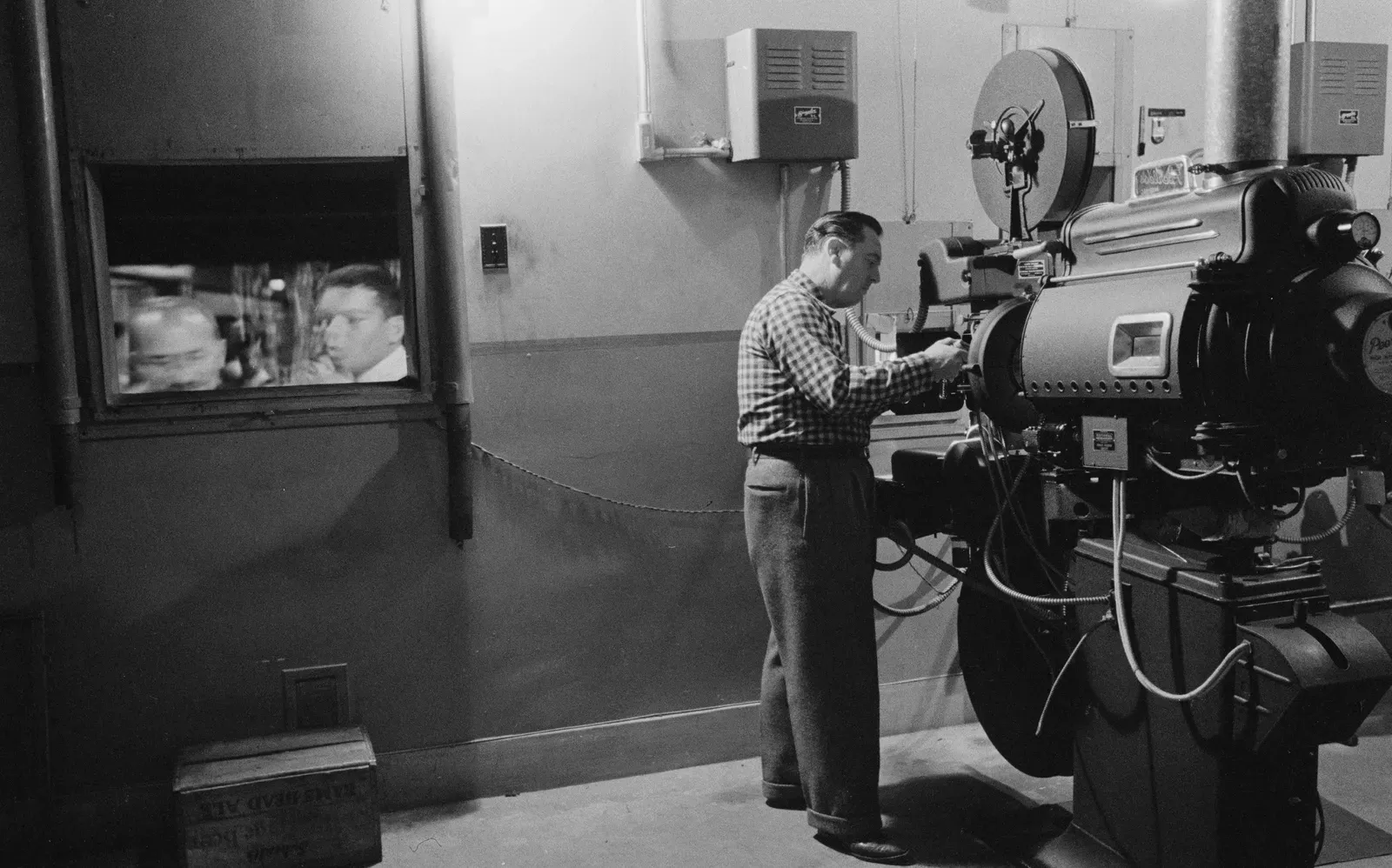
In the 1950s and early 1960s, Hollywood was dominated by musicals, historical epics, and other films that benefited from the larger screens, wider framing, and improved sound. The studios were in a quiet arms race with television, and the answer was always to go bigger. Wide screens. More color. Grander stories.
The 1950s, even if it was a decade when the Hays Code was in effect for American movies, was generally strong. There were some great film noir movies released, it was a strong decade for musicals, and it was also a decade when international movies started seriously competing with English-language ones. Federico Fellini, Ingmar Bergman, and Akira Kurosawa are three of the big names on that side of things, while back in Hollywood, epics were really pushing things in terms of scale. If you want your seat to shake and your breath to catch, the 1950s made films specifically for you.
The 1960s: You Believe Rules Are Made to Be Broken

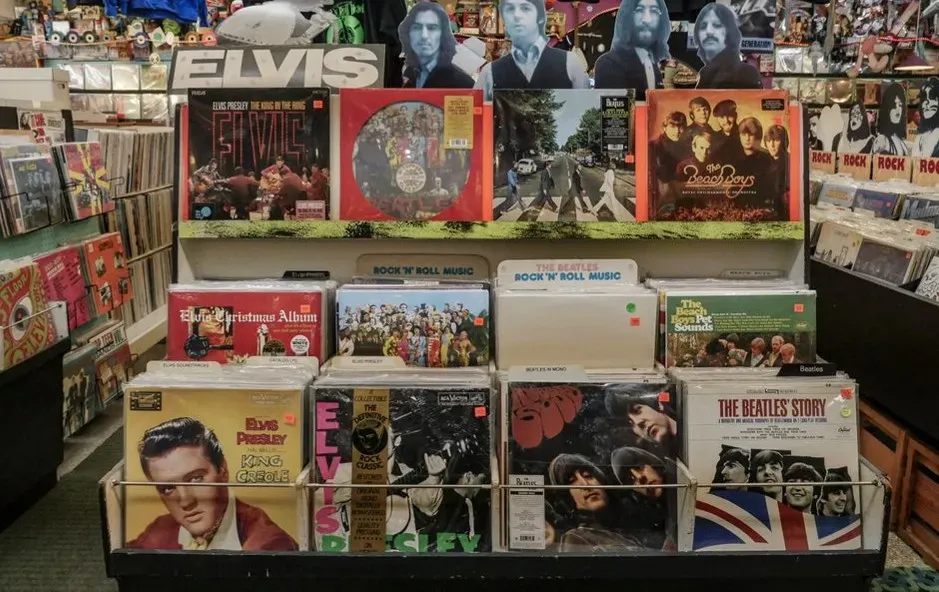
By the time Hollywood hit the ’60s, it was desperately competing for the eyes of a younger audience that didn’t want to watch the stars of their parents’ generation. Anti-war and pro-civil rights sentiments made for a tumultuous cultural atmosphere. Movies could face these challenging subjects head-on after the 1968 dissolution of the Motion Picture Production Code. This was the decade when cinema started asking uncomfortable questions rather than offering comfortable answers.
The New Hollywood movement began with the surprise success of films such as Bonnie and Clyde (1967), The Graduate (1967), and Easy Rider (1969), which were well received by audiences and younger critics. The civil rights movement, the counterculture of the 1960s, and shifting attitudes towards authority and tradition influenced audience preferences. Viewers sought films that reflected contemporary issues and more complex, realistic narratives. If you prefer movies that challenge you over movies that comfort you, the 1960s is your home.
The 1970s: You Think Flawed Characters Make the Best Stories

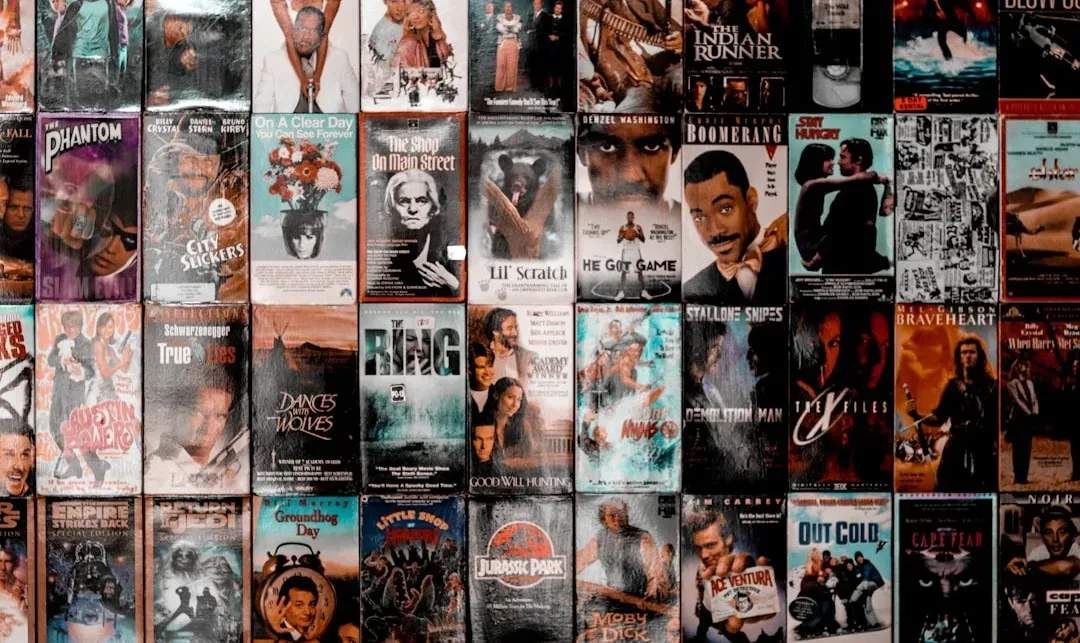
New Hollywood films reflect the concerns of the then rising Baby Boomer generation and are known for their frank depictions of sex and violence, antiauthoritarian and cynical attitudes, and engagement with social issues. The movement reached its height in the 1970s with films including The Godfather (1972), Chinatown (1974), and Taxi Driver (1976). These were not tidy heroes. They were contradictions walking around in trench coats.
The change in the market during the period went from a middle-aged high school-educated audience in the mid-1960s to a younger, more affluent, college-educated demographic: by the mid-1970s, the vast majority of all movie-goers were under 30, nearly two-thirds of whom had gone to college. The 1970s are often called the Golden Age of Hollywood because of the risks taken by young filmmakers. If you think the best cinema is the kind that makes you feel uneasy in the best possible way, this is your era.
The 1980s: You Want Your Movies to Be an Event

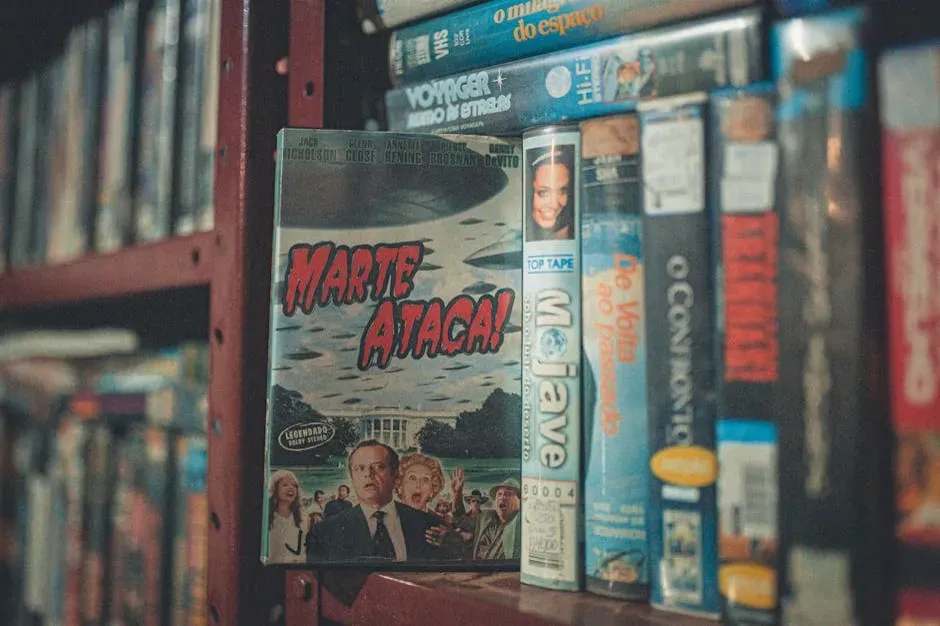
The beginning of another major shift in American cinema occurred in 1975 with the release and massive success of Spielberg’s Jaws, the first film to be billed as a summer blockbuster. Lucas’s Star Wars: Episode IV followed suit by becoming another hugely successful summer blockbuster. Studios thus began prioritizing potential blockbusters and steered away from experimental, director-driven projects. By the 1980s, this shift had become the dominant logic of Hollywood.
Much of what came in the wake of New Hollywood was still very good. All the genuinely good to great Indiana Jones movies came out in the 1980s, the best Star Wars movie came at the very start of the decade, and then you also had Ghostbusters, The Terminator, Back to the Future, and Aliens, if you’re talking easy-to-like American blockbusters. If your idea of a perfect Saturday is popcorn, action, and a hero who wins in the end, the 1980s was made entirely for you.
The 1990s: You Think Independent Voices Matter Most

Stemming from the tail end of the 1980s, the mainstream successes of low-budget directors like Quentin Tarantino, Robert Rodriguez, Kevin Smith, Paul Thomas Anderson, Gus Van Sant, Richard Linklater, Steven Soderbergh, and the Coen brothers, alongside the increased prominence of independent movie studios such as New Line Cinema, Miramax Films, and Gramercy Pictures, gave rise to a boom period of highly profitable indie films. This wasn’t a niche trend. It was a genuine cultural shift.
Auteurs like Quentin Tarantino and Kevin Smith reinvented independent cinema and re-established its place in the mainstream movie market. A non-linear crime thriller about an unseen heist gone wrong or a black-and-white comedy about a mundane existence in New Jersey could captivate audiences at Sundance and breakthrough to a wide release. At the same time, Hollywood studios were pioneering computer-generated effects and revolutionizing blockbuster filmmaking. The 1990s managed to be two things at once, which is what made it so electric.
The 2000s: You See Cinema as a Franchise Universe


The 2000s is arguably the only pure stretch of time consistently defined by blockbuster franchises such as Harry Potter, Lord of the Rings, Pirates of the Caribbean, The Matrix, The Dark Knight Trilogy, and the Sam Raimi Spider-Man Trilogy in the traditional sense. This was when interconnected storytelling became the dominant ambition of studio filmmaking.
9/11 led to a darker tone in Hollywood. Paranoia became the plot, not the subtext. Franchises evolved into full-blown cinematic universes. Harry Potter matured with its fans, while The Dark Knight and Bourne redefined heroism for a jittery era. If you love lore, sequels, and the feeling that every film is part of something larger, this is the decade that shaped your taste.
The 2010s: You Think Cinema Belongs Everywhere Now


CGI became far more prevalent, and big-budget spectacles dominated the box office. In the 2010s, with the technology more established, Hollywood doubled down on these trends while increasingly relying upon fan-favorite franchises to draw in larger audiences. Older series like Star Trek and Jurassic Park saw largely successful reboots, and the Marvel Cinematic Universe broke a number of box office records. Scale became the default mode.
Today, theatrical movies share the spotlight with prestige series, video games, streaming originals, and social media content. The types of films that dominate the box office and global conversation skew even more toward the spectacular and event-like, including the comic-book epics, the CGI extravaganzas, and the sequels in established franchises. Hollywood continues to evolve amid digital disruption, global collaboration, and new consumption models like streaming. The growing focus on diversity, representation, and inclusive storytelling signals a significant shift in how stories are made and who gets to tell them. If you watch on every screen possible and feel equally at home in theaters and on your couch, the 2010s raised you.


