


There are films you watch, and then there are films that quietly rearrange the way you see everything after. Most people have a running list of classics they’ve meant to get to someday. Somehow, “someday” keeps getting pushed back.
The nine films below aren’t obscure arthouse picks chosen to impress anyone. They’re genuine cinematic landmarks, the kind that critics, directors, and ordinary viewers keep returning to across decades. Some are wildly entertaining. Some are devastating. A few are both at the same time. How many have you actually seen?
Citizen Kane (1941) – The Film That Rewrote the Rulebook

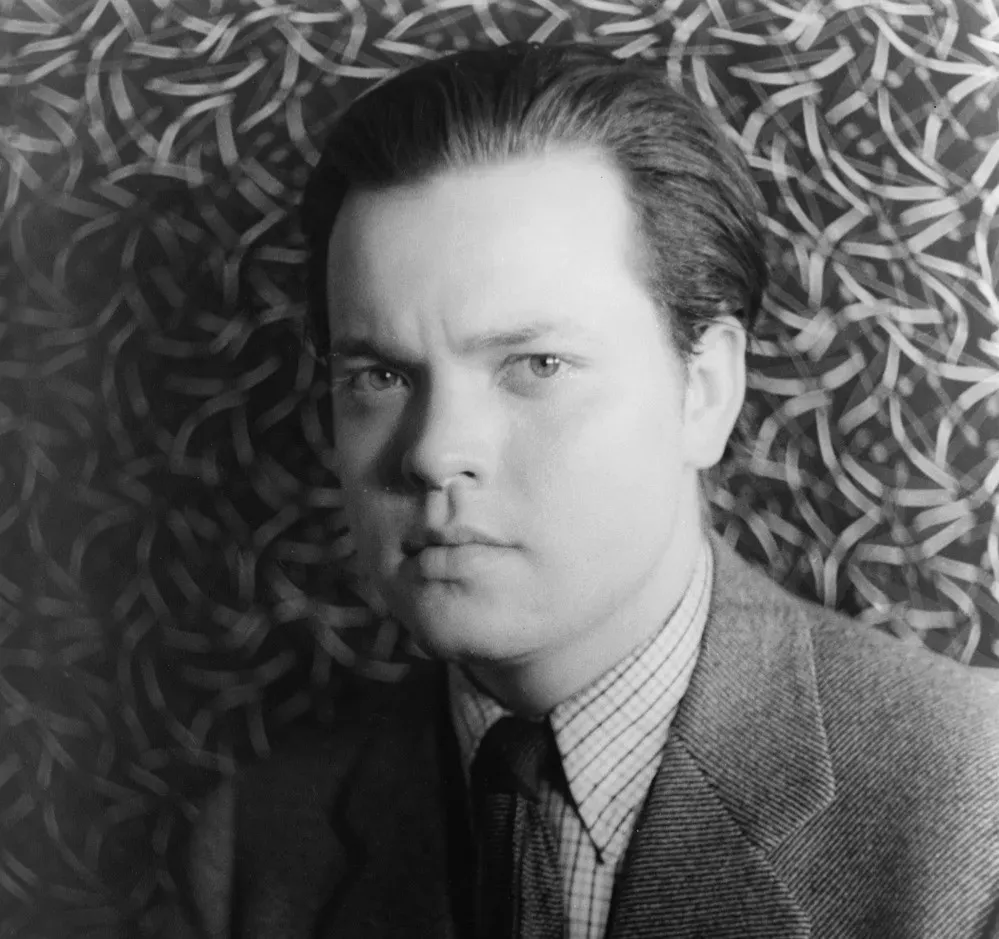
Citizen Kane is to film what The Beatles are to music. Before it, movie production was executed in a certain way versus after, just as music production was accomplished in a certain way before The Beatles came along. Orson Welles directed, produced, co-wrote, and starred in the film as Charles Foster Kane, a character inspired by media baron William Randolph Hearst.
Citizen Kane fans often point to the direction of Orson Welles, along with the movie’s cinematography, music, and the way it is structured as its key strengths. When you consider that the movie was made in the early 1940s, the sheer number of innovative techniques it used is genuinely staggering. It’s the kind of film that rewards patience and a second viewing, which is part of why it never really leaves the conversation.
The Godfather (1972) – A Crime Epic That Feels Like Life

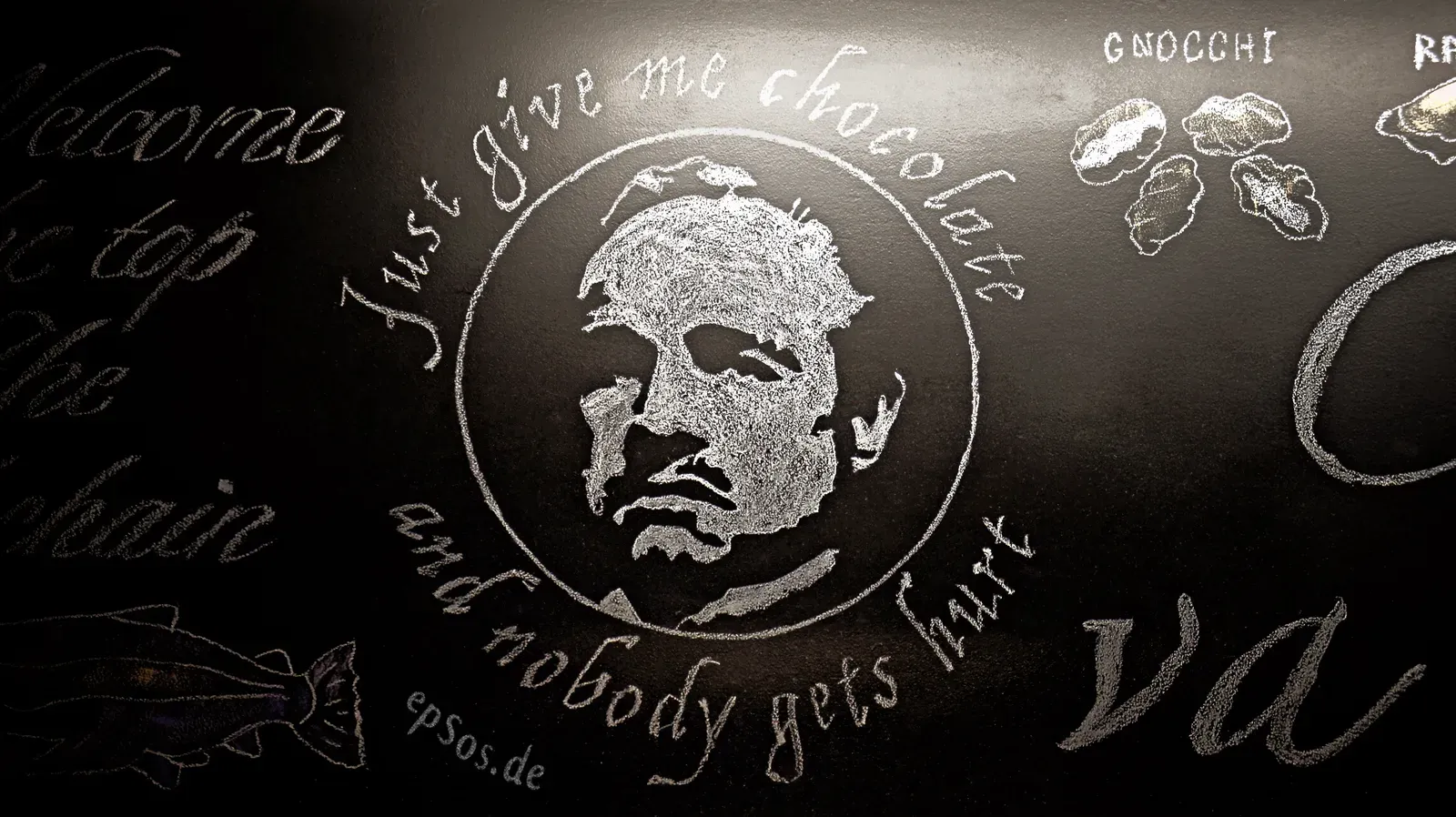
After watching The Godfather, it’s easy to see why it’s viewed as the father of the modern gangster movie. With its hefty but merited runtime and multiple developed storylines, it almost feels more similar to a miniseries than it does to a standalone movie. It had a massive impact on quality TV shows like Boardwalk Empire and The Sopranos, just as much as it did on future crime motion pictures.
No remake would ever be able to recapture the mesmerizing ensemble acting performances that helped make characters like Michael, Vito, and Sonny Corleone icons of pop culture. If The Godfather were released today it would still receive a boatload of awards and be highly regarded. There is something about the way it balances family loyalty and moral collapse that feels universal, regardless of era.
2001: A Space Odyssey (1968) – Science Fiction’s Impossible Benchmark

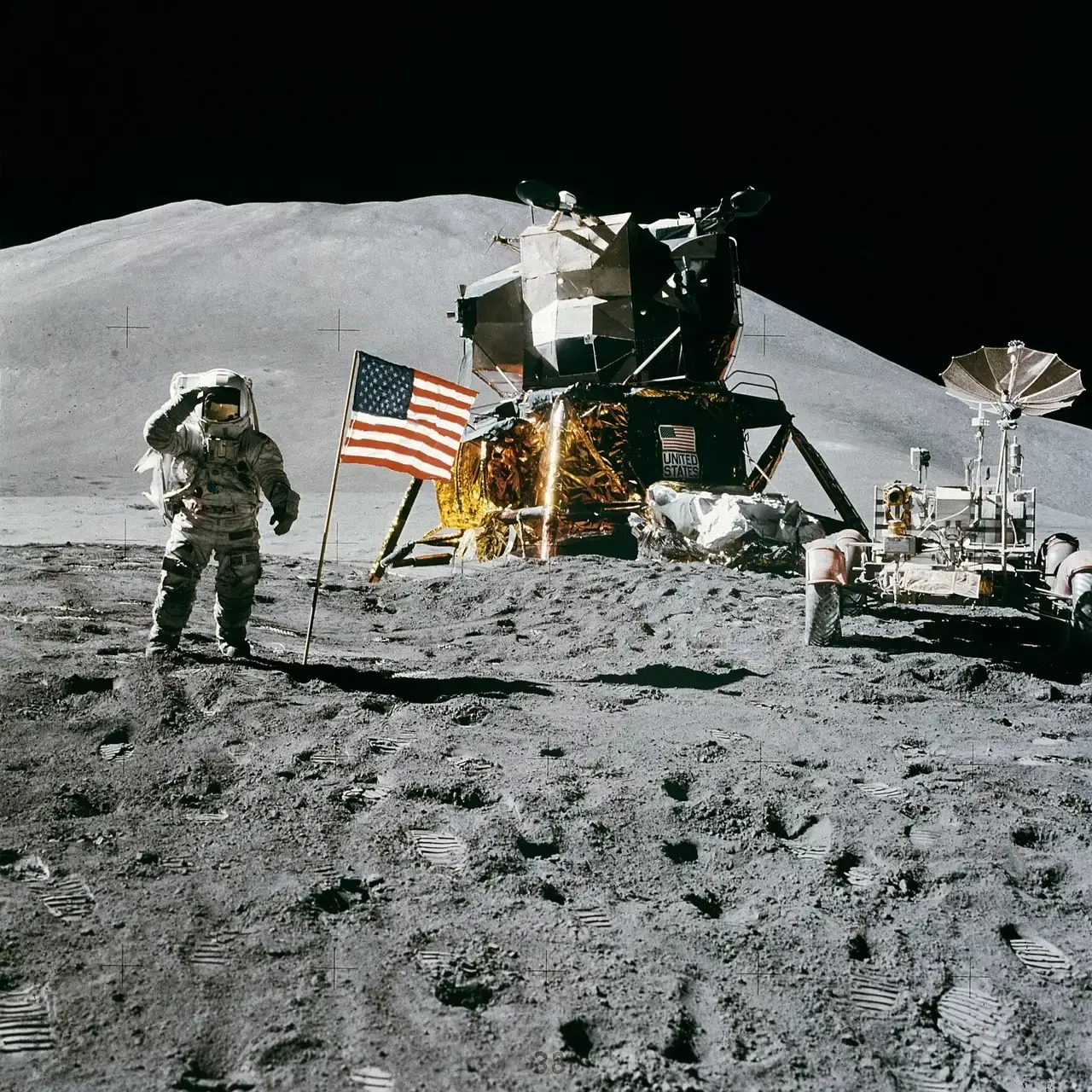
When Stanley Kubrick’s 2001: A Space Odyssey premiered in April 1968, audiences famously walked out in confusion. Critics called it pretentious, boring, and incomprehensible. Yet within months the same film was being hailed as the greatest science-fiction movie ever made. It is a 1968 epic science fiction film produced and directed by Kubrick, who co-wrote the screenplay with Arthur C. Clarke, with its plot inspired by several short stories from Clarke.
The film is noted for its scientifically accurate depiction of spaceflight, pioneering special effects, and ambiguous themes. Kubrick avoided conventional cinematic and narrative techniques; dialogue is used sparingly, and long sequences are accompanied only by music. The brilliance of its groundbreaking practical effects is precisely why the film has not aged aesthetically over fifty-plus years.
Schindler’s List (1993) – The Weight of History on Film


Schindler’s List is a 1993 American epic historical drama directed and co-produced by Steven Spielberg, based on the historical novel Schindler’s Ark by Thomas Keneally. The film follows Oskar Schindler, a German industrialist who saved more than a thousand mostly Polish-Jewish refugees from the Holocaust by employing them in his factories during World War II.
Schindler’s List earned multiple accolades, including seven Academy Awards and seven BAFTAs, and is often listed as one of the greatest films ever made. The film was deemed “culturally, historically or aesthetically significant” by the Library of Congress in 2004 and selected for preservation in the U.S. National Film Registry. It is one of the most powerful films ever made, and it will elicit a visceral reaction from moviegoers. While it may be difficult to get through, it is a supremely worthwhile film, both from a historical context and as an excellent piece of art.
The Silence of the Lambs (1991) – The Thriller That Became a Landmark


Jonathan Demme’s classic psychological horror film, based on the popular book by Thomas Harris, stars Jodie Foster as FBI trainee Clarice Starling. As a serial killer terrorizes the Midwest, Starling seeks the help of incarcerated Hannibal “The Cannibal” Lecter, played by Anthony Hopkins, resulting in a now-legendary exchange. The Silence of the Lambs is one of only three movies in history to win the “Big Five” Academy Awards: Best Picture, Best Actor, Best Actress, Best Adapted Screenplay, and Best Director.
In the decades since its release, the sheer filmmaking power of The Silence of the Lambs hasn’t lost a single bit of its vice-like grip. In the American Film Institute’s 2003 special on heroes and villains, Clarice Starling was named the sixth all-time greatest screen hero, while Lecter was named cinema’s most unforgettable villain. Those two performances, working against each other, remain some of the finest on record.
Parasite (2019) – A Film That Changed Everything at the Oscars

Parasite is a South Korean thriller and black-comedy film, released in 2019, that was the first Korean film to win the prestigious Palme d’Or at the Cannes Film Festival and the first foreign-language film to win the Academy Award for Best Picture. Directed by Bong Joon-ho, it was praised for its sharp writing, memorable performances, and layered satire of social classes.
The film’s combination of dark humor and piercing social critique allowed it to delve into disturbing themes while still being enormously entertaining. Critics praised its layered representation of class conflicts, suggesting that the film’s title could apply to virtually every character in it. On Rotten Tomatoes, Parasite holds an approval rating of 99% based on 485 reviews. That near-perfect consensus is remarkably rare for any film, let alone one with subtitles.
Casablanca (1942) – The Accidental Masterpiece

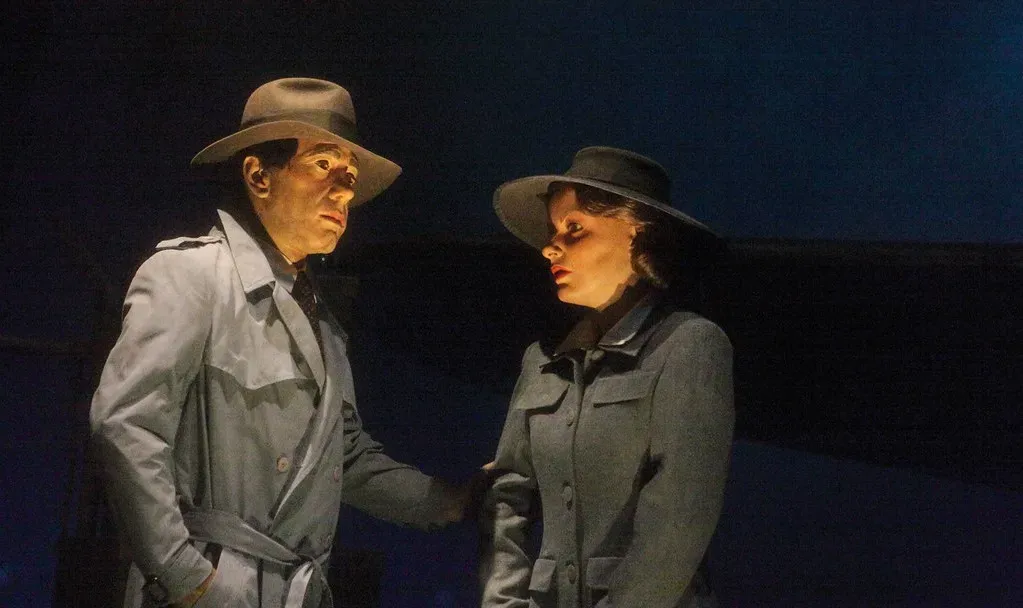
Casablanca’s production was chaotic and messy, particularly the writing process, which included multiple screenwriters and constant script edits during filming. Many involved with the movie thought it was going to be just another run-of-the-mill picture among the hundreds Hollywood produced every year. What emerged instead was something no one fully planned.
Not least among the reasons for its enduring legacy is the adapted screenplay, frequently touted as the smartest, most quotable script ever written. Casablanca’s messages about seeing things bigger than yourself and doing what’s right will always resonate with audiences. It’s one of those films where the imperfections of production somehow became invisible, swallowed whole by the chemistry of everything onscreen.
Come and See (1985) – The Anti-War Film That Haunts You


As unsparing as cinema gets, the influence of Elem Klimov’s war movie transcends the genre in a way that not even Steven Spielberg’s Saving Private Ryan can match. At its heart, it’s a coming-of-age story that follows a young Belarusian boy through unspeakable horror as Nazi death squads visit an apocalypse on his region.
Alongside its historical truths, the film’s grammar and visual language, with passages that play like an ultra-violent fever dream, are what truly elevate it. Like a Hieronymus Bosch masterpiece, the images here can never be unseen. With its unsparing blend of hyper-realism and dreamlike flourishes, Come and See is less a great war movie than the ultimate anti-war movie. It demands to be seen, though it’s not something you’ll casually revisit.
Get Out (2017) – Modern Horror With Something Urgent to Say

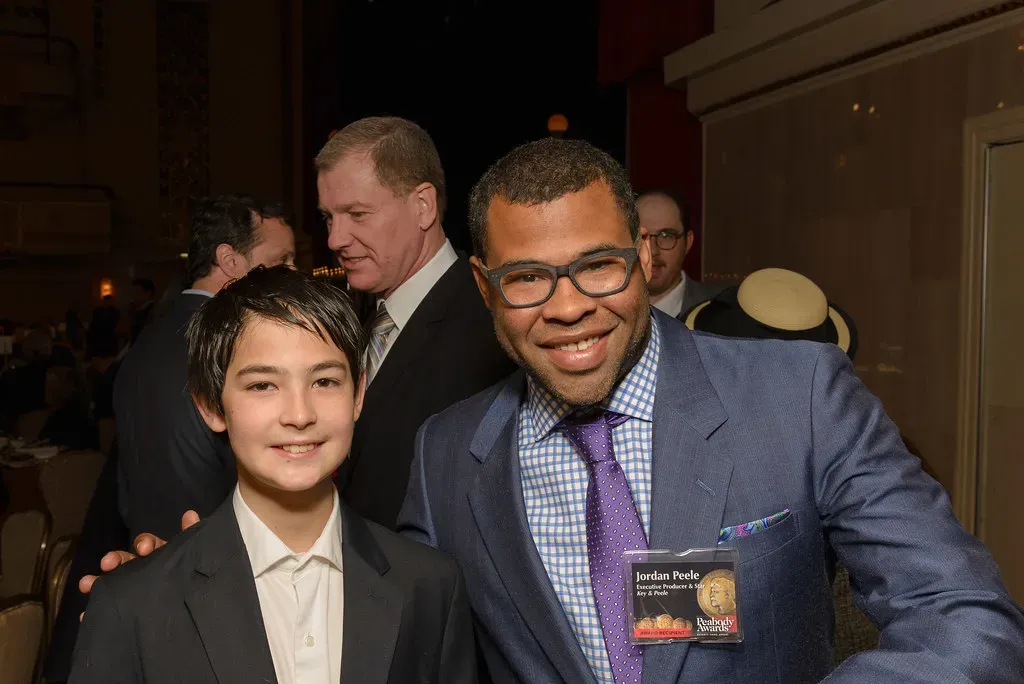
Whether or not Jordan Peele will ever top his feature film debut remains to be seen, but Get Out is one of the boldest horror movies of its decade, tackling a less outwardly extreme but still immensely uneasy form of racism within the confines of something entertaining, tense, scary, and sometimes darkly funny.
There’s so much going on in Get Out, and its ambition is all the more impressive because it wasn’t a huge production. It demonstrates that you don’t need a ton of money to successfully explore big ideas, as a great concept, a pitch-perfect screenplay, and excellent performances across the board proved more than enough to make the 2017 film soar. It arrived at exactly the right cultural moment, and it holds up just as sharply today.

