Walk into almost any American high school English class in 2026, and there’s a good chance one of these seven titles sits on a shelf somewhere, dog-eared and highlighted by generations of students. Curricula shift, reading lists get debated, and plenty of once-popular titles quietly disappear from syllabi. Yet a handful of novels keep surviving the turnover, and teachers tend to have surprisingly consistent reasons for keeping them in rotation.
To Kill a Mockingbird
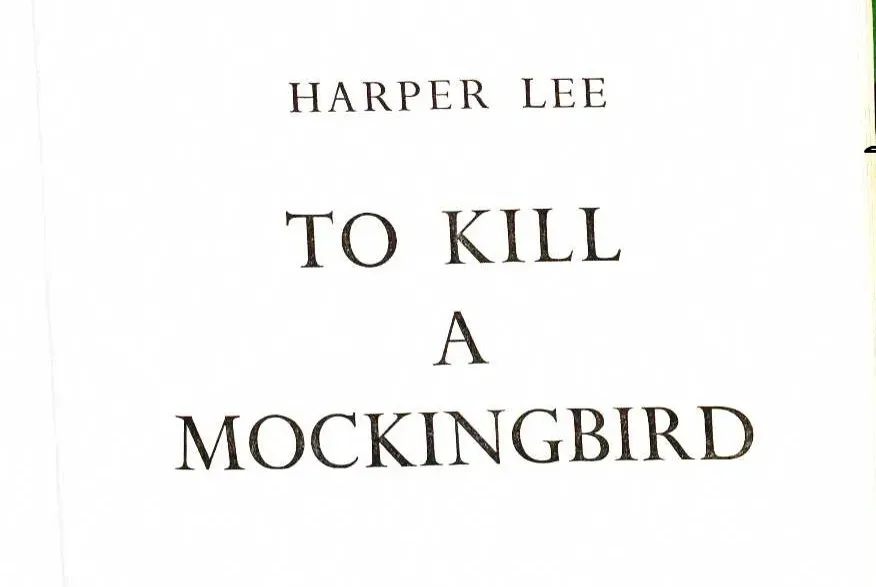
Harper Lee’s 1960 novel remains a fixture in middle and high school classrooms largely because it gives teachers a single text that touches on racial injustice, moral courage, and coming of age all at once. Teachers often point to Scout’s narration as an accessible entry point for younger readers who aren’t yet ready for denser prose but can still grapple with serious themes. The trial of Tom Robinson gives instructors a built-in framework for discussing the American legal system and its historical failures.
Despite periodic challenges over its language and racial content, the book has held its place on required reading lists across most states well into the mid-2020s. Its continued presence isn’t really about nostalgia; teachers frequently note that the novel’s structure makes it easy to teach close reading, symbolism, and perspective in a single unit. Few books manage to combine literary craft with such a direct civics lesson.
The Great Gatsby
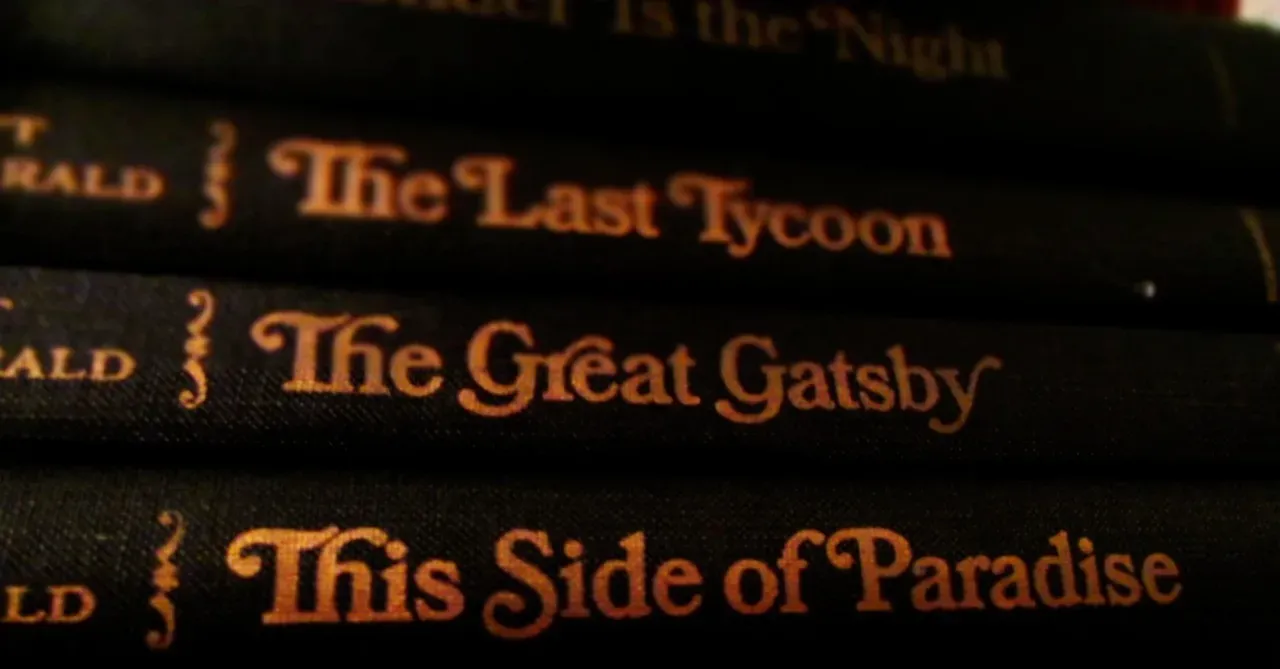
F. Scott Fitzgerald’s slim 1925 novel continues to dominate American literature units, partly because its length makes it manageable within a semester and partly because its themes about wealth, illusion, and the American Dream never feel dated. English teachers often use Gatsby to introduce symbolism in a way that feels almost like a puzzle students can solve together, from the green light to the eyes of Doctor T.J. Eckleburg. It’s also a favorite for teaching unreliable narration through Nick Carraway.
The novel’s compact size means it fits well alongside supplementary materials like historical context on the Jazz Age or discussions of class mobility. Many teachers say it works as a gateway text, one that hooks reluctant readers with its glamour before revealing its darker critique underneath. That layered quality, easy on the surface but rich underneath, is exactly what keeps it assigned year after year.
Of Mice and Men

John Steinbeck’s short novel is a staple largely because of its brevity and emotional directness. Teachers frequently choose it for students who struggle with longer texts, since its plain prose style doesn’t sacrifice depth for simplicity. The friendship between George and Lennie offers an accessible way to discuss themes like loneliness, disability, and economic desperation during the Great Depression.
Because the novel can typically be read in a week or two, it often serves as a bridge text before students tackle longer works later in the year. Its ending also gives teachers a reliable discussion point about mercy, morality, and difficult choices, themes that resonate regardless of the decade a student is reading it in. That combination of accessibility and emotional weight is hard to replicate in other short novels.
Lord of the Flies

William Golding’s 1954 novel about stranded boys descending into savagery remains popular because it lets teachers explore human nature and social order without needing much historical background. Students don’t need extensive context to understand the central conflict, which makes it easier to jump straight into thematic discussion. Teachers often use it to introduce allegory, since characters like Piggy and Jack map cleanly onto ideas about reason and chaos.
Partner offer
The novel also pairs naturally with discussions of group psychology and leadership, topics that feel relevant to teenagers navigating their own social hierarchies. Its brevity, similar to Of Mice and Men, makes it a practical choice for classrooms working within tight semester schedules. Even decades after publication, its central question about whether civilization is a thin veneer over something darker still generates genuine classroom debate.
1984
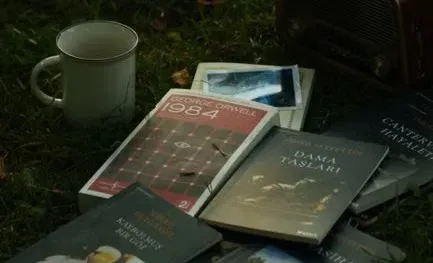
George Orwell’s dystopian novel has arguably gained relevance rather than lost it, especially as teachers use it to discuss surveillance, misinformation, and government overreach in an era shaped by digital privacy concerns. Concepts like doublethink and Newspeak give students vocabulary for analyzing propaganda and manipulated language in the real world. Teachers often note that the novel’s warnings feel less like historical artifacts and more like ongoing conversations.
Its structure also makes it useful for teaching how setting and worldbuilding can reinforce theme, since Oceania’s oppressive atmosphere is built almost entirely through small, unsettling details. Many educators pair the novel with nonfiction units on media literacy or historical totalitarian regimes to ground the fiction in real events. That flexibility across disciplines is part of why it keeps earning a spot on reading lists.
The Catcher in the Rye

J.D. Salinger’s novel has had a more complicated classroom life than most on this list, facing periodic bans and pushback over language and content. Still, many teachers keep it around because Holden Caulfield’s voice captures adolescent alienation in a way few other characters do, even for readers separated from him by seventy years and a completely different media landscape. His unreliable, wandering narration also makes for a natural lesson in voice and tone.
Teachers often use the novel to discuss mental health and identity struggles, framing Holden’s breakdown as an entry point for conversations that feel relevant to contemporary teenagers. Its first-person, conversational style tends to either hook students immediately or frustrate them, which itself becomes a useful discussion about narrative voice. That polarizing quality, oddly enough, is part of what keeps teachers returning to it.
Fahrenheit 451

Ray Bradbury’s novel about a future where books are burned continues to resonate with teachers precisely because its central metaphor, the suppression of ideas, keeps finding new real-world parallels. Discussions around book bans, censorship, and media consumption feel less theoretical to students in 2026 than they might have decades ago, given ongoing debates over what belongs on school reading lists in the first place. That irony isn’t lost on teachers who assign the book.
Its short length and vivid imagery also make it approachable for younger readers being introduced to dystopian fiction for the first time. Teachers frequently use it alongside 1984 or Brave New World to build a broader unit comparing different visions of controlled societies. The novel’s warning about the erosion of critical thinking through distraction and entertainment also gives it an unexpectedly modern angle for classrooms discussing screen time and information overload.
Partner offer
Planning a trip to Vegas?
Compare hotel rates and show tickets on VEGAS.com.