Walk into almost any independent bookstore this year and you’ll likely find a warm café corner, a full events calendar, and shelves that look healthier than ever. Yet behind that inviting scene sits a business model that has always been fragile, and in 2026 the cracks are getting harder to paper over. The story isn’t really about whether people still read. It’s about the math that determines whether a bookstore can stay open long enough to sell them the books.
The margin problem nobody outgrows


Bookselling has never been a high margin business, and that hasn’t changed with time or technology. The wholesale pricing structure leaves little room for error, and the standard gross margin on a new, full-priced book hovers between 40% and 45%, so a $20 book costs a store $11 to $12 wholesale. That’s before rent, payroll, insurance, or a single utility bill gets paid.
Once real world discounting enters the picture, things get tighter still. Factor in the inevitable discounts needed to compete with online retailers, even a modest 10% off, and the effective margin quickly shrinks to 30% or less, a thin margin that must cover rent, utilities, labor, and every other operational cost. Multiply that squeeze across thousands of transactions a month and it becomes clear why so many owners describe their stores as running on fumes even in a good year.
Net profit that barely clears zero


Gross margin is only half the story. What actually lands in an owner’s pocket after every expense is a different, much scarier number. The hard math of running a bookstore is that most run on a razor thin net operating margin of 0 to 4 percent. That’s not a rounding error, it’s the difference between a store surviving a slow month and closing its doors.
Independent analyses of the industry echo this. Historically, net profit margins often hovered between 1% and 5%, though well managed and innovative stores can push these figures higher, reaching 7 to 10%. Even the more optimistic estimates from business planning research put a mid size bookstore’s realistic annual profit at somewhere between $15,000 and $54,000 a year, which is barely a living wage once an owner accounts for the hours they put in themselves.
Books are a depreciating asset sitting on the shelf

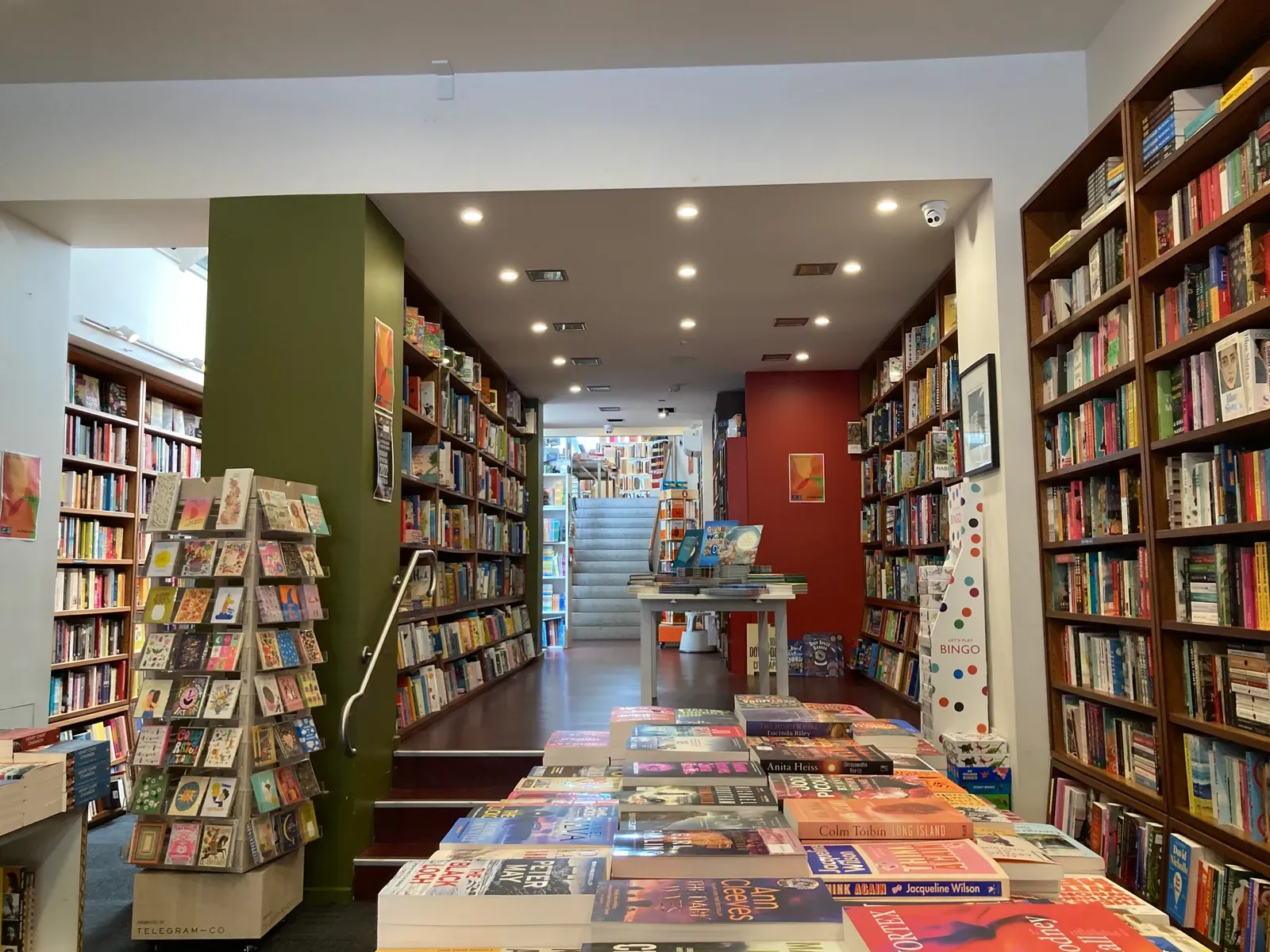
Unlike a lot of retail inventory, an unsold book doesn’t just sit there quietly losing relevance. It actively costs money the longer it stays unsold. Books are depreciating assets, and if a new hardcover doesn’t sell within 60 to 90 days, it occupies valuable shelf space and often must be returned to the publisher for credit, incurring additional shipping and handling costs.
That return cycle is one of the strangest quirks of the book business. Stores essentially rent shelf space to publishers on a trial basis, and if a title flops, the bookstore eats the labor and freight cost of shipping it right back. Mastering inventory turnover is non negotiable for any store trying to stay solvent, which explains why so many booksellers obsess over what stays on the shelf and for how long.
Labor costs that keep climbing faster than book prices can

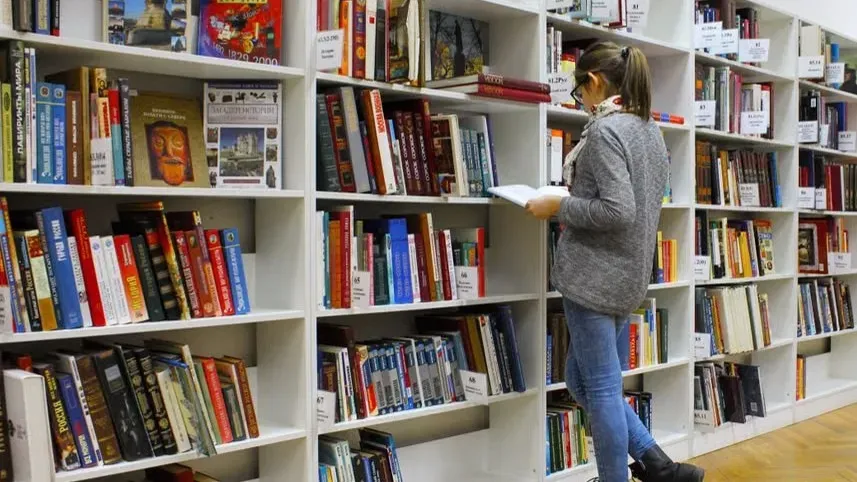
Books have fixed cover prices printed right on them, which sounds simple until you realize it strips owners of one of retail’s basic levers. Thanks to the practice of prepricing books, bookstores cannot raise prices and can only lower them. Meanwhile, the cost of staffing a store keeps rising regardless of what’s printed on the dust jacket.
One longtime bookseller quoted in trade press put it plainly: with a total cost to employers of over $20 an hour per employee, the book business will not be sustainable without margin support from publishers. Minimum wage increases, which have rolled out across dozens of states and cities over the past several years, hit bookstores especially hard because payroll is one of the few costs an owner can actually control, and there isn’t much room left to cut.
Rent and insurance quietly eat into what’s left

Even before payroll, a bookstore has to cover its physical footprint, and commercial rent has not been kind to small retailers in recent years. Add in the layered cost of general liability, property, and business interruption coverage, and the fixed cost base for even a modest shop adds up fast. Small business insurance costs average $111 nationally across the six most common coverage types, with most businesses starting with either a general liability policy at $123 a month or a Business Owners Policy bundling general liability, commercial property, and business interruption at $221 a month.
For a bookstore specifically, those numbers can run even higher once inventory value and foot traffic are factored in. Most bookstore businesses pay between $80 and $280 per month for general liability, and adding workers’ compensation or commercial auto increases the total. None of that shows up in a customer’s $18 paperback purchase, but it’s baked into every sale a store needs to make just to break even.
The return system that publishers still control


Perhaps the least understood part of bookstore economics is how much leverage publishers hold over what a store can even afford to stock. Independent booksellers have spent years arguing for better terms and mostly gotten nowhere. Booksellers say they need a minimum 50% publisher discount to be viable, yet over nearly two decades publishers have consolidated, gotten bigger, and become more profitable, without that improvement benefiting independent booksellers beyond occasional stock offer deals.
This dynamic means a bookstore’s fate is tied not just to how well it manages its own shop, but to negotiating power it largely doesn’t have. Large chains can extract steeper discounts simply by ordering more volume, while a single location independent is stuck accepting whatever terms are on the table. It’s a structural disadvantage that no amount of clever merchandising fully solves.
Tariffs and rising costs add fresh pressure in 2025 and 2026


Just when many independents had found some post pandemic footing, a new set of cost pressures showed up. Trade policy changes and rising input costs have become a real line item for booksellers rather than an abstract economic concern. Rising costs, tariffs, and what one industry letter flatly calls a monopolistic chokehold have been named among the real pressures independent stores faced in 2025.
Notably, this pressure has been building even as store counts have grown, which tells you something about how resilient owners have had to become. The same industry reporting that flagged tariffs as a threat also spent several paragraphs describing how difficult the year actually was, citing tariffs, book bans, and threats to free expression among the obstacles member stores navigated. None of those pressures are going away quietly in 2026.
Barnes and Noble shows even scale doesn’t guarantee stability


It would be easy to assume that a national chain with hundreds of locations has solved the margin problem that plagues small independents. The reality is more complicated. As of February 2026, Barnes and Noble operates around 700 bookstores nationwide, yet the company continues opening and closing stores in the same breath.
Several long running locations have shut down even as new ones open elsewhere. Locations in Nanuet, New York, Pembroke Pines, Florida, and Waterbury, Connecticut all closed in January 2026 after roughly 20 to 33 years in operation, largely tied to lease expirations. That churn suggests that even at scale, real estate costs and lease terms remain the deciding factor in whether a bookstore location survives, not simply how many books it sells.
A surprising twist: more stores are opening despite the squeeze

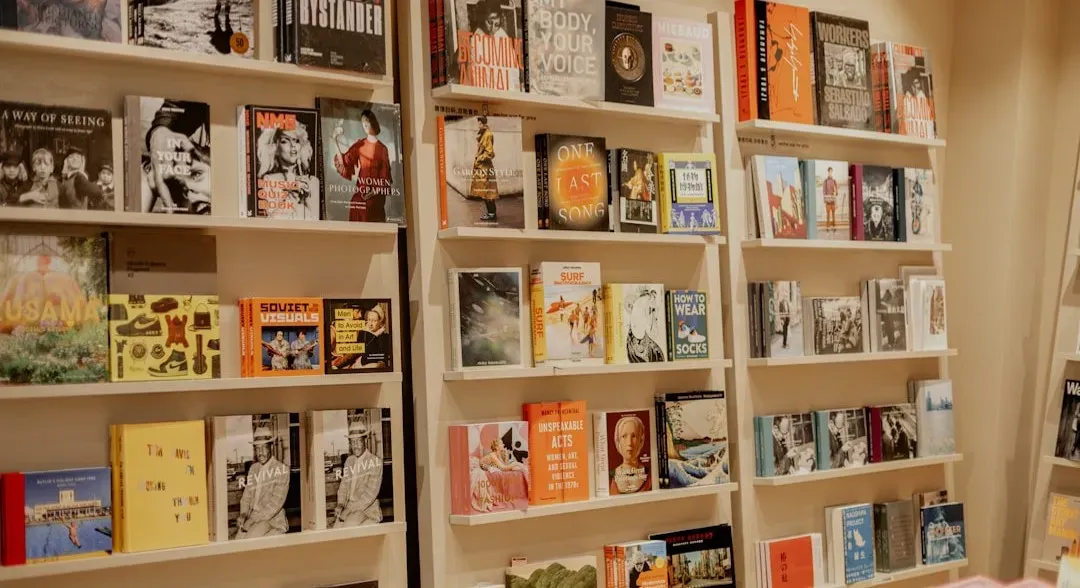
Given everything working against bookstore economics, you’d expect the store count to be shrinking. Instead, the opposite has happened, and it’s worth sitting with that contradiction for a moment. Six hundred and five new independent bookstores opened across the US in 2025, according to the American Booksellers Association’s year end letter.
Membership in the trade group has also grown substantially. ABA membership grew by 19 percent over the year, and by 151 percent over the past six years, according to that same letter. It’s a reminder that the financial nightmare running underneath the industry hasn’t stopped people from opening stores, it’s just forced most of them to get creative about how they survive it.
Non book revenue has become a survival requirement, not a bonus

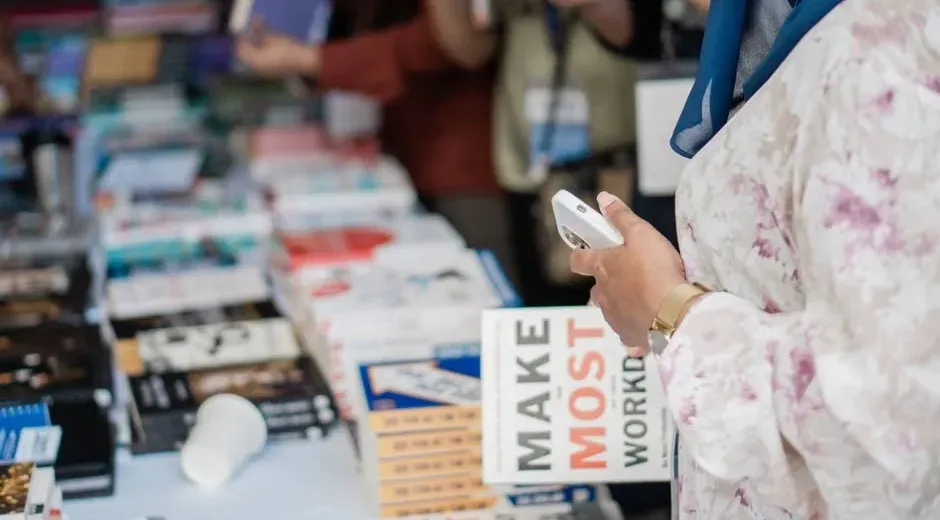
The clearest adaptation to razor thin book margins has been treating books almost as a loss leader for everything else a store can sell. The takeaway for many owners is to treat book sales as a necessary vehicle for driving customers toward the higher margin revenue streams found elsewhere in the store, transforming the traditional bookstore model into a multifaceted business that thrives on diverse offerings, because the physical space must generate a higher profit than the books it contains.
Cafés, merchandise, memberships, and ticketed events have become less of a nice touch and more of a financial necessity. Some stores have leaned hard into this, hosting hundreds of gatherings a year that bring in revenue well beyond a book’s cover price. Some stores have as many as 500 events a year, turning what used to be a simple retail transaction into something closer to a community membership model, one that happens to also sell books.
Final thoughts


The bookstore business has never been an easy way to make money, and nothing about 2026 has made it easier. Thin margins, publisher terms that favor scale, rising labor and insurance costs, and now tariffs have all stacked on top of a model that was already balanced on a knife’s edge. What’s notable is that despite all of it, people keep opening these stores anyway, betting that community, curation, and a physical space to gather can outweigh a spreadsheet that rarely looks generous. Whether that bet keeps paying off will likely depend less on how many books get sold and more on how well each store manages everything happening around the books themselves.