Watch a cat settle onto a fresh blanket and you’ll often see the same routine. The front paws start pressing, one after the other, in a slow rhythm that looks a lot like baking. Some cats close their eyes, and some purr loudly while they do it.
The habit is so common that most owners stop questioning it. Yet it has several layers of explanation, and animal behavior sources don’t all agree on which one matters most. Here is what the current thinking says.
It Starts in Kittenhood
When kittens nurse, they knead their mother’s belly to stimulate milk production. The motion is instinctive, and it’s one of the first things a kitten does.
Purina describes this leftover kitten trait as one of the most probable explanations for the behavior in adults. Many cats simply never drop the habit, and a soft blanket gives it a natural outlet.
Contentment Gets Linked to the Motion
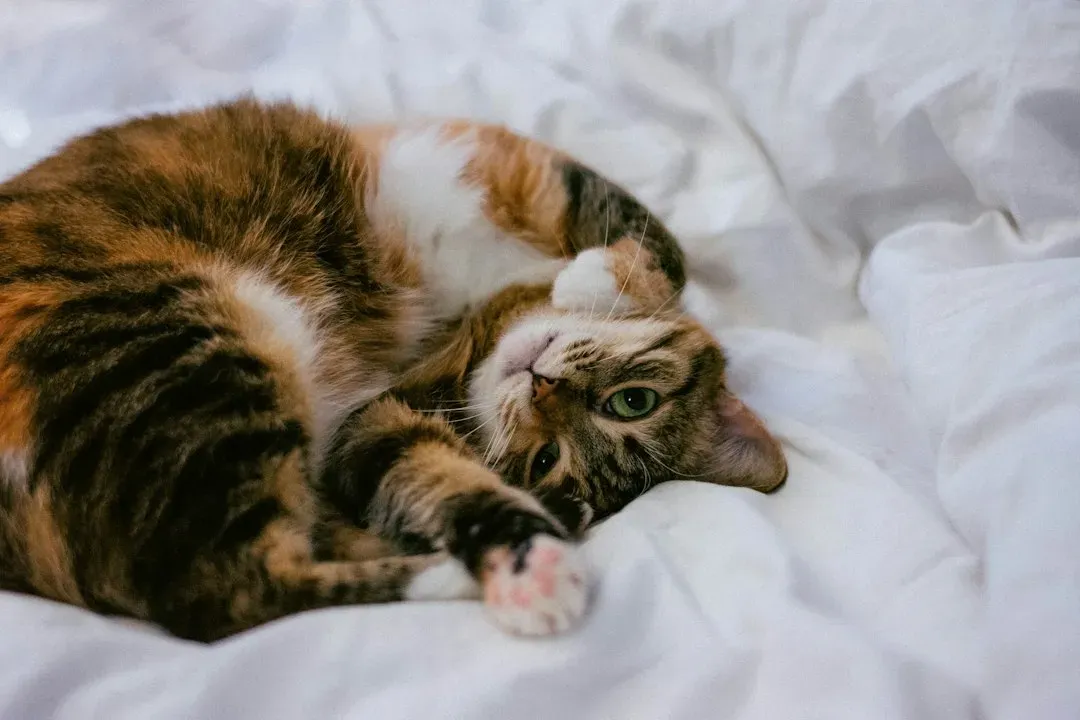
Nursing comes with warmth, food and the calming scent of the mother. PetMD notes that this sense of contentment encourages many cats to keep kneading into adulthood to recreate a similar calm.
Adult cats are most likely to knead when settled on something soft or during a peaceful moment. That’s why you’ll usually see it right as a cat gets comfortable, not in the middle of play.
A Wild Instinct for Building a Nest
Cats in the wild knead the ground to pat down grass and leaves, making a softer bed for sleeping or giving birth. A blanket is the domestic version of that pile of foliage.
Purina adds that this pawing may also help a wild cat check for hidden predators, prey or other dangers in the vegetation. Your living room sofa is safer, though the instinct doesn’t know that.
Scent Glands in the Paws
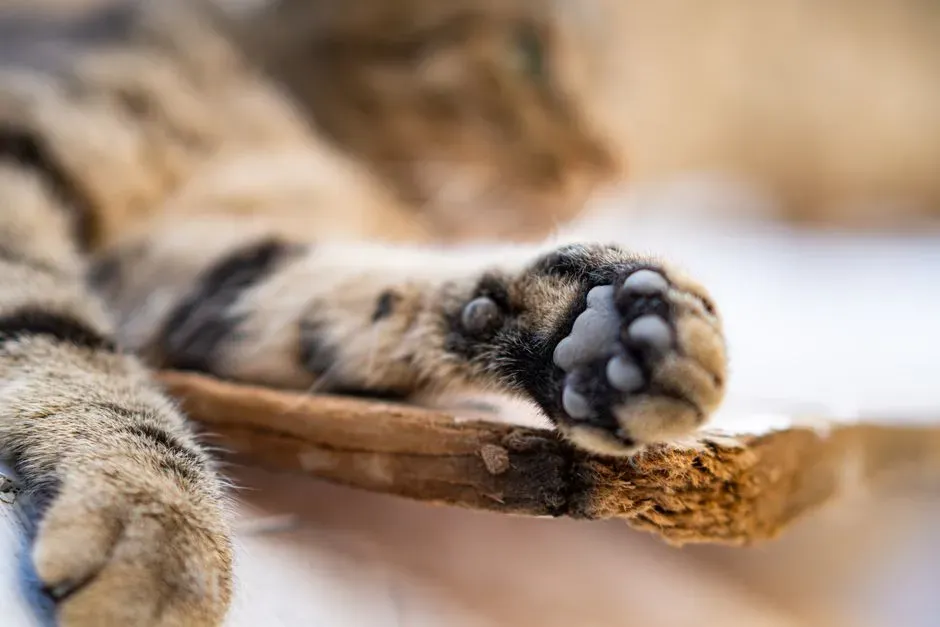
Cats have scent glands in the soft pads of their paws that release pheromones. Each press can leave a faint chemical signature on the fabric.
Some vets describe this as a way of marking an area as the cat’s own, which creates a familiar, comforting environment. Since humans can’t smell it, the blanket just seems like it belongs to the cat afterward.
Stress Relief and Self Soothing
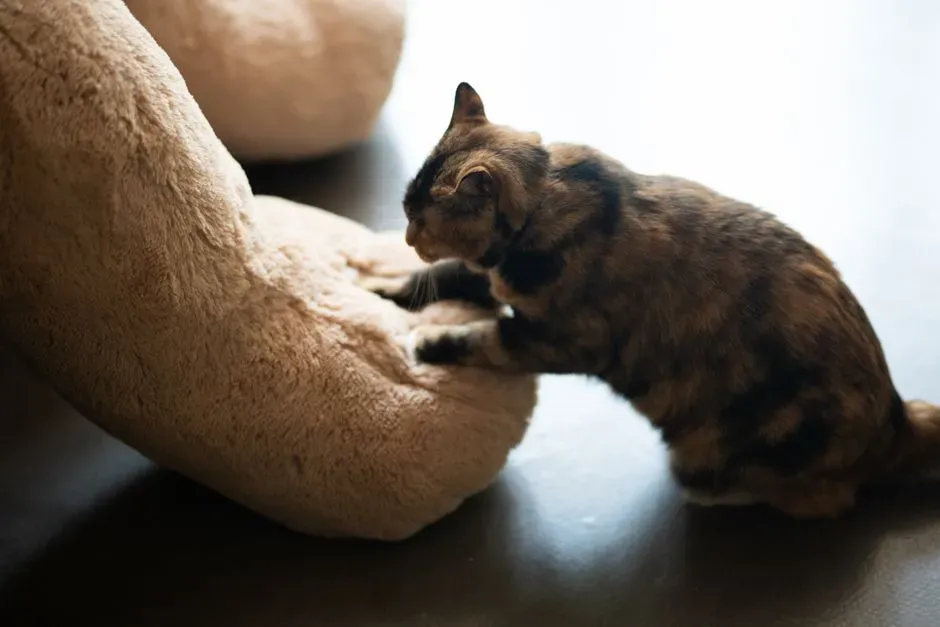
Sheba notes that some cats also knead to relax when they feel a little stressed. The repetitive movement seems to work like a calming ritual.
Specialists quoted by A-Z Animals say this self soothing may increase with sudden changes, new animals or unpredictable noise. A cat that kneads more after a move or a new pet in the house may simply be coping.
Stretching Muscles
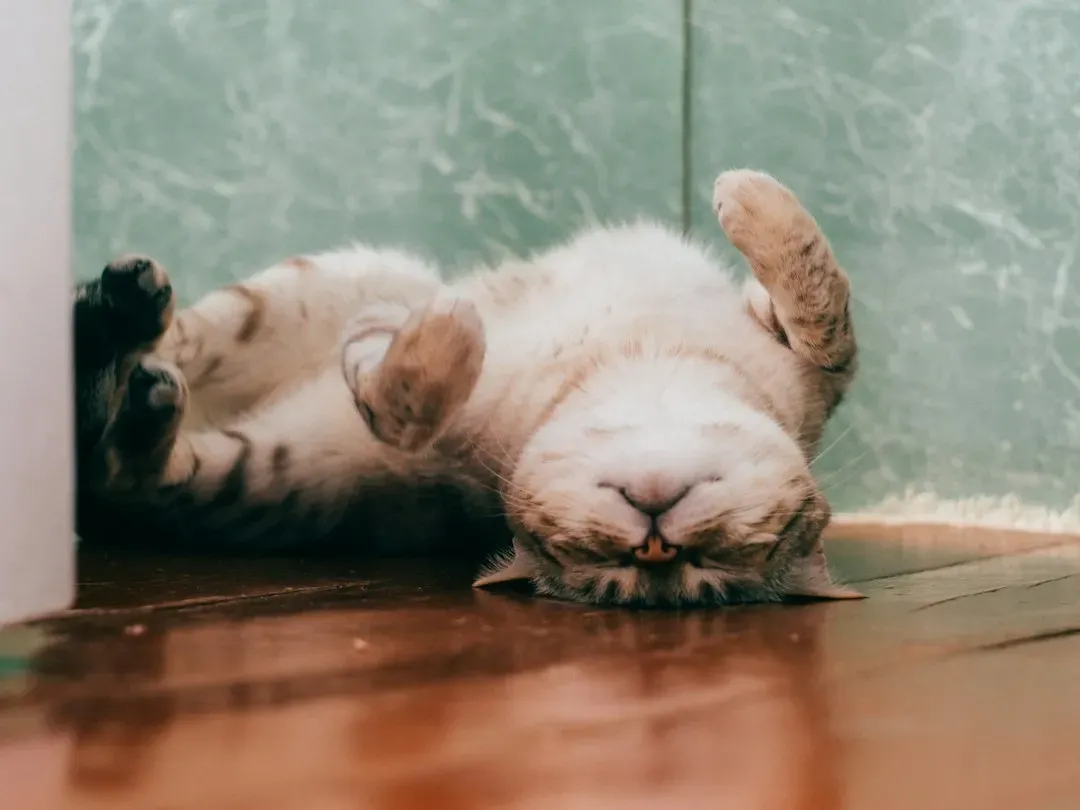
Some people suggest that kneading lets cats stretch and loosen their muscles before the next activity. Cats are athletic animals, so the idea fits, though it’s more of a theory than a proven function.
PetMD points out that cats sore from injury or arthritis may also knead to stretch their limbs and ease tension. That makes a sudden change in how a cat kneads worth noticing.
Why Soft Surfaces Matter
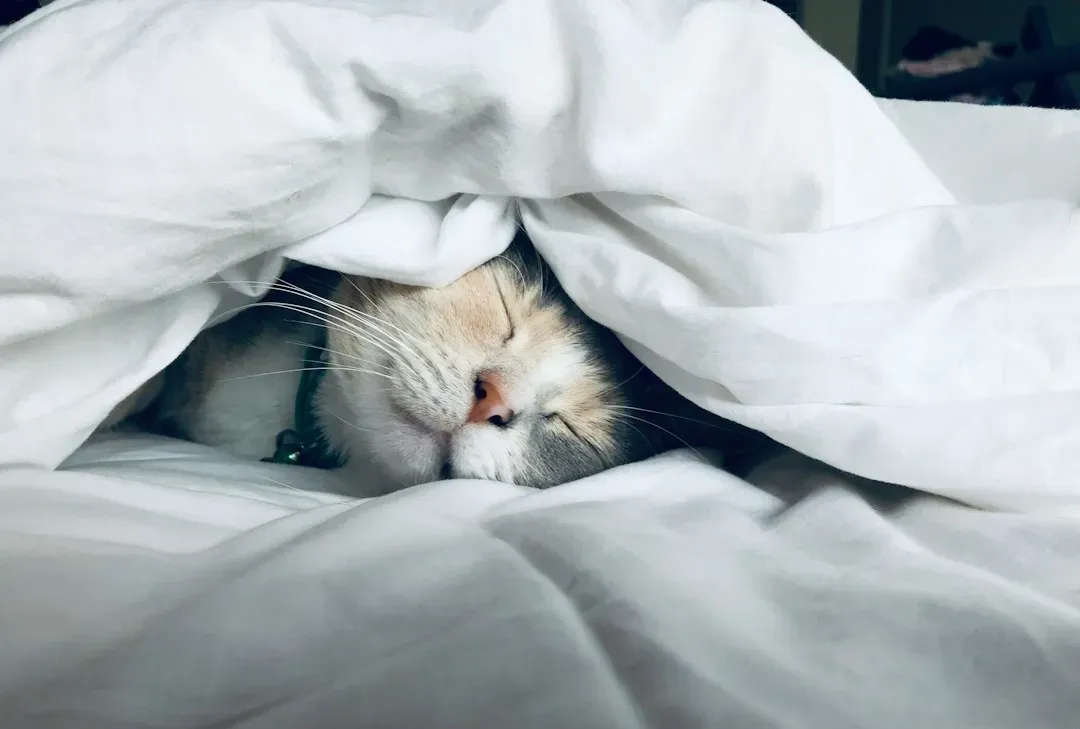
Cats will happily sit on a hard surface, but they generally only knead something soft or pliant. Blankets give just the right amount of resistance to push into.
Some cats even adopt a particular blanket and use it much like a security blanket. If your cat always goes for the same one, that preference is quite normal.
Kneading You Instead of the Blanket
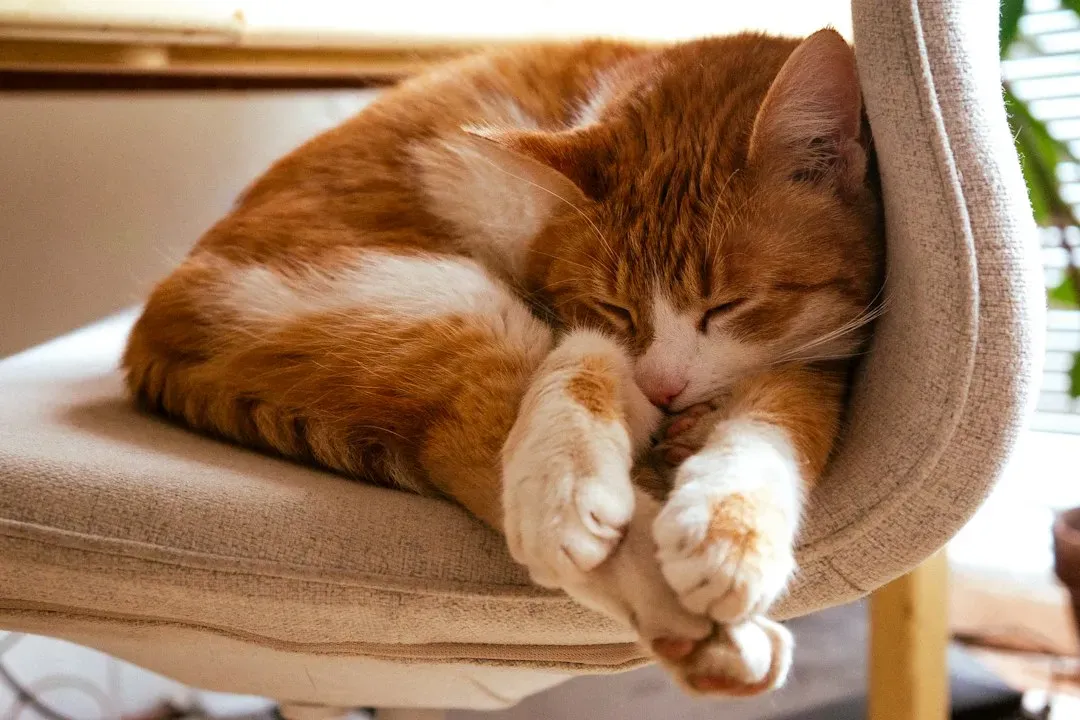
According to PetMD, cats knead people for many of the same reasons they knead blankets, including relaxation, stress relief or tamping down a sleeping spot. A lap is soft, warm and smells familiar.
Vets at All Pets Veterinary Center say cats who knead their owners are often expressing affection and seeking comfort. Think of it as a compliment, even when the claws come out.
When Blanket Kneading Might Need a Closer Look
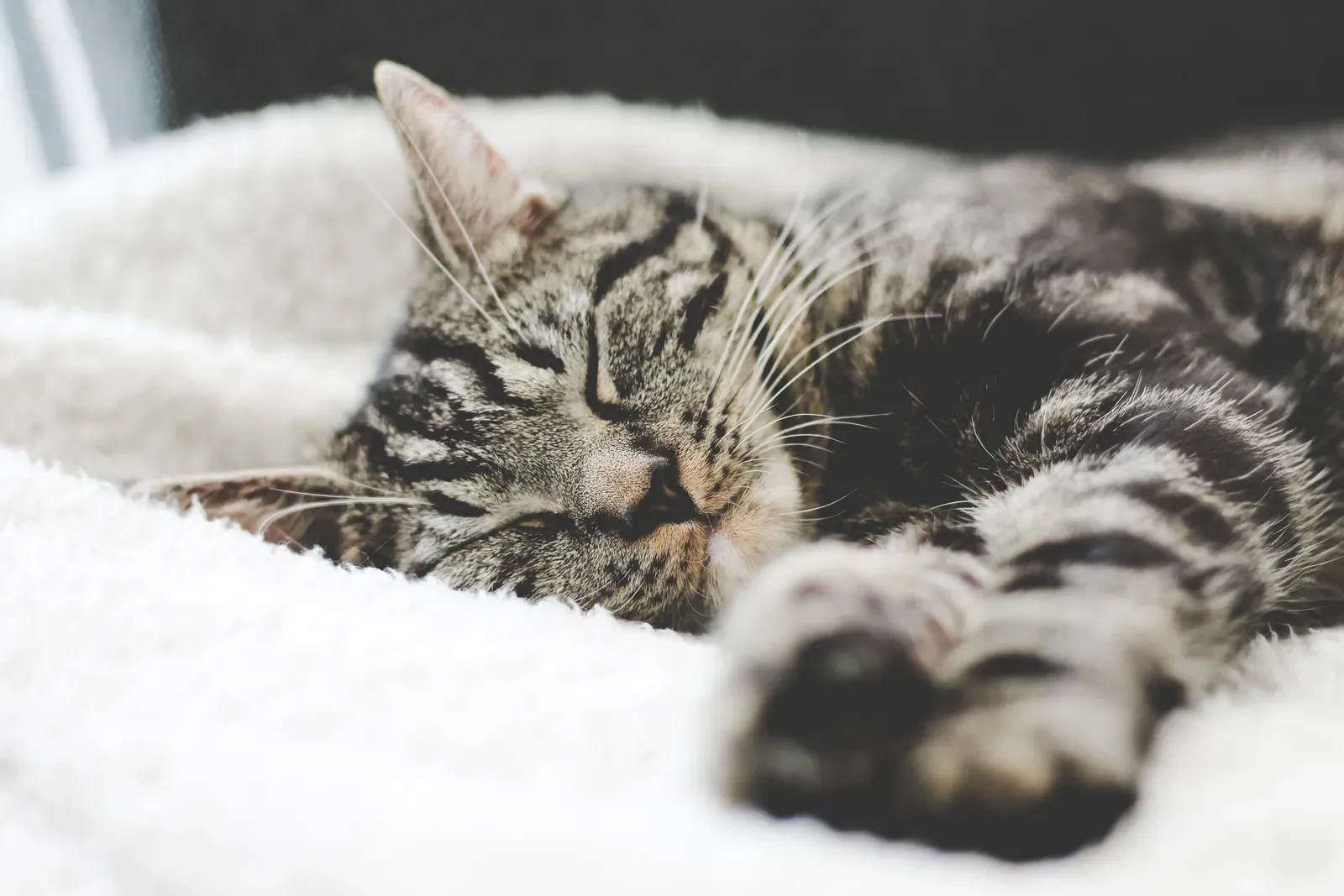
Certified veterinary behaviorist Leslie Sinn says experts don’t really know why cats suck on blankets. She adds that the behavior may be more common in orphan kittens or those with rough starts.
If the behavior changes in a persistent way, A-Z Animals advises consulting a veterinarian or animal behaviorist. For owners who’d rather protect their own bedding, PetMD suggests putting out a few cat blankets just for the cat.