Anyone who has been pinned to a couch by a sleeping cat knows the feeling. You need water, the remote is out of reach, and your legs have gone numb, yet you stay put. The cat, meanwhile, looks completely unbothered.
It’s easy to read this as simple affection, and partly it is. Still, veterinarians and animal behavior researchers point to several overlapping reasons, from body temperature to trust to old survival instincts. Here’s what’s actually known, and where the science is still thin.
Your Body Is a Reliable Heater

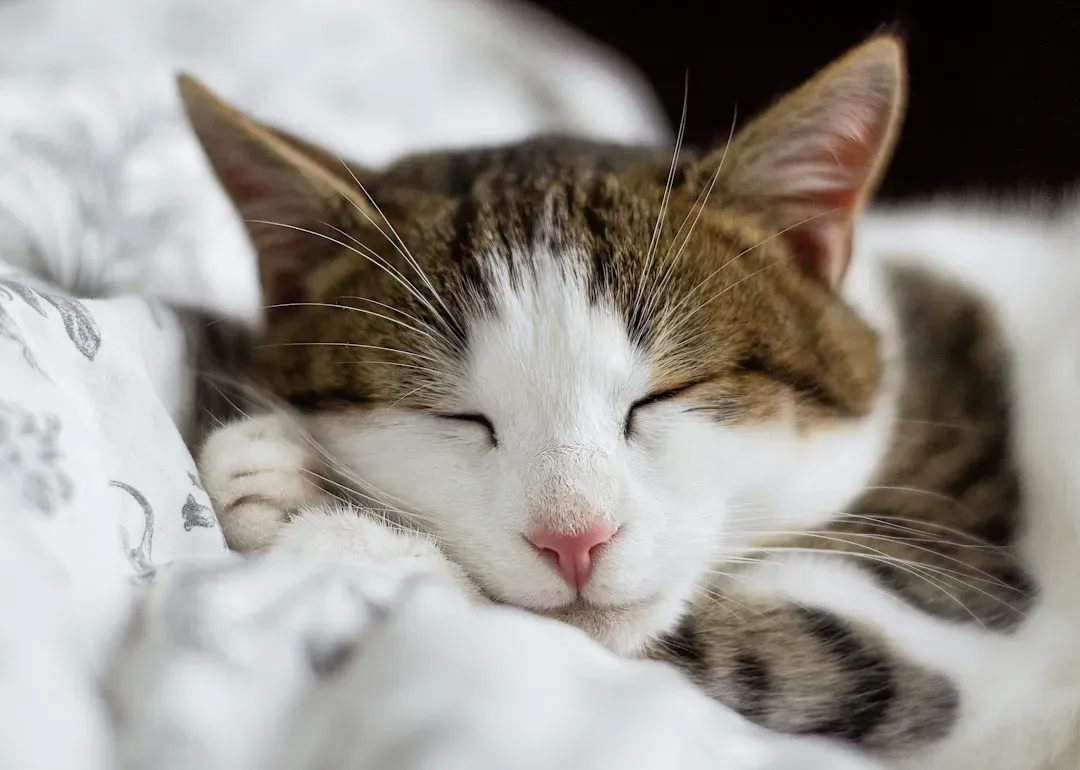
Cats run warm. Their normal body temperature sits roughly between 100.5 and 102.5 degrees Fahrenheit, a little higher than ours. Their comfortable range for the surrounding air is also warmer than most people keep their homes.
A sleeping human gives off steady heat for hours. Lying on a lap, chest or hip lets a cat soak up that warmth without spending its own energy. It’s the same reason cats claim sunny windowsills and laundry baskets fresh from the dryer.
Sleeping Soundly Means Feeling Safe

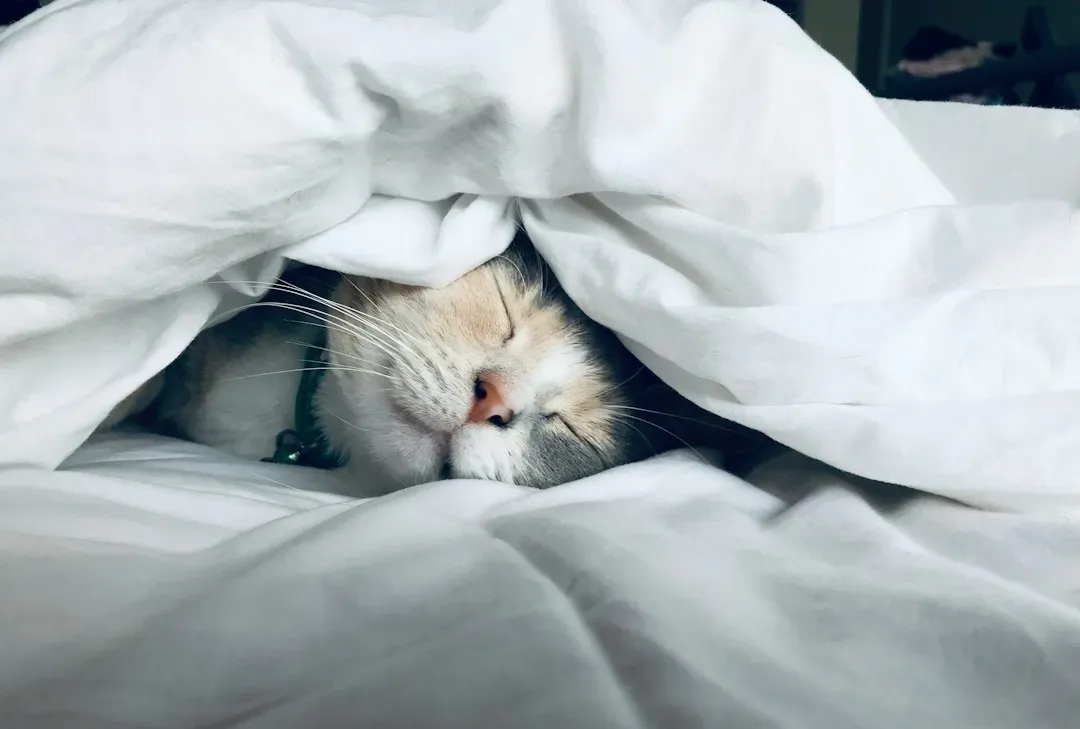
Cats are both predators and prey in nature, so sleep is a vulnerable state. A cat that dozes deeply in the open is showing a degree of trust. Choosing your body as a bed suggests it considers you part of a secure environment.
Veterinary behaviorists often note that cats pick resting places based on how protected they feel. Being close to a trusted person can lower the cat’s guard. Your presence works a bit like a living alarm system, since the cat can feel you move if something changes.
Early Habits From Kittenhood


Kittens spend their first weeks huddled against their mother and littermates. That contact provides warmth, food and protection. Many behavior specialists believe adult cats carry some of that comfort association into their bonds with people.
Kneading is the clearest example. Kittens press their paws against the mother to stimulate milk flow, and many adult cats knead blankets or their owners while settling in. It’s a leftover from infancy that tends to appear when a cat feels relaxed and content.
What Research Says About Cat Attachment

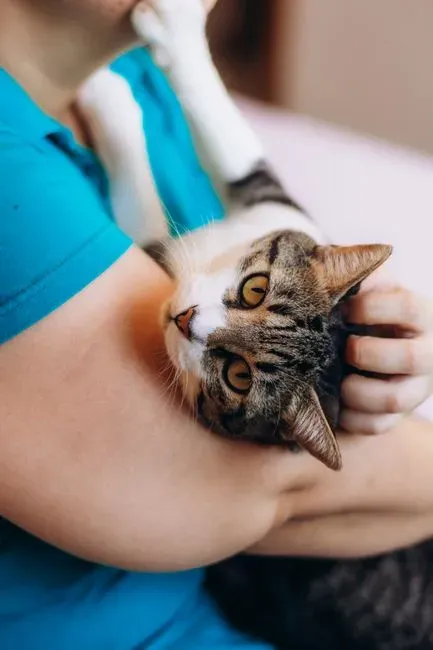
For years cats had a reputation for being aloof. A 2019 study from Oregon State University, published in Current Biology, tested the attachment style of cats using a separation and reunion setup adapted from infant research. About two thirds of the cats showed a secure attachment to their caregiver, a share similar to that seen in human infants.
That finding doesn’t prove every nap on your chest is about love. It does suggest that many cats form real emotional bonds with their people, so seeking closeness isn’t just about borrowing heat. Researchers are still working out how individual temperament and early life shape these differences.
Scent, Territory and Shared Identity


Cats rely heavily on smell. When one rubs against you or lies across you, it deposits its own scent from glands on the face and body. Over time you pick up a familiar smell that tells the cat you belong to its world.
Partner offer

You also smell like home. Sleeping on you, or on a pillow or shirt you’ve worn, surrounds the cat with a scent it associates with safety. Some veterinarians suggest this is one reason cats gravitate toward your side of the bed instead of an empty one.
The Comfort of a Heartbeat and Gentle Rhythm

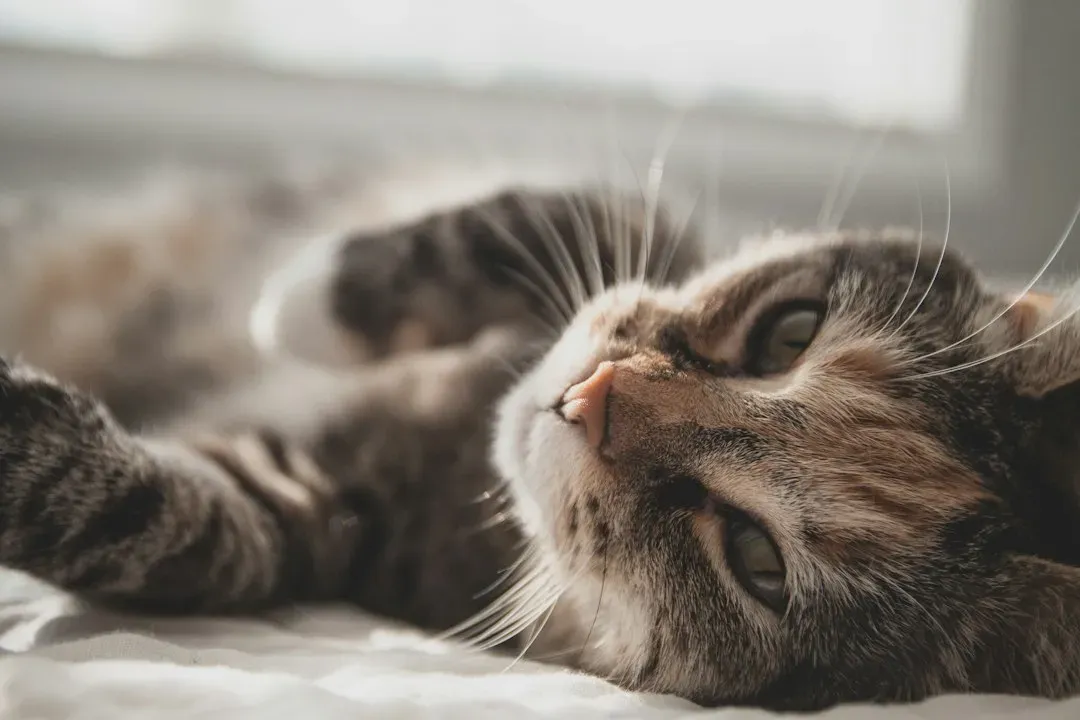
Many owners notice their cat settling on the chest or stomach. The slow rise and fall of breathing, along with a steady heartbeat, may feel soothing. This idea is widely repeated by vets and behaviorists, though it hasn’t been tested in rigorous trials.
Purring may add to the effect. Cats purr when content, but also when stressed or unwell, which is why it isn’t a perfect mood signal. Claims that purring frequencies speed up healing remain debated, so it’s wise to treat them as interesting rather than proven.
Routine, Schedules and Attention

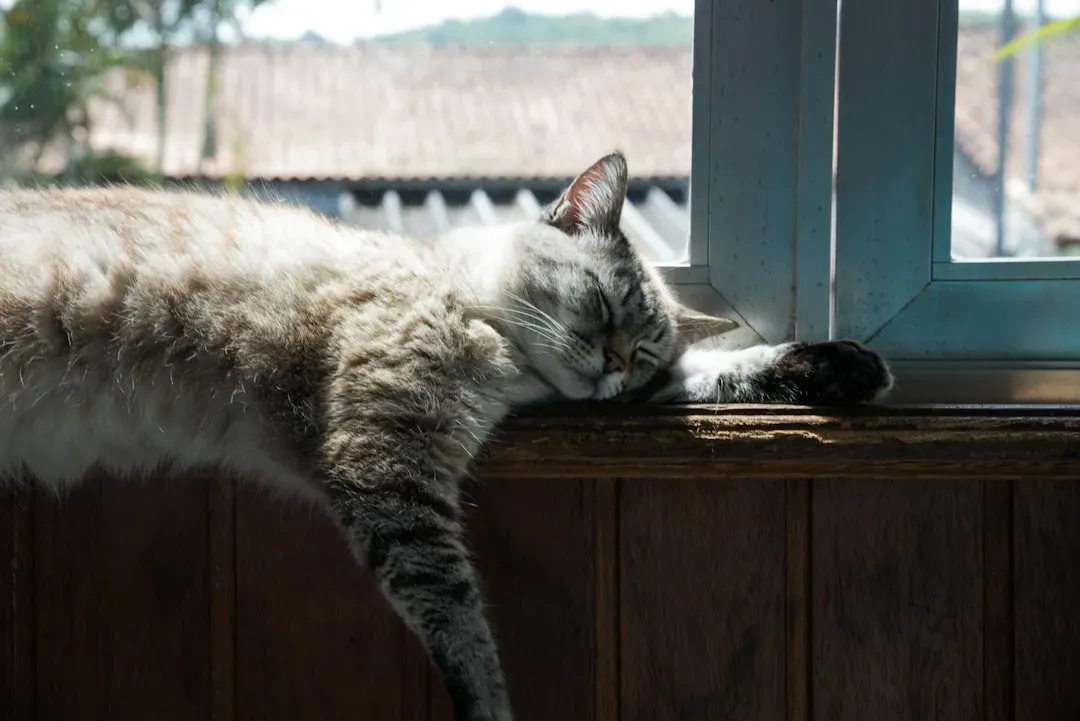
Cats are crepuscular, meaning most active around dawn and dusk. They also sleep a great deal, typically somewhere between twelve and sixteen hours a day, and some sleep even more. Those long rest periods give them plenty of opportunities to choose a favorite spot.
If you’ve ever responded to a cat on your lap with petting or soft words, you’ve probably reinforced the habit. Cats learn quickly which behaviors earn attention and comfort. Over weeks, a casual nap can turn into a nightly ritual.
When Clinginess Might Signal a Problem


Most lap sleeping is healthy. A sudden, marked change is a different matter, such as a normally independent cat who becomes unusually clingy or one who suddenly avoids contact. Vets say shifts in behavior can be early signs of pain, stress or illness.
Warning signs worth mentioning to a veterinarian include changes in appetite, litter box habits, grooming or energy. An older cat seeking warmth more than before may have arthritis or a thyroid problem, among other possibilities. A checkup can sort out whether it’s comfort seeking or something medical.
Sharing Your Bed Safely

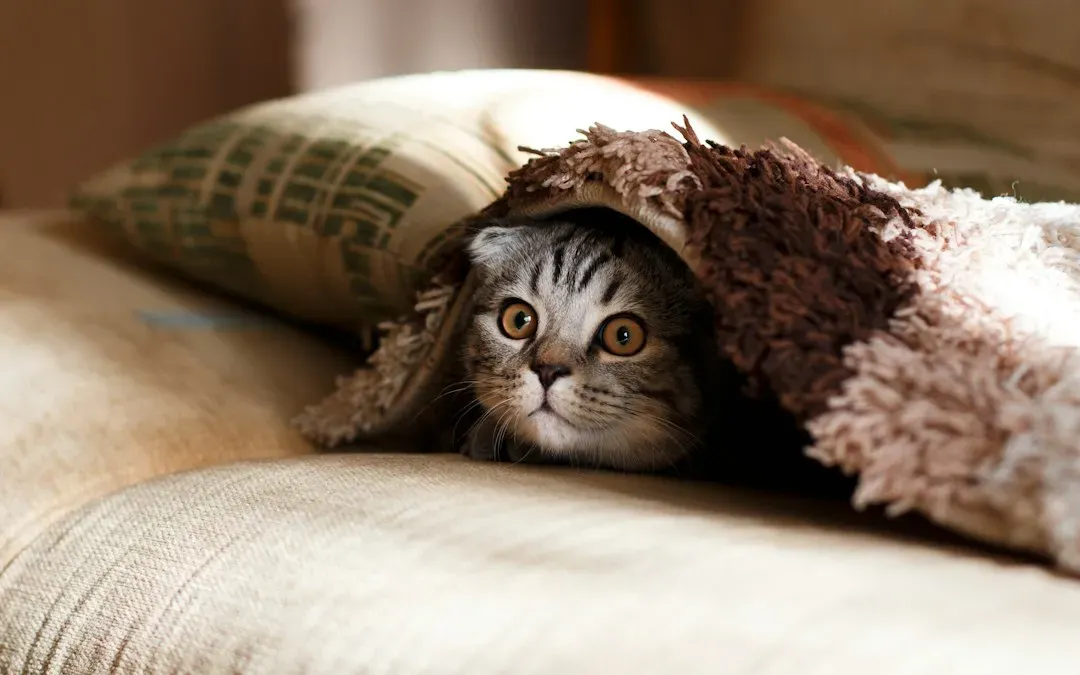
For most healthy households, cats in bed are fine. Public health agencies such as the Centers for Disease Control and Prevention note that close contact with pets carries a small risk of passing along germs and parasites. Keeping your cat on regular flea prevention and up to date on veterinary care lowers that risk.
People with allergies, asthma or weakened immune systems may want to talk with their doctor before sharing a bed. Wash bedding regularly, and consider a cozy cat bed near you as a compromise if sleep quality suffers. Many owners find that a heated pad close by satisfies the cat without crowding the pillow.
The Short Version

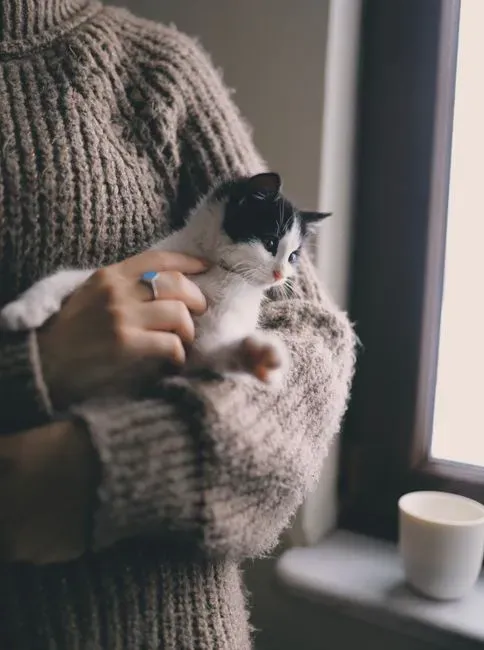
Cats sleep on their owners for warmth, security, familiar scent and learned habit, and research suggests many are genuinely attached to their caregivers. The behavior is usually harmless and often a good sign of trust. A sudden change in how much a cat seeks contact is worth a call to the vet.
Partner offer
Planning a trip to Vegas?
Compare hotel rates and show tickets on VEGAS.com.