Oscar night has a way of feeling final. A name is read, a statue is handed over, and the winner gets a permanent line in the history books.
Time is less tidy. Some champions have aged into easy targets, while the films that lost have often become the ones people actually rewatch. Here are nine Best Picture winners whose reputations have shifted since the trophy was handed out.
Crash (2005)


Crash won Best Picture at the ceremony held in 2006, and it did so over Brokeback Mountain. That result is still remembered as one of the most debated upsets of the modern Oscars. Brokeback had collected major precursor awards and won Best Director for Ang Lee, which made the final category feel even more surprising.
Looking back, critics have often described Crash as heavy handed in how it handles race, with coincidences that feel staged rather than observed. Paul Haggis directed and co wrote it, and the film is now commonly named in lists of the weakest winners. Brokeback Mountain, by contrast, has only grown in stature and is regularly cited as a landmark of mainstream queer cinema.
Green Book (2018)


Green Book took Best Picture at the ceremony held in 2019 and also won Best Original Screenplay and Best Supporting Actor for Mahershala Ali. It was directed by Peter Farrelly and follows a road trip between pianist Don Shirley and his driver, Tony Lip. Audiences responded warmly, yet the film drew pushback almost immediately.
Members of Shirley’s family disputed how the film portrayed him and his relationship with his own community. Critics also called the story a comfortable, white perspective take on racism in the American South. Many now point to Roma and BlacKkKlansman, both nominated that year, as the stronger works.
Shakespeare in Love (1998)

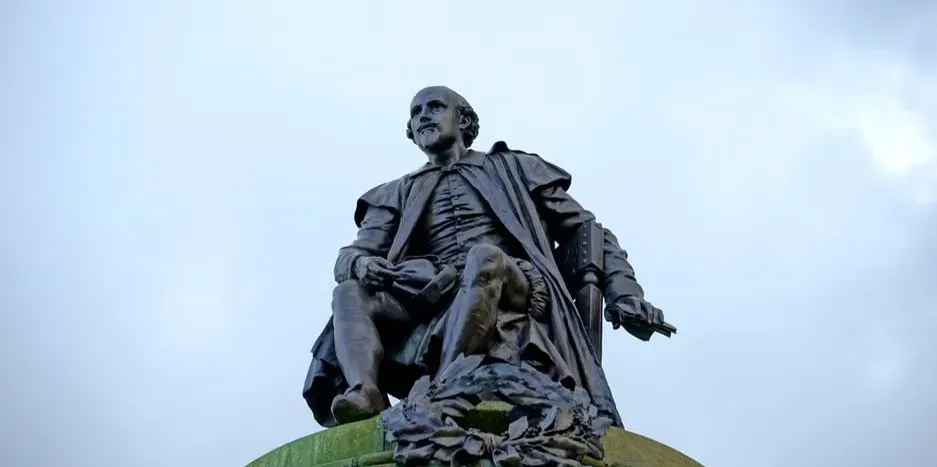
Shakespeare in Love beat Saving Private Ryan for Best Picture at the ceremony held in 1999, which shocked plenty of people who expected Steven Spielberg’s war film to win. The movie is witty and nicely made, and it also won Gwyneth Paltrow the Best Actress award. Still, the victory has come to symbolize a very particular kind of awards campaign.
Miramax, led by Harvey Weinstein, ran an aggressive push for votes, and that history has colored how the win is remembered. After Weinstein’s downfall in 2017 and 2018, the victory looked even less innocent in hindsight. Saving Private Ryan, meanwhile, is widely treated as the more enduring film.
Driving Miss Daisy (1989)

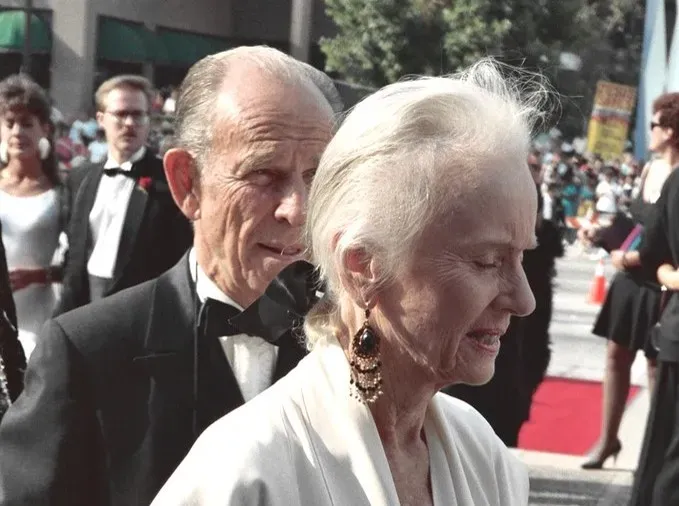
Driving Miss Daisy won Best Picture at the ceremony held in 1990, even though its director, Bruce Beresford, was not nominated for Best Director. That rare mismatch has long been pointed to as a sign of a lukewarm victory. Jessica Tandy won Best Actress for her performance, and the film had a loyal audience.
Over the years, critics have argued that its gentle treatment of a Black chauffeur and his white employer avoids the harsher realities of the era. Spike Lee’s Do the Right Thing, released the same year, did not earn a Best Picture nomination. That omission is now frequently used as the clearest evidence of what the Academy overlooked.
Partner offer

Forrest Gump (1994)

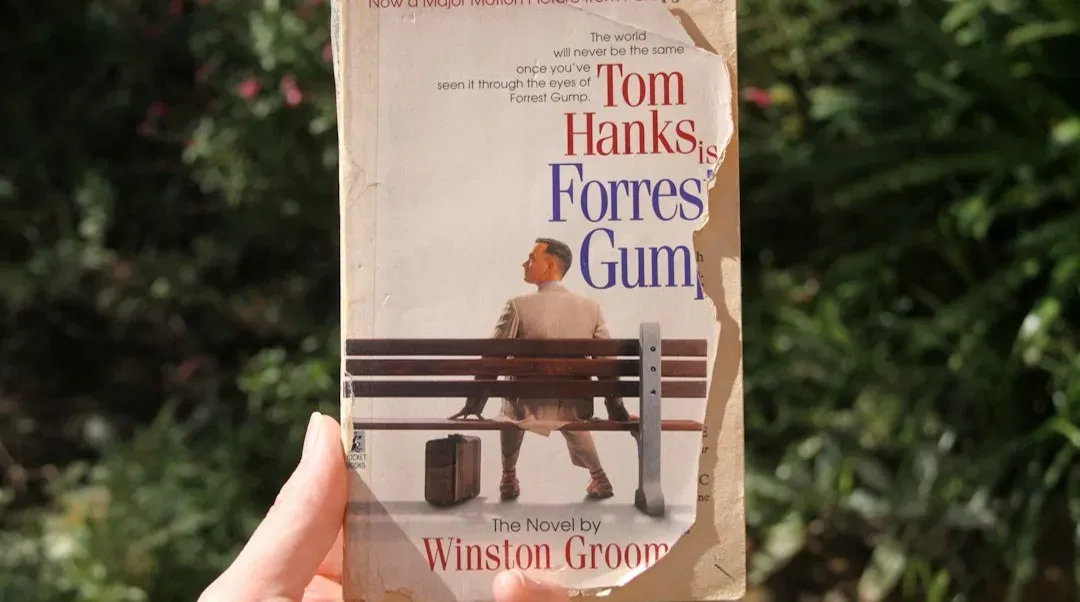
Forrest Gump was a huge hit and won Best Picture at the ceremony held in 1995, along with Best Actor for Tom Hanks and Best Director for Robert Zemeckis. It beat Pulp Fiction and The Shawshank Redemption in the top category. At the time, the win did not seem especially controversial.
The ground has shifted since. Shawshank received seven nominations and won none, yet it has become one of the most beloved films ever made, while Pulp Fiction reshaped independent filmmaking. Some critics have also revisited Forrest Gump’s politics and its sentimental view of history, though plenty of viewers still love it.
Braveheart (1995)


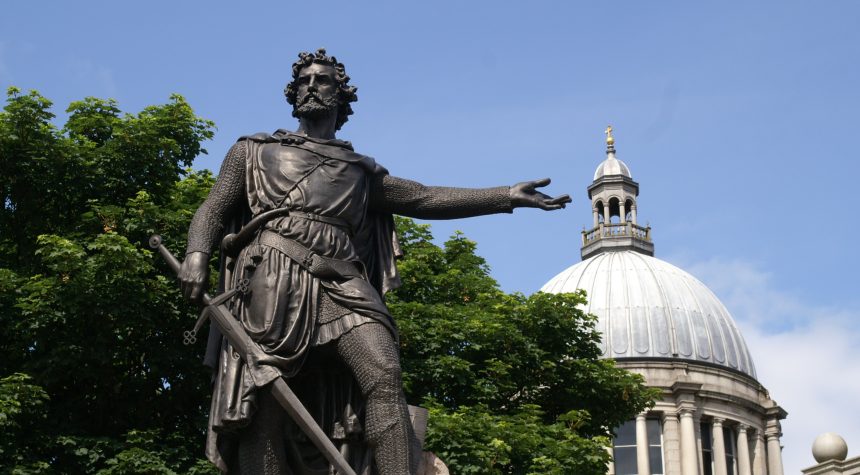
Braveheart won Best Picture at the ceremony held in 1996, and Mel Gibson took home Best Director for it. The film is a sweeping, bloody epic about the Scottish rebel William Wallace. It was admired for its battle scenes and emotional pull.
Historians have long criticized its liberties with the facts, and some of its dramatic choices are now treated as more myth than record. Gibson’s later public controversies have also affected how some viewers revisit it. Even so, the filmmaking craft still gets credit, so the reappraisal is mixed rather than a clean fall.
The Greatest Show on Earth (1952)


Cecil B. DeMille’s circus epic won Best Picture at the ceremony held in 1953. It beat High Noon and The Quiet Man, both of which are far more widely admired today. For decades it has been used as a standard example of a weak winner.
Critics tend to describe it as a big, glossy spectacle with a thin story. It does have a place in history as a crowd pleaser that drew on real circus talent and scale. Still, in conversations about the best films of its year, it rarely gets a mention.
How Green Was My Valley (1941)


John Ford’s drama about a Welsh mining family won Best Picture at the ceremony held in 1942. It also won Best Director for Ford. Its competition included Citizen Kane and The Maltese Falcon, which is why its victory is so often brought up.
Citizen Kane earned only one Oscar, for Original Screenplay, but it went on to be ranked among the greatest films ever made in numerous critics’ polls. How Green Was My Valley is still respected as a skilled, emotional piece of studio filmmaking. The reassessment is less about it being bad and more about how dramatically Kane’s reputation grew.
Dances with Wolves (1990)


Dances with Wolves won seven Oscars at the ceremony held in 1991, including Best Picture and Best Director for Kevin Costner. It beat Martin Scorsese’s Goodfellas, a result that many film fans still bring up with frustration. The film revived interest in the Western and was a major commercial success.
Critics today often debate its white savior storyline, even though it gave significant screen time to Lakota language and culture. Goodfellas, meanwhile, is regularly named as one of the finest crime films ever made. The two titles now stand as a standard example of popularity at the time versus long term influence.
Partner offer
Planning a trip to Vegas?
Compare hotel rates and show tickets on VEGAS.com.