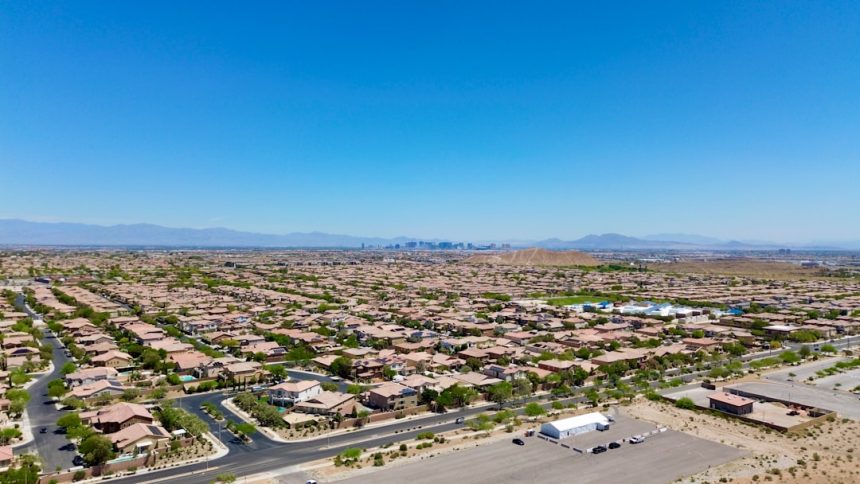
It’s not a decision you make overnight. Moving out of one of the most celebrated master-planned communities in the country feels a little like leaving a prestigious club. People raise an eyebrow. They ask, “Why would you leave Summerlin?” And honestly, for a while, I asked myself the same thing.
The truth is, the Las Vegas Valley is changing fast – faster than most people realize. New neighborhoods are rising almost overnight in the northwest, price tags in established zip codes keep climbing, and more and more families are quietly making the same calculation I did. So here’s the full story: the reasons I left, the things I genuinely miss, and everything in between.
The Summerlin Dream – And Why It Started Feeling Expensive

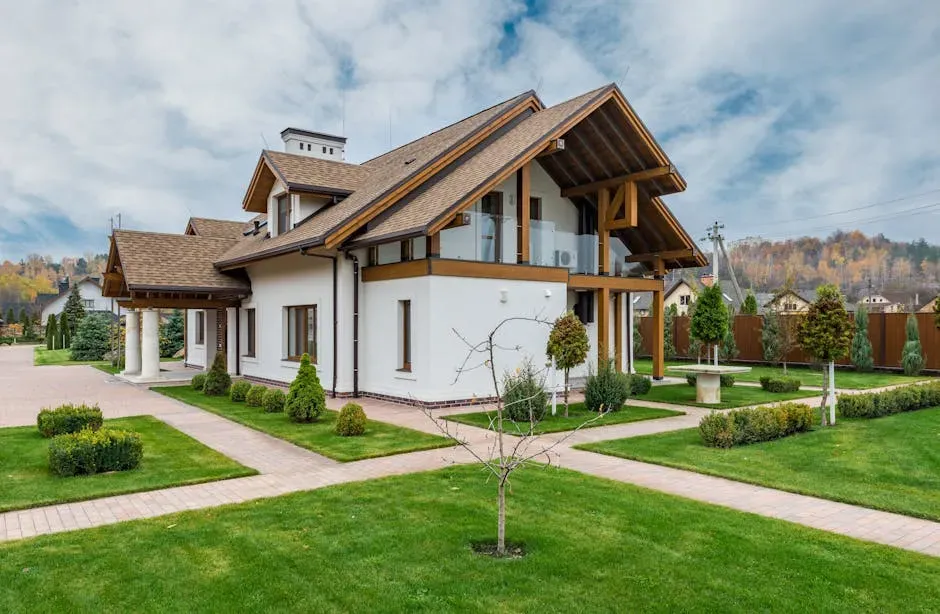
Let’s be real: Summerlin is extraordinary on paper. In Summerlin, the median home price has grown to approximately $600,000, reflecting a five percent year-over-year increase. That’s not a small number, and for many families, it’s the kind of figure that quietly shifts your monthly budget in ways you don’t fully feel until the bills start landing. I remember looking at my mortgage statement one month and just sitting there for a second.
Summerlin continues to be more expensive than the Las Vegas average, driven by higher real estate prices, luxury amenities, and meticulously maintained neighborhoods. While residents enjoy superior parks, schools, and healthcare, these benefits come at a premium. It’s a trade-off that works beautifully for some people. For others – and I was slowly becoming one of them – the math just stops adding up.
The Northwest Valley Was Growing Whether I Noticed or Not

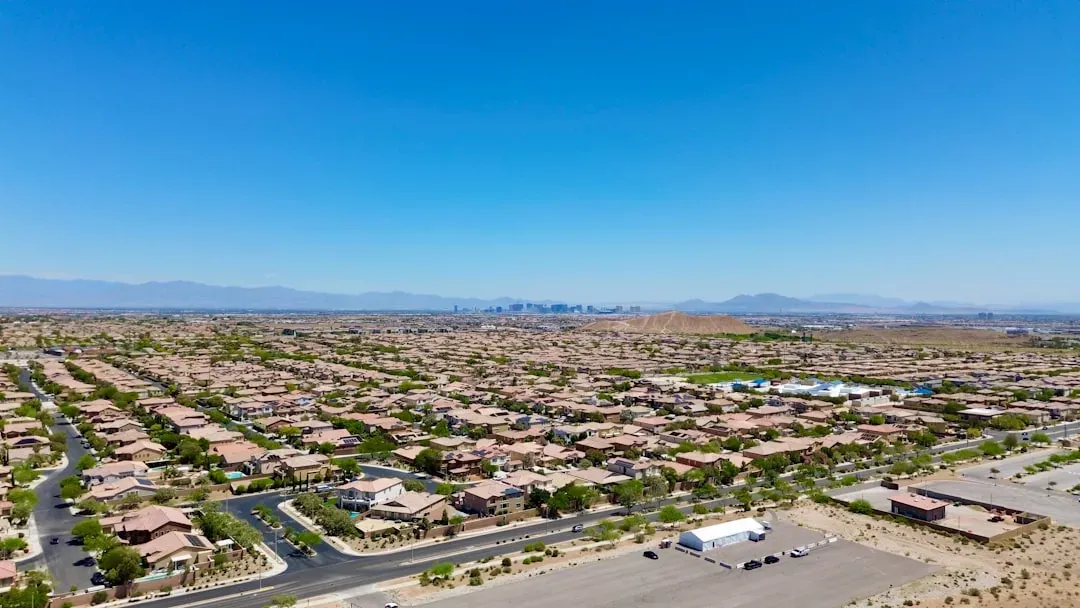
While I was comfortable in Summerlin, the northwest valley was quietly exploding. ZIP code 89166, covering Mount Charleston, Providence, Skye Canyon, and Kyle Canyon, led the entire Las Vegas Valley with 1,772 homes sold in 2024. That’s not a neighborhood on the fringe. That’s a neighborhood in motion. When sales volume like that happens, it signals real demand, real families, real community formation.
There are big plans for the northwestern portion of the Las Vegas Valley over the next quarter century, including thousands of new homes and a major resort-casino by Station Casinos. The city of Las Vegas released a detailed draft plan in December that looks to guide development as the community could add roughly 14,500 new housing units over 411 acres over the next 25 years. I know it sounds crazy, but when I read that, something clicked. This wasn’t a gamble on an undeveloped wasteland. This was a deliberate, planned city expansion with serious investment behind it.
The Price Gap Was Too Good to Ignore

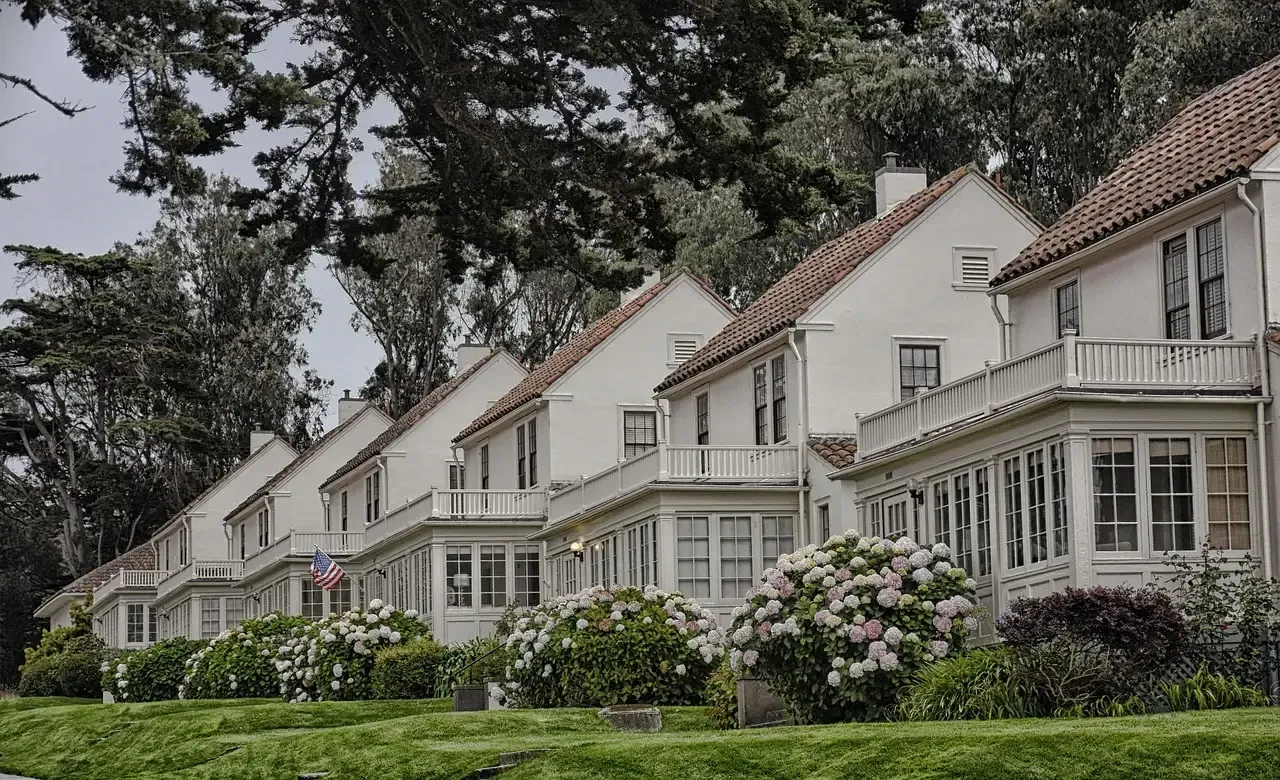
Here’s the thing that really got me moving. Centennial Hills offers similar quality homes to Summerlin at approximately ten to twenty percent lower prices. While Summerlin has higher prestige, a better Strip commute, and more extensive retail, Centennial Hills provides comparable northwest living benefits at more accessible price points for families seeking value. Ten to twenty percent sounds manageable in the abstract, but on a $600,000 home? That’s potentially $60,000 to $120,000 of real money.
Centennial Hills is an established northwest Las Vegas community with homes ranging from $375,000 to $800,000, offering mature landscaping, quality schools, extensive retail, and a family-friendly atmosphere with easier commutes than newer northwest developments. The range there is important. You’re not locked into a single price tier. There’s genuine choice. That flexibility, honestly, was part of what sealed the decision for me.
A Community That Actually Feels Finished

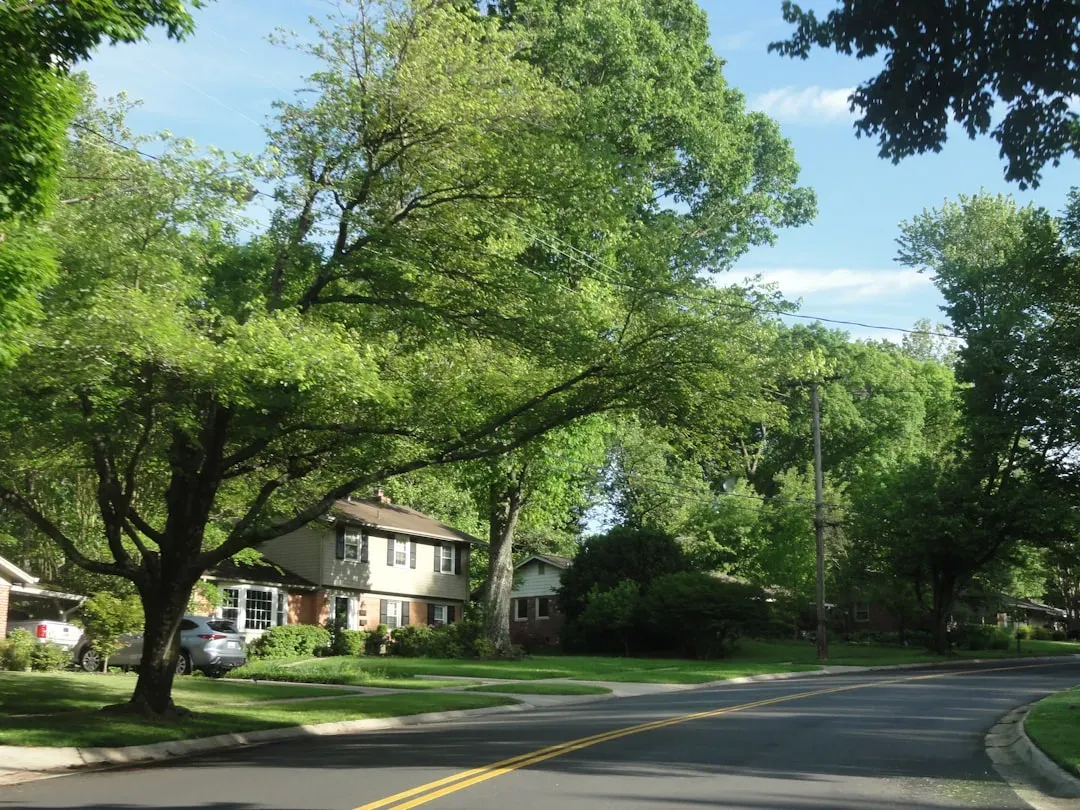
One thing nobody tells you about moving to a brand-new neighborhood is that “new” sometimes means living inside a construction zone for two years. I’ve seen friends do it. It’s not fun. As one of the valley’s most sought-after suburban areas, Centennial Hills provides the benefits of northwest living without the construction-zone feel of still-developing communities. Unlike still-developing Skye Canyon or Providence, Centennial Hills is largely built out. Mature trees and landscaping, established neighborhoods, and completed infrastructure mean you’re not living in a construction zone.
There is something genuinely underrated about moving into a neighborhood where the trees have already grown tall, the sidewalks don’t end abruptly in sand, and the parks are actually open. Centennial Center provides extensive shopping and dining within the community, including Target, Costco, Home Depot, numerous restaurants, and services. For daily errands, that’s everything you actually need.
The Commute Trade-Off – Honest Talk

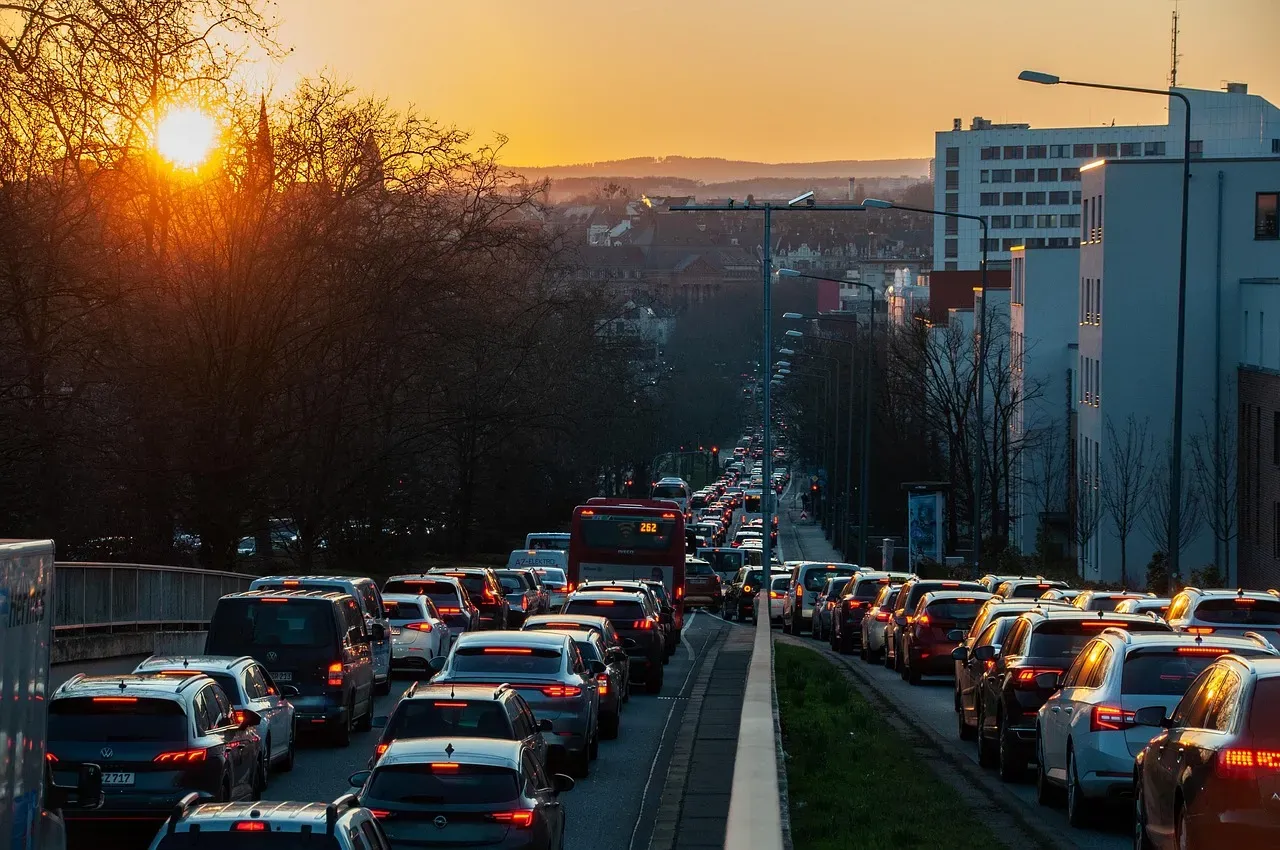
I won’t pretend there’s no commute difference, because there is. Summerlin’s location gives it a real edge for Strip workers. The commute from Centennial Hills to the Las Vegas Strip takes approximately 20 to 30 minutes via US-95. The airport is 25 to 35 minutes away, while Downtown Summerlin is closer at just 15 to 20 minutes. For someone working remotely or in the northwest corridor, those numbers are genuinely fine. For Strip shift workers dealing with odd hours, it’s a different calculation.
It’s hard to say for sure how much commute time really costs a person over years in terms of quality of life, but I think most people underestimate it in both directions. I work hybrid, so the extra minutes felt manageable. Centennial Hills is best suited for those working in the northwest valley, Summerlin area, or with remote work arrangements rather than Strip shift workers. That’s genuinely honest advice. Know your situation before you move.
The Outdoor Access Is Different – Not Worse, Just Different

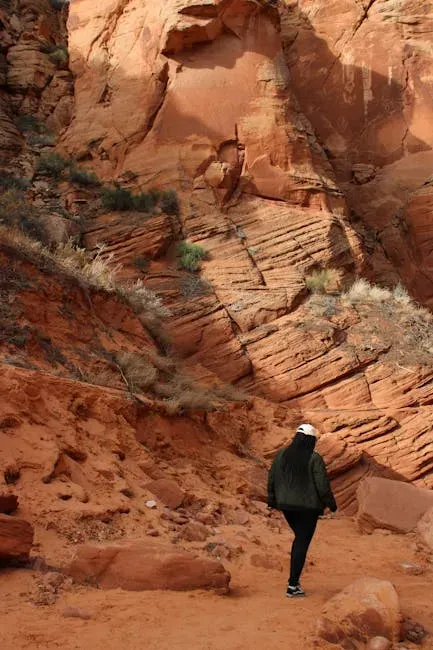
One of Summerlin’s most iconic features is its closeness to Red Rock Canyon. From Summerlin, the drive to Red Rock takes roughly ten to fifteen minutes depending on your starting point within the community. That proximity is legitimately spectacular, and more than three million visitors each year enjoy the spectacular desert landscape, climbing and hiking opportunities, and interpretive programs sponsored by the BLM. Living that close to something that draws millions of people is a real and daily privilege.
In the northwest valley, the outdoor equation shifts slightly. You trade a quick morning hike at Red Rock for open desert views, proximity to Mount Charleston, and a less congested, more frontier-like feel to the landscape around you. Skye Canyon sits between the lights of Las Vegas and the great outdoors of Mount Charleston. It’s a different kind of outdoor experience, less curated, more wide-open. I’ve come to love that. Still, I won’t lie – I miss the Red Rock drives on a cold Saturday morning.
Skye Summit and the Next Wave of Growth

One of the reasons I feel good about this move long-term is what’s coming next. Tucked at the end of Centennial Parkway and west of nearly everything in the valley will stand a new Las Vegas master-planned community named Skye Summit, which will be home to roughly 3,000 homes. That’s a significant addition to the area, and it points to where the valley’s growth energy is concentrated right now.
Situated near the fast-expanding Centennial Hills area, Skye Summit will join other master-planned communities in reshaping northwest Las Vegas. Its introduction is expected to bring a significant economic boost through construction, local businesses, and an influx of new residents. Growth like this raises property values over time. Buying into an area just before it hits its development stride is, historically, a smart long-term play. I’m not saying I planned it perfectly, but the timing doesn’t feel accidental.
What I Genuinely Miss About Summerlin

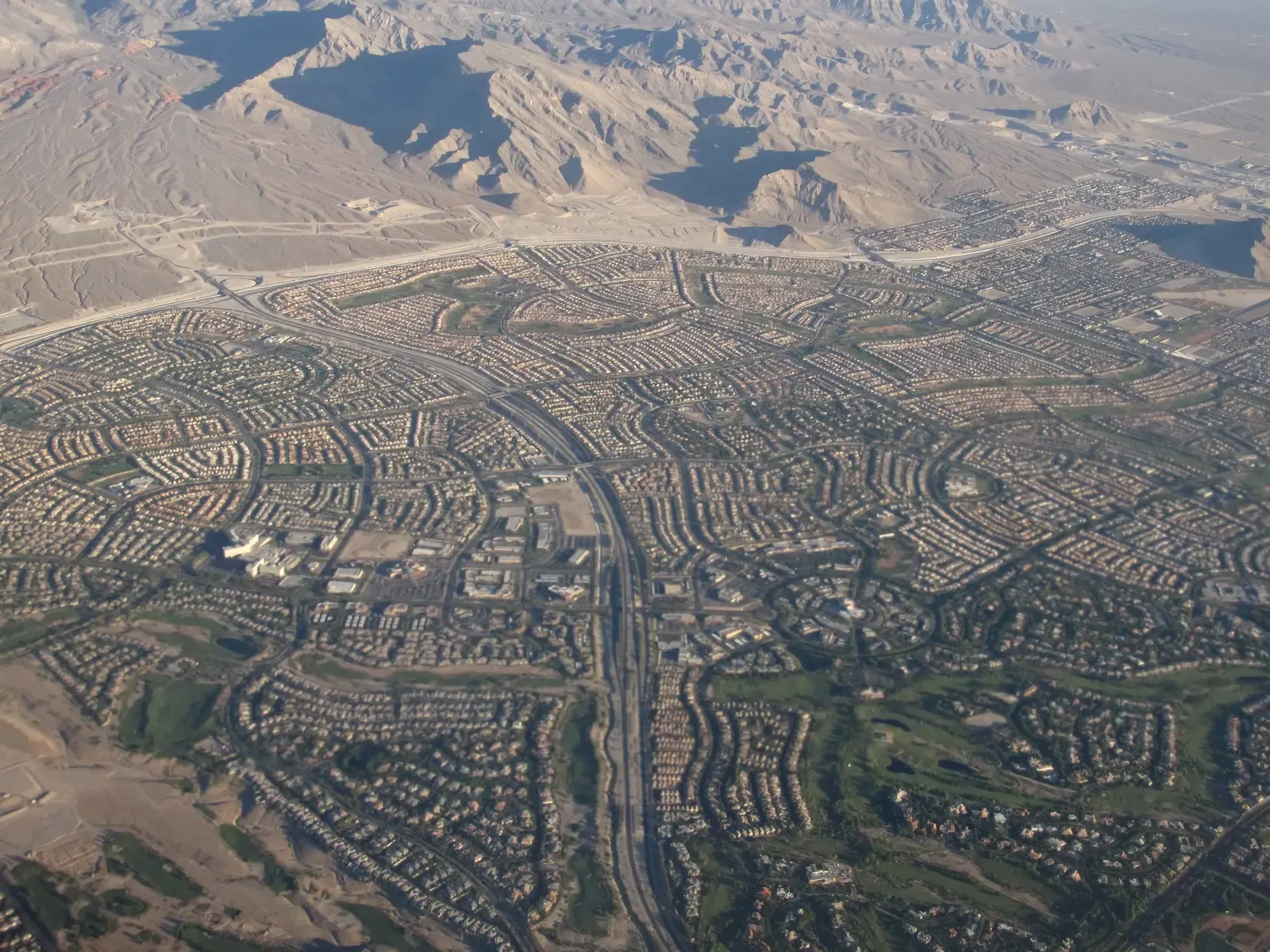
Let’s be fair. Summerlin is exceptional, and pretending otherwise would be dishonest. The Downtown Summerlin district opened in 2014 and now features over 125 shops, restaurants, and entertainment venues, making it one of the most compelling lifestyle centers on the west side of the valley. Nothing in the northwest quite matches that density of options in one walkable district. Not yet, anyway.
I also miss the feeling of polish that Summerlin carries. The landscaping, the medians, the way everything feels intentional. In 2025, Summerlin remains more expensive compared to the living costs in Las Vegas, with higher home values, elevated daily expenses, and added community fees. But residents benefit from top-tier amenities, a clean environment, and vibrant lifestyle offerings. You pay for that feeling. When I left, I noticed it immediately. Over time, the northwest has its own character that I’ve grown genuinely fond of, but I’d be lying if I said the trade wasn’t real.
Was It Worth It? Here’s My Honest Verdict

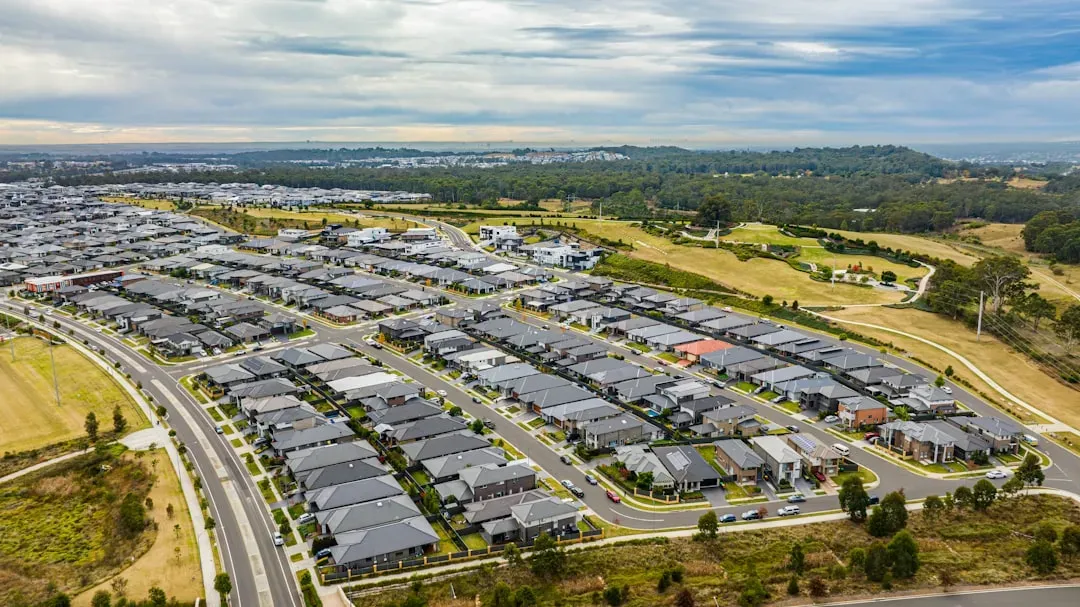
Every move is personal. But the data and the lived experience point in the same direction for someone in my situation. The northwest Las Vegas valley is entering a new era of growth in 2025, with Kyle Canyon and Skye Canyon emerging as two of the most exciting areas for development. Being part of a neighborhood in its formative growth years carries a kind of energy that established communities, for all their polish, can’t replicate. It feels like something is happening here.
The financial case was solid, the infrastructure investment was real, and the community feel surprised me in the best way. Data shows that Southern Nevada is at a deficit when it comes to housing compared to the number of people living here, so there is definitely a need for more homes. That demand isn’t going away, which means the northwest valley isn’t going anywhere but up. Did I leave something beautiful behind? Yes. Did I find something genuinely compelling in return? Also yes.
Moving is never just about square footage or zip codes. It’s about what kind of life you’re building, and for me, the Northwest Valley turned out to be exactly the right place to build the next chapter. What would you have chosen?