The Irritation Index: How Tolerance Erodes Over Time
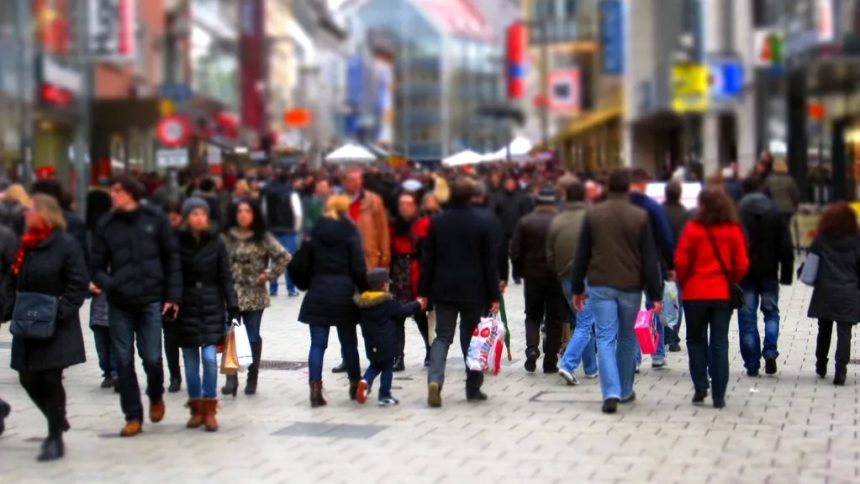
A well-known framework in tourism research, the Irritation Index, describes how residents’ attitudes toward the presence of tourists in a community change over time, moving from a welcoming acceptance to irritation and annoyance as visitor numbers rise, until eventually they result in antagonism between hosts and guests. This progression isn’t sudden. It’s the quiet accumulation of small daily frustrations: a familiar street corner that now takes twice as long to navigate, a favorite café swapped out for a souvenir shop.
Some of what we see today can be explained by this model, in which locals’ attitudes toward tourism change gradually as the number of visitors increases, diminishing their quality of life. What makes this particularly interesting from a psychological standpoint is that the tipping point is rarely one dramatic event. It’s repetition. Repeated crowding, repeated noise, repeated loss of space. At a certain point, the brain stops tolerating and starts avoiding.
Stimulus Overload: When the Brain Reaches Its Limit
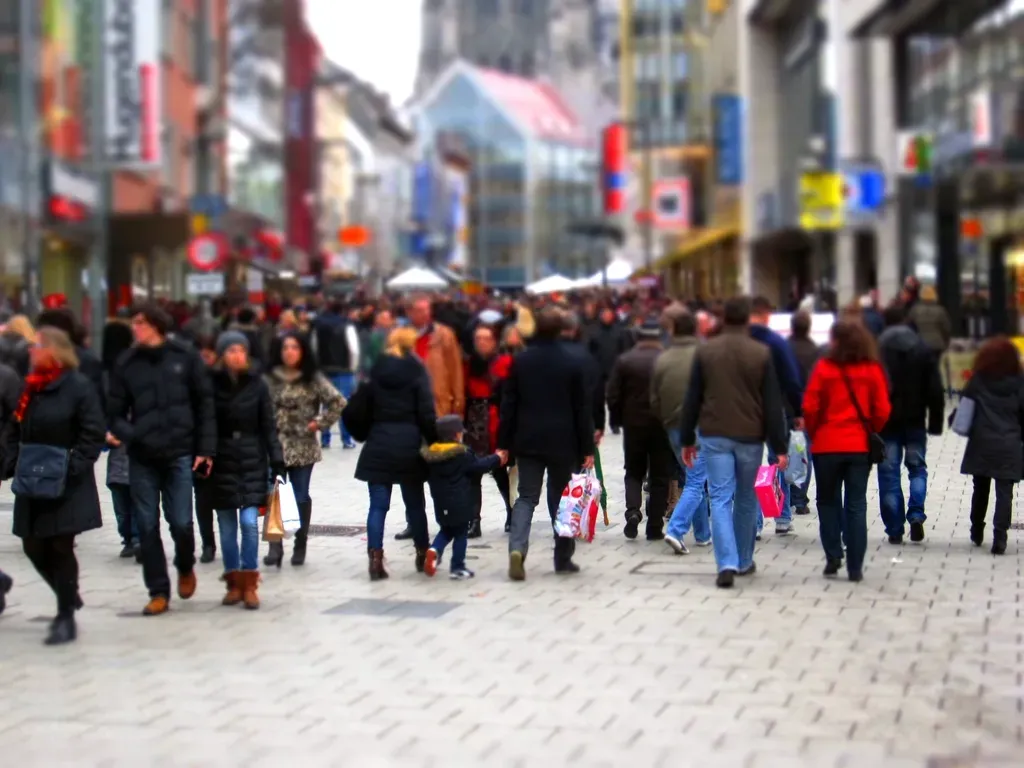
Stimulus overload theory is based on the idea that the numbers of people, their presence in a space, and their diversity can lead to psychological stress, causing affective or behavioral responses. Tourist strips are, almost by design, environments built to maximize stimulation: bright signage, loud ambient noise, dense foot traffic, and relentless commercial activity. For a visiting traveler spending a few days, this is exciting. For someone who lives nearby, it’s exhausting.
Avoidance reactions can be expected when too many stimuli over a rapid rate of time exceed an individual’s tolerance levels, and this leads to a perceived loss of control and negative attitudes toward tourism. The brain, in trying to protect itself from constant overload, begins routing around the problem. Avoidance reactions include behaviors such as shortening length of stay, moving to other places, and withdrawing from social experiences. For locals, this often means mentally redrawing the map of their own city, cutting entire neighborhoods out of their daily routines.
Noise Pollution and the Science of Chronic Stress

Even in healthy populations, noise levels above 50 decibels can cause distress, sleep disturbances, elevated blood pressure, and tachycardia. Busy tourist strips regularly exceed that threshold by a wide margin, with levels commonly reaching the 70 to 80 decibel range. That’s not a brief annoyance. That’s a physiological stressor operating on people who live with it week after week, month after month.
Extensive research indicates that prolonged exposure to elevated noise levels is linked to a range of non-auditory effects, including mental health issues such as anxiety and depression, increased hypertension risk, and sleep disorders. Excessive noise disrupts communication between individuals and mental concentration, and triggers emotional reactions including noise annoyance. Over time, the body associates these physical reactions with the environment that produces them. The tourist strip becomes a place the nervous system actively wants to leave.
Visual Clutter and Mental Fatigue in Tourist Zones
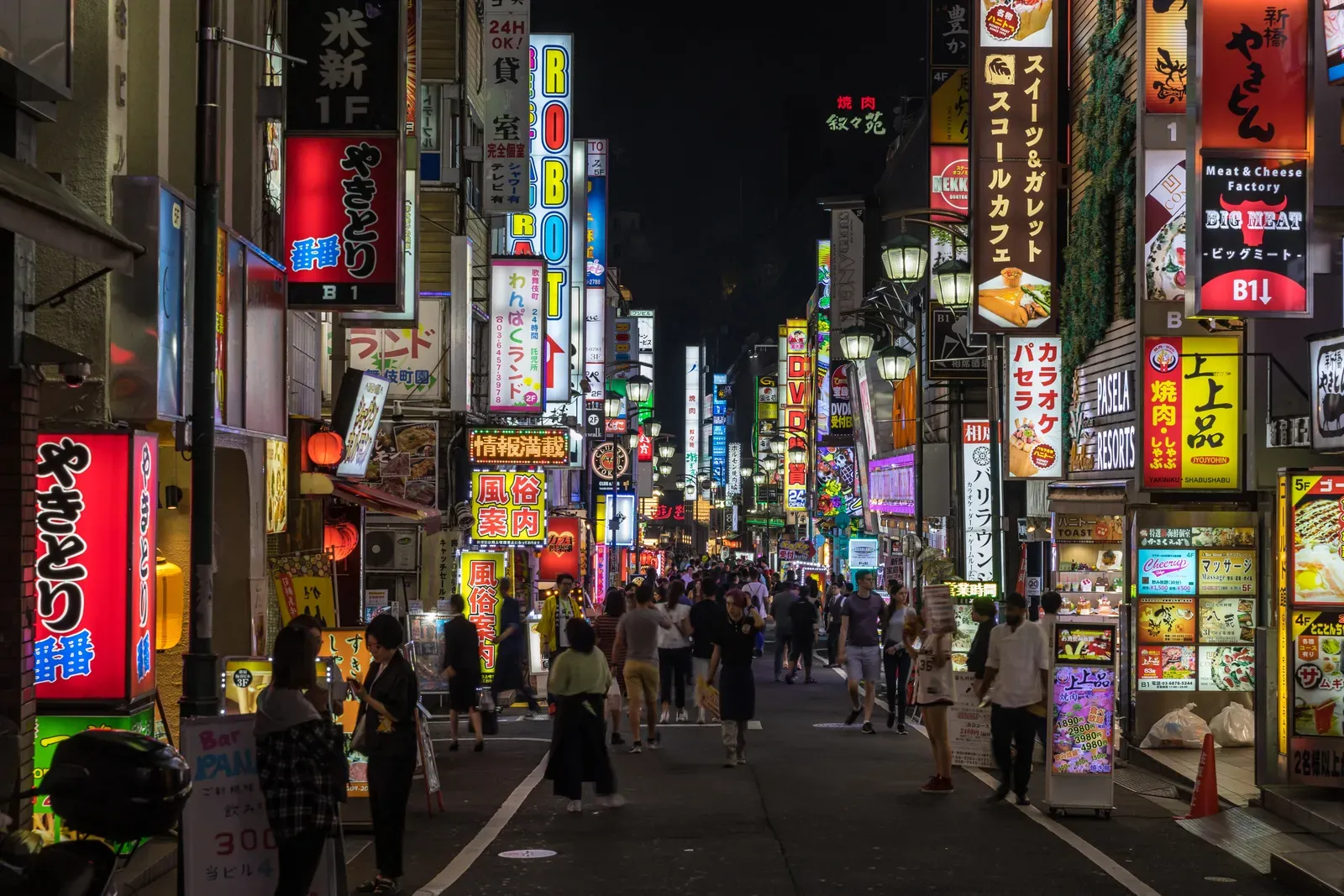
Overstimulating visual environments can contribute to cognitive overload and stress, negatively impacting mental health. Tourist districts tend to concentrate exactly these elements. Neon signs compete with banners, restaurant menus crowd the facades of older buildings, and every visible surface is fighting for attention. The combined effect of noise and visual pollution exacerbates stress levels among city dwellers.
Visual pollution affects mental well-being by causing visual fatigue and reducing the aesthetic appeal of the environment. Low-stimulus environments, by contrast, are physical spaces designed to minimize excessive sensory input, such as noise, bright lights, or visual clutter, to support mental rest and cognitive restoration. Locals who have developed an intuitive sense of this difference don’t need research to tell them what their brain already knows. They simply stop going to the places that drain them.
The Loss of Place Identity and Psychological Withdrawal
Psychological withdrawal from tourist-heavy areas can occur due to reasons such as not being able to recognize the original local character, culture, or physical space after tourism-related transformations, or feeling like a foreigner at home when surrounded by international visitors speaking other languages. This is one of the more quietly devastating aspects of touristic burnout: a person becomes a stranger in a place they’ve known for years. The geography is familiar, but the social atmosphere belongs to someone else.
Partner offer
Tourism, through a wide range of interrelated impacts, can interfere with notions of desirable place states and invoke questions of place ownership. Withdrawal would be a milder, more passive response to overtourism, more in keeping with a sentiment of sadness and resignation and a loss of place attachment than outright aversion to tourism. Most locals don’t protest in the streets. They simply stop showing up. The strip, once a familiar part of their city, becomes somewhere they pass through on the way to somewhere else.
Commercialization, Authenticity, and Emotional Detachment
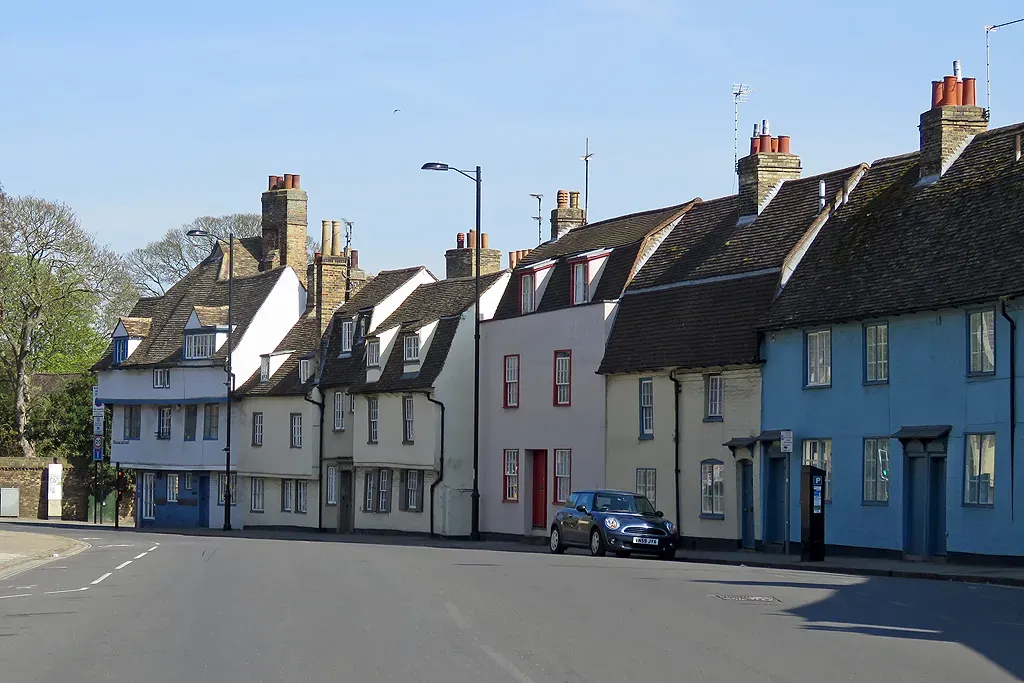
The erosion of authenticity in tourist areas can erode the sense of ownership over local heritage, and residents who feel their culture is being misrepresented will naturally feel alienated from those spaces. Studies have shown that rapid cultural shifts can trigger stress, anxiety, and a sense of loss, and the commercialization of traditions can make residents feel like their heritage is being exploited and devalued, eroding their cultural pride.
Traditional shops are often replaced by souvenir stores and chain restaurants, and some historic city centers are increasingly described by frustrated locals as a kind of theme park. When a neighborhood stops reflecting the lives of the people who live there, they stop feeling ownership over it. The emotional attachment dissolves. Tourism often commodifies and selectively presents local culture, potentially distorting its authentic meaning and eroding its significance. Once that significance is gone, locals don’t grieve it publicly. They just redirect their lives.
Crowd Dynamics and the Behavioral Shift Toward Quieter Spaces
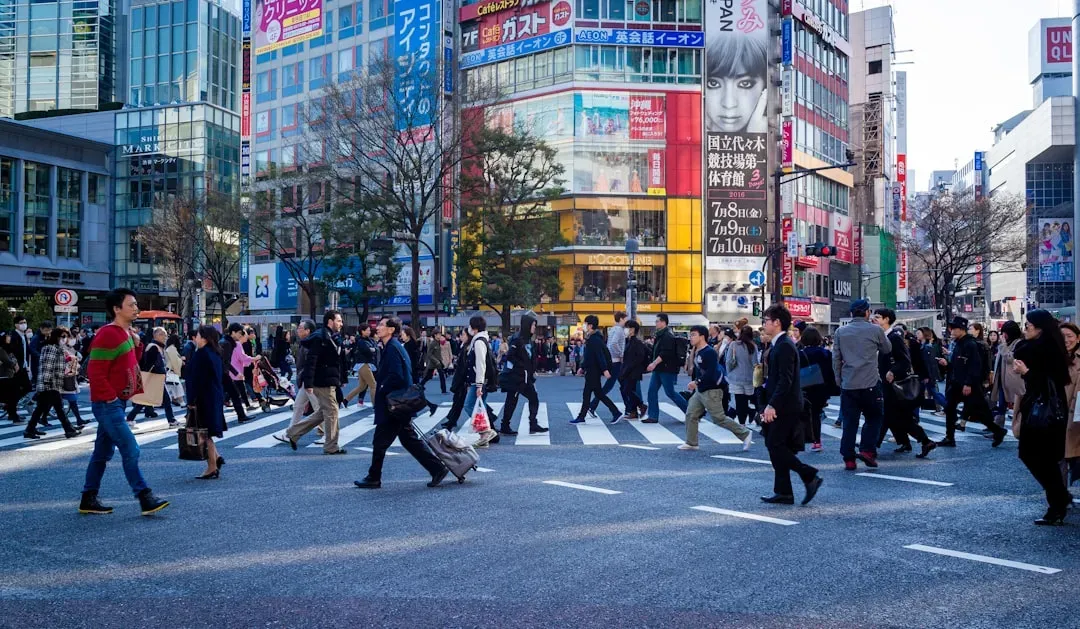
Research points to overtourism as a main significant predictor of psychological withdrawal from a destination, with residents’ feelings of detachment from the destination increasing along with the degree of overtourism they perceive. This isn’t abstract. It shows up in daily decisions: choosing a different route to work, switching grocery stores, finding a park that tourists haven’t discovered yet. Over time, those individual choices accumulate into a complete avoidance of tourist-heavy zones.
Local residents often experience antagonism and exclusion from public spaces and amenities due to overcrowding and disruption caused by tourists. The strip, which was once a shared public space, starts to feel like someone else’s territory. Despite the substantial revenue generated by tourism, many locals feel left out of the booming visitor economy, filling low-wage jobs while profits primarily benefit external investors and large corporations, and this disparity fosters resentment among residents as they feel tourism degrades their quality of life. That resentment has a very practical expression: they simply go somewhere else.
From Withdrawal to Protest: The Breaking Point
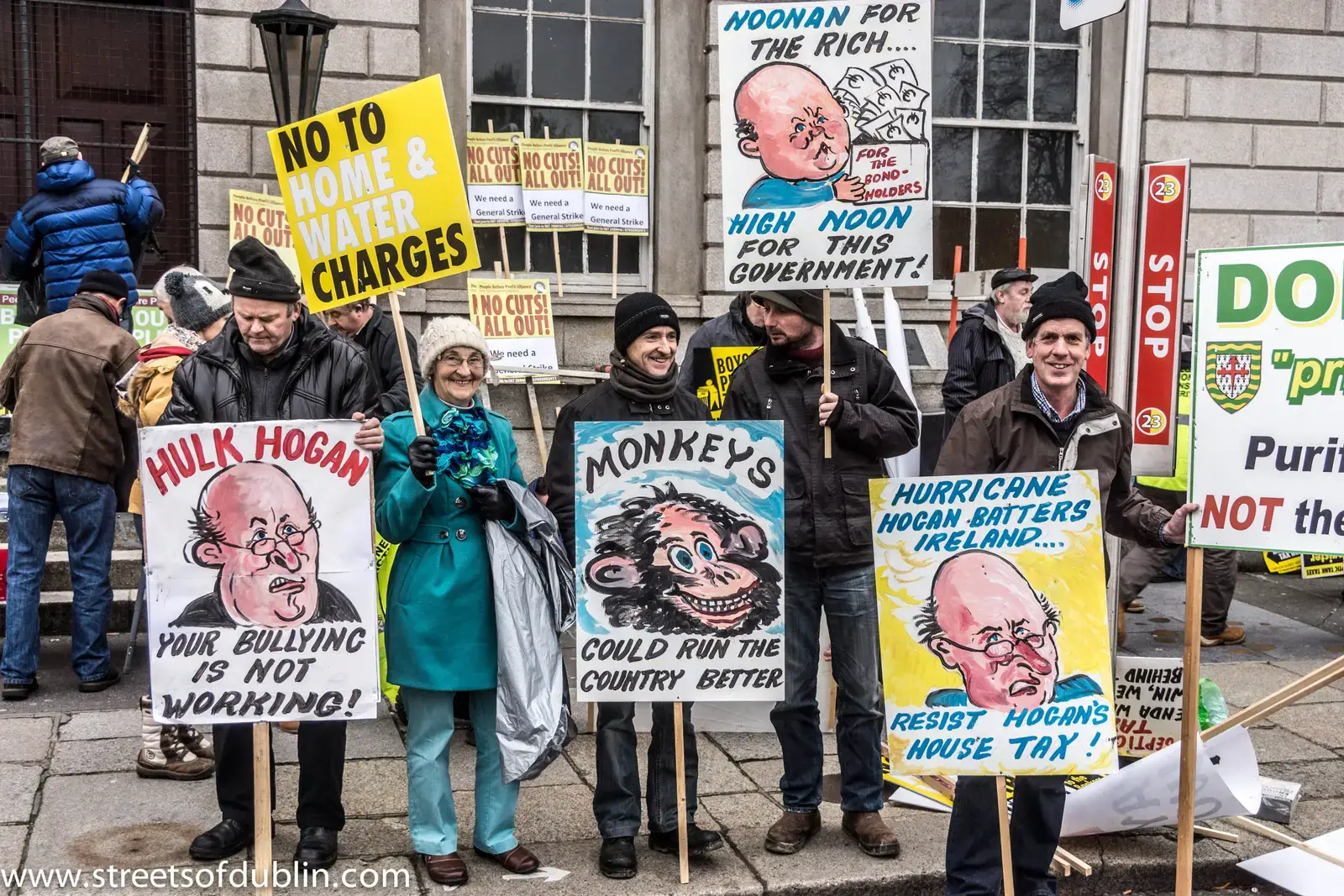
Excessive crowds can deteriorate tourist-host relationships, in some cases leading to aversion or what has been called tourism-phobia: a feeling of rejection towards tourism that manifests in the form of acts of vandalism or feelings and expressions of social discontent and discomfort due to excess tourism in public spaces. In 2024, Barcelona saw local protests over concerns that its roughly 32 million annual visitors were driving up housing costs and disrupting local life, while in Palma de Mallorca, some 20,000 people demonstrated against mass tourism.
There was a notable shift in residents’ attitudes toward tourists in cities that host millions a year, with locals in Barcelona taking to the streets and spraying water pistols at visitors while protests gripped parts of Mallorca. These are not isolated incidents of bad temper. They represent years of accumulated burnout finally breaking through the surface. Much of the recent backlash from locals is because tourism is coming at the cost of a lower quality of life and spiking housing costs, with the market for rentals shrinking and home prices rising as more properties are devoted to hospitality. Touristic burnout, in the end, is not just a personal psychological response. It’s a social pressure that eventually has nowhere left to go but outward.
Conclusion
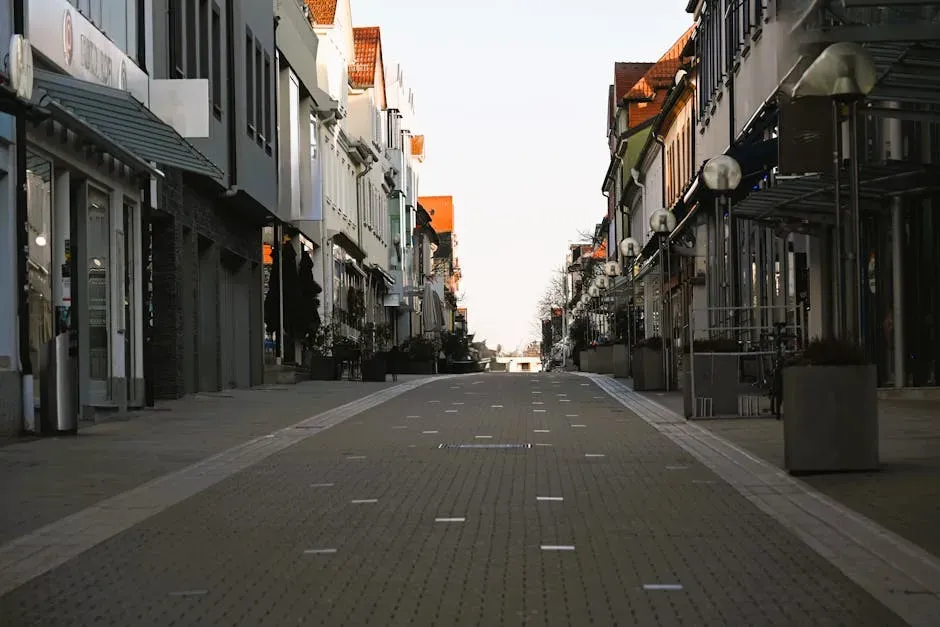
What drives locals away from the tourist strip is rarely a single dramatic moment. It’s the weight of a thousand small ones, layered over months and years. Noise that doesn’t stop. Streets that no longer feel familiar. A neighborhood that reflects someone else’s experience of a place they call home.
The psychology here is fairly consistent: when environments become chronically overstimulating and culturally unrecognizable, people protect themselves by leaving. Avoidance is not apathy. It’s an entirely rational response to a space that no longer has room for the people who actually live there. Understanding touristic burnout isn’t just useful for urban planners or tourism boards. It’s a signal that something more fundamental, about belonging, about mental space, about what makes a city livable, has quietly gone wrong.
Partner offer
Planning a trip to Vegas?
Compare hotel rates and show tickets on VEGAS.com.