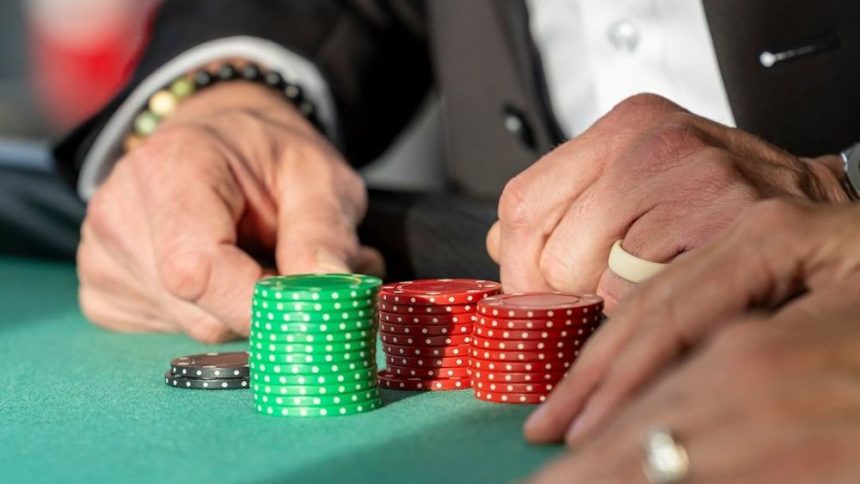
Las Vegas welcomes more than 40 million visitors to the Strip each year, placing it alongside some of the biggest tourism destinations on the planet. With that kind of foot traffic pouring through casino doors every single day, the gaming floor becomes a shared space where behavior matters more than most tourists realize. Locals know this. They’ve learned it through experience, through quiet stares from dealers, and sometimes through a floor manager appearing seemingly out of nowhere. The unwritten rules aren’t posted anywhere, but breaking them is noticed immediately.
1. Tip Your Dealer – and Do It the Right Way
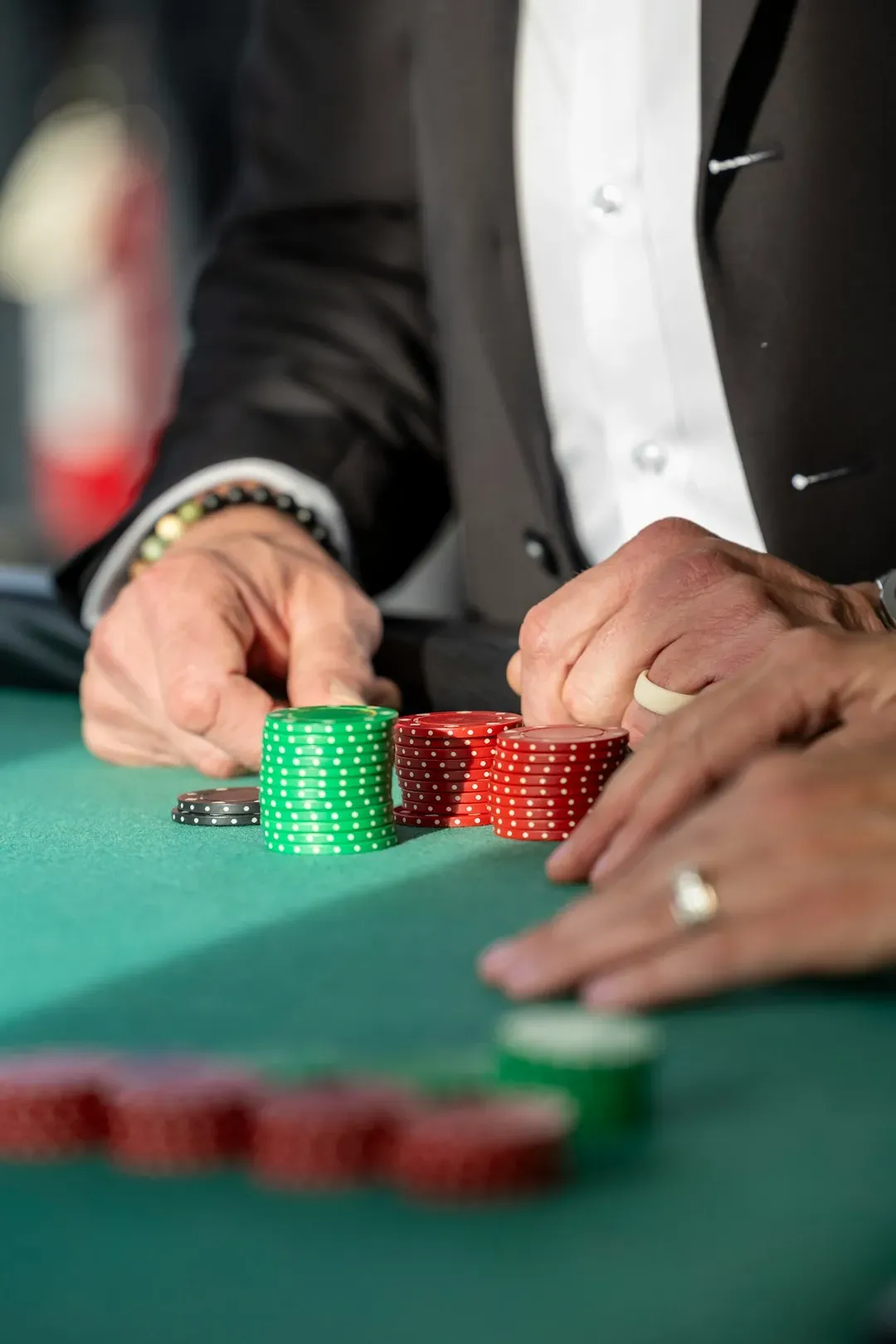
Tipping dealers isn’t just polite in Las Vegas. It’s essentially part of the culture, and how you do it signals whether you belong or not. Most US casino dealers initially earn between roughly four and nine dollars per hour, and casinos expect customers to make up the rest through gratuities. That alone should reframe how you think about sitting down at a table.
Tipping in blackjack can be done by handing chips directly to the dealer or by placing a bet in front of yours, and most players prefer making a bet for the dealer because it gives the dealer a stake in seeing them win. If you’re on a winning streak, it can be considered rude to rake up every last chip without acknowledging the dealer. A practical approach is to toss the dealer five to ten dollars for every third win, which is always appreciated but never formally expected. Locals treat tipping during play as standard, not something reserved for a spectacular run. Tourists often wait until they leave the table, or skip it entirely, and that’s noticed every time.
2. Never Join a Table Mid-Hand

Walking up to a table and jumping straight in while a hand is already being played is one of the fastest ways to irritate everyone seated. If you’re jumping into a game like poker or blackjack, it’s crucial to know what’s going on before joining, and when you’re ready, you should wait for a natural break in play before asking to be seated and letting the dealer know you’d like to buy in. This isn’t a formality. It’s about respecting the rhythm of the game and the players already invested in the current hand.
Many blackjack tables don’t allow mid-shoe entry, so you’ll often have to wait until the beginning of a new shoe, partly because the surveillance system needs to track your play from the start in case there’s an issue at the table. Locals tend to stand back, observe a round or two, and then make their move when the timing is right. Before jumping in, watching others play helps you learn the unwritten rules quickly, and you’ll pick up on habits, betting styles, and subtle cues that aren’t posted anywhere. That patience is itself a sign of someone who knows what they’re doing.
3. Know Your Hand Signals at the Table
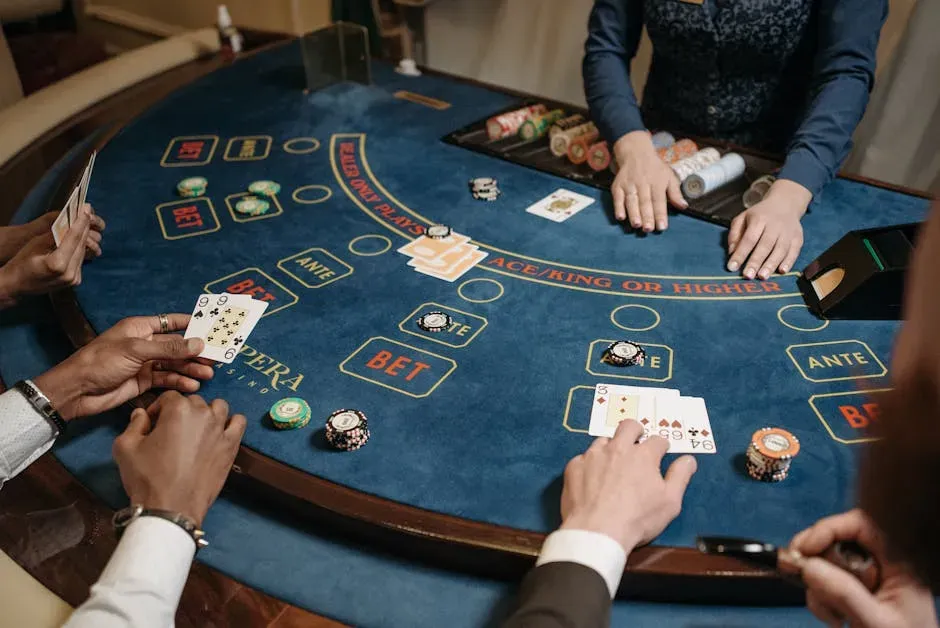
For some casino games, especially blackjack, you need to use hand signals to show how you want to play your cards, and verbal instructions alone aren’t enough. Failing to know these signals can frustrate the dealer, who otherwise has to repeatedly explain them. Tourists constantly make the mistake of simply saying “hit me” or shrugging, which slows everything down and creates confusion that the surveillance cameras also have to sort through.
In most Las Vegas blackjack games, cards come from a shoe or continuous shuffle machine. To request a card, you make a “come here” motion with your hand. To stand, you wave your hand sideways with your palm facing down. These signals need to be clearly visible to both the dealer and the security cameras. In pitch games with a single or double deck, cards are dealt face down and you hold them. To hit, you gently scrape your two cards toward you. To stand, you slide your cards underneath your bet. Knowing the difference between these two game formats before you sit down is something every local takes for granted.
4. Keep Your Hands Off the Cards in Shoe Games
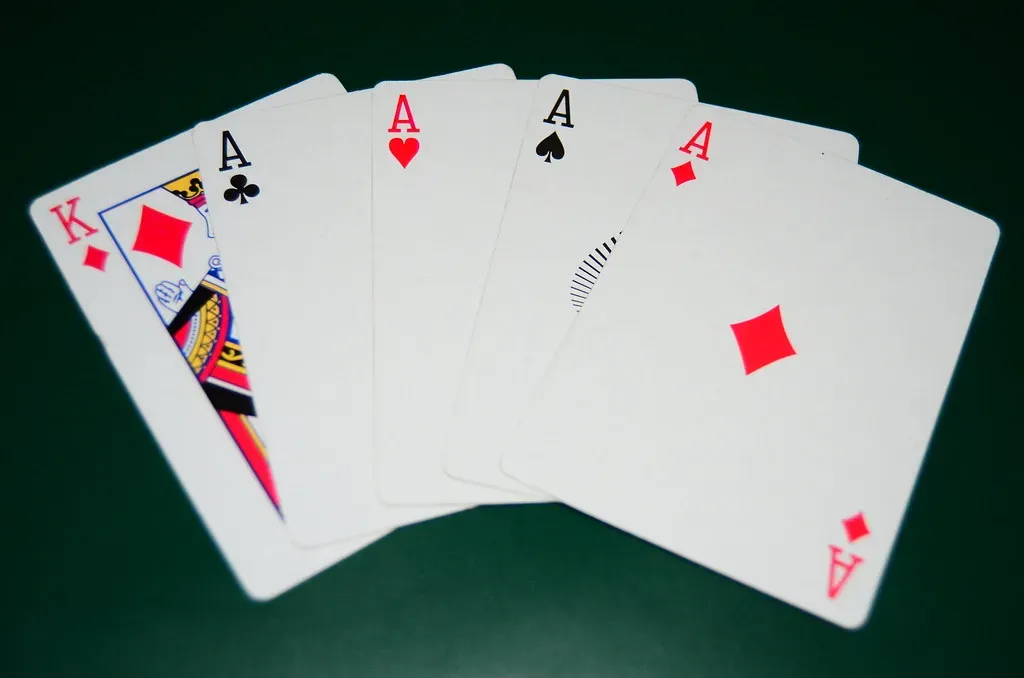
Card handling is one of the most misunderstood areas for newcomers, and getting it wrong draws immediate attention from both the dealer and the pit boss. In some games, the cards are dealt face up. If that’s the case, you should never touch your cards. The moment you reach out and grab a face-up card in a shoe game, you’ve already made one of the most glaring mistakes on the floor.
There are a lot of different rules when it comes to handling cards during a game, and breaking them will earn you a sharp correction. If cards are dealt face down, you should touch them with one hand only, and you must be gentle, never bending them or placing drinks on them. Always wait for the dealer to finish their actions before touching your cards or chips, and when placing bets, do so gently to avoid knocking over stacks or causing confusion. Proper handling keeps the game running smoothly and shows respect for everyone at the table. Locals follow these rules instinctively. For tourists, it often takes a dealer’s correction to even realize there was a rule to follow.
Partner offer
5. Put the Phone Away at the Table
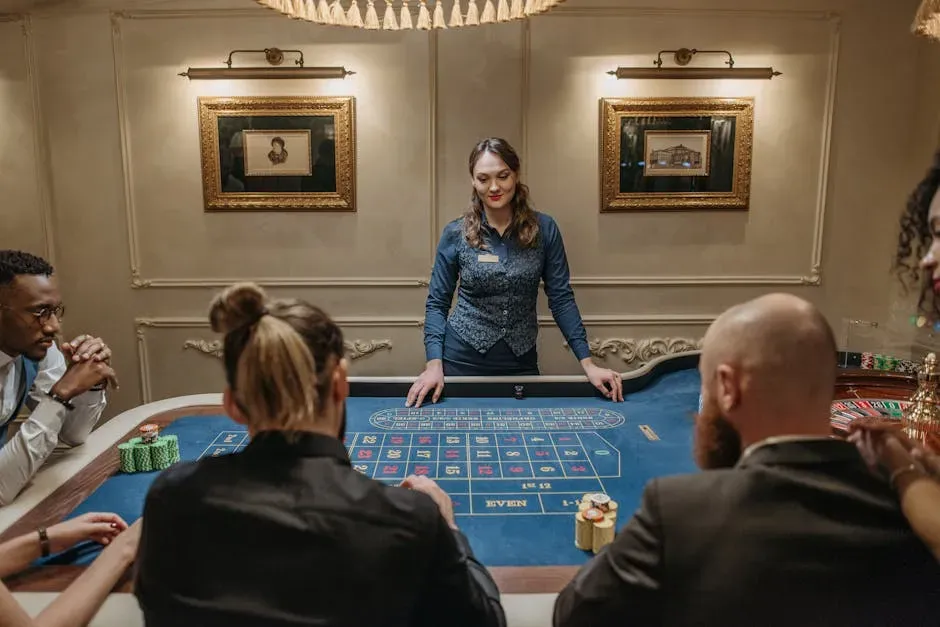
One of the most important but easily overlooked casino rules involves cell phones. Even though it may be tempting to text, talk, or take photos while gambling, it’s expected that you turn your phone off or put it away. Using your phone at the table is considered distracting and rude to everyone around you. The casino floor is not a social media backdrop, even if it looks like one to visitors stepping in for the first time.
The restriction on phones in physical casinos exists for precautionary reasons, since phones can be used to cheat games like poker, access betting guides, or communicate with other players. At MGM’s nine Las Vegas casino properties, guests can take selfies and short videos of themselves playing for personal use, but that’s a specific and relatively new allowance, not an open invitation to document every hand. The general approach is to use your phone with discretion. It’s typically fine to photograph friends at a bar or buffet, but not while they’re actively playing blackjack or hitting a slot jackpot. Locals rarely have their phones out on the floor at all.
6. Handle Your Chips Properly and Place Bets Clearly

The way you manage your chips tells dealers and other players exactly how experienced you are. Once the cards are dealt, keep things clean and smooth. Place your chips neatly when betting and never throw them or splash the pot, which means tossing chips into a messy pile. That kind of move is associated with inexperience at best and suspicious behavior at worst.
When cashing out, offer the dealer neatly stacked chips. The dealer will count them and then change them in. Casino dealers prefer patrons to trade in smaller denominations for larger ones, and following this norm signals to everyone at the table that you understand proper casino etiquette. Dealers also prefer that you exchange chips between hands rather than during active play. Tossing a pile of mixed chips onto the table mid-hand creates delays, holds up the game, and marks you immediately as someone who’s never played in a real room before. Keep things organized, and you’ll find that dealers and fellow players are far more relaxed around you.
7. Respect the Space at Slot Machines – Don’t Camp
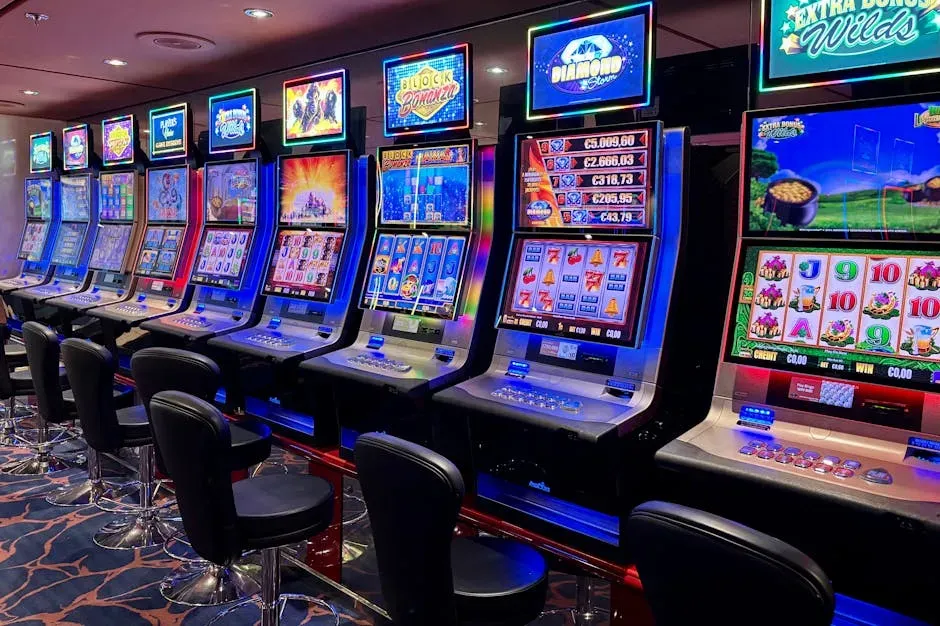
Slot machines account for the majority of gaming revenue in Las Vegas, which means the machines are the most trafficked part of any casino floor. That makes the etiquette around them more important than most tourists realize. When playing slots, it’s essential to limit your machine use to one or two at a time, particularly during peak hours when the casino is bustling. This enhances your own experience and allows more players to enjoy the games.
If you’re taking a long break, the right move is to cash out and let someone else have a turn. Leaving a jacket or a drink on the seat to “reserve” it for half an hour isn’t considered polite. There are thousands of machines across the floor, but at peak hours the competition for a seat is real. The courteous move is to play your round and then free it up. Locals don’t hover over multiple machines during a Saturday night crowd, and they don’t use a cup holder as a placeholder while they wander off for twenty minutes. That behavior is a tourist tell, and it creates friction on the floor that casino staff has to manage every single shift.
A Final Thought on Casino Culture
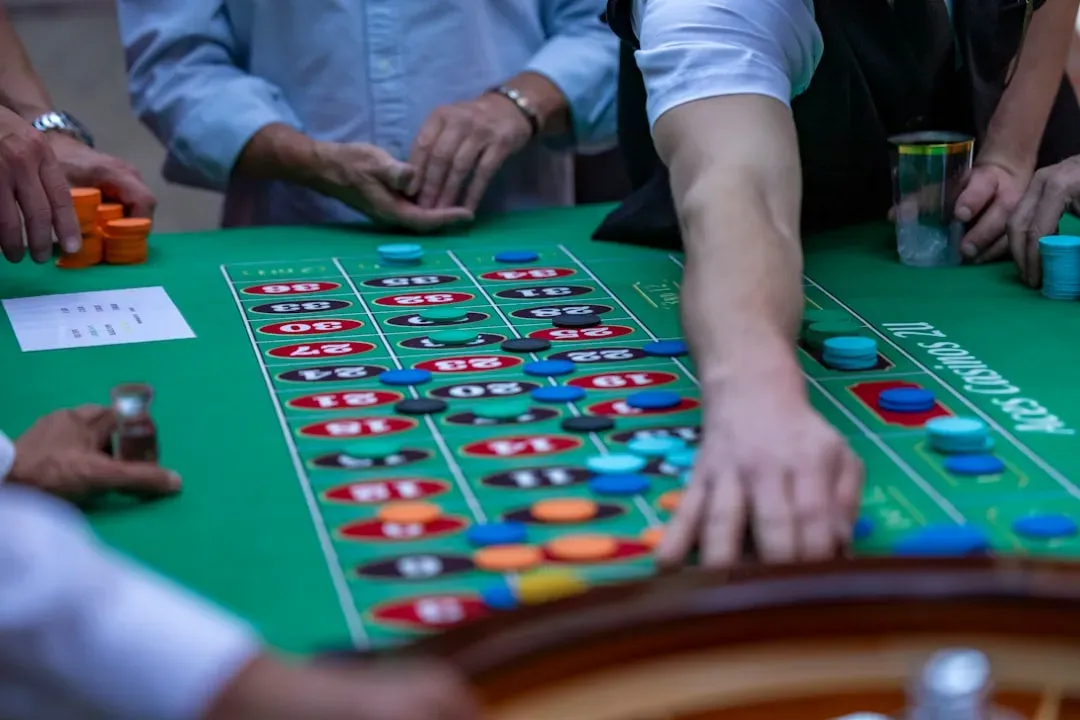
Casino visits are about more than just luck. They’re about respect, timing, and understanding the culture of the game. From tipping and table manners to knowing how to handle chips, following the right behavior elevates your entire experience. The people who look most comfortable on a Las Vegas casino floor aren’t necessarily the biggest winners. They’re the ones who know where to sit, when to wait, and how to treat the people running the game.
The unwritten rules aren’t designed to intimidate. They exist because gaming is a shared experience, and the floor works best when everyone in it plays their part with a little awareness. Casino etiquette isn’t just about following rules – it’s part of the fun, and playing with grace and respect enhances your experience while earning you the same in return. Know the room before you sit down in it, and Las Vegas will treat you considerably better than it treats those who don’t.
Partner offer
Planning a trip to Vegas?
Compare hotel rates and show tickets on VEGAS.com.