Walk into any streaming platform’s new release section this year and you’ll likely spot a familiar face that has nothing to do with a film premiere. Actors known for their work on screen are showing up on Spotify playlists, dropping singles, and in some cases releasing full albums that critics are taking seriously rather than dismissing as vanity projects. It’s a shift that has been building for a few years, but 2026 feels like the moment it became impossible to ignore.
The wall between acting and music has quietly collapsed

For decades, actors who tried music were treated as a novelty act, something to be politely tolerated rather than critically engaged with. That perception has shifted substantially in the last two years. Actors-turned-musicians like Naomi Scott, Simone Ashley, Ella Hunt, and Meg Stalter are responsible for some of the best music of 2026, according to entertainment outlets tracking the trend.
What’s notable is the framing. Publications aren’t calling these releases surprising side projects anymore. Between major pop releases from artists like Harry Styles, Blackpink, Olivia Rodrigo, and Drake, the best music of the year doesn’t belong to pop stars but to actors, one culture outlet argued this summer. That’s a meaningful reversal from where things stood even five years ago.
Naomi Scott set the tone early in the year

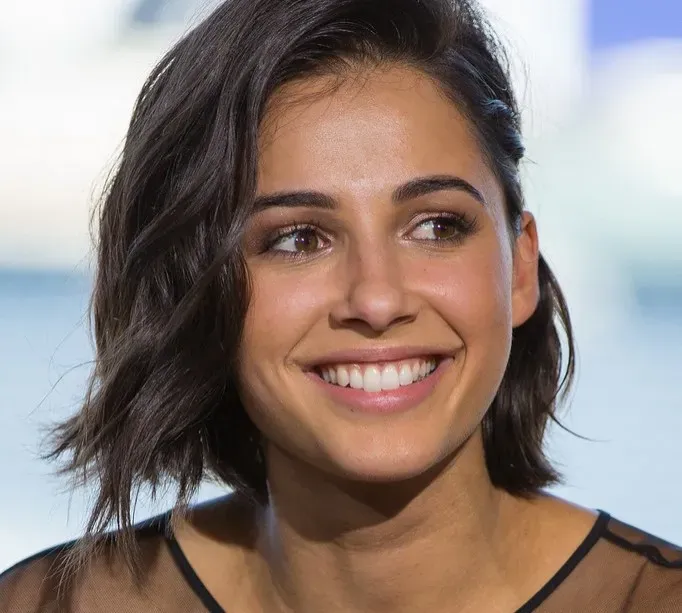
If there’s a single moment that kicked off this year’s wave, it’s probably Naomi Scott’s debut album. It all started when Naomi Scott dropped her debut album F.I.G back in March, an artist known for films like Aladdin and Smile 2 whose relationship with music dates back to her 2011 Disney Channel role in Lemonade Mouth.
The album wasn’t a nostalgia play or a soundtrack tie-in. Scott worked with producers like Dev Hynes and Lido to create a forward-thinking, Janet Jackson-tinged alt-R&B project that critics say only gets richer with repeated listens. It signaled that an actor could release genuinely ambitious music without leaning on their screen fame as a crutch.
A wave of actresses are following her lead

Scott’s album turned out to be less an isolated event and more the opening act. Several other performers have used 2026 to step fully into recording booths. Marty Supreme actress Odessa A’zion has lent her raspy voice to singles including “Maybe I’m Not What You Need” and “Liquor Store Roses”, building a distinct sonic identity separate from her film work.
Others have taken a slower, more deliberate route into the studio. Booksmart actor Diana Silvers released her debut singer-songwriter project, From Another Room, late last year, while both Maya Hawke and Finn Wolfhard continued music careers that predated their Stranger Things fame with new projects in 2026. The pattern suggests these aren’t rushed pivots but genuine long-term interests finally getting room to breathe.
Comedy performers are entering the pop lane too

Perhaps the most unexpected entries into this trend are coming from comedy. Hacks breakout Meg Stalter has become one of the more talked-about names making the jump. The Hacks star is set to make the pivot to pop star when her album Crave drops later this summer, a release that has generated real curiosity given her comedic background rather than a traditional musical one.
It’s a reminder that the audience built through television and film doesn’t necessarily map cleanly onto music tastes, but that hasn’t stopped performers from trying. Comedy fans bring a different kind of attention, one built on personality and timing rather than vocal technique alone, and that’s proving to be its own asset in a crowded streaming landscape.
Former Grey’s Anatomy star found a home in indie rock
Not every actor chasing a music career is aiming for pop radio. E.R. Fightmaster, previously known for their role on Grey’s Anatomy, has taken a noticeably different route. Fightmaster has fully integrated themself into the indie rock space with their debut album Tolerance, choosing a genre built around authenticity and lo-fi textures rather than polished pop production.
That choice matters. Indie rock audiences tend to be skeptical of celebrity crossovers, so committing to that scene rather than an easier pop lane suggests a genuine artistic intention rather than a marketing exercise. It also gives Fightmaster room to build a fanbase gradually, without the pressure of instant chart success.
Child stars are using music to redefine their public identity

For performers who grew up on camera, music offers something acting alone often can’t: a way to reintroduce themselves as adults on their own terms. Former child star Mckenna Grace appears to be following this exact playbook. Following the release of her single “Ugly and Rotten” in early June, it looks like Grace might be the next actor to make the switch into music.
This isn’t a new strategy exactly, but it’s being executed with more care now. Rather than a single that feels like a marketing stunt, these releases increasingly come with genre commitment, cowriting credits, and a clear point of view, which helps performers escape the shadow of the roles that made them famous as kids.
Studios like A24 are blurring the line from the business side

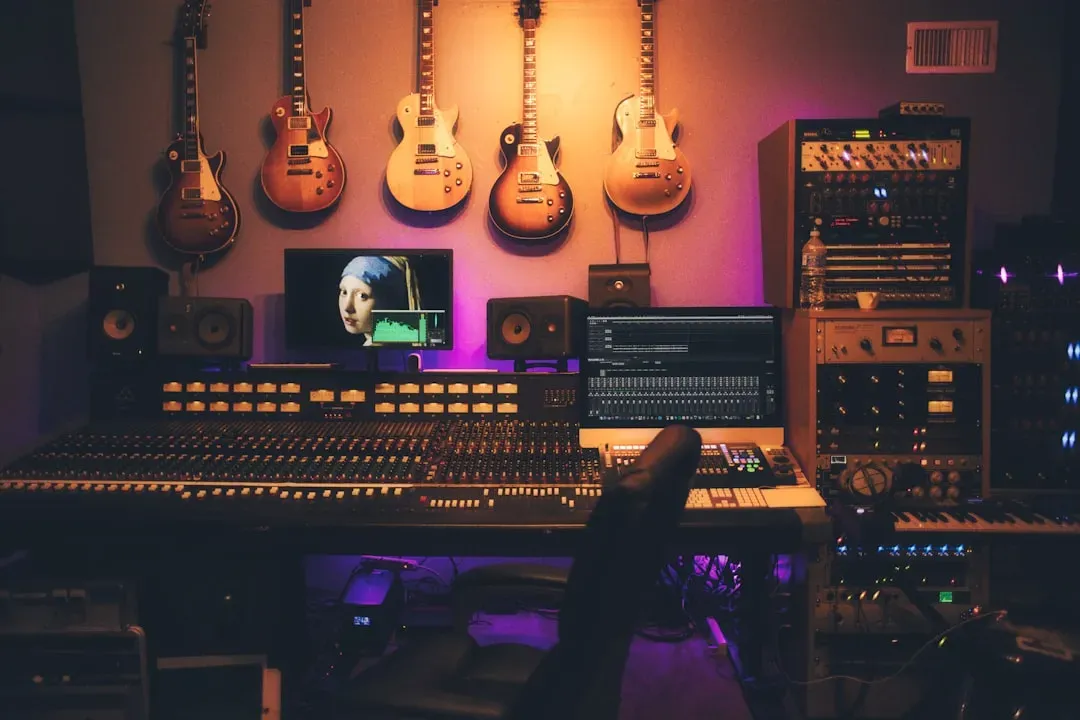
Part of what’s enabling this trend isn’t just individual ambition, it’s structural. A24, the studio behind acclaimed films across the last decade, has been actively building out a music-focused arm. In April 2025, A24 announced the creation of A24 Music, a division dedicated to music production and distribution, marking a more assertive turn toward music beyond just film scoring.
The studio’s casting choices have long hinted at this crossover appeal. A24’s casting frequently features musicians, including Kid Cudi in X, Teyana Taylor in A Thousand and One, and A$AP Rocky in Dope. That two-way traffic between music and film, with musicians acting and actors singing, has made the industry line between the two professions far less rigid than it used to be.
Awards season is rewarding the crossover rather than punishing it

One reason more actors feel comfortable pursuing music seriously is that the entertainment industry itself is validating the overlap at the highest levels. Teyana Taylor, who built her name in music long before her acting breakthrough, offers a telling example. It would have been hard to imagine Teyana Taylor winning a Golden Globe before a Grammy, yet there she was at the Beverly Hilton taking the stage after winning Best Supporting Actress for One Battle After Another.
That kind of recognition changes the calculus for other performers watching from the sidelines. When an industry starts treating musical and acting talent as parts of the same skill set rather than separate, competing lanes, it becomes far less risky for a working actor to release a single without fear of professional backlash.
Streaming economics make a second creative outlet more appealing
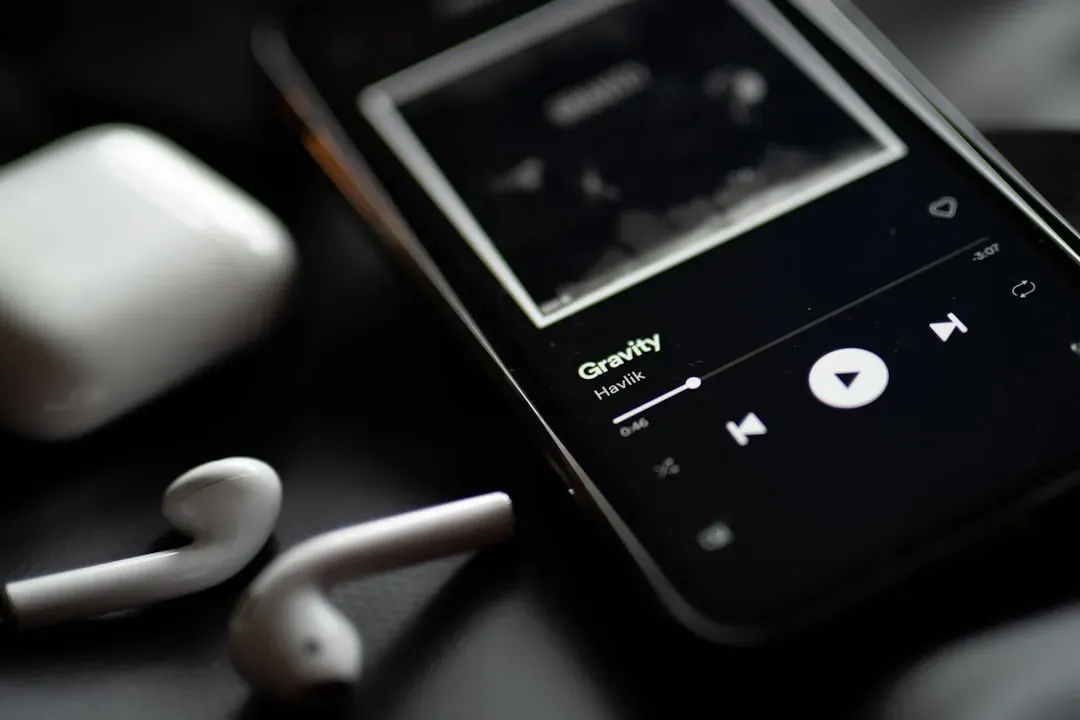
There’s also a practical, less glamorous reason behind this wave. Streaming residuals for actors have grown thinner over the past several years, and music offers another revenue stream along with another way to stay culturally visible between projects. A single or an EP costs far less to produce than a film and can be released on a much faster timeline, giving actors more control over their own output.
It also gives performers a direct line to fans without waiting on a studio’s release calendar or a show’s renewal status. For someone with an audience already built through acting work, converting even a fraction of that following into music listeners is a low-risk way to diversify a career that can otherwise depend heavily on unpredictable casting decisions.
The final takeaway