Some customs fade the moment convenience makes them optional. Others seem to do the opposite, growing more meaningful the longer they survive contact with modern life. Across very different corners of the world, certain rituals, gatherings, and ceremonies have kept their shape for centuries, even as the societies around them changed almost beyond recognition. What follows is a look at eight such traditions, each one still practiced today, each one carrying details and histories that explain why they never quite disappeared.
The Japanese tea ceremony

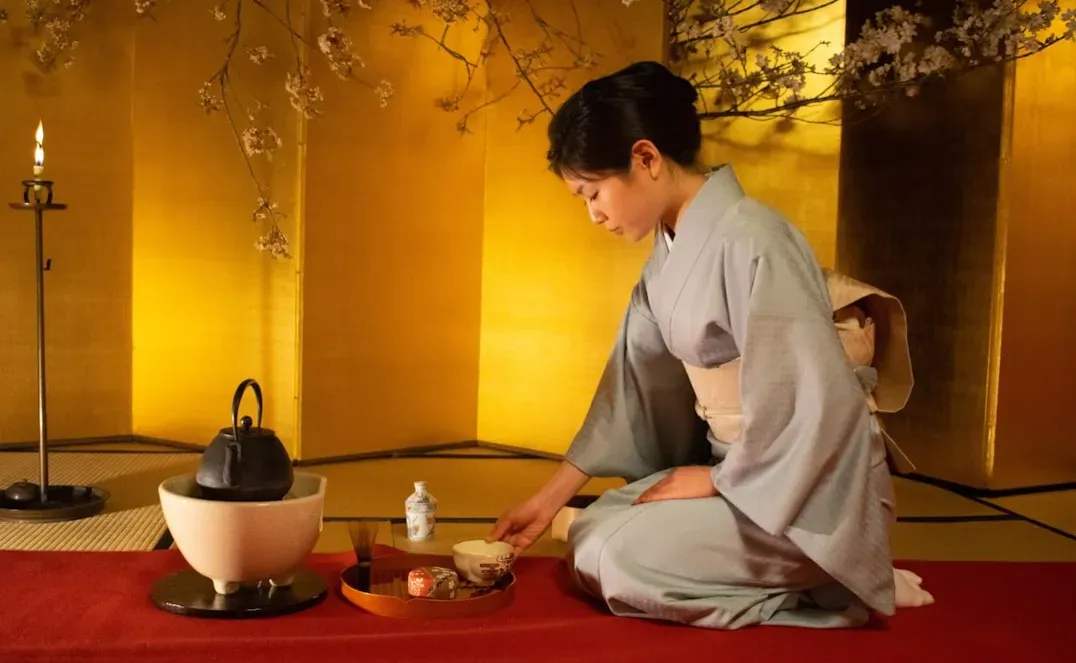
The Japanese tea ceremony traces its roots to the 9th century, when the ancient Japanese historical text Nihon Koki describes how Buddhist priest Eichu served tea to Emperor Saga on the west shore of Lake Biwa in the early 9th century. The practice grew out of something surprisingly practical: from the 2nd century BCE, Buddhist monks began to drink tea to help support themselves while they meditated and to ward off sleep. Centuries later, it had become something far more refined, and by the 16th century, Sen Rikyū, a 16th-century aesthete, notably codified the ceremony into wabi-cha, which values simplicity and quietude.
What keeps the tradition alive today is its insistence on slowing down. The Japanese tea ceremony is a traditional custom rooted in Zen Buddhism that emphasizes harmony, respect, cleanliness, and tranquility. It still takes place in a dedicated space, since the ceremony is held in a tea house, ideally a simple, rustic structure separate from the main house, or a special room. Schools founded by Rikyū’s students continue training new generations of hosts, which is part of why this is one of the rare rituals that has stayed almost recognizable across more than a thousand years.
Día de los Muertos in Mexico

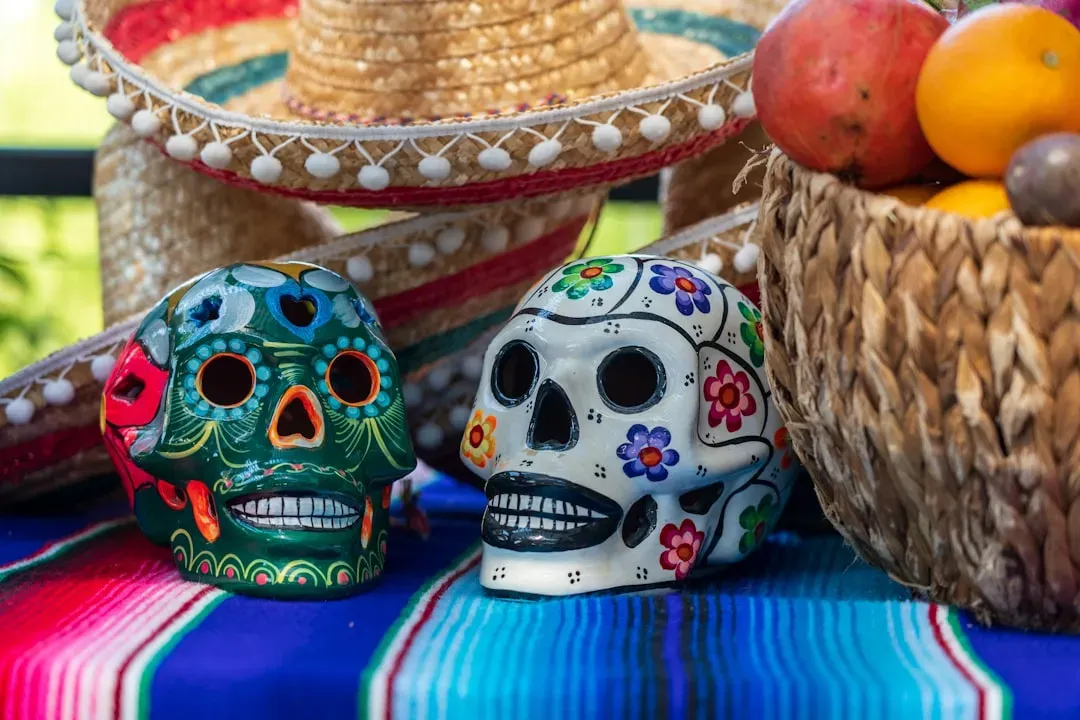
Mexico’s Day of the Dead did not start as the colorful, marigold-covered celebration many people picture today. Day of the Dead began as an Aztec holiday thousands of years ago, celebrating the dead while also being associated with the goddess of the underworld, Mictēcacihuātl. After Spanish colonization, the observance shifted to align with the Catholic calendar, and now it is celebrated each year on November 1 and 2, using a blend of pre-Columbian and Spanish traditions to honor deceased family members.
Families still build ofrendas, small home altars stacked with photographs, food, and favorite belongings of relatives who have passed. The holiday honors the dead by celebrating the lives of deceased family members, who are welcomed back into households with ofrendas that offer food and drink, and family graves are cleaned, decorated, and visited. Its cultural weight earned it international recognition when in 2008, UNESCO formally recognized the holiday, adding it to the list of Intangible Cultural Heritage of Humanity. The tradition has since spread well beyond Mexico’s borders, embraced by diaspora communities who see it as a direct link to identity and memory.
Native American powwows

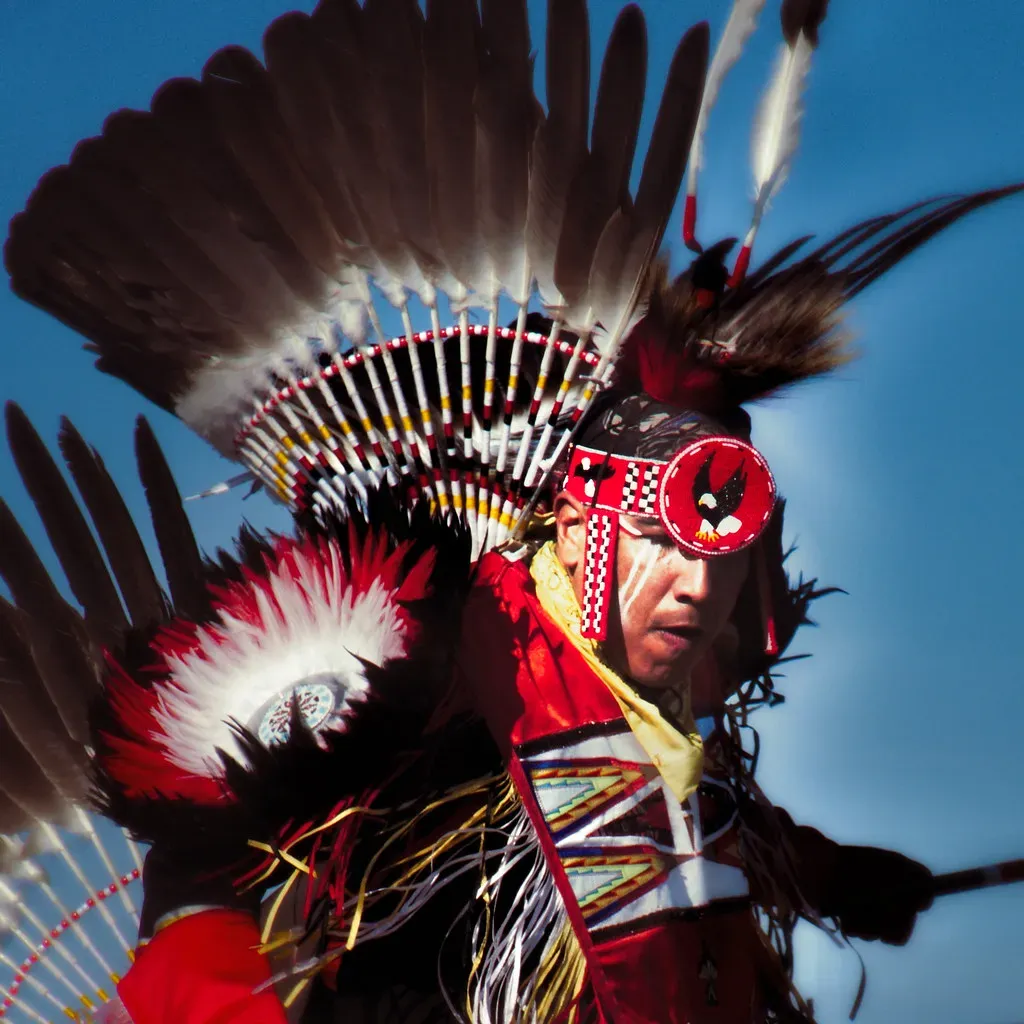
Powwows carry a history shaped as much by resilience as by celebration. The word itself has older roots, since the word powwow is derived from Pau Wau, a term meaning medicine man in Narrtick, an Algonquian language historically spoken in Massachusetts, though its modern form emerged much later. Many ceremonies and customs were outlawed during the reservation period, and the Grass Dance, being more social, was one of the only events allowed, which meant it had to be transferred between tribes pushed together on shared land.
Out of that constraint came something unifying rather than diminished. Modern powwows are intertribal and inclusive, open to all attendees, unlike pre-contact events that were limited to tribal members and friendly neighboring tribes. Today the scale can be enormous. One of the best known examples, the Gathering of Nations in Albuquerque, is described this way: the annual event attracts about 3,000 dancers from hundreds of tribes from the U.S., Canada and Mexico and draws about 80,000 visitors who come to see dances, drum contests and competitions. What began as a survival strategy against cultural erasure has turned into one of the most visible expressions of Native identity in North America.
The Maasai Eunoto ceremony

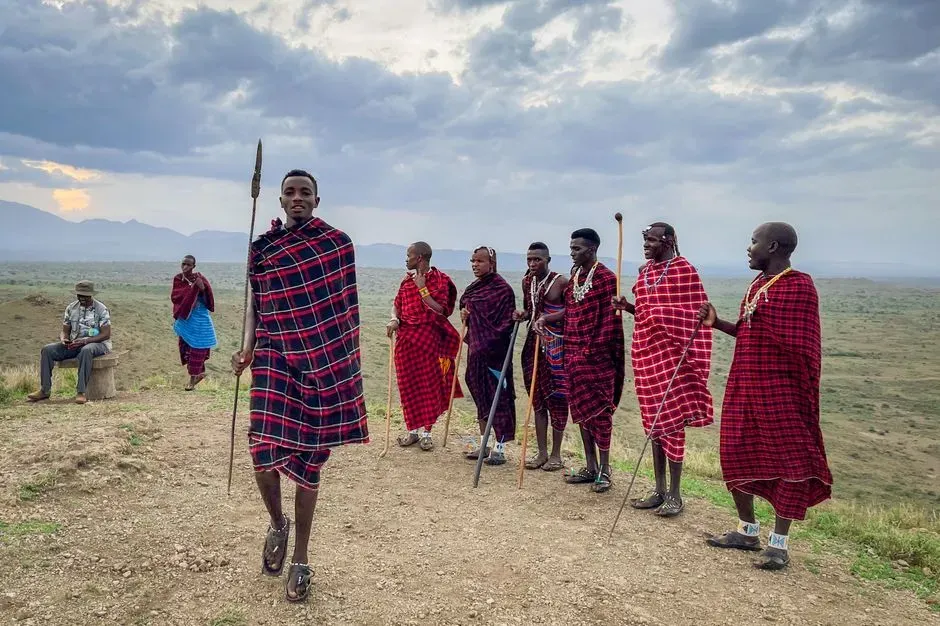
Among the Maasai communities of Kenya and Tanzania, coming of age is not a private milestone but a communal event years in the making. The Eunoto ceremony marks the end of one age-set’s period of active junior warriorhood and their promotion as senior warriors, sometimes called junior elders. It does not happen often. Accounts vary slightly on the exact interval, but this event happens only once every nine or ten years for a given age-set, and preparation for it, including the building of a shared warrior village, can take months.
The ceremony itself is layered with symbolism, from processions to ritual head-shaving. Completion of the ceremony entitles participants to take wives and raise families, although for many it also marks the end of the most privileged time of their lives. Its future is not guaranteed, though. The Eunoto ceremony is inscribed on UNESCO’s Urgent Safeguarding List of Intangible Heritage, a recognition that reflects both its cultural importance and the pressures facing the communal grazing lands where it traditionally takes place.
Diwali, the festival of lights
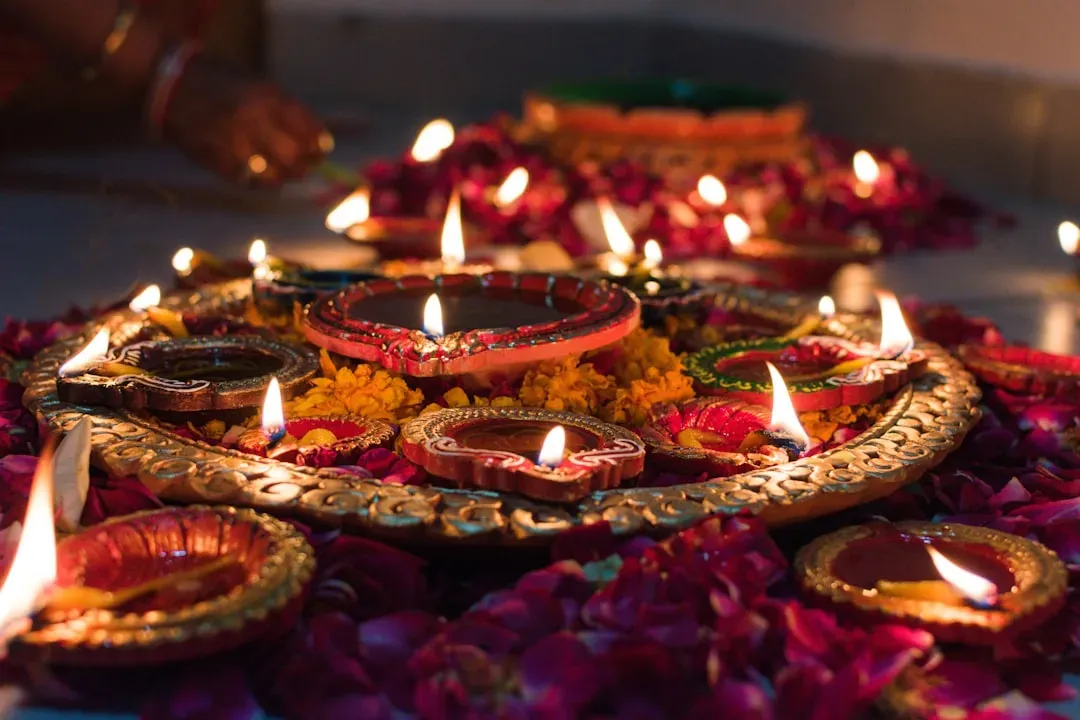
Diwali remains one of the most widely observed festivals across South Asia and its diaspora, marked by rows of oil lamps, or diyas, lit along windowsills and doorways to symbolize the victory of light over darkness. The festival draws on stories from Hindu tradition, including the return of Lord Rama to Ayodhya, and is celebrated with similar warmth by Sikh, Jain, and some Buddhist communities, each attaching its own layer of meaning. Homes are cleaned and decorated in the days beforehand, a practical ritual that doubles as a symbolic clearing-out before the new year begins.
What has kept Diwali vital is its flexibility. The core acts, lighting lamps, sharing sweets, gathering family, have stayed largely unchanged for generations, even as fireworks, string lights, and large public displays have layered on top of the older customs. In cities from Mumbai to London to Toronto, Diwali now functions as both a private household ritual and a public, citywide event, proof that a tradition can absorb modern scale without losing its original intent.
Lunar New Year celebrations
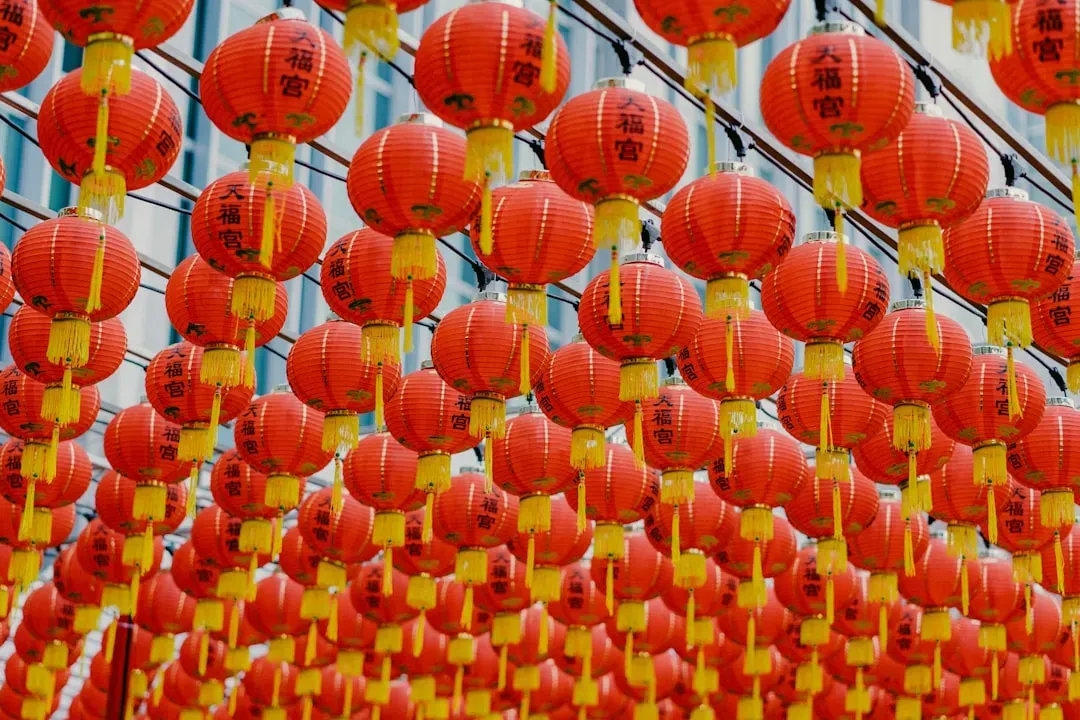
Lunar New Year, observed across China and much of East and Southeast Asia, follows the lunisolar calendar rather than the fixed date of January 1, which is why the holiday shifts each year between late January and mid February. Family reunion dinners sit at the center of the celebration, often built around dishes chosen for their symbolic meaning, such as fish for abundance or dumplings for wealth. Red decorations, lucky money in red envelopes, and dragon or lion dances round out a set of customs that have been passed down largely intact for centuries.
The holiday’s staying power comes partly from its scale. It remains one of the largest annual human migrations on earth, as hundreds of millions travel home to celebrate with extended family, a pattern that has continued even as urbanization has pulled younger generations away from their home provinces. Communities from San Francisco to Singapore now host public parades and festivals, extending a household tradition into a shared civic one without diluting its family focused core.
Irish traditional music sessions
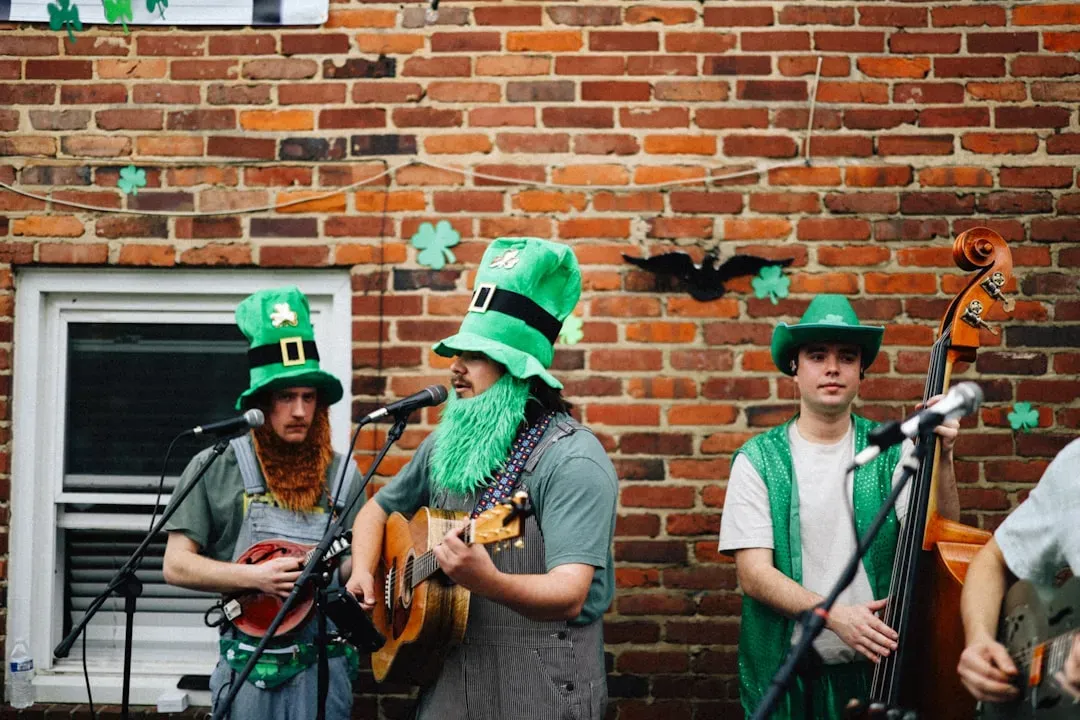
In pubs and community halls across Ireland, informal music sessions, known simply as sessions, have kept traditional Irish tunes alive without the need for formal concert halls or written sheet music. Fiddles, tin whistles, uilleann pipes, and bodhráns come together in an unplanned, almost conversational way, with musicians trading tunes learned by ear from previous generations. The céilí, a related social gathering built around set dancing, has followed a similar path, surviving largely through community participation rather than institutional support.
What makes this tradition notable is how little it has needed outside intervention to survive. Tunes are still transmitted mouth to ear, or fiddle to fiddle, in much the same informal way they were a century ago, even as recordings and streaming have made the music available worldwide. The Irish diaspora carried these sessions to cities like Boston, Chicago, and London, where they continue much as they would in a small pub in County Clare, adapted to new places but rarely rewritten.
Balinese Hindu temple ceremonies
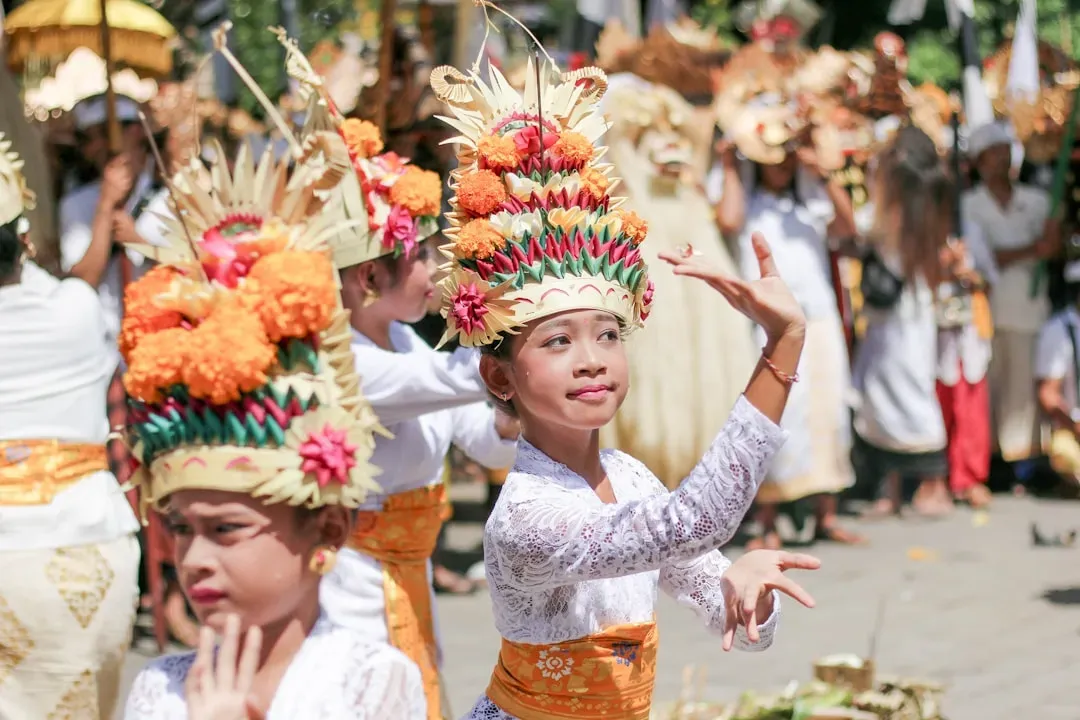
On the island of Bali, religious life follows a dense calendar of temple ceremonies, processions, and offerings that shape daily routines far more than most outside visitors realize. Odalan, the anniversary celebration of a village temple, brings entire communities together for days of prayer, gamelan music, and elaborate offerings made from palm leaves, flowers, and rice. These ceremonies follow the Balinese pawukon calendar, a 210 day cycle that has guided ritual timing for centuries.
Rather than fading under the pressure of Bali’s tourism economy, these traditions have largely persisted alongside it, often in full view of visitors who come specifically to witness them. Households maintain small daily offerings, called canang sari, placed outside homes and businesses each morning regardless of how commercial the surrounding street has become. The layering of sacred practice into ordinary daily life, rather than confining it to special occasions, is a large part of why the tradition has proven so durable.