There’s a particular kind of quiet that surrounds an album with no lead single. No radio setup, no pre-save countdown, no playlist pitch. Just a date, and then the record itself, arriving whole. It’s a strategy that looks simple from the outside but is usually the result of a very deliberate calculation about how an artist wants their work to be heard, and by whom.
The album as a single, unbroken statement


When an artist skips advance singles, the record is meant to be received as one complete idea rather than a collection of pre-tested moments. Without weeks of pre-release speculation and critic previews shaping expectations in advance, listeners come to the album with fewer preconceptions, and the whole thing tends to land as a single, unified artistic statement. That distinction matters more than it might seem. A song heard in isolation months before an album drops carries a different weight than the same song heard in sequence, surrounded by the tracks meant to frame it.
This approach tends to appeal to artists working in concept records or albums built around a mood rather than a hit. Breaking the flow with an early single risks flattening that structure before anyone has heard the full picture. Some genres, particularly in electronic and experimental music, lean into this instinct because their audiences often value immersion over immediacy.
The Beyoncé blueprint that changed the industry


No discussion of surprise, singles-free releases is complete without the 2013 self-titled Beyoncé album, which remains the reference point for the entire strategy. Released with zero radio promotion, zero advance singles, and zero press, the album arrived as a complete visual experience, with a music video for every one of its fourteen tracks. It wasn’t just a marketing trick, it reframed what a full album drop could feel like as an event.
The ripple effects were enormous. The strategy became a Harvard Business School case study, and it’s widely credited with popularizing the modern surprise album, an approach subsequently adopted by Drake, Kanye West, Kendrick Lamar, Rihanna, U2, Eminem, and plenty of others in the years that followed. A decade on, that lineage is still visible whenever a major artist chooses silence over a rollout.
David Bowie’s secrecy as a creative tool

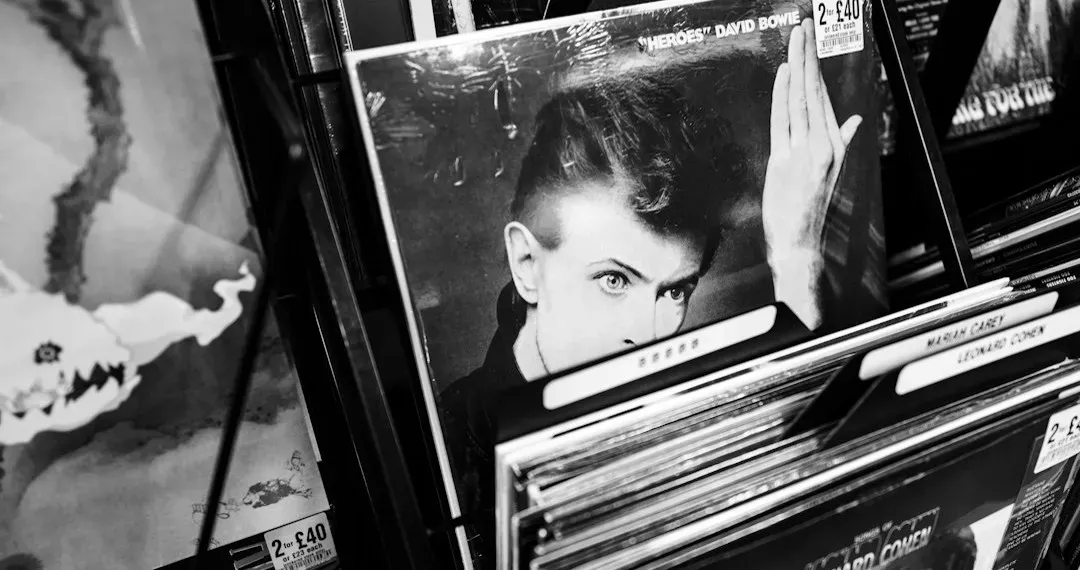
Before Beyoncé made the no-singles surprise drop a modern template, David Bowie was already treating secrecy as part of the art itself. In 2011 and 2012, Bowie was so determined to keep his upcoming album The Next Day a secret that he had some of the people working with him sign non-disclosure agreements. The lengths he went to were almost theatrical.
According to his longtime producer Tony Visconti, the secrecy extended to controlling who was even physically present in the studio. Visconti told The Guardian that interns were given time off during recording sessions because the team “didn’t want them to witness it,” leaving only a skeleton staff of two, which he said was “not normal.” The payoff was an announcement that landed with genuine shock, something almost impossible to manufacture through a conventional single-driven rollout.
U2’s free, uninvited album drop

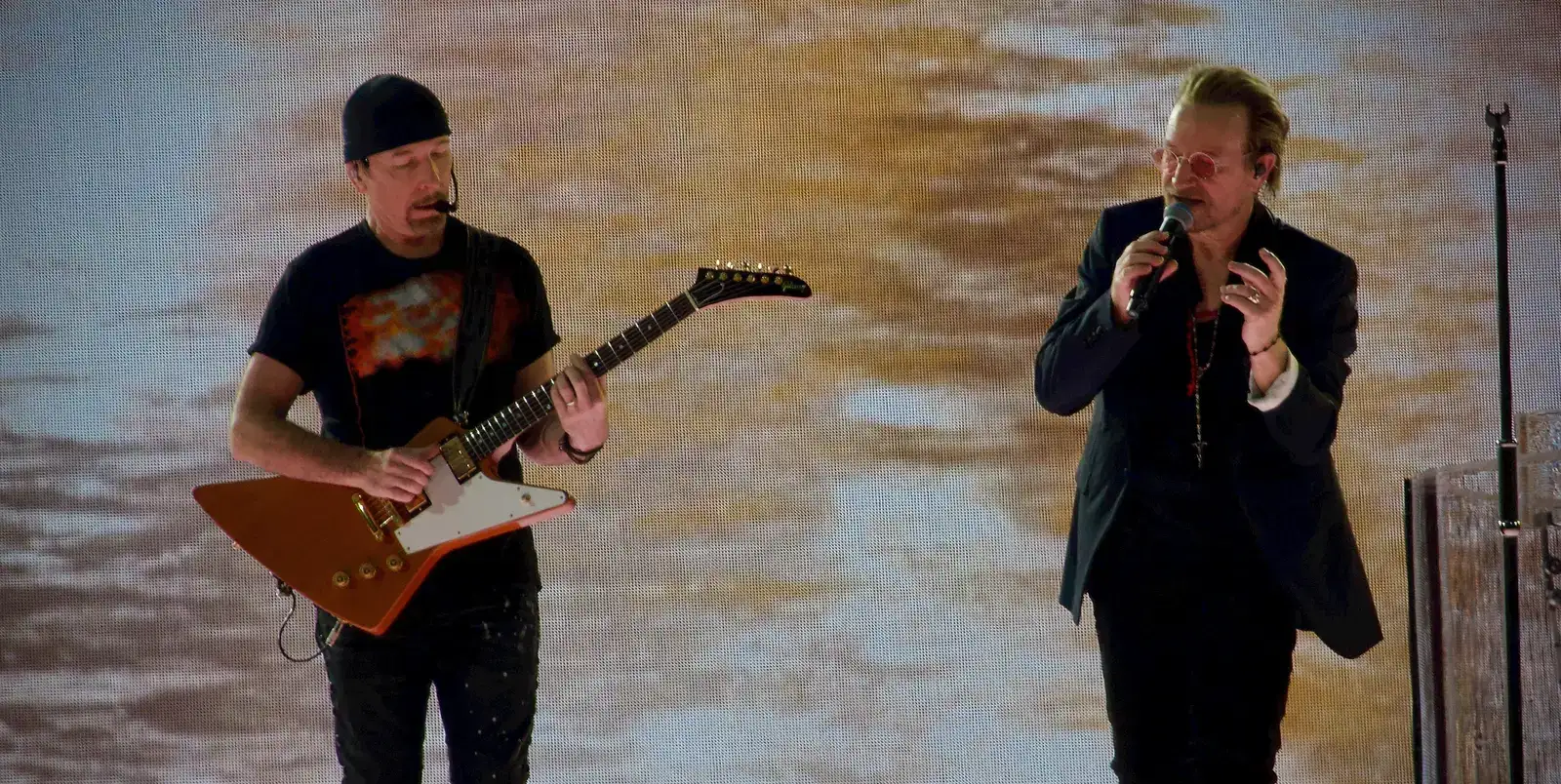
U2 took the concept in a different direction in 2014, when they released their thirteenth studio album with no warning at all. A year after Bowie’s secretive rollout, U2 released Songs of Innocence with no warning, uploading it to all iTunes Store customers at no cost, a move that was both innovative and risky. The band wasn’t just skipping singles, they were skipping the purchase decision entirely.
Bono’s reasoning behind the move focused less on secrecy for its own sake and more on reach. He saw it as an opportunity to reach new ears, writing at the time that people who hadn’t heard the band’s music, or weren’t remotely interested, might play them for the first time simply because the album was now sitting in their library. The backlash over unsolicited downloads became its own story, a reminder that even a bold strategy can generate friction alongside attention.
What artists actually give up by skipping singles


Choosing silence isn’t free of cost. Skipping singles means giving up the promotional runway that a normal rollout provides, including no playlist pitching cycle, no weeks of pre-save campaigns, no chance to test which track resonates before committing to a full release, and no early algorithmic momentum feeding into release day. Every one of those elements is something labels and marketing teams typically rely on to build streaming numbers before a record even exists.
The standard rollout window most artists use exists precisely because it works, at least in a predictable way. Under a standard waterfall approach, artists typically plan six to twelve weeks of lead time before an album drops, using each single to build data on what’s actually connecting with an audience. Walking away from that data collection means walking into release day with far less certainty about how the record will land commercially.
Independent artists face a different calculus


For unsigned or independent musicians, the decision to skip singles carries a distinct financial logic compared to major label acts. Artists with established audiences can invest in the substantial work of a full album, while releasing singles first lets artists test listener response, gather data, and build momentum before committing to a full-length project. Without that established base, going straight to an album without any advance singles is a much bigger gamble.
Industry guidance for independent releases tends to reflect this caution. If an artist has no existing audience and no budget, releasing two to three singles ahead of an album proves most effective for driving pre-saves and growing their audience before the larger project drops. That’s part of why the no-singles approach remains more common among established names with existing fanbases than among newcomers trying to break through.
When too many singles start to work against the album

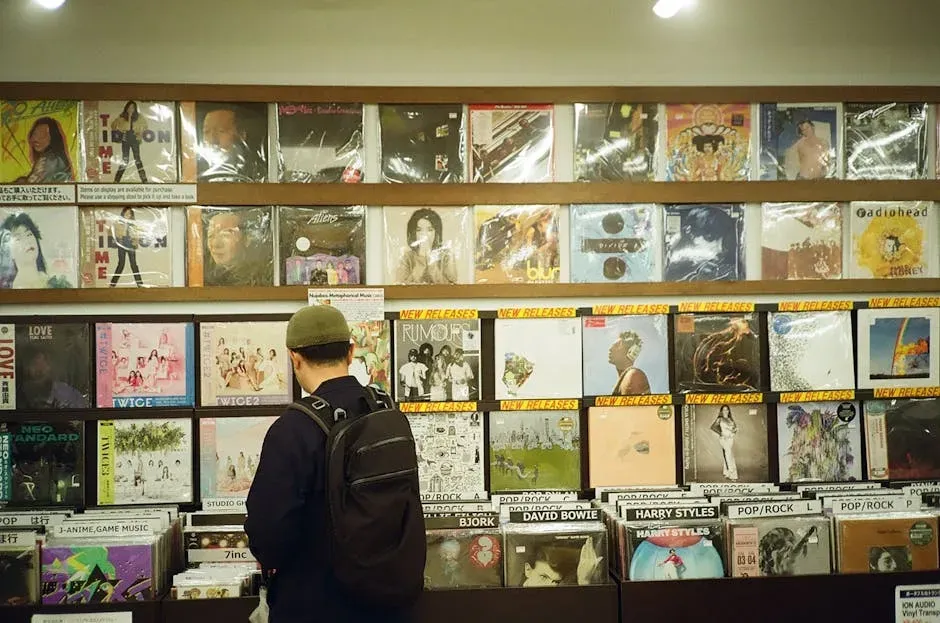
One underappreciated reason artists sometimes avoid advance singles altogether is the risk of over-exposure. Releasing too many singles can flatten the album before it arrives, so that by the time the full release appears, much of it already feels familiar. An album stripped of its surprises loses some of its impact, even if the individual songs performed well as standalone releases.
This concern has led some artists to a middle path rather than a full commitment to silence. Some artists release a single shortly before the album, primarily as a marker rather than a campaign, while others release no singles at all, focusing instead on presenting the album as a complete statement. The choice often comes down to how much an artist trusts the album to speak for itself without a preview.
The streaming era complicates the equation

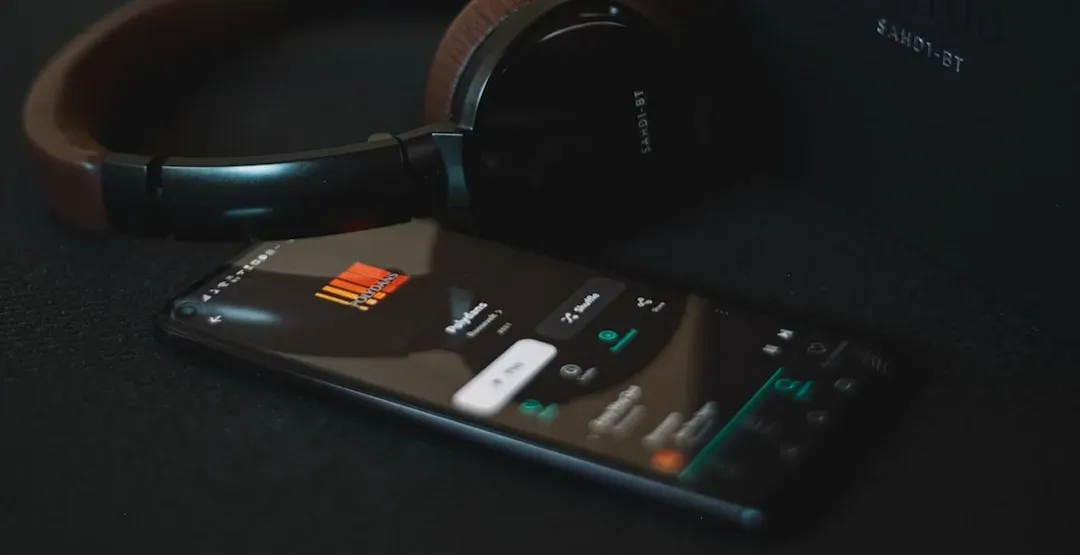
Modern streaming platforms are built around algorithms that reward frequent releases, which makes the no-singles route feel increasingly countercultural. The rise of streaming platforms has shifted listener behavior towards favoring individual tracks over full albums, and releasing singles allows artists to maintain a consistent presence in the market and adapt quickly to trends. Every single is effectively another chance to land on an algorithmic playlist, and skipping that chance means skipping months of potential visibility.
Yet not every artist views the platforms’ preferences as the only measure of success. This strategy aligns with the need for artists to maximize their reach and relevance in an era where attention spans are shorter and competition is fierce, which is precisely the pressure that pushes some artists toward the opposite instinct. For those artists, resisting the algorithm’s rhythm becomes part of the statement itself, a way of asserting that the work matters more than the metrics.
Recent examples show the strategy is still alive

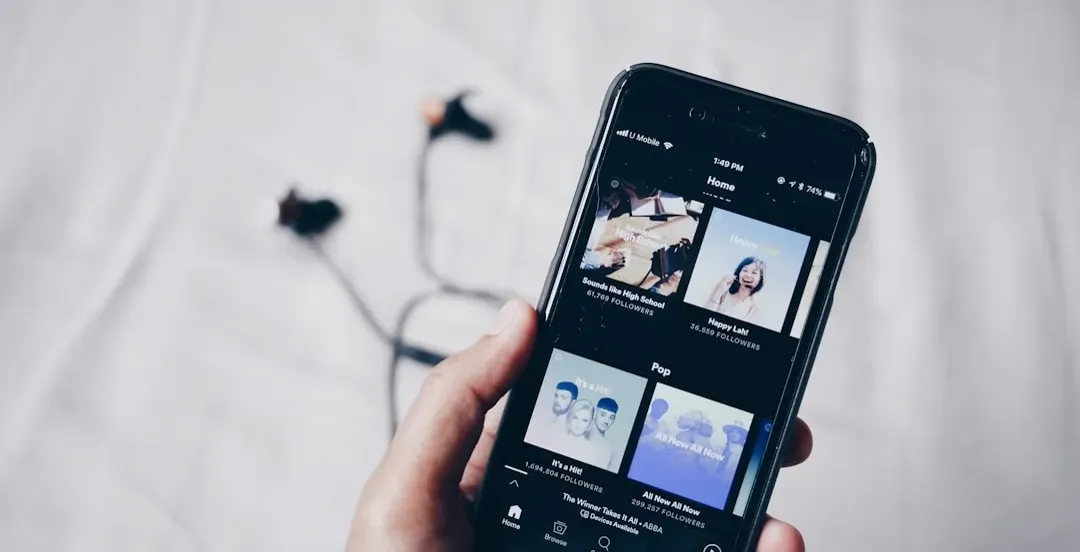
The no-advance-singles approach hasn’t disappeared in the current streaming landscape, even if it’s rarer than the standard rollout. Coverage of the “anti-single strategy” through 2026 has continued to point back to the artists who popularized it while noting new acts experimenting with variations on the same idea. Some bands have leaned into skipping singles entirely as a way of standing apart from a crowded release calendar dominated by waterfall drops and pre-save campaigns.
At the same time, plenty of high-profile 2025 releases show just how dominant the traditional multi-single rollout remains, from Aitch’s five-single campaign ahead of his album “4” to Joyner Lucas releasing nine tracks as pre-release singles for “ADHD 2.” The contrast highlights that going singles-free is still very much a choice against the grain, not the industry default.
The gamble pays differently depending on the artist’s stature

Whether skipping singles works largely depends on how much cultural capital an artist already has banked. A superstar with guaranteed press coverage and a built-in audience, similar to how Beyoncé or U2 operated, can absorb the loss of pre-release marketing because the surprise itself generates coverage. A newer or mid-tier act attempting the same move risks releasing an album into near silence, with no single to catch algorithmic attention or radio play beforehand.
That gap explains why the strategy tends to cluster among artists who no longer need to prove commercial viability before a release. For everyone else, the safer, if less dramatic, route usually still involves at least one or two singles to build a runway. The freedom to skip the runway entirely is, in some ways, a privilege earned rather than a universally available option.
The final takeaway

Releasing an album with no advance singles remains one of the more distinctive moves an artist can make, precisely because it trades predictable exposure for the chance at a bigger, sharper cultural moment. It asks listeners to trust the artist enough to show up on release day without knowing what they’re getting first. Whether that trust exists in enough quantity is usually the real deciding factor behind whether an artist even considers going silent before their next record.