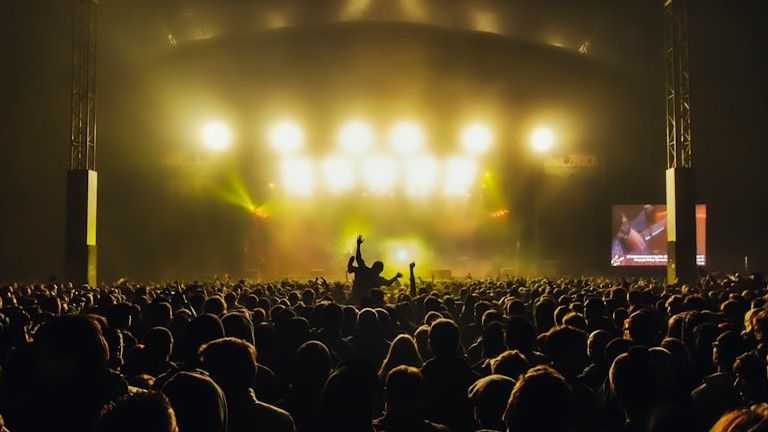
There is something unmistakable about a concert that no streaming platform can fully replicate. The moment a band steps onto a stage, something shifts – the air feels charged, the sound wraps around you, and even a familiar song takes on a completely different life. It is not a coincidence or a trick of the mind. There are real, documented reasons why certain bands consistently outperform their recorded material when they play in front of a crowd. In 2023, global concert attendance reached 142 million tickets sold across major venues, marking a 20% increase from 2019 pre-pandemic levels – a number that speaks loudly to how much people crave the live experience. Understanding what actually drives that feeling requires looking at the science, the psychology, and the craft behind live performance.
The Brain Chemistry of Being There
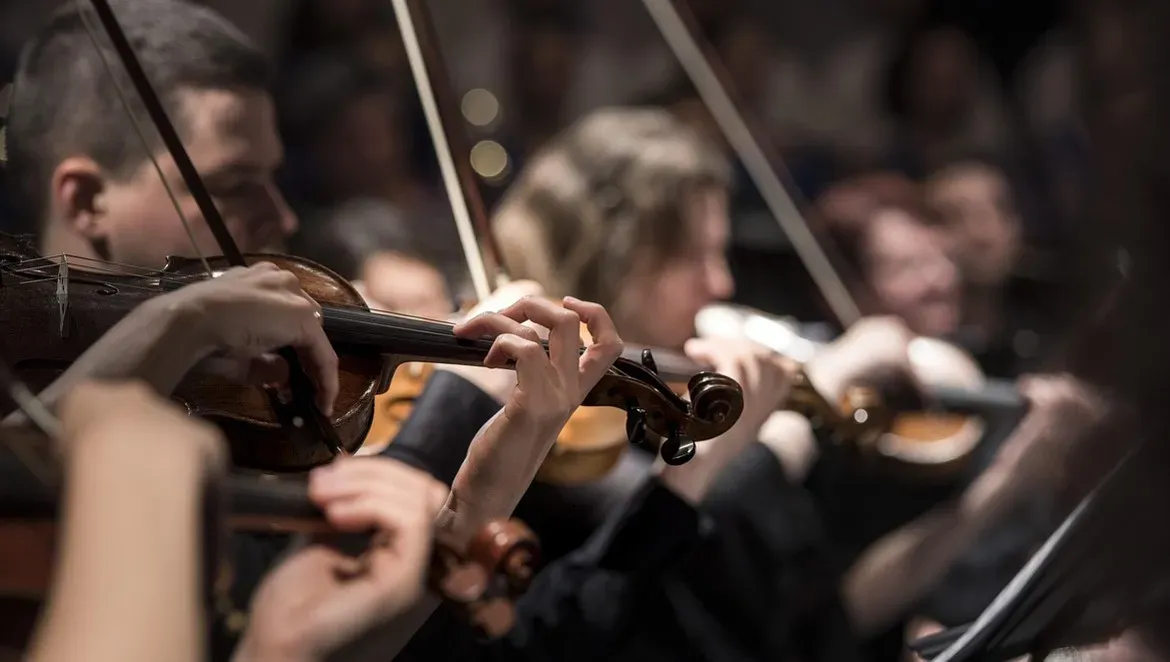
Researchers at the University of Southern California found that live music triggers the release of dopamine, the “feel-good” chemical, in the brain – and this rush is not just for the performers but sweeps through the audience too, creating an emotional high that is hard to mimic through headphones. This biochemical response is what makes a concert feel so physically different from listening to a studio track in your living room. The body literally reacts to the shared energy of a live room in a way that passive listening simply cannot achieve.
Research published in Frontiers in Psychology shows that music listeners prefer performances recorded in front of a live audience, and researcher Haruka Shoda of Doshisha University in Japan noted that some pianists give splendid performances when they perform in front of an audience. Research also shows an increased entrained physiological response to music of different speeds and moods when the listener is present with the performer, compared to listening to a recording of the same performance. In short, our bodies synchronize with the live event in a way that even the best studio recording cannot compete with.
Raw Energy vs. Studio Perfection

Studio albums can sometimes end up too perfect, with layer upon layer of instruments and effects that hide the heart of the music. In contrast, live performances often strip songs down to their essentials, and a report from Sound on Sound points out that many artists purposely avoid heavy production during concerts, aiming for a more honest and intimate feel. That stripping-back often reveals parts of a song that got buried under production choices – a raw guitar tone, a vocalist’s natural vibrato, a drummer’s actual feel on the kit.
Without the safety net of multiple takes or digital corrections, the performance becomes more authentic and thrilling. Mistakes might happen, but they add to the charm and make each show unique. The natural charisma of the musicians often shines brighter, allowing the audience to connect with the performance in a more direct and meaningful way. Live recordings capture the energy, spontaneity, and rawness of a performance, while studio recordings offer precision, perfection, and plenty of room for creativity. Both have value, but for many listeners, that unfiltered rawness is ultimately what moves them most.
The Two-Way Exchange Between Band and Crowd
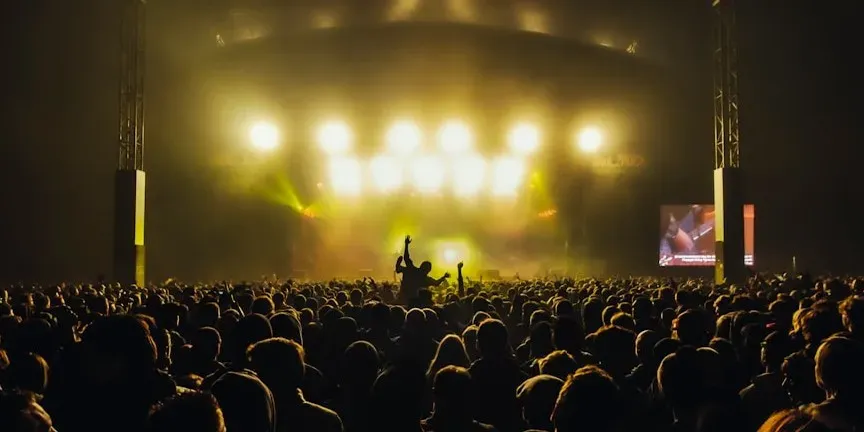
One of the most powerful things about live music is how the band and the audience feed off each other – it is not just a band playing to a crowd, but a real-time exchange of energy and emotion. Research published in the Journal of Music Psychology shows that audience participation can seriously boost the emotional impact of music, and when fans sing along, clap, or cheer, the whole room seems to pulse with a shared excitement. This feedback loop is something no studio session can recreate, because there is no crowd to respond to.
This communal feeling can push the band to perform with even more passion and intensity than they would in a quiet, isolated studio. It is a two-way street: the band lifts the crowd, and the crowd lifts the band, creating a high that is hard to match anywhere else. As Live Nation CEO Michael Rapino stated, “The live music industry reached new heights in 2023, and demand for live music continues to build. Our digital world empowers artists to develop global followings, while inspiring fans to crave in-person experiences more than ever.” That craving is not just commercial – it is deeply human.
Improvisation and the Thrill of the Unexpected

One of the most thrilling parts of a live show is never knowing exactly what you will hear. Many bands embrace improvisation when they perform, stretching songs with new solos, surprise twists, or even completely reimagined sections – and this element of surprise keeps each concert fresh and exciting. The Grateful Dead became legendary for improvising entire sections of their shows, making every performance a unique journey, and the Journal of Popular Music Studies points out that improvisation in live settings keeps audiences engaged and coming back for more.
According to a Pollstar survey, roughly seven in ten concertgoers say they appreciate when artists improvise live. This creativity and unpredictability give fans a reason to see a band multiple times – no two performances are exactly alike. Even a familiar song can feel brand new when a band lets loose and experiments in the moment. Whether a live album outshines its studio counterpart often depends on genre – jam bands like Phish or the Grateful Dead thrive on improvisation, so fans expect extended solos and evolving versions of the same song, while pop stars usually deliver carefully structured hits where studio precision defines the appeal. The genre sets the baseline for what audiences value most: spontaneity or perfection.
The Role of Venue Acoustics

A concert hall with excellent acoustics enhances sound clarity and richness, allowing musicians to express nuances more effectively, while a small, intimate venue may foster a closer connection between the performer and the audience. Research by the University of California, Berkeley, indicates that venues with varied acoustical properties can alter the emotional response of both performers and listeners, demonstrating that the physical environment plays a crucial role in shaping musical expression. The physical space a band performs in is, in many ways, an instrument in itself.
The design and materials of a venue affect sound reflection, absorption, and diffusion, which can enhance or diminish the clarity and richness of musical performances. Venues with high ceilings and hard surfaces can create a reverberant sound that enriches vocal and instrumental timbres, allowing for greater emotional expression, while venues with excessive absorption may dampen sound, leading to a less dynamic performance. Research indicates that musicians often adapt their playing style based on the acoustic characteristics of the venue, which can alter the emotional impact of the music on the audience. Large, reflective venues like concert halls often have longer decay times, and this can contribute to a sense of spaciousness and warmth in the mix.
The Science of Live Sound Engineering
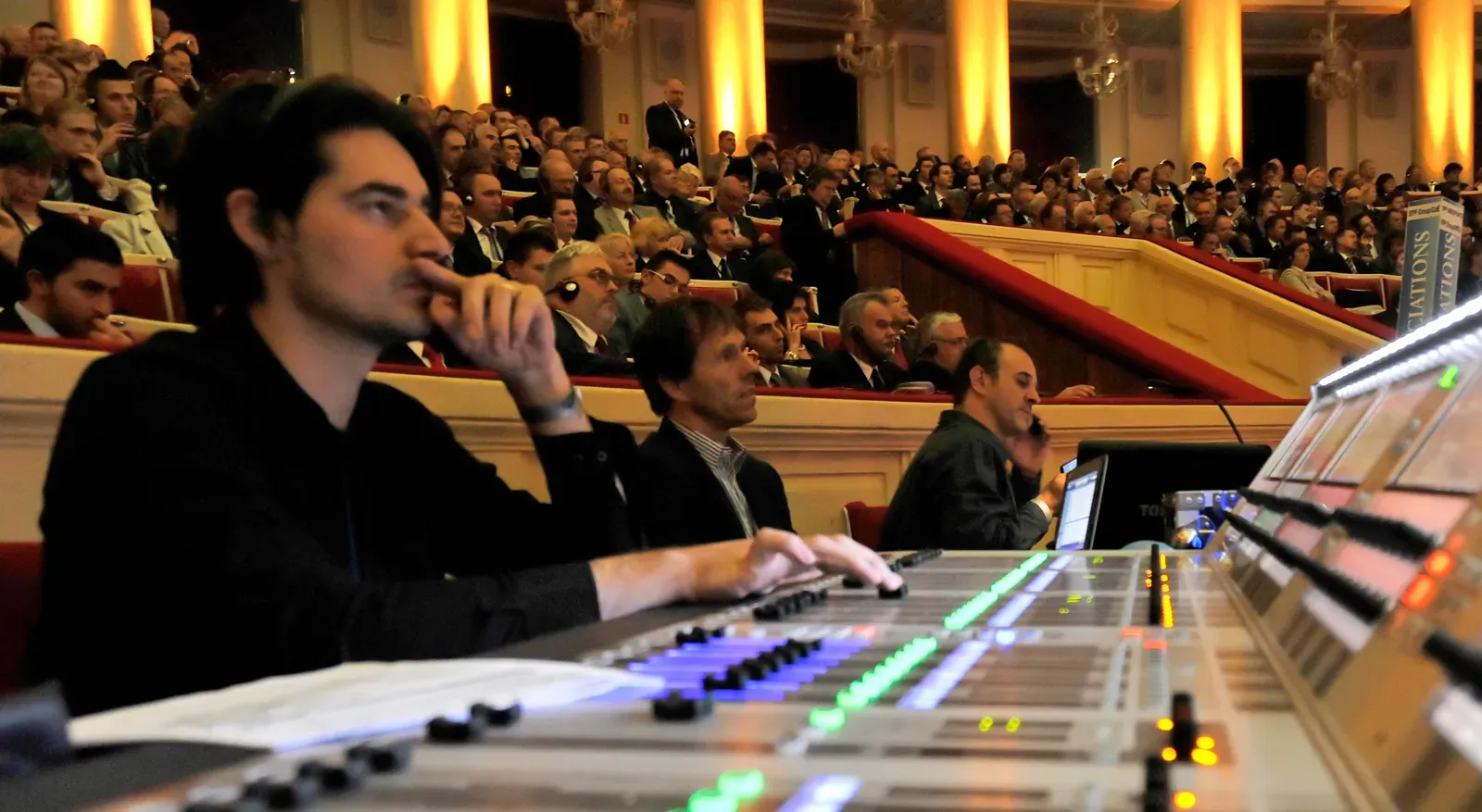
A big part of what makes live music sound special is the real-time work of skilled sound engineers. Unlike in a studio, where every detail is tweaked and controlled, live mixing happens on the fly. The Audio Engineering Society reports that this in-the-moment approach lets engineers respond to the mood of the venue and the crowd, adjusting levels and effects to make sure the sound is just right. Sometimes, this dynamic mixing can make instruments clearer and give the music more punch than the studio version.
Another reason why live performances can sound better is sound engineering. A good sound engineer can make a huge difference in how a band sounds live – they can adjust the levels of each instrument and vocal, making sure that everything is balanced properly, which can lead to a much better sound than what you might hear on a studio recording. In a live setting, there is no safety net, and that is where real talent can blow audiences away. Musicians often stretch themselves in unexpected ways, nailing complicated solos or harmonies that might not even make it onto the studio cut. The National Endowment for the Arts has reported that live performances reveal an artist’s full range of skills, often surprising fans with just how much talent is on display.
Taylor Swift’s Eras Tour became the highest-grossing tour ever with 4.35 million attendees across 149 shows by mid-2024, a figure that underlines how powerfully the promise of a live performance draws people in. The numbers, the neuroscience, and the lived experience of millions of concertgoers all point toward the same conclusion: for many bands, the stage is where their music truly lives.