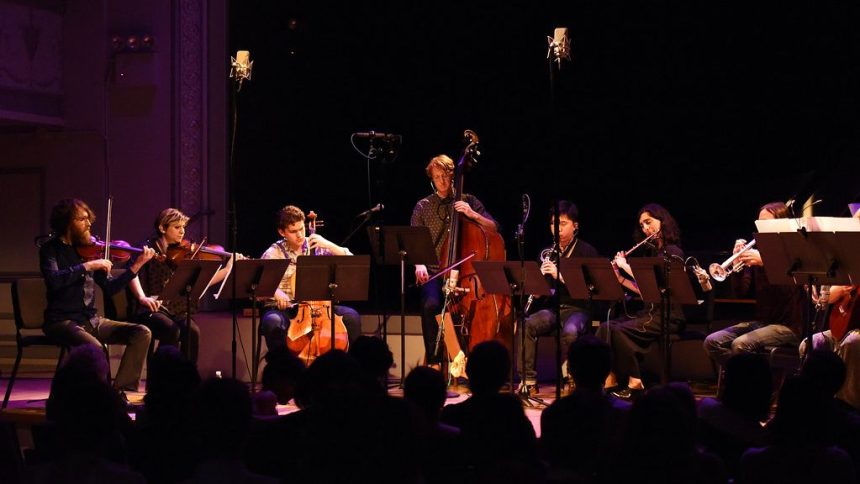
There’s something almost impossible to explain about standing in a crowd, feeling the bass hit your chest, and realizing that a band you’ve heard a thousand times through speakers is somehow completely different right in front of you. Better, even. Richer. More alive. You know the song note for note, but this version of it feels like you’re hearing it for the first time.
It’s not just your imagination. The science backs it up. The psychology backs it up. Even the economics of the global live music industry, now growing at a pace that streaming can’t touch, backs it up. So what exactly is going on here? Let’s dive in.
Your Brain Actually Responds Differently to Live Music

Here’s where things get genuinely fascinating. In February 2024, researchers at the University of Zurich published a landmark study in the Proceedings of the National Academy of Sciences that changed how we understand live music. Unlike recorded music, intense musical emotions are most often expressed in live performances, and the study showed that live music can stimulate the affective brain of listeners more strongly and consistently than recorded music.
This wasn’t a vague, soft-science finding. Live music not only elicited significantly higher activity in the amygdala of the listeners but also in a broader neural network that is essential for processing emotions from music. Think of the amygdala as your brain’s emotional engine. When a live band fires it up, the whole system revs harder.
The study showed that pleasant and unpleasant emotions performed as live music elicited much higher and more consistent activity in the amygdala than recorded music, and the live performance also stimulated a more active exchange of information in the whole brain, pointing to strong emotional processing in both the affective and cognitive parts. So the next time you feel genuinely moved at a concert in a way you never do at home, trust that instinct. Your brain is simply working harder, and feeling more.
The Crowd Becomes Part of the Instrument

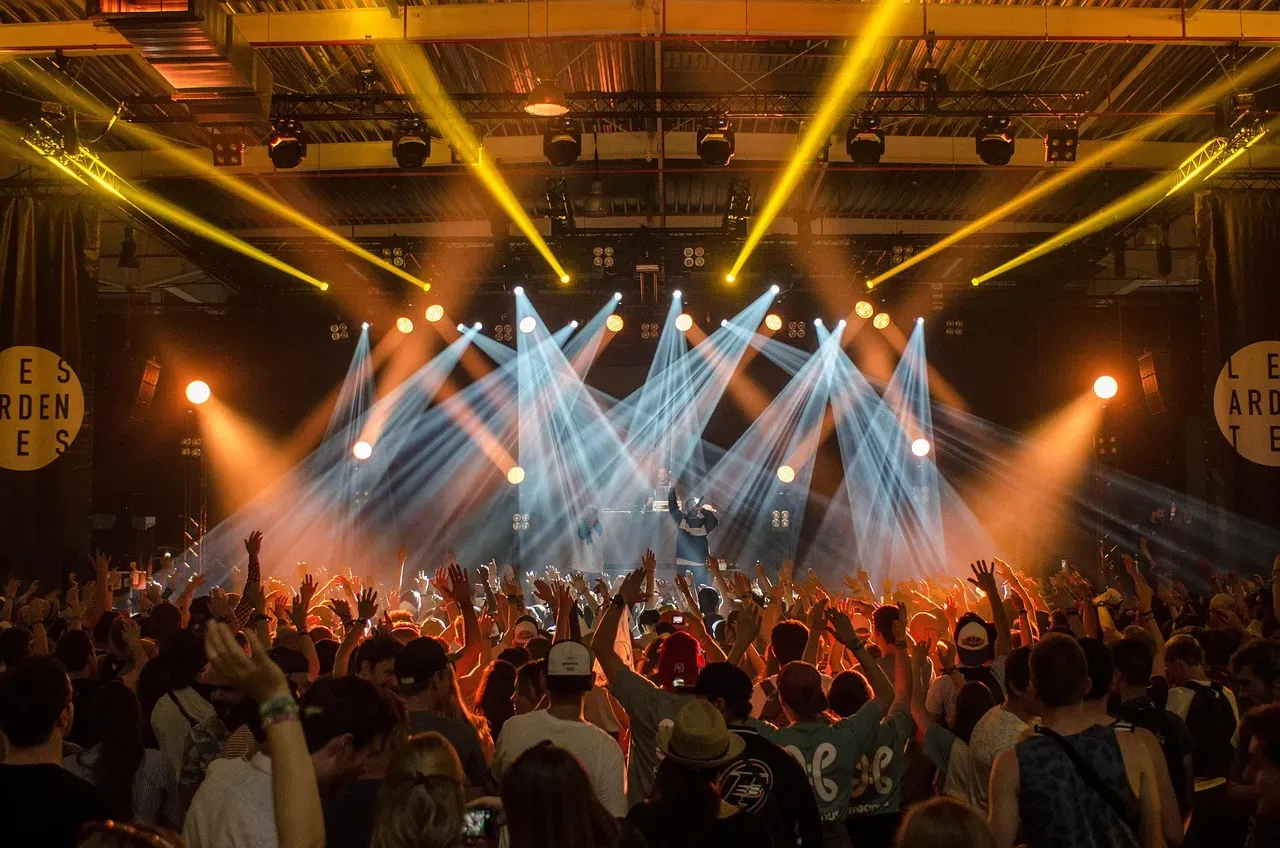
One of the most underrated elements of a live show is the one you barely notice: the people standing right next to you. The crowd isn’t just an audience. It’s an active ingredient. And science is now confirming just how deeply that collective energy affects the experience.
Clear evidence has been found of physiological synchrony, including heart rate, respiration rate, and skin conductance response, as well as movement synchrony of audiences at live concerts. In plain terms, your body starts to physically sync up with the people around you. That shared shiver when a band launches into an unexpected intro? That’s biology.
Links were found between bodily synchrony and aesthetic experiences, with synchrony, especially heart-rate synchrony, being higher when listeners felt moved emotionally and inspired by a piece, and were immersed in the music. A recording simply cannot create that kind of group resonance. It’s a one-way signal sent into your eardrums. Live music, on the other hand, ripples through an entire room of human bodies simultaneously.
Musicians Play Differently in Front of a Live Audience

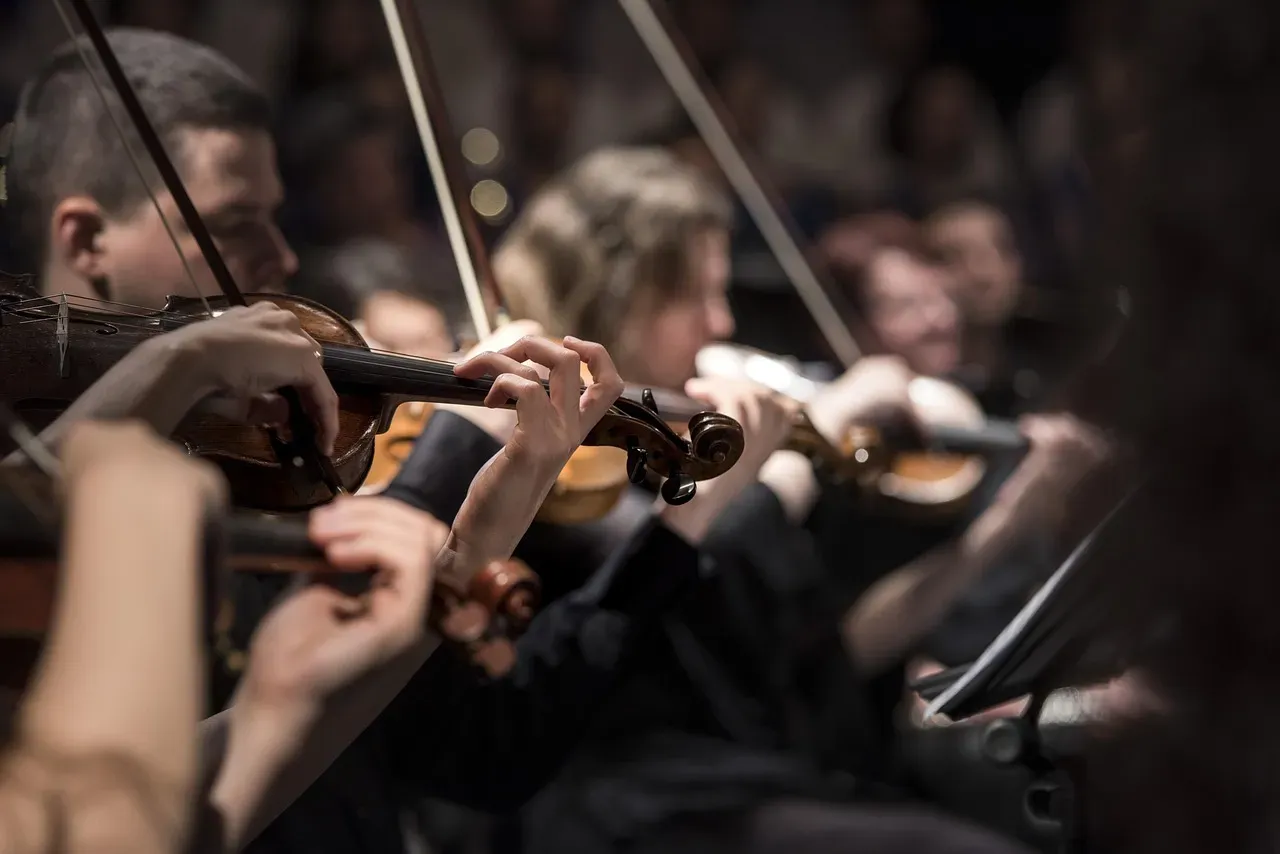
Here’s the thing that every seasoned concert-goer knows but can’t always articulate: musicians perform differently when there’s a crowd watching. It’s not just nervousness or adrenaline, though those matter. It’s something more fundamental. One theory as to why live performances are preferred over studio recordings relates to a phenomenon called social facilitation, whereby skilled performers carrying out simple or familiar tasks tend to perform better in the presence of others.
Live performances often result in more raw and emotional interpretations of the music, where imperfections can add character and authenticity, and the immediate feedback from a live audience can inspire musicians to take creative risks and push the boundaries of their performance, making each live show a unique experience. That energy bouncing back from the crowd actively shapes what the musicians play next. It’s almost like a conversation.
In a live performance, while the audience connects to the musician, the opposite is also obviously true: musicians feed off the connections established during a concert. A studio is a technically perfect but socially sterile environment. A stage is the opposite. Honestly, it’s remarkable how much that single difference changes everything about the sound.
The Human Body Physically Synchronizes With Live Music


Go even deeper into the research and what you find is almost uncanny. In a concert, members of the audience can respond emotionally to music owing to their biological synchronization to the audio input, though the mechanism underlying this biological response has been unclear. A pioneering study found that music-induced heart-rate synchronization is highly correlated within an individual.
The world’s largest music experiment, conducted in June 2024 by researcher Alexander Refsum Jensenius in collaboration with the Norwegian Broadcasting Corporation’s orchestra, added another layer to this understanding. Among the audience, composer Edward Elgar’s “Nimrod” from the Enigma Variations elicited a strong reaction with many reporting goosebumps, and data revealed heightened heart rate variability, a physiological marker of emotional arousal.
Preliminary findings from that experiment suggest that musicians and audience members may synchronize their breathing during certain moments, building on prior research showing that musicians’ heartbeats can synchronize during performances. When you’re standing at a concert, your heart and your breath are quietly aligning with the people around you. No playlist has ever come close to doing that.
Studio Perfection Can Ironically Kill the Magic
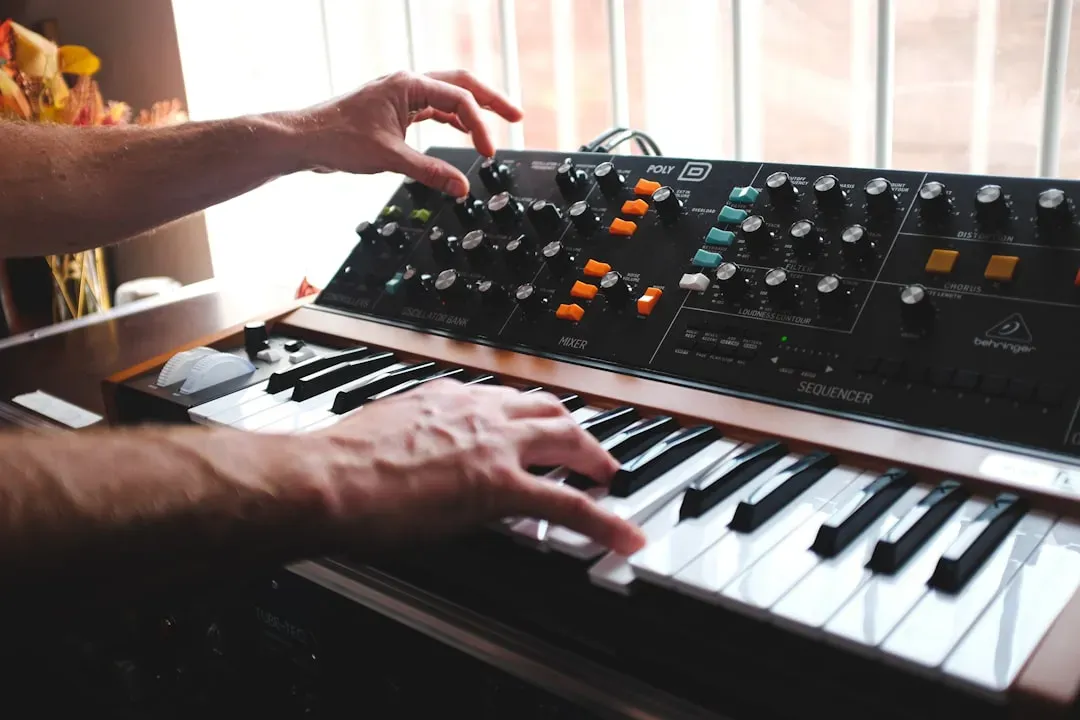
Let’s be real about something: the studio is a remarkable tool. Artists can layer sounds, correct timing, adjust pitch, and sculpt their sonic vision with surgical precision. In a studio setting, musicians enjoy the luxury of time, allowing them to meticulously craft each note, adjust sound levels, and make use of various technologies to enhance their sound, resulting in a polished and refined final product.
The problem? Sometimes all that polishing removes the very things that make music feel human. Critics often argue that studio recordings lack the energy and spontaneity of live performances and are sometimes seen as too polished or artificial, lacking the rawness that many music enthusiasts crave.
The charm of live recordings lies in their authenticity. They offer listeners an unfiltered experience, with raw vocals, spontaneous guitar solos, and drum fills that weren’t planned, all contributing to a unique listening experience that more meticulously built studio recordings often lack. It’s the musical equivalent of preferring a handwritten letter over a typed email. The imperfections tell the story.
Improvisation Creates Moments That Can Never Be Copied

One of the most thrilling things about catching a truly great live band is the feeling that anything could happen. That unpredictability isn’t a bug. It’s the entire feature. One of the most thrilling parts of a live show is never knowing exactly what you’ll hear, as many bands embrace improvisation, stretching songs with new solos, surprise twists, or even completely reimagined sections, keeping each concert fresh and exciting.
Partner offer

The Grateful Dead, for example, became legendary for improvising entire sections of their shows, making every performance a unique journey, and the Journal of Popular Music Studies points out that improvisation in live settings keeps audiences engaged and coming back for more. There’s a reason people used to follow that band from city to city. No two nights were the same.
Even bands that typically stick to their studio arrangements often add little flourishes or playful moments you won’t find on the album, and for fans, these moments are treasures, a reminder that music is alive and always changing. I think this is what separates a good concert from a great one. It’s that singular, irrepeatable moment you end up talking about for years.
Venue Acoustics Shape the Sound in Unexpected Ways

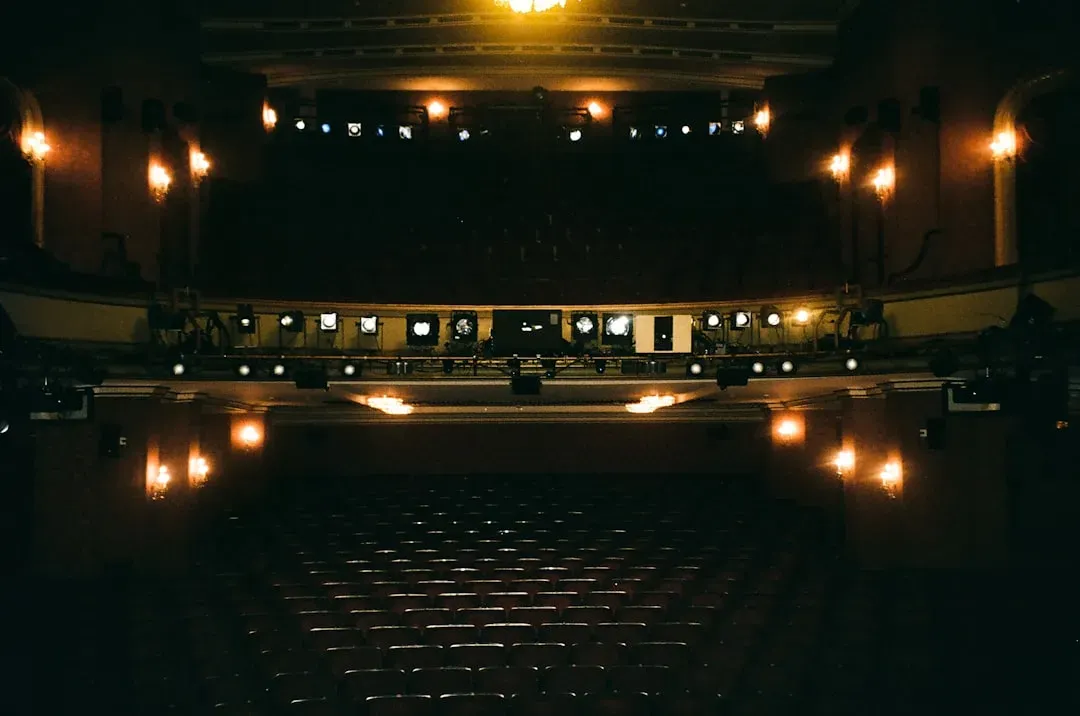
Here’s something most casual music fans never think about: the room itself is an instrument. Every venue has its own acoustic signature, its own way of absorbing or projecting sound, and it colors the music in ways a studio track simply cannot replicate. The place where music is played matters almost as much as the music itself, as venues have their own personalities, from the echo of a cathedral to the intimacy of a small club, and the Red Rocks Amphitheatre in Colorado is famous for its stunning natural acoustics, often credited for unforgettable concerts.
The Acoustic Society of America has reported that certain venues can enhance a band’s sound by amplifying specific frequencies and creating a sense of depth that recordings just can’t match. Think about seeing a jazz quartet in a small, wood-paneled club versus listening to the same album through your phone speaker. The room wraps around the music.
The energy of the space, combined with the crowd and the music, blends into a sensory experience that’s hard to describe but impossible to forget, and sometimes it’s the imperfect acoustics of an old building that give a show its character, with echoes and reverb adding a mysterious magic. It’s hard to say for sure, but I suspect this venue effect accounts for more of what makes live music feel special than most people ever realize.
Bands Rearrange Their Songs Specifically for Live Performance

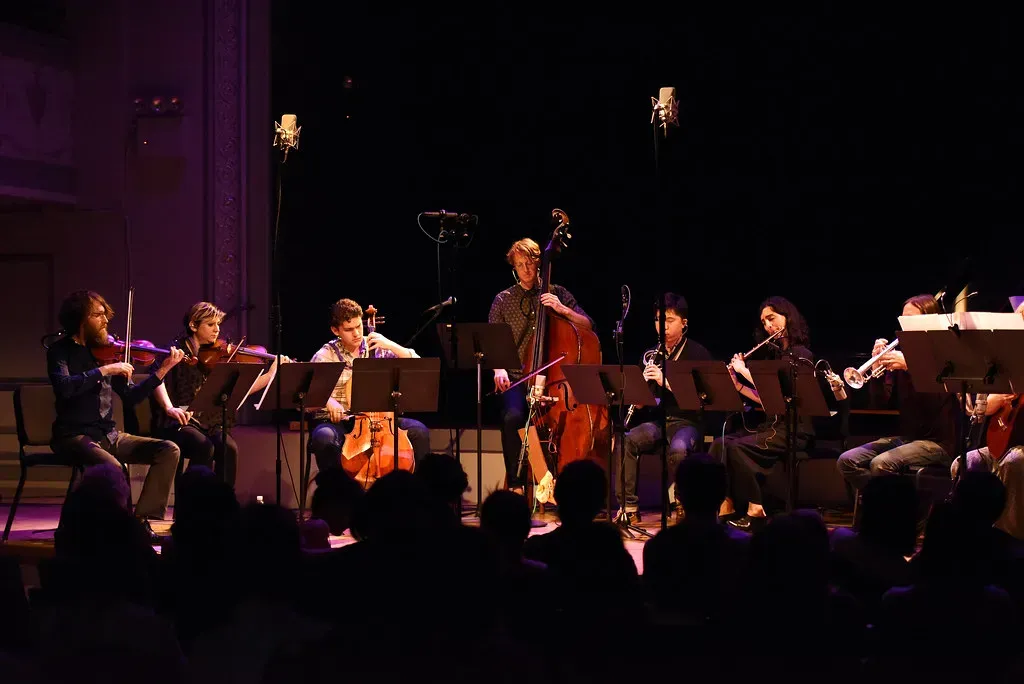
Smart bands understand that a song designed for headphones and a song designed for a stage are fundamentally different creatures. Many artists consciously rework their material when they tour, extending bridges, stripping things down, or adding entirely new passages. When bands play live, they often shake up the structure of their songs, perhaps with a slower intro, a faster tempo, or a completely new ending, and these fresh arrangements can make even the most familiar songs feel brand new.
Coldplay, for instance, is known for tinkering with their tracks during concerts, surprising fans with unexpected changes, and research from the University of Cambridge found that people are more likely to remember songs that have been changed or reinterpreted live. Memory and novelty are deeply linked, which means that live rearrangements literally make music more memorable.
This is also why concert recordings released as live albums so often feel electric, even to people who weren’t there. The songs breathe differently. They stretch and contract in ways the studio version never allowed. Sometimes that freedom is exactly what a song was waiting for all along.
Live Music Triggers Neurochemical Responses Recordings Simply Don’t

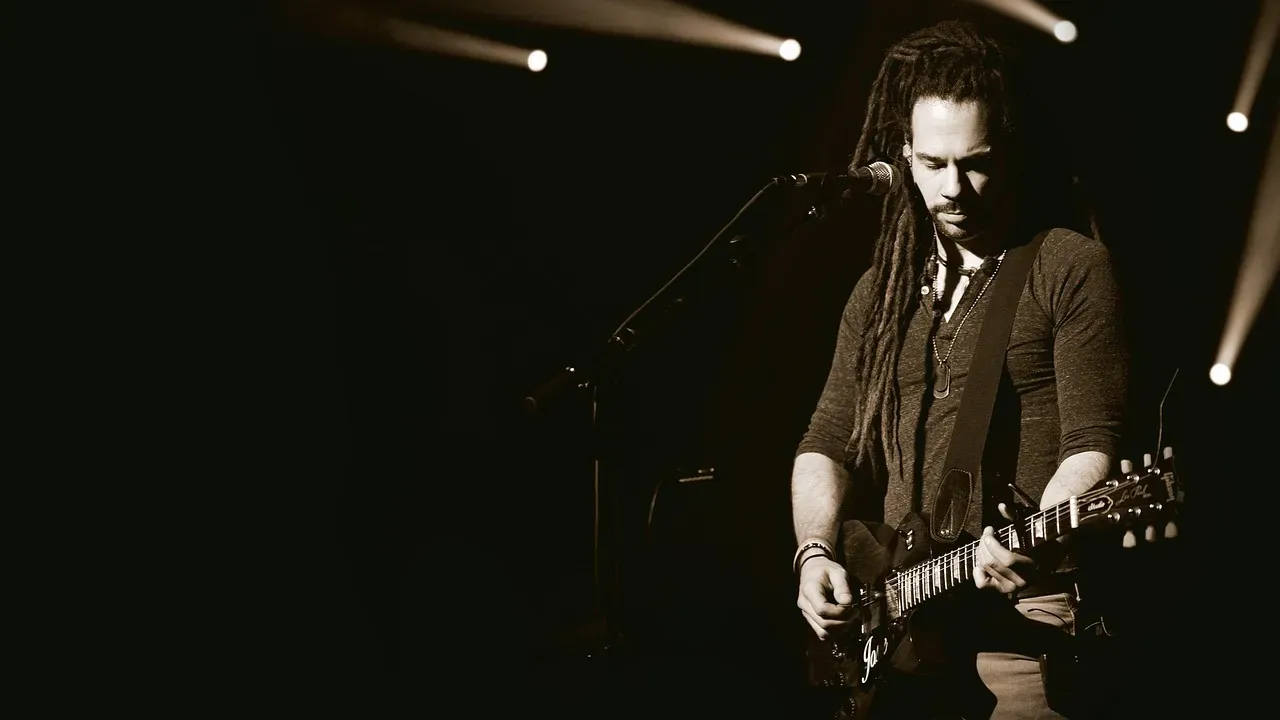
Beyond the emotional, there’s a chemical dimension to the live music experience that deserves serious attention. Live music researchers suggest releases a brain-derived neurotrophic factor that promotes neurogenesis, the growth of new neurons in our minds, and can even lower blood pressure and relieve pain. That’s an extraordinary claim about what’s happening inside your skull during a great concert.
Only live music showed a strong and positive coupling between the features of the musical performance and brain activity in listeners, and live music also caused a strong synchronization between their emotional experience and the auditory brain system, the part of the brain that assesses music according to its acoustic quality. In other words, when you’re at a show, your emotions and your sensory processing are firing in tandem in a way recordings simply cannot replicate.
Even today, despite music streaming platforms and high-quality loudspeakers and headphones, the social experience of attending a live concert cannot be replicated. Science isn’t just suggesting that live is better. It’s describing the mechanisms by which live music rewires your emotional responses in real time. That’s not something a Spotify playlist has ever managed to do.
The Numbers Prove That People Know Live Is Different

If all of this were just theory, audiences wouldn’t be spending like they do. The data from the live music industry tells its own compelling story. The global live music market grew from roughly 35 billion dollars in 2024 to nearly 39 billion dollars in 2025, and it is expected to continue growing at a rate of nearly nine percent annually, reaching over 62 billion dollars by 2034.
Live Nation reported a record-setting year-end revenue of 23.16 billion dollars for 2024, with concert attendance up four percent and 151 million fans attending over 50,000 Live Nation events. These aren’t people who stumbled into a concert by accident. They chose to go, paid real money, and showed up in record numbers.
Gen Z concertgoers alone spent over 2,100 dollars during the past two years, proving a willingness to pay premium prices when experiences feel unique. There is a generation that grew up with infinite music streaming available for almost nothing, and yet they are spending more on live concerts than perhaps any previous generation. That choice is the most honest vote of confidence live music will ever receive. It says, without words, that a recording is a photograph and a concert is the real thing.
Conclusion: The Stage Is Where Music Becomes Something Else Entirely
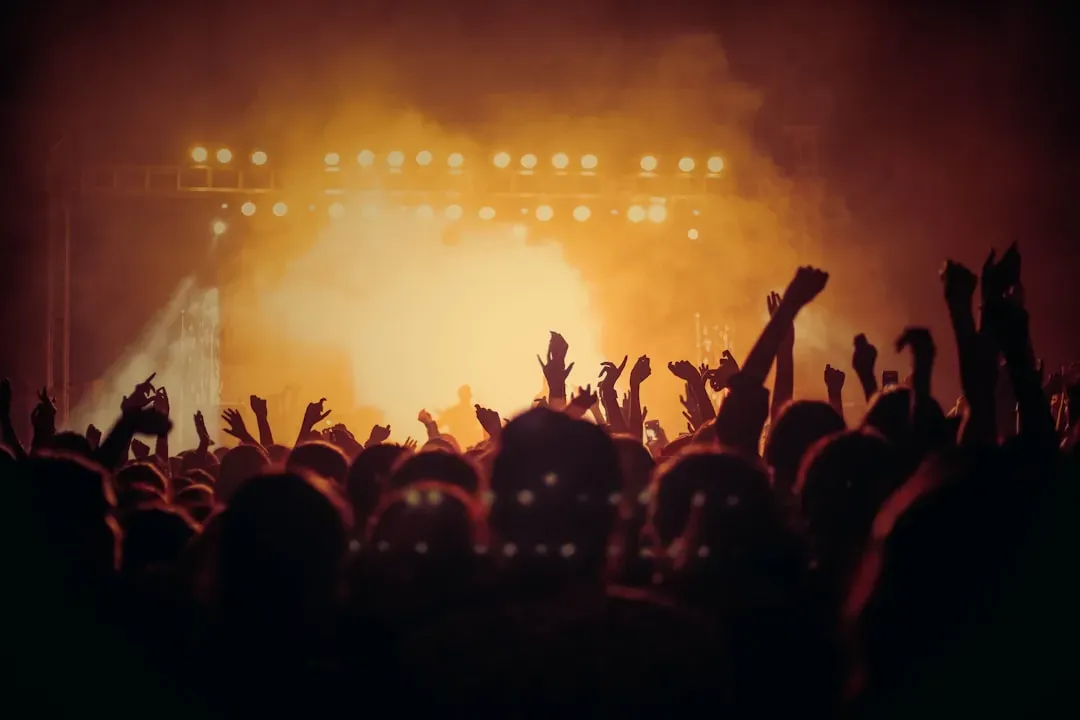
When you stack all of this up, from the neuroscience to the crowd physiology to the economics, a clear picture emerges. Live music doesn’t just sound different. It functions differently, in your brain, in your body, and in the invisible field between you and everyone else in the room.
The studio is where songs are born. The stage is where they grow up. Bands that understand this distinction are the ones who sound genuinely transcendent in front of an audience. They aren’t just playing the songs louder. They are playing them differently, with more risk, more response, more rawness.
There’s something almost poetic about the fact that in an era of perfect digital audio and limitless streaming libraries, humans are still packing into sweaty venues to be physically close to musicians. Maybe that never needed explaining. Maybe the body always knew what the science is only now confirming. Have you ever left a concert feeling like you heard a completely different band than the one on your playlist? What song was it?
Partner offer
Planning a trip to Vegas?
Compare hotel rates and show tickets on VEGAS.com.