Most people would never put Shakespeare and Kendrick Lamar in the same sentence. One composed sonnets for the Elizabethan court, the other raps over trap beats for sold-out arenas. Honestly, on the surface, they couldn’t look more different. Yet the more you dig into both worlds, the more an undeniable truth emerges: poetry and hip-hop are not just distant cousins. They’re cut from the same cloth. The history runs deeper than most realize, and the parallels are far too consistent to be coincidental. Get ready to look at your playlist completely differently. Let’s dive in.
The Ancient Roots That Both Art Forms Share

Here’s the thing most people miss: hip-hop didn’t just appear out of nowhere in the Bronx in the 1970s. The roots of rap can be traced much further back in history to the West African griot tradition. Griots were historians, storytellers, poets, and praise singers. Think of them as the original MCs, traveling from village to village, preserving memory and culture through rhythmic speech and song.
Griots were the primary keepers of oral tradition in West African societies, preserving genealogies, historical narratives, and cultural values through storytelling, poetry, and song. The parallel to modern rap is stunning when you hold the two side by side. Griot tradition has greatly influenced modern hip-hop. The tradition of speaking a song to rhythm draws directly from griot performance style. This, combined with the griot tradition of storytelling, has led to comparisons of modern rappers to griots as “postmodern griots.”
The roots of rap can be traced back to post-colonial West Africa and the griot tradition. It can be argued that Africans were rapping long before the transatlantic slave trade. In fact, Afrika Bambaataa himself calls the rapper a “postmodern griot.” Poetry, too, began as an oral practice, chanted and performed before it was ever written down. Both art forms share that same ancient pulse.
Rhythm: The Heartbeat They Can Never Escape

The heartbeat of both poetry and hip-hop is rhythm. Traditional poetry relies on patterns of stressed and unstressed syllables, creating a musicality that draws listeners in. Hip-hop, similarly, is built on structured beats and syllabic timing, where every word and pause is carefully placed to fit the flow. This isn’t a happy accident. It’s architecture.
Dating back to the 16th century, poets such as Shakespeare used a particular rhythm known as iambic pentameter, a line of verse composed of ten syllables arranged in five metrical feet. Many historians and literary critics have argued that Shakespeare’s usage of this pattern was one of the reasons for his massive popularity. Hip-hop artists do something strikingly similar, pairing syllables to beats per minute, building tension and release the same way a sonnet builds toward its final couplet.
According to the Journal of Music and Meaning, rhythm in hip-hop can evoke strong emotional reactions, just as it does in classic poetry. When you listen to a poem or a hip-hop track, the cadence pulls you through the story, making the experience immersive. Strip away the beat from a great rap verse and you still feel the meter. That’s the sign of genuine craft.
Figurative Language: Metaphors, Similes, and Wordplay
Hip-hop and poetry are also similar in their usage of figurative language. The main purpose of these various devices is to help the audience interpret a more nuanced perspective or simply to create a more memorable image within the reader’s mind. Poets and hip-hop artists are both masters at utilizing figurative language. A great metaphor hits the same way whether it’s delivered over a beat or recited at a podium.
Rappers often use the same techniques that poets have been relying on for centuries: imagery, metaphor, simile, persona, rhyme and rhythm, and attention to language. Rappers such as Kendrick Lamar have found critical acclaim for their work. I think this is where the skeptics tend to lose ground fastest. Try to argue that a Lamar verse lacks poetic complexity, and you’ll run out of ammunition quickly.
Rap lyrics and poetry are often closely related, as both forms of expression rely on language, rhythm, and imagery to convey their messages. Many rap lyrics contain sophisticated wordplay, complex rhyme schemes, and vivid metaphors, similar to traditional poetry. Some argue that rap is a modern form of oral poetry, bridging the gap between the written word and musical performance.
Rhyme Schemes: The Technical Backbone of Both Worlds

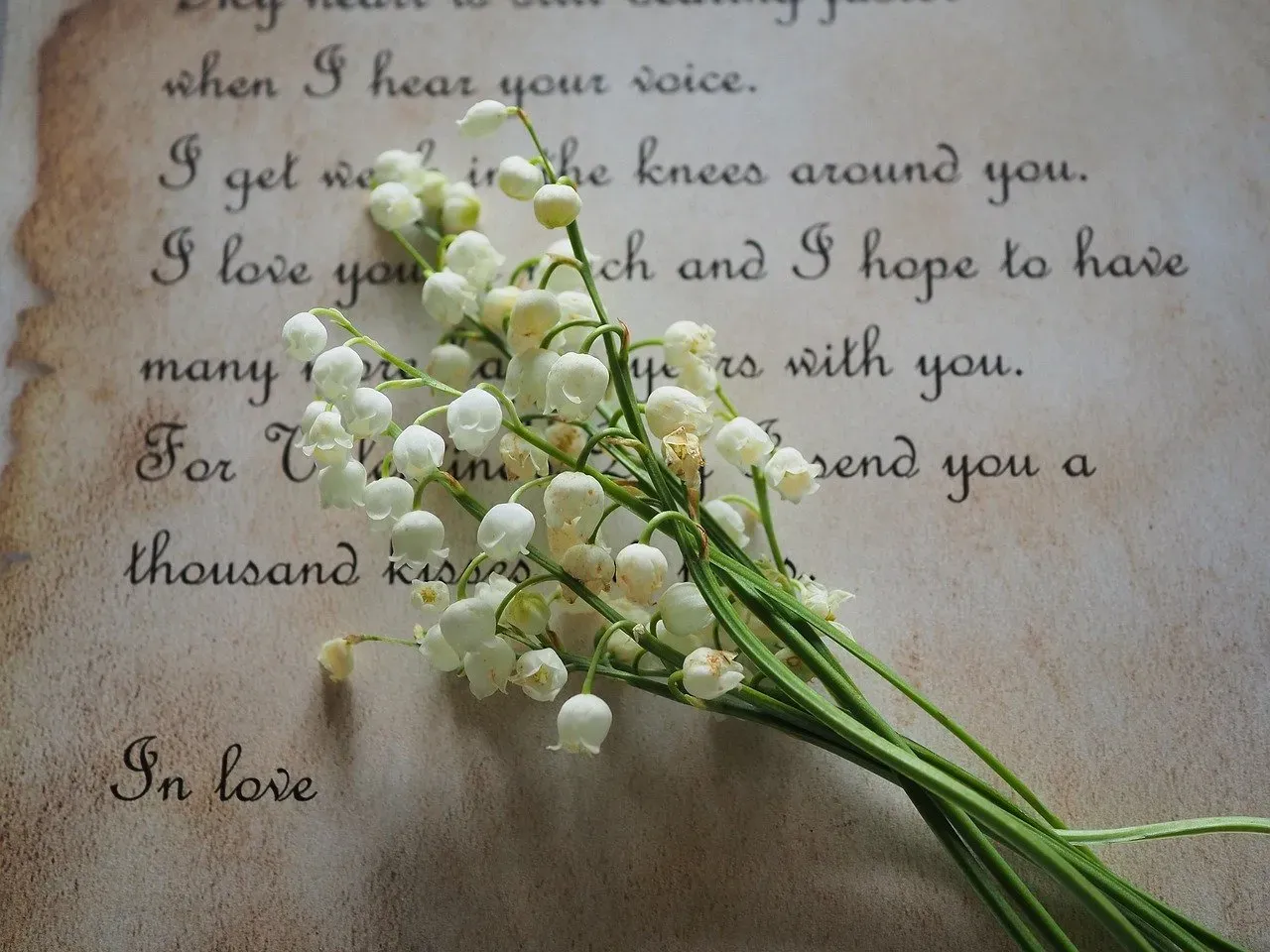
The most visible similarity between poetry and hip-hop is its rhyme schemes. Without incorporating rhyme, neither hip-hop nor poetry would be nearly as successful as they are now. Whether the rhymes are in the middle of lines, at the end of successive lines, or having the same consonant and vowel sounds at different times, both forms employ rhyming to a great extent. It’s essentially the same rulebook, written centuries apart.
Rhyme is a crucial element, involving the repetition of same or similar sounds in two or more words. Both hip-hop and poetry often feature rhyme schemes that dictate the pattern of rhyming words in a stanza or verse. Common rhyme schemes include AABB, ABAB, and ABCB. Meter, the organization of a line of verse into stressed and unstressed syllables, adds structure to both forms.
Using a dataset of 3,814 songs from 146 influential artists spanning four decades, researchers employing natural language processing techniques found a 23.7% increase in vocabulary diversity over the study period. East Coast artists demonstrated 17.3% higher lexical variation than other regions. Rhyme density increased by 34.2% across all regions, with Midwest artists exhibiting the highest technical complexity. Those numbers speak volumes. Hip-hop isn’t getting simpler. It’s getting richer.
Social Commentary: Speaking Truth to Power

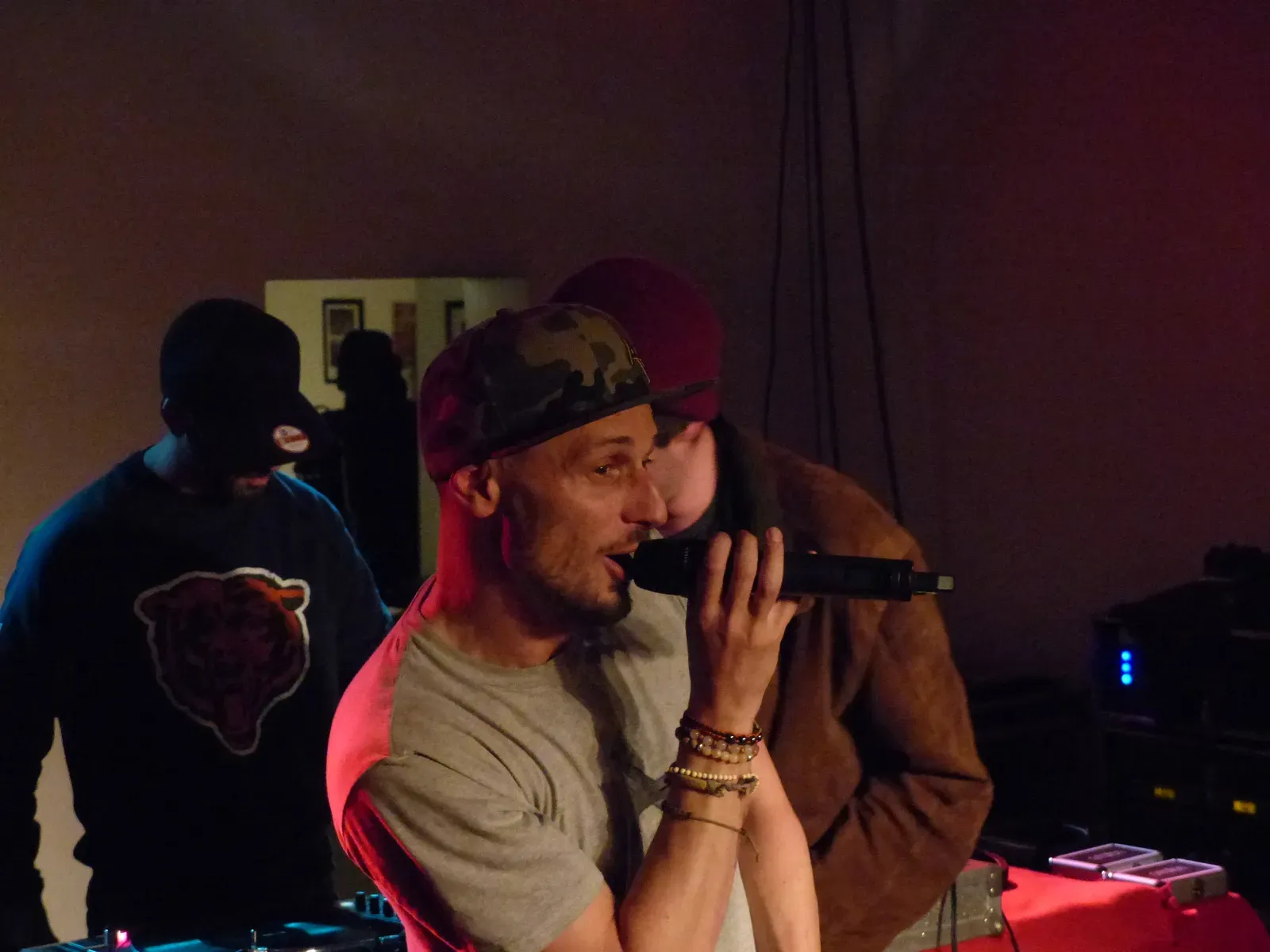
From Homer’s epic critiques to the protest anthems of Nas and Public Enemy, social commentary is a cornerstone of both poetry and hip-hop. The Pew Research Center notes that hip-hop often tackles issues like systemic racism, economic inequality, and political unrest, echoing the themes of classic poets who challenged the status quo. This is the thread that connects Whitman to Wu-Tang, Keats to Kendrick.
Topic modeling of hip-hop lyrics identified significant shifts in thematic content, with social justice themes decreasing from 28.5% to 13.8% of content over four decades while introspective themes increased from 7.6% to 26.3%. Sentiment analysis demonstrated that lyrics became significantly more negative during sociopolitical crises. Poetry does the exact same thing. The form responds to the world around it.
Rappers, like griots, are to their communities valuable human instruments who are entrusted to carry and preserve society’s history and culture. They build on the rich and complex hip-hop tradition and respect the tradition through historically grounded and contextualized critical insights. That’s not entertainment. That’s literature with a bass line.
Storytelling: The Rise of Narrative in Hip-Hop

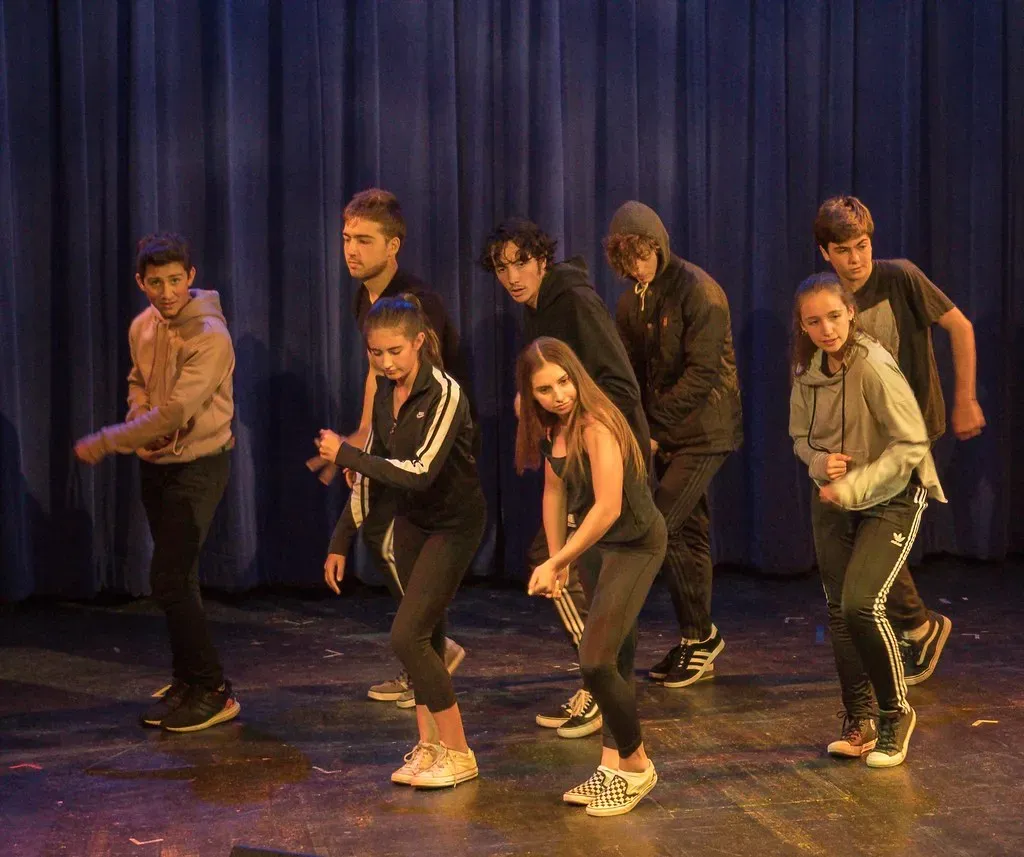
UC Berkeley researchers used machine learning to analyze more than 5,000 Billboard Hot 100 hits, finding that storytelling has been on the uptick since the 1990s thanks to the rise in popularity of hip-hop. This is a remarkable finding. It means hip-hop didn’t just contribute lyrical complexity to popular music. It brought narrative back entirely.
Researchers found that narrativity in songs has actually been on the uptick since the 1990s. This is due in large part to the rise in popularity of hip-hop, which is rife with narrative and storytelling. Classic epic poetry was built on the same foundation. Homer told stories. So does Nas. The medium changes. The instinct doesn’t.
Hip-hop’s trajectory, from simple party rhymes to complex lyrical constructions incorporating sophisticated literary techniques, parallels the development of other art forms that evolved from folk expressions to established artistic traditions. That’s a natural arc. Every serious art form matures. Hip-hop is simply following the same path that poetry walked centuries before it.
Cultural Preservation: Keeping Memory Alive

Poetry has always been a guardian of culture, preserving stories, traditions, and histories before written records existed. Modern hip-hop fills this same role for marginalized communities, documenting the realities of daily life through powerful lyrics. Artists describe their neighborhoods, challenges, and dreams, creating a living record for future generations.
The American Folklife Center recognizes hip-hop as a form of contemporary oral history, safeguarding cultural identity in the face of rapid change. This act of preservation isn’t just nostalgic, it’s vital for building pride and resilience within communities. This is where it gets profound. Poetry and hip-hop don’t just entertain. They archive. They ensure that certain stories are never erased.
Author Tahir Hemphill realized that archiving rap lyrics would allow a greater ability to study their changing meaning and discover what they’ve been capturing about the culture since the 1970s. Hemphill entered the lyrics to more than 50,000 rap songs into a massive database, searchable by date, artist, word, word complexity, locality, and a host of other metrics. That’s not just a musical archive. That’s a literary one.
Academic Recognition: When Scholarship Finally Caught Up

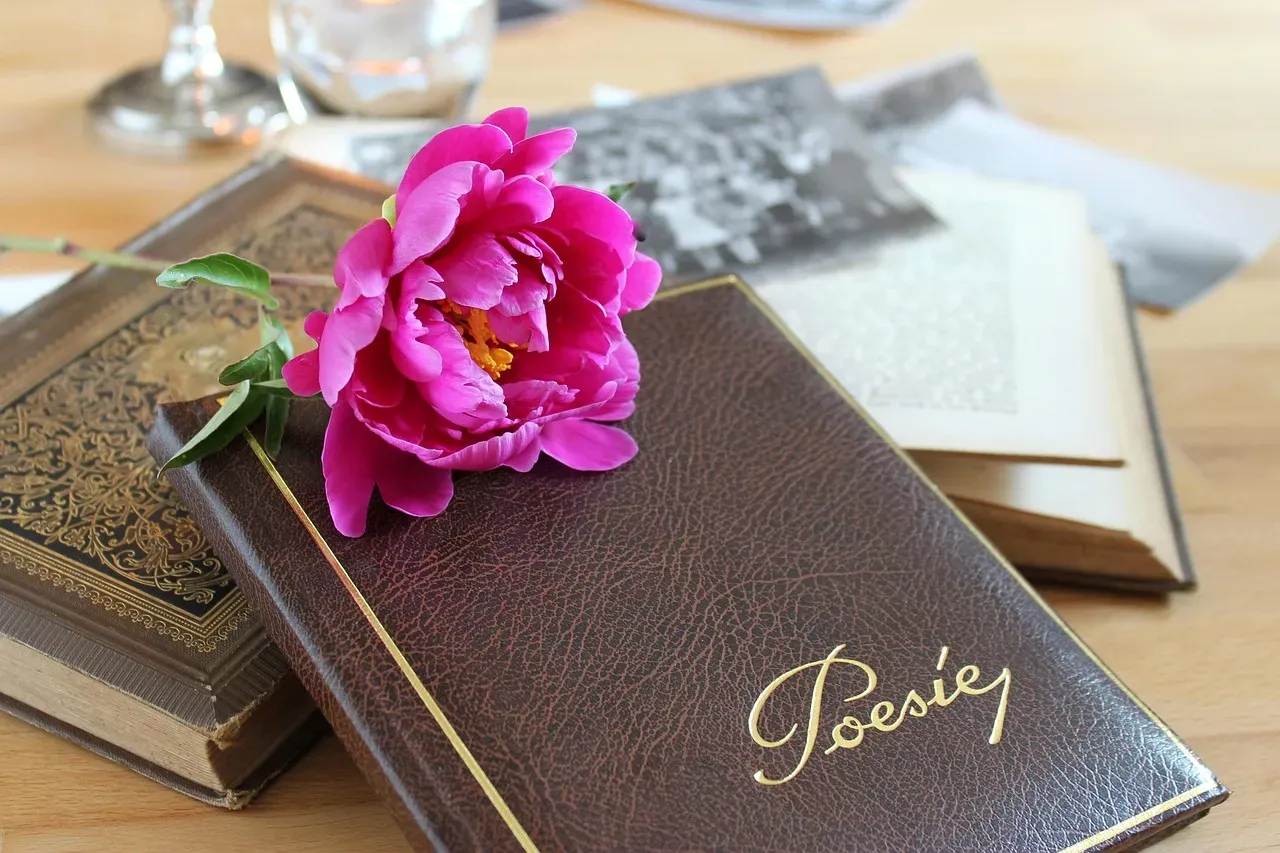
Rap has become the most popular form of American contemporary poetry today. Its powerful, lyrically complex rhymes and rhythms are heard and enjoyed globally. It took academia a while to admit this, but the shift is now undeniable and well underway.
For the last ten years, first at the University of Connecticut and now at UCLA, Amber West has used hip-hop lyrics as the literary vehicle through which she teaches academic writing, critical thinking, analytical reading and rhetoric. A lecturer in UCLA Writing Programs since 2016, West teaches a course titled “Identity and Representation in the Post-Hip-Hop Era,” with a focus on diversity. She asks her students to write about rappers’ messages and the politics and poetics of hip-hop songs.
No other poetic genre in modern times has generated a similar level of participation internationally, especially taking into account the creative activity of non-professional performers. When was the last time a form of traditional poetry went genuinely global? Hip-hop managed it within a generation. That alone deserves serious literary respect.
Kendrick Lamar and the Pulitzer: A Watershed Moment
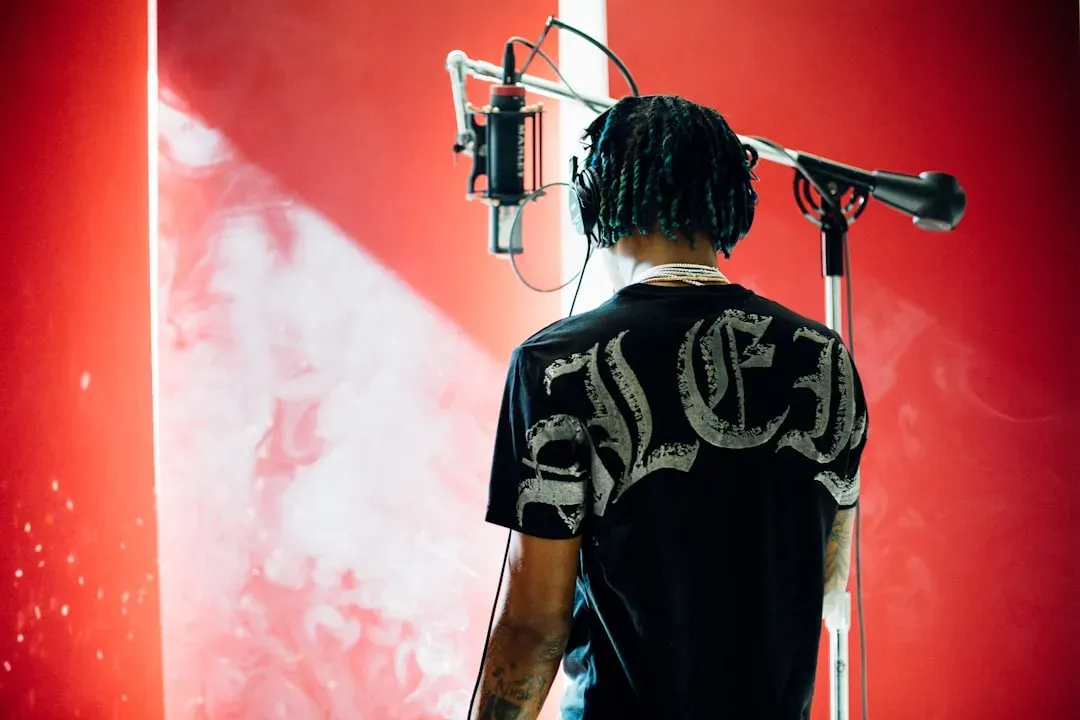
No single event signals the poetic legitimacy of hip-hop more clearly than what happened in 2018. Kendrick Lamar’s album DAMN became the first musical composition outside of the classical and jazz genres to be awarded the Pulitzer Prize for Music. That’s not a footnote in music history. That’s a seismic shift in how culture defines literature.
Lamar has been lauded for his deep lyrical content, politically charged live performances, and his profound mix of hip-hop, spoken word, jazz, soul, funk, poetry, and African sounds. The Pulitzer board didn’t hand that prize to a musician. They handed it to a poet. They just couldn’t say it in those exact words.
His Pulitzer Prize triumph is an official acknowledgement that hip-hop deserves to be studied, examined, and appreciated as poetry, raising its profile in academic and literary circles. Kendrick Lamar’s Pulitzer Prize victory has set a new standard in the music industry, encouraging hip-hop artists to strive for greater artistic brilliance and critical acclaim. This achievement has shifted how record labels and critics perceive the genre, showcasing its capacity for deep storytelling and powerful cultural commentary.
The Classroom Connection: Teaching Both as One

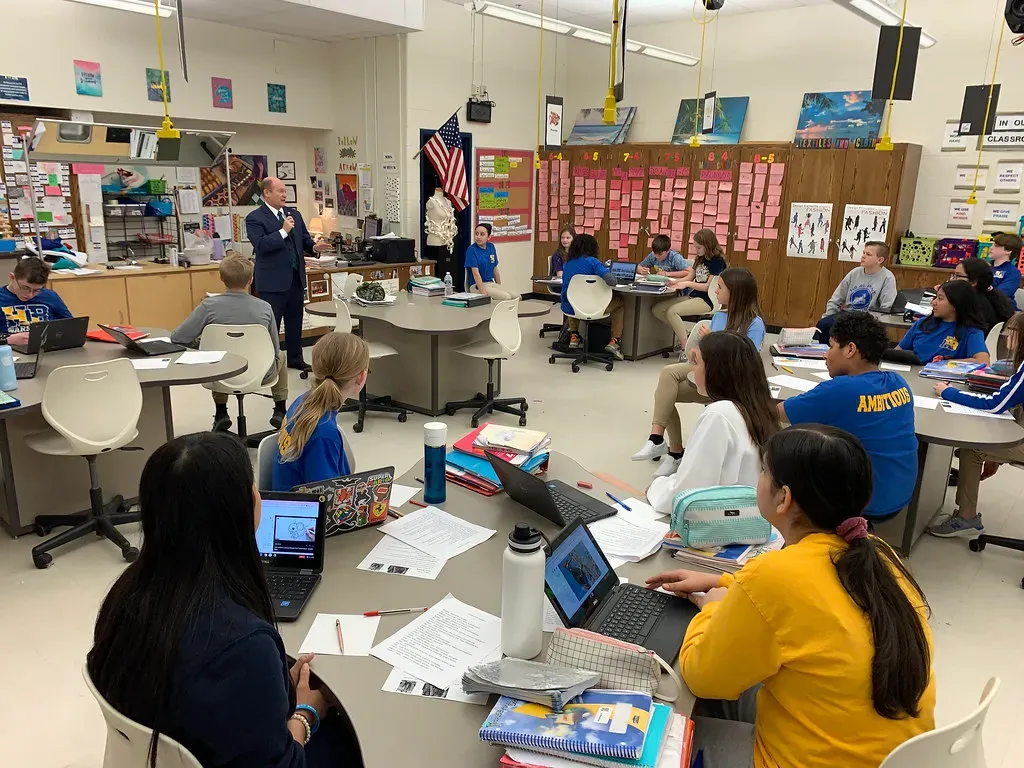
Hip-hop and poetry can play a vital role in promoting digital learning and literacy by engaging students in creative writing and critical thinking activities. Using hip-hop lyrics in the classroom allows educators to connect with students and teach essential literary concepts such as metaphor, simile, and alliteration in a more relatable and engaging way. Honestly, this might be the most practically important dimension of the whole conversation.
Fans of hip-hop can gain a deeper understanding of the bridges that link the great poets of the past to contemporary poets of today through a comparison of the writings of classic authors such as Robert Frost, Shakespeare, Rudyard Kipling, Edgar Allen Poe, and Langston Hughes with those of hip-hop artists such as Tupac Shakur, Public Enemy, Mos Def, Eminem, KRS One, and Notorious B.I.G. That’s not a stretch. That’s a curriculum.
Today, the fusion of poetry and hip-hop is celebrated through various platforms such as events, books, and educational programs. The BreakBeat Poets, for example, have published a collection entitled “The Breakbeat Poets: New American Poetry in the Age of Hip-Hop,” featuring diverse voices embodying this dynamic union between poetry and hip-hop. The boundary between the two art forms isn’t just blurring in the classroom. It’s dissolving entirely on the page.
Conclusion

The link between poetry and hip-hop was never really hidden. It was just overlooked by people who assumed the two worlds couldn’t possibly share the same DNA. They do. From the West African griot to the Elizabethan sonnet to the modern rap verse, the desire to shape language into something powerful and rhythmically alive is one of humanity’s oldest instincts.
Hip-hop and poetry have long been intertwined, rooted in the power of words and their ability to tell stories, express emotions, and spark change. With rhythm, rhyme, and flow as their cornerstone, these two art forms have evolved alongside each other, inspiring countless artists to create groundbreaking works that cross boundaries and defy genres. They always have been. They always will be.
The question was never whether hip-hop is poetry. The question was simply whether we were paying close enough attention to see it. What do you think? Drop your take in the comments below.