There’s something quietly remarkable about the fact that many of the books sitting in school libraries and on bestseller lists today were once seized by authorities, burned in public squares, or placed on government blacklists. The same titles that teachers now assign as essential reading were, at various points in history, considered threats to public order, moral decency, or political stability.
The overlap between “most widely read” and “most fiercely banned” is not a coincidence. It often turns out that the books most capable of changing how people think are exactly the ones that make those in power uncomfortable. That pattern holds up across centuries and across very different political systems.
The Long History of Declaring Books Dangerous
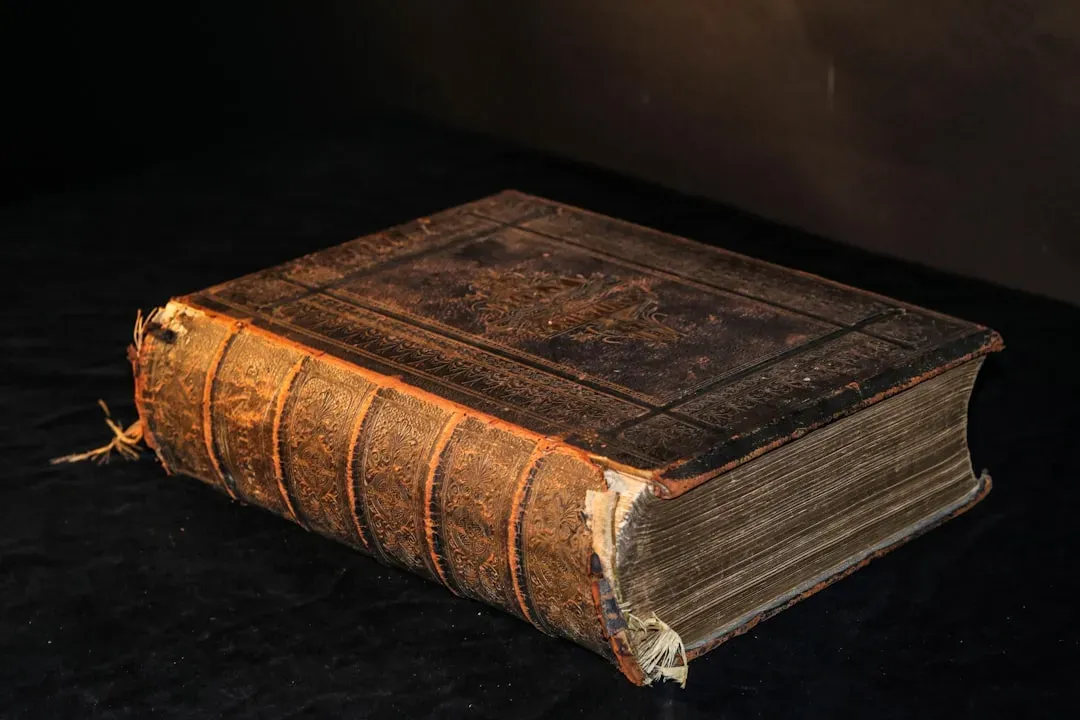
Book censorship has been around since the creation of written materials. Dating back to 212 BCE, when the Chinese emperor Shih Huang Ti burned all books in his kingdom, book bans have always been a tactic for those in power. The impulse to suppress a written idea is, it turns out, as old as writing itself.
Banned books are works that have been prohibited by law, or to which free access has been restricted by other means. The practice of banning books is a form of censorship, from political, legal, religious, moral, or commercial motives. What’s striking is how rarely the stated reason matches the real one. Governments have consistently reached for the language of morality or public safety to suppress ideas they found politically inconvenient.
Homer’s Odyssey: Freedom Was the Offense
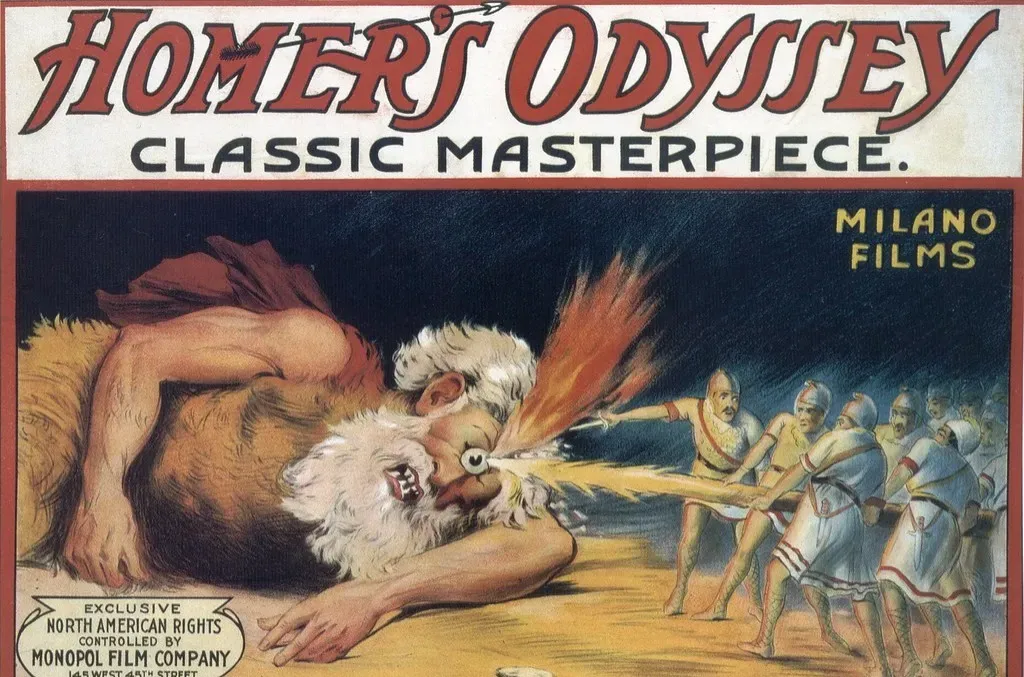
The Roman emperor Caligula opposed the reading of The Odyssey by Homer, written more than 300 years before him. He thought the epic poem was dangerous because it expressed Greek ideas of freedom. That a poem about a sailor finding his way home could be classified as a threat to state security tells you everything about the nature of political censorship.
In AD 8, Ovid was banished from Rome for writing Ars Amatoria, or The Art of Love. In AD 35, Homer’s Odyssey was restricted for its representation of freedom, something which was deemed dangerous. These ancient cases established a template that would be repeated endlessly: the most-read works are threatened precisely because their ideas spread so effectively.
The Bible: Banned by the Very Institutions It Built
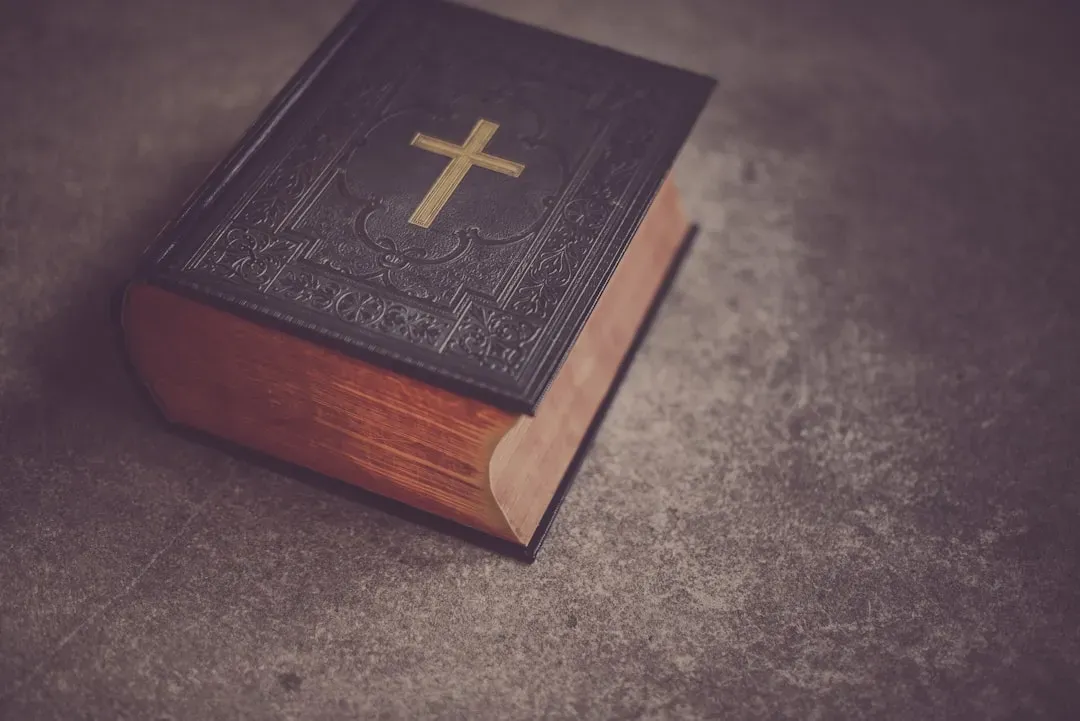
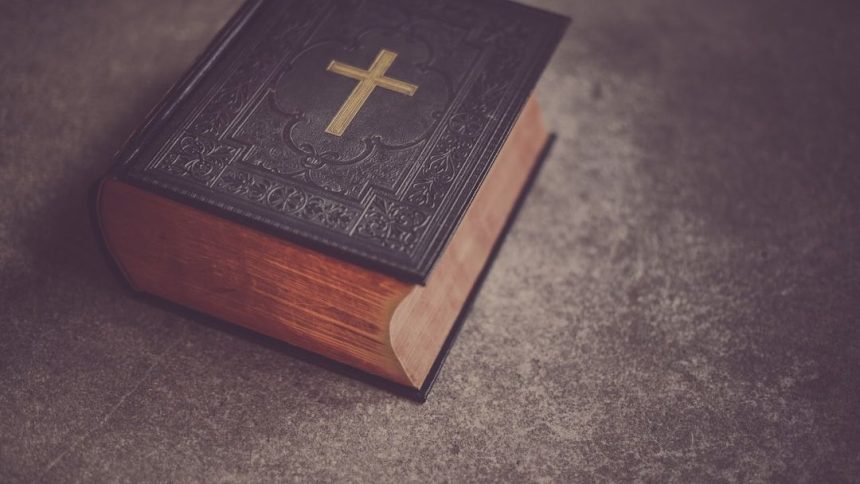
The Bible is the central religious text of Christianity, comprising the Old and New Testaments. It features a diverse collection of writings including historical narratives, poetry, prophecies, and teachings. These texts chronicle the relationship between God and humanity, detail the life, death, and resurrection of Jesus Christ, and follow the early Christian church. Considered divinely inspired by believers, it serves as a foundational guide for faith and practice, influencing countless aspects of culture and society worldwide.
Yet this most-distributed book in human history has itself faced repeated restriction. At various points, Catholic authorities banned vernacular translations, fearing that ordinary people reading scripture without clerical guidance would draw their own dangerous conclusions. The irony is hard to miss: the institution founded on this text spent centuries limiting who could actually read it.
George Orwell’s 1984: Banned for Warning About Banning
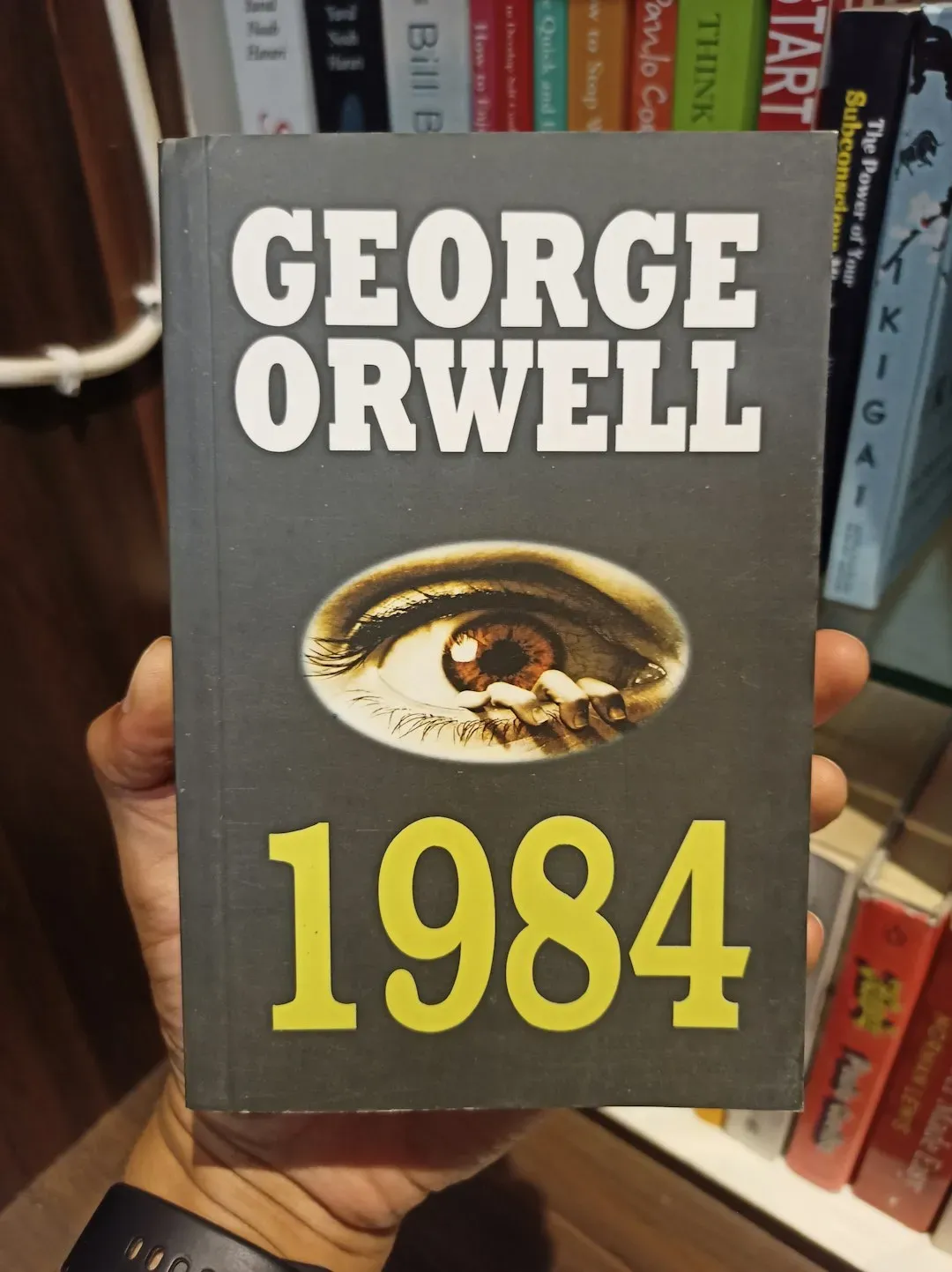
1984 is banned due to its satirical nature towards politics and leaders of government. It can be deemed as almost predictive and philosophical, making many schools wary of allowing it in libraries. Along with the political nature of the book, 1984 has also been banned for some of the sexual nature of the relationship between Julia and Winston. The irony is almost too perfect to ignore.
1984 depicts the censorship of literature and film found in Oceania, and how it has created a downfall of the book’s society, which is what makes it so ironic that 1984 itself is being censored. It was first banned in the USSR, which was quite obvious, but also in 2022 in Belarus and at the local level in the USA. A novel written specifically as a warning against state control of thought has been repeatedly used as an example of a thought that needs to be controlled.
To Kill a Mockingbird: Celebrated and Contested for the Same Reasons

Harper Lee’s most famous book is inspired by her upbringing in Alabama under Jim Crow-era segregation. Though often taught in high school classrooms, it has drawn challenges, teaching restrictions, and removal from required reading lists for its depictions of Black people, use of racial slurs, and themes of rape and incest.
In 1966, school boards banned the novel for being “immoral,” a move which made author Harper Lee publicly compare the criticism to that faced by 1984. More recently, the book has been banned for touching on “racial issues” and its use of racial slurs. In many recent cases, the book was simply taken off of mandatory reading lists, but still available for individual student reading. The objections have shifted over the decades, but the challenges haven’t stopped.
Partner offer
The Adventures of Huckleberry Finn: Twain’s Unresolved Problem
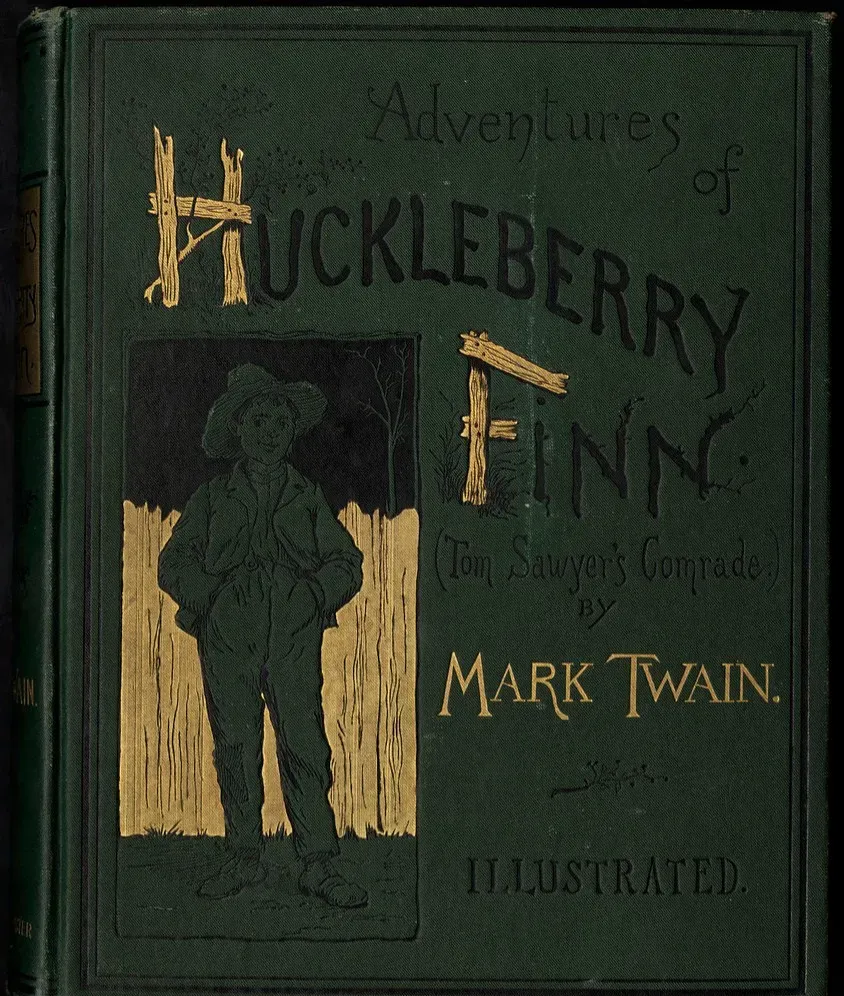
Huckleberry Finn has been challenged in schools and removed from libraries due to “backward talking” dialect, themes of racism and slavery, and frequent use of a racial slur. That slur has been edited out of copies as well. The NAACP lodged one complaint in the 1950s for the book’s more than 200 uses of the slur.
In 2022, school districts in Burbank and Santa Clarita, California, removed it from required reading lists. In 2017, it was removed from schools in Accomack County, Virginia, though the school board reinstated it a week later. Mark Twain was writing a critique of racism, not a celebration of it. That distinction has proven genuinely difficult to navigate in classroom settings, and the debate remains unresolved.
Harry Potter: Magic as a Moral Threat
The Harry Potter series was banned largely for its occult themes, otherwise seen as promoting Satanism. Its discussion of magic is seen as anti-Christian, and ruffled feathers for including actual curses and spells in the text. Beyond that, it has been banned for its characters who use “nefarious means” to achieve their goals.
The series first hit the top of the banned books list in 1999 and maintained a fairly steady presence since, though 2020 saw it finally fall off from the top ten tier. It was also banned in the USSR and the UAE due to political reasons and religious conflict, while in the USA it was removed from many schools and libraries in the past years. A series about the triumph of courage and friendship over authoritarian control has consistently attracted the attention of authoritarian-minded censors.
The Satanic Verses and the Danger of Religious Challenge
Salman Rushdie’s The Satanic Verses became a flashpoint for global controversy due to its bold exploration of Islamic themes and perceived blasphemy. The novel was swiftly banned in countries such as India and Iran, triggering widespread protests. The backlash reached a dangerous peak when Iran’s leader issued a fatwa calling for Rushdie’s death, making this book a symbol of the risks writers can face for challenging religious orthodoxy.
In 1998, the Kenyan government banned 30 books and publications for “sedition and immorality,” including The Satanic Verses. The novel’s case is among the most dramatic illustrations of what can happen when a work of literature is treated not as a text to be debated, but as an act of war. It remains one of the most fiercely debated and banned books of the modern age.
One Hundred Years of Solitude: Politics Inside the Magic
Gabriel García Márquez’s One Hundred Years of Solitude was banned in several Latin American nations for its political undertones and perceived challenge to authority. Despite these efforts at suppression, the novel has become a cornerstone of global literature, celebrated for its rich storytelling and exploration of history and power.
The novel’s signature magical realism gave García Márquez a form of cover, but governments read between the lines. Civil war, dynastic corruption, and cycles of exploitation appear throughout the Buendía family saga in forms too recognizable to ignore. The story is filled with magical realism, blending the supernatural with the ordinary, and the book is renowned for its exploration of solitude, fate, and the inevitability of repetition in history.
Book Banning Today: A Scale Never Seen Before
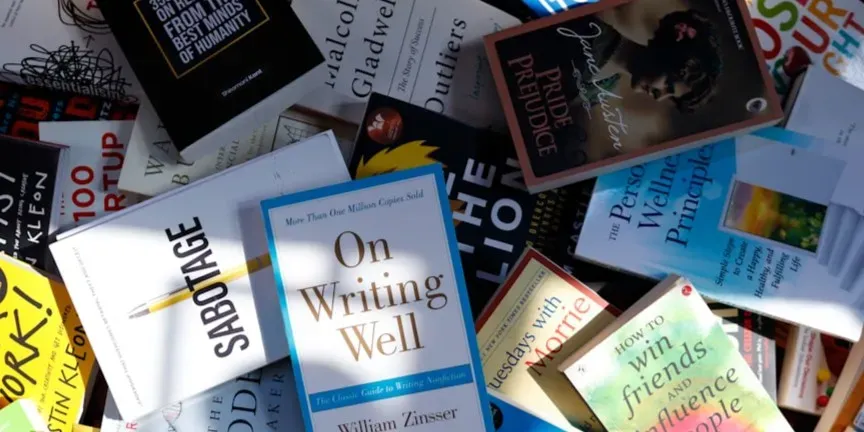
The American Library Association’s Office for Intellectual Freedom documented 5,668 books banned from libraries in 2025. An additional 920 books were censored through access restrictions such as relocation or requiring parental permission. This is both the highest number of titles censored in one year and the highest rate of challenges resulting in censorship from 1990 through 2025.
In 2025, 92% of all book challenges were initiated by pressure groups, government officials, and decision makers, up from 72% in 2024. Less than 3% of challenges originated from individual parents. From 2001 to 2020, this constituency tried to remove an average of 46 titles per year. From 2021 to 2025, they targeted an average of more than 5,000 total titles annually. The scale of what’s happening today is genuinely without modern precedent.
What Gets Called “Dangerous” Reveals Who Holds Power
Time and again, texts that encourage free, liberal thinking have been restricted to uphold existing ideals. Book banning is a way to control what the public is exposed to, and a way for those in power to try and uphold specific social values. The definition of “dangerous,” in other words, has always been a political act rather than a literary judgment.
The most common justifications for censorship provided by complainants were false claims of illegal obscenity for minors; inclusion of LGBTQIA+ characters or themes; and covering topics of race, racism, equity, and social justice. The targets shift with the times, but the mechanism stays the same. The stories behind banned books reveal the profound influence literature can have on society. Works once deemed too dangerous often become essential voices in cultural and political conversations, challenging us to think, question, and grow.
Partner offer
Planning a trip to Vegas?
Compare hotel rates and show tickets on VEGAS.com.