
There are songs you’ve heard a hundred times. You know every word, every chord change, every quiet moment before the chorus drops. You thought you understood them. Then something breaks – a relationship, a person, a version of yourself you thought was permanent – and suddenly those same songs sound completely different. Like they were written specifically for this moment. For you.
It’s one of the most quietly profound experiences music can offer. That feeling of hearing something new inside something old. Not because the song changed, but because you did. So what’s actually happening when heartbreak unlocks a whole new layer of meaning in a song you’ve known for years? Let’s dive in.
Your Brain on Heartbreak Is a Different Brain Entirely
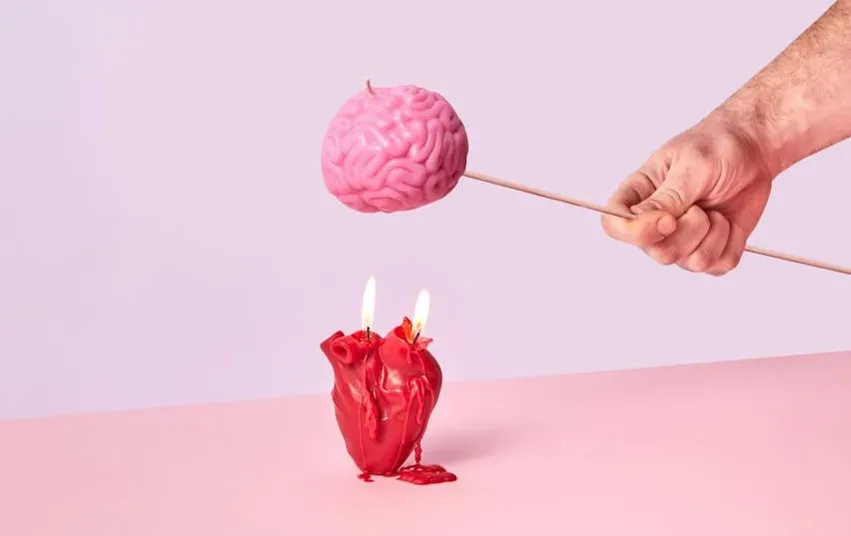
Romantic heartbreak triggers a multitude of intense emotions – sadness, anger, disappointment, confusion, worry, anxiousness, frustration, fear, hopelessness, and fatigue. That’s not a small list. It’s essentially an emotional earthquake, and your nervous system has to deal with all of it at once.
Increased stress hormones after a breakup can lead to cortisol dysregulation that causes insomnia, changes in the immune system, increased heart rate, and blood pressure. Studies have found that chest pain and heaviness can be common among some people undergoing a traumatic romantic breakup, because the alteration in brain activity may be similar to a drug withdrawal experience – specifically dopamine and oxytocin withdrawal. In other words, your brain is genuinely going through something chemical and physical. No wonder music hits differently when you’re in that state.
Emotional Resonance: When a Song Becomes a Mirror
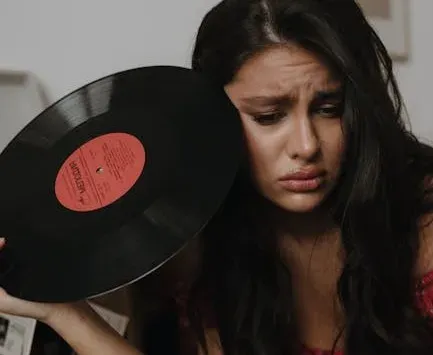
When someone is going through a breakup, they often experience a mix of sadness, loss, and loneliness, and listening to music that mirrors these emotions can create a sense of understanding and companionship. Research suggests that this alignment between a listener’s mood and the music’s emotional tone can lead to a phenomenon known as “emotional resonance.” This resonance allows individuals to feel that their emotions are recognised and validated, which can be therapeutic.
Think of it like this: before heartbreak, a love song is a pleasant story someone else is telling. After heartbreak, that same song is a confession you didn’t know you needed to hear out loud. Lyrics that tell stories similar to yours create what psychologists call “emotional resonance” – the feeling that someone truly understands what you’re going through. That shift in perception is real, and it’s deeply rooted in how the grieving brain seeks connection.
The Dopamine Paradox: Why Sad Songs Feel Strangely Good

Here’s the thing that surprises most people: listening to a heartbreak song can actually trigger pleasure. Research from neuroscience reveals why music feels so powerful during emotional recovery. When we listen to meaningful songs, our brains release dopamine – the same feel-good chemical that activated when you were with your ex. This time, however, you’re in control of triggering these responses, which is a crucial first step in reclaiming your emotional wellbeing.
As incongruous as it sounds, the catharsis of listening to music that you love – even if it’s about something that makes your stomach sink as much as having your heart trampled on – can produce a feeling akin to a high. Honestly, that explains so much about why we reach for those songs at 2am when we really shouldn’t. The brain isn’t being irrational. It’s chasing a real neurochemical response.
The Role of Empathy: You Feel the Artist’s Pain as Your Own

Empathy plays a significant role in the enjoyment of sad music. Empathy can be defined as the capacity to understand or feel what another person is experiencing. People who are emotionally moved by sad or tragic arts tend to score higher on overall measures of empathy. Listeners who score high on empathy are most affected by sad music, and they tend to have a well-developed imaginative ability to recognize the experience of a fictional character or person.
Before heartbreak, empathy with a sad song is intellectual – you understand it the way you might understand a news story about somewhere far away. After heartbreak, that empathy becomes visceral. Musicians draw from personal experiences to create raw, emotional music that resonates with listeners. Music transcends barriers, offering solace and a sense of connection during tough times. Melancholic melodies and poignant lyrics touch our souls, reminding us we’re not alone in our pain. The artist’s experience and your own suddenly occupy the same emotional space.
Nostalgia Unlocked: Heartbreak Gives You a New Past to Mourn

Sad music is a powerful trigger for nostalgic memories of foregone times. Such reflective revisiting of nostalgic memories may enhance the mood, especially if the memories are related to pivotal and meaningful moments in life. We enjoy the sweetness of these memories via vivid imaginations. There is some pleasure felt in recollecting the good times, but along with it, almost in equal measure, comes sadness from missing them.
Before a breakup, nostalgia in music is abstract. After one, you have a specific face, a specific apartment, a specific Tuesday in October that you keep returning to. Songs about lost time aren’t about “the past” anymore. Sad songs can help you look at your old relationship, cherish the good memories, and examine the unhappy ones. That’s a different kind of listening than anything you were doing before.
Music as Emotional Validation When Words Completely Fail

Sad music enables the listener to disengage from distressing situations – a breakup, a death – and focus instead on the beauty of the music. Lyrics that resonate with the listener’s personal experience can give voice to feelings or experiences that one might not be able to express oneself. There’s a reason people say “I can’t explain it, but this song says it perfectly.” It’s not laziness. It’s a genuine gap between the experience and language.
Research published in the journal Psychology of Music found that sad music creates a sense of connection during isolation, essentially serving as a surrogate friend who perfectly understands your emotional state. This validation can be genuinely therapeutic in the early stages of heartbreak. A surrogate friend who never judges you, never gets tired of hearing it, and always gets the tone exactly right. I think that’s why certain albums become almost sacred to people after a loss.
The Brain Regions That Light Up Differently After Loss
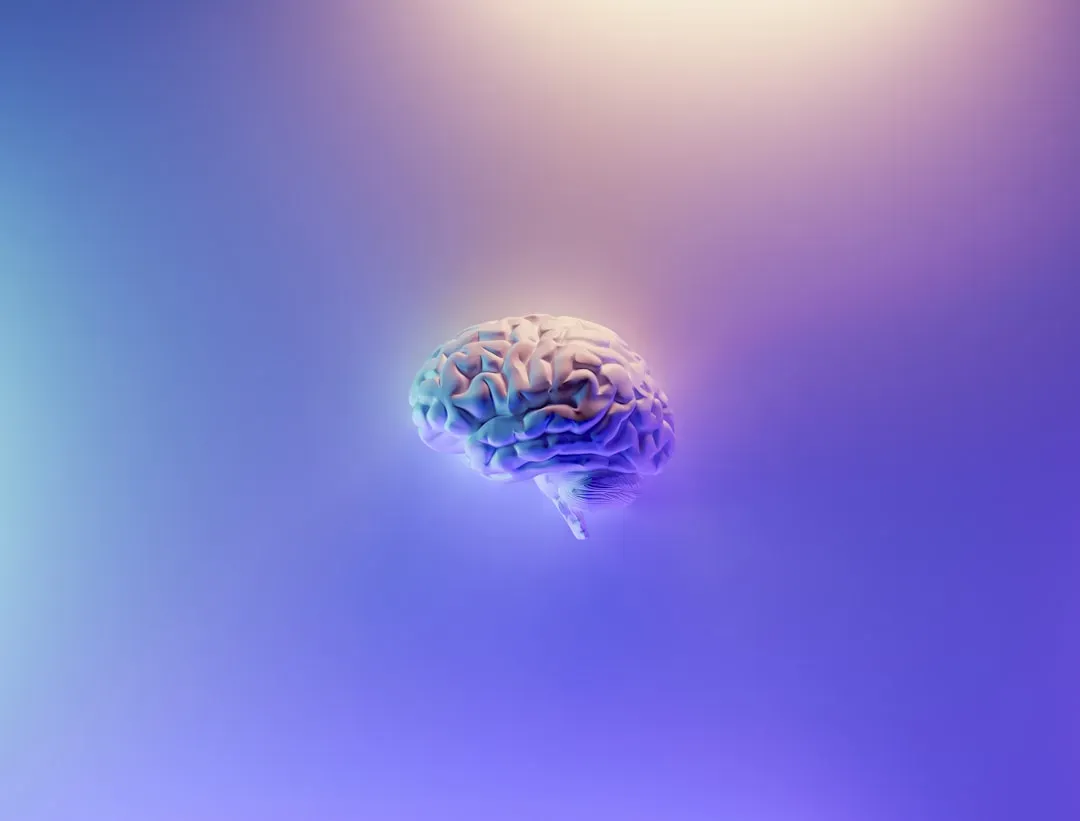
Two of the key cerebral cortex areas that help process feelings, the anterior cingulate cortex and the insular cortex, are involved in the processing of emotions related to sadness. Several studies have reported heightened activities in these areas when listening to music that centers brokenhearted and disappointed feelings. Unpleasant experiences are also linked to the hippocampus, parahippocampal gyrus, and amygdala, because greater activity was observed in these areas during the processing of emotional stimuli.
The brain has several internal dialogues as it processes loss. These might show up as spiraling thoughts, rumination, stress, and sadness. The thoughts and feelings initiated and propelled by breakup songs activate different brain regions. So when a song suddenly sounds brand new after a breakup, it’s not poetic imagination. It’s a measurably different neurological event happening in a measurably different brain state. The song always had those depths. You just needed a different brain to hear them.
When Sad Songs Help and When They Hurt

Let’s be real – not all heartbreak listening is created equal. Adaptive music listening, such as choosing pleasant or inspiring music to enhance positive emotions, can help alleviate unhappiness and anxiety and promote emotional recovery. In contrast, maladaptive music listening, such as repeatedly immersing oneself in sad or angry music, can lead to an exacerbation of unhappiness and be detrimental to psychological well-being, even though the listener initially plans to use it as a healthy coping method.
Listening to music after a breakup might seem like a safe emotional outlet, but for those high in neuroticism, it could actually intensify the pain, new research warns. It’s a fine line, honestly. Songs that allow us to see our situations from different perspectives can be a good direction to explore, whereas one-sided, wallowing views can intensify feelings of despair, anger, and anxiety. The song itself isn’t the problem. How long you stay in it might be.
Songs as Tools for Identity Rebuilding After a Relationship Ends

Heartbreak anthems are integral to post-relationship identity formation. They empower us to reclaim our sense of self after the end of a relationship. Songs like “I Will Survive” not only offer comfort but also inspire personal growth, reminding us of our strength and resilience. These songs serve as reminders that heartache, while difficult, is a shared human experience, and healing is always possible.
Songs play a powerful role in normalizing our experience, in making us feel that we are not this weird, unusual, distorted kind of person. There’s immense relief in that. When you’re in the middle of heartbreak, it can feel profoundly isolating. Music collapses that distance. Music essentially becomes a form of emotional mapping, guiding you from initial shock through anger, sadness, and eventually toward acceptance. This musical journey works because it provides both emotional validation and a sense of forward momentum – two crucial elements for healthy recovery from heartbreak.
The Songs That Finally Make Sense: A Different Kind of Understanding

When you’re going through a breakup, you are able to access an adolescent intensity which can otherwise become elusive as you get older, and the meaning of some of the most beautiful songs ever released becomes more forceful than ever before. That’s a striking idea. It suggests heartbreak doesn’t just unlock sadness – it unlocks a kind of emotional perception that we lose access to during comfortable times.
A recent study from Germany found the emotional impact of listening to sad music is an arousal of feelings of empathy, compassion, and a desire for positive connection with others. That, itself, is psychologically healing. It draws you away from preoccupation with yourself, and possibly towards helping others in need of comfort. So in a strange, circular way, the song that breaks you open might also be the thing that starts quietly putting you back together. Some songs were always waiting for you to be ready to hear them. What would you have guessed was behind that shift in meaning – the music, or you?