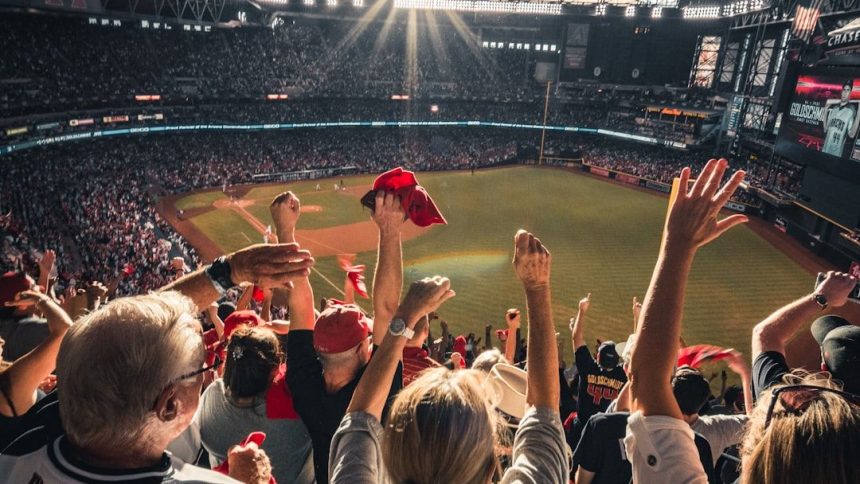
Picture this: you’re sitting in a stadium, surrounded by thousands of strangers, yet everyone around you knows exactly when to chant, what to sing, and which gestures to make at just the right moment. These rituals didn’t come with an instruction manual. They’ve been passed down through generations, evolving slowly, surviving wars, economic collapses, and dramatic cultural shifts.
Yet for every tradition that endures, dozens more vanish without a trace. The question isn’t really why some stick around – it’s what makes certain rituals so powerful that nothing can kill them, while others fade into obscurity within a single generation. Las Vegas, a city built on constantly reinventing itself, offers a unique lens to examine this phenomenon. Here, old-school boxing traditions clash with cutting-edge UFC spectacles, and nostalgia competes with the next big thing every single night.
The Emotional Anchor That Keeps Traditions Alive


Sports traditions that survive aren’t just habits. They’re emotional time machines. Think about singing “Take Me Out to the Ball Game” during the seventh-inning stretch. Nobody questions it. It feels right because it connects you to your grandfather who took you to your first game, and his father before him.
When a tradition taps into genuine emotion rather than manufactured sentiment, it becomes nearly impossible to erase. I’ve watched grown men cry during pre-game ceremonies that have nothing to do with the actual sport itself. That’s the power of emotional resonance.
The traditions that fade? They often feel forced or corporate-mandated. When authenticity dies, so does the tradition. People can smell the difference between something that grew organically and something a marketing team dreamed up in a conference room.
Community Identity Makes or Breaks Longevity


Certain traditions become inseparable from community identity. Look at how Packers fans own stock in their team – it’s not just fandom, it’s civic pride. That cheese-head hat isn’t just a gimmick; it represents something deeper about Wisconsin culture.
When a tradition reinforces who people believe they are, it becomes self-sustaining. Each generation teaches the next not because they have to, but because abandoning it would feel like losing part of themselves. The ritual becomes the glue.
Conversely, traditions that exist in isolation – disconnected from broader cultural meaning – struggle to survive. They become “that weird thing we used to do” rather than “who we are.” Without that identity anchor, they drift away.
The Accessibility Factor Nobody Talks About

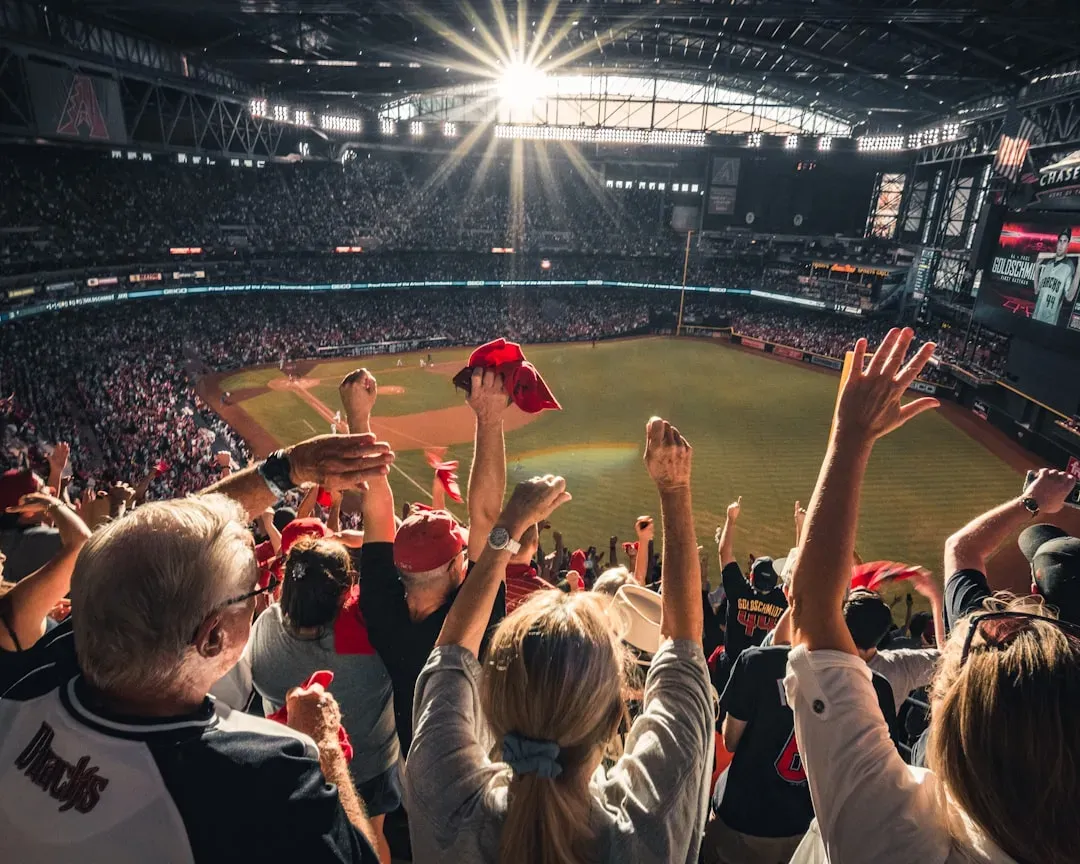
Here’s something I’ve noticed: the easiest traditions to maintain are the ones anyone can participate in without special equipment, training, or insider knowledge. Waving a terrible towel? Easy. Knowing some complicated pre-game dance routine? Not so much.
Traditions that require significant barriers to entry tend to thin out over time. New fans can’t immediately join in, which creates an exclusionary dynamic that eventually kills participation. The best traditions are radically inclusive.
This is partly why simple chants outlast elaborate ceremonies. When you can teach someone the basics in thirty seconds, you’re not just preserving a tradition – you’re recruiting new ambassadors for it. Complexity might seem impressive, but simplicity wins the survival game.
Media Amplification and the Modern Survival Challenge


Television changed everything about which traditions live and which die. If a ritual looks good on camera and can be explained quickly to viewers at home, it gets amplified. If it’s too subtle or doesn’t translate to screens, it withers.
The seventh-inning stretch survived partly because it photographs well and has a clear audio component. Meanwhile, countless smaller stadium rituals disappeared because they only made sense if you were physically present. The medium reshaped the message.
Now we’re in the social media era, which adds another layer. Traditions that create shareable moments – something Instagram-worthy or TikTok-friendly – get an artificial boost. The uglier truth is that some beautiful, meaningful traditions might disappear simply because they’re not photogenic enough.
Economic Pressure and Commercial Corruption


Let’s be real: money ruins a lot of traditions. When corporations see something authentic and popular, they can’t resist monetizing it. Sometimes that works. Often, it destroys the very thing that made the tradition special in the first place.
I’ve watched traditions get co-opted by sponsors to the point where fans reject them entirely. There’s a tipping point where commercialization crosses from support into exploitation. Once fans sense that a tradition exists primarily to sell them something, the magic evaporates.
The traditions that survive commercial pressure tend to be the ones that communities protect fiercely. They establish boundaries around what can and cannot be monetized. It’s a delicate balance, though, because some level of commercial support often helps traditions spread and persist.
Generational Transfer and the Continuity Problem

Every tradition faces its moment of truth when it must transfer from one generation to the next. This is where most die. If older fans don’t actively teach younger ones – or if younger fans reject it as outdated – the chain breaks.
Successful traditions create natural mentorship moments. A parent brings a child to their first game and the ritual becomes part of the experience. The kid doesn’t just learn about the sport; they learn about belonging to something larger than themselves.
The traditions that fail this test are usually the ones that younger generations perceive as irrelevant or silly. Sometimes they’re right. Sometimes traditions deserve to die because they’ve outlived their meaning. Not everything old is worth preserving.
The Competitive Alternative Landscape


Traditions also disappear because better alternatives emerge. Why would a new custom stick when an older, more established one serves the same purpose? The entertainment landscape is crowded, and attention is finite.
In Las Vegas, this plays out constantly. New sports entertainment concepts arrive with fresh traditions attached. Some catch on because they’re genuinely innovative. Others are just noise. The ones that survive aren’t necessarily the best – they’re the ones that carve out a unique niche no other tradition fills.
Think about how UFC has established its own distinct traditions separate from boxing. They didn’t try to replicate what came before. They recognized that different sports need different rituals, and they built accordingly.
Cultural Shifts and Changing Values

Some traditions fade because society simply moves on. What felt meaningful or appropriate fifty years ago might feel uncomfortable or offensive today. This isn’t about political correctness – it’s about evolving values.
I know it sounds complicated, but traditions tied to specific cultural moments often struggle when those moments pass. They become artifacts rather than living practices. People participate out of obligation rather than genuine connection, which is usually the beginning of the end.
The traditions with staying power are often the ones flexible enough to evolve without losing their core identity. They adapt to changing sensibilities while maintaining their essential character. It’s a tricky balance that requires both respect for history and openness to change.
Conclusion


The traditions that survive centuries aren’t just lucky – they’re purposeful. They serve real human needs for connection, identity, and belonging. They’re accessible enough for anyone to join, yet meaningful enough that people want to. They balance respect for the past with openness to the future.
The ones that fade away? They usually fail on at least one of those dimensions. They become inaccessible, inauthentic, or irrelevant. Sometimes they’re deliberately killed by commercial interests or cultural shifts. Other times they just slowly lose meaning until nobody can remember why they started in the first place.
What traditions from your own sports experiences have stuck with you – and which ones have you watched disappear? Tell us in the comments.