Picture this: a radar engineer standing in a lab, casually working on military equipment, when suddenly the chocolate bar in his pocket starts melting. Not from the Las Vegas heat, but from invisible waves bouncing around the room. That bizarre moment in 1945 kicked off one of the most revolutionary kitchen appliances we now can’t live without. The microwave oven wasn’t born from culinary ambition or a desire to speed up dinner prep. It was pure, beautiful accident.
What’s wild is how this wartime technology ended up in millions of homes, transforming the way we think about food preparation. From defrosting frozen meals in minutes to reheating last night’s pizza at 2 AM, the microwave became the ultimate convenience machine. Let’s dive into the surprising story behind this kitchen essential.
The Melting Chocolate Moment That Started It All

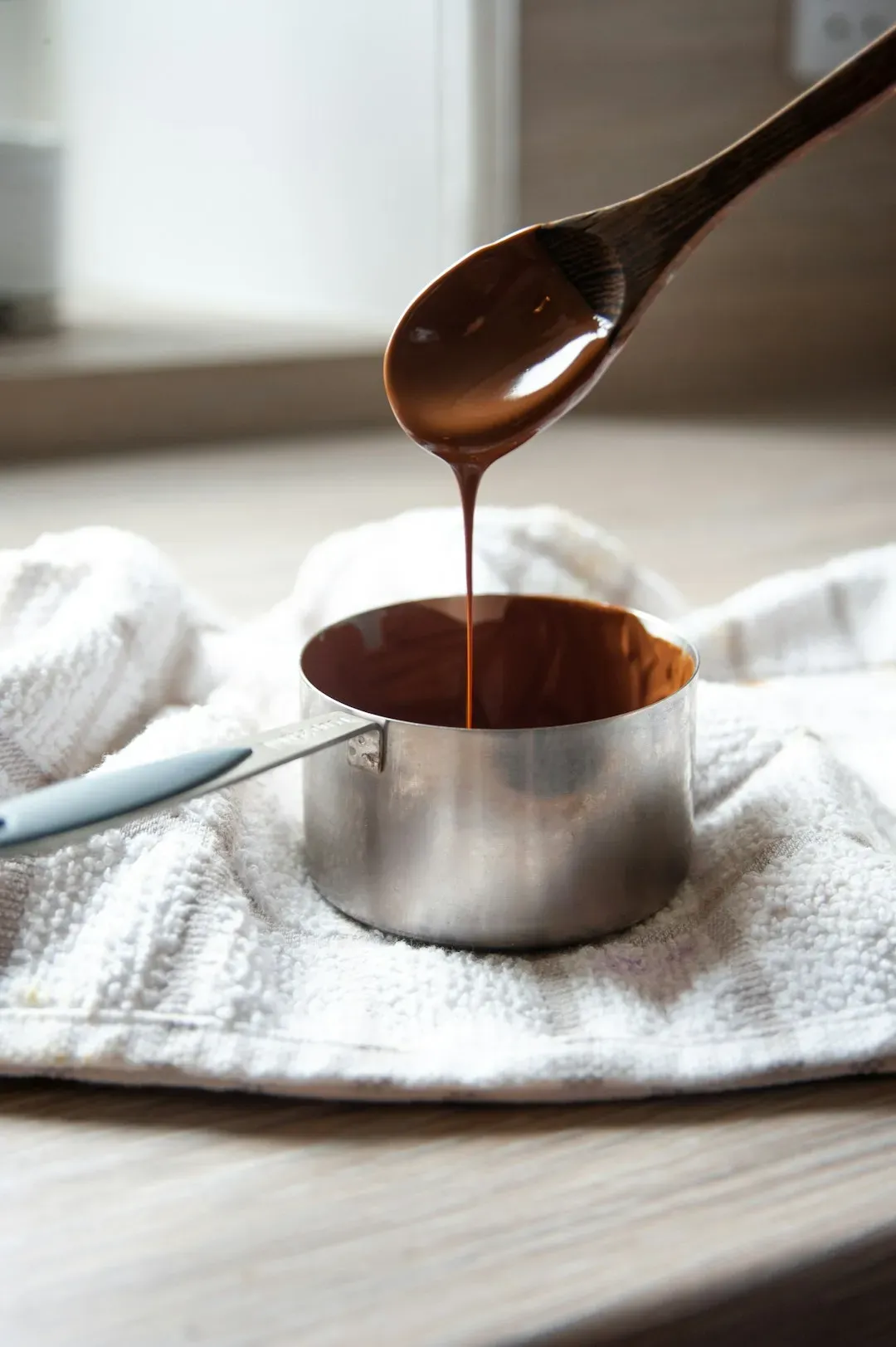
Percy Spencer was a self-taught engineer working for Raytheon in 1945, testing a military-grade magnetron used in radar systems. During one routine test, he noticed something odd: the Mr. Goodbar in his pocket had turned into a gooey mess. Most people would’ve cursed the ruined snack and moved on. Spencer got curious.
He grabbed some popcorn kernels and held them near the magnetron. They popped. Then he tried an egg, which promptly exploded in a colleague’s face. Spencer realized these microwaves could heat food rapidly from the inside out. It wasn’t elegant, but it worked. Within months, Raytheon filed a patent for what would become the first microwave oven.
The First Microwave Was Absolutely Massive

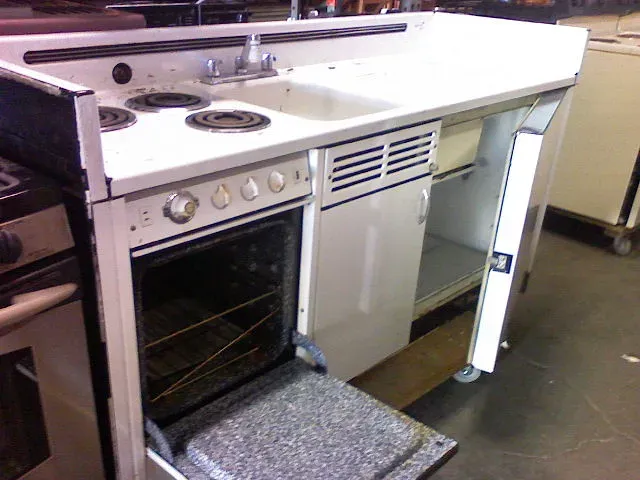
When the first commercial microwave hit the market in 1947, calling it a “countertop appliance” would’ve been laughable. The Radarange stood over five feet tall, weighed roughly 750 pounds, and cost about $5,000. That’s the equivalent of around $70,000 today. Only restaurants, railroads, and cruise ships could afford these behemoths.
The thing needed water cooling and consumed 3,000 watts of power. Your average household circuit would’ve freaked out trying to run it. It took nearly two decades before manufacturers figured out how to shrink the technology down to something remotely practical for home kitchens.
How Microwave Technology Actually Works

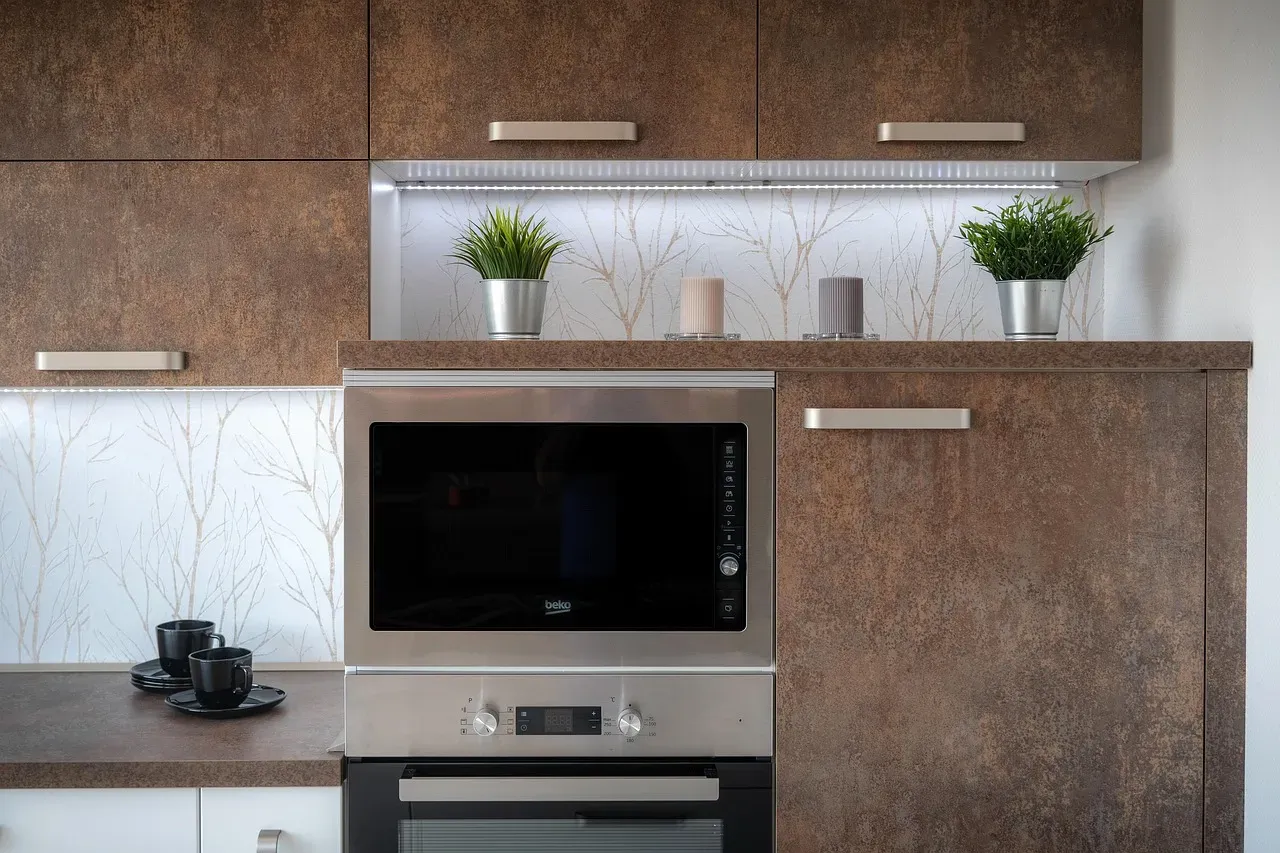
Here’s the thing: microwaves don’t actually cook food with heat in the traditional sense. They shoot electromagnetic waves that make water molecules in food vibrate like crazy. That friction generates heat from within, which is why your leftovers get hot while the plate stays relatively cool.
The magnetron tube produces these waves at a frequency of 2.45 gigahertz. That’s the same frequency that won’t interfere with cell phones or radio signals. The metal box traps the waves inside, bouncing them around until they’re absorbed by whatever food you’ve stuck in there. It’s basically controlled chaos that happens to reheat your coffee.
The 1960s Brought Microwaves Into American Homes

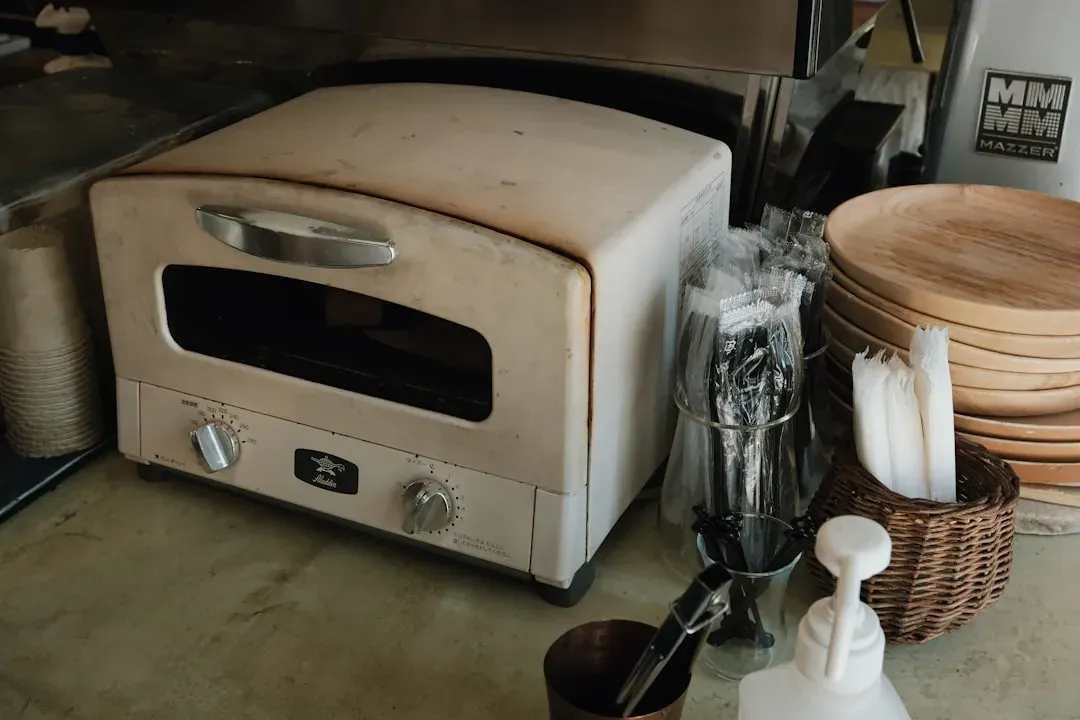
Raytheon acquired Amana Refrigeration in 1965, and that’s when things got interesting. Amana introduced the first affordable, countertop microwave in 1967 for $495. Still expensive, but suddenly within reach for middle-class families. The timing was perfect because more women were entering the workforce and convenience became a selling point.
Marketing campaigns pushed the microwave as a time-saving miracle. Ads showed harried housewives preparing entire meals in minutes. By 1975, microwave sales had surpassed gas ranges in the United States. The kitchen was changing, whether traditional cooks liked it or not.
Early Fears and Myths About Microwave Safety

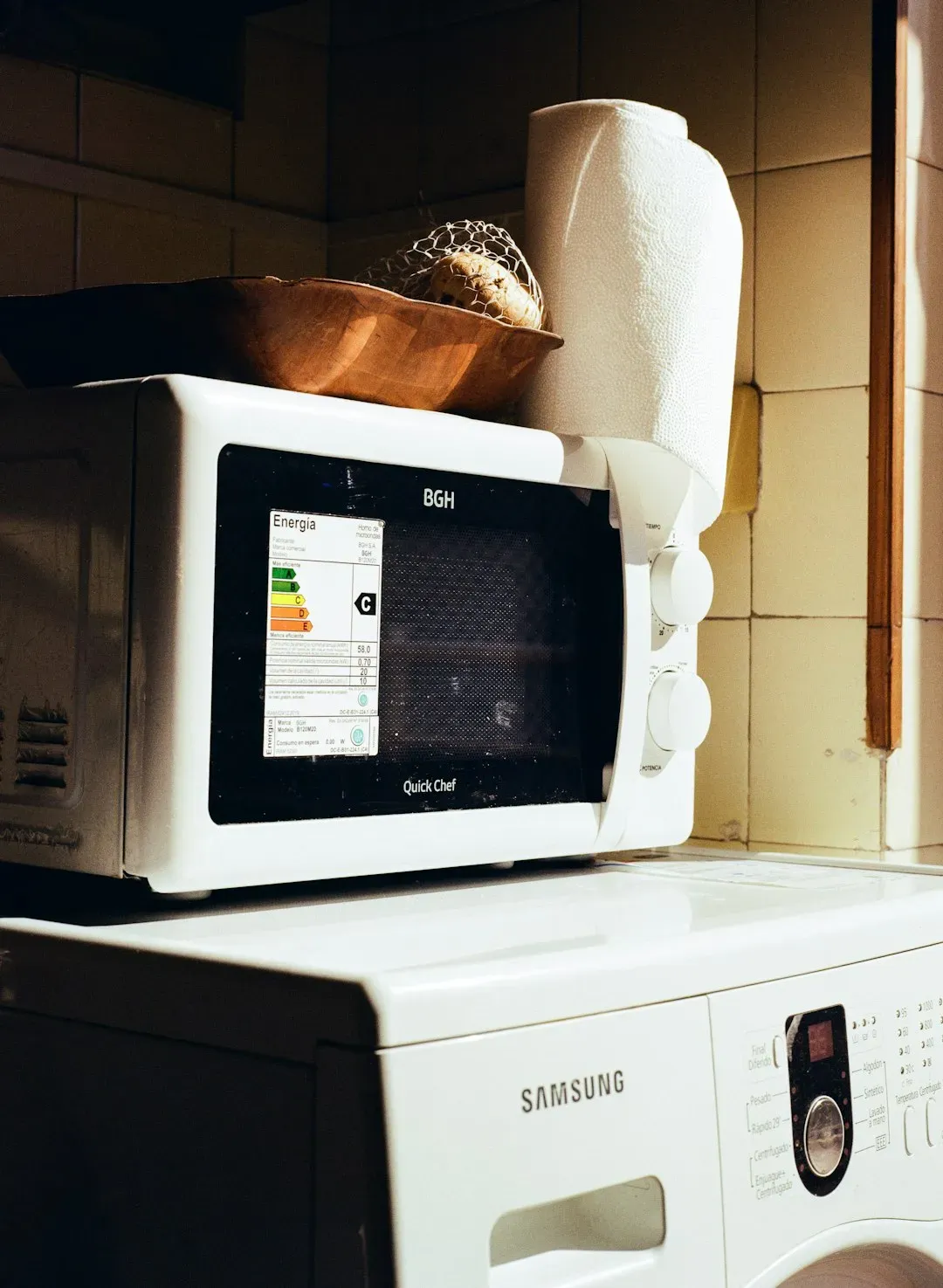
Let’s be real, people were terrified at first. Invisible radiation cooking your food? It sounded like something from a sci-fi horror movie. Rumors spread that microwaves could give you cancer, destroy nutrients, or even alter the molecular structure of food in dangerous ways. Some folks refused to stand anywhere near an operating microwave.
Most of those fears were unfounded. Microwaves are non-ionizing radiation, meaning they don’t have enough energy to damage DNA like X-rays can. The FDA set strict safety standards in 1971, limiting how much radiation could leak from microwave doors. Modern microwaves are incredibly safe, though that hasn’t stopped conspiracy theories from lingering online.
How Microwaves Changed the Frozen Food Industry

Before microwaves became common, frozen dinners were pretty dismal. You’d have to heat them in a conventional oven for 25 minutes, often ending up with either burnt edges or icy centers. The microwave changed everything for companies like Swanson and Stouffer’s. Suddenly, frozen meals could go from freezer to table in under ten minutes.
The entire frozen food aisle exploded with microwave-specific products. Hot Pockets, Lean Cuisine, microwaveable popcorn, all designed specifically for this technology. Packaging evolved too, with susceptor technology creating those metallic sleeves that could brown and crisp food. The frozen food market went from roughly $3 billion in 1970 to over $22 billion by 1990.
Microwave Cooking in Restaurant Kitchens

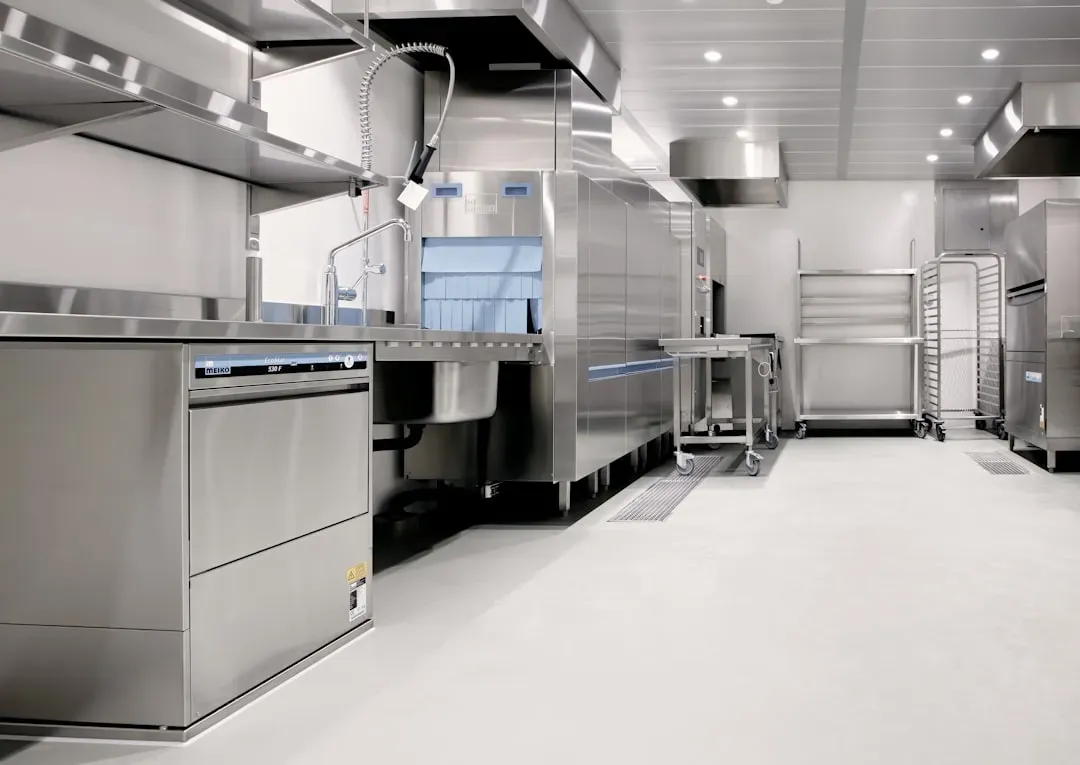
Professional chefs initially dismissed microwaves as tools for amateurs who couldn’t cook properly. That attitude has shifted over the decades. High-end restaurants now use commercial microwaves for specific tasks like melting butter, warming sauces, or precisely reheating components without overcooking.
Fast food chains embraced the technology immediately. McDonald’s, Taco Bell, and others could serve food faster and with less kitchen staff. Some fine dining establishments have experimented with high-powered commercial units that can achieve results impossible with conventional cooking. It’s hard to say for sure, but microwaves have earned a place in professional kitchens, even if chefs don’t always advertise it.
The Science Behind Uneven Heating


We’ve all bitten into a Hot Pocket that’s simultaneously lava-hot on the edges and frozen in the middle. That’s not your microwave being broken, that’s just physics being annoying. Microwaves create standing wave patterns inside the oven, with hot spots and cold spots depending on where the waves constructively or destructively interfere.
The turntable was invented to help rotate food through these different zones, creating more even heating. Some modern microwaves use inverter technology instead, which varies the power level continuously rather than cycling on and off. Still, you’ll probably always need to stir your soup halfway through. That’s just life with electromagnetic cooking.
The Lasting Legacy of an Accidental Discovery

Percy Spencer probably never imagined his melted chocolate bar would lead to one of the most ubiquitous appliances on the planet. The microwave oven represents something larger than convenient cooking, it’s a reminder that major innovations often come from unexpected moments of curiosity. Someone noticed something odd and instead of ignoring it, investigated further.
Today, microwaves have become so ordinary we hardly think about the technology. They’ve changed cooking, food production, and daily routines in ways both obvious and subtle. From that first massive Radarange to the compact countertop models in dorm rooms and office break areas, the accidental invention proved that sometimes the best discoveries happen when you’re trying to solve a completely different problem. What would you say is the most creative thing you’ve ever microwaved? Tell us in the comments.