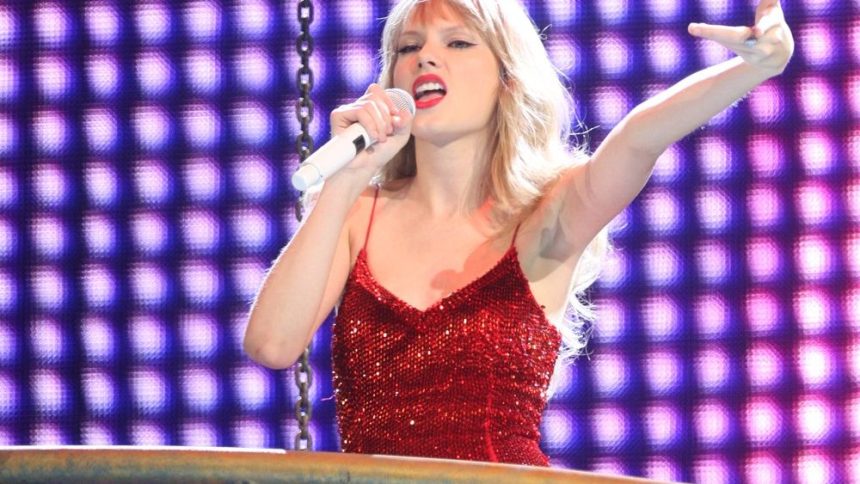
There’s something a little disorienting about watching Taylor Swift perform. She’s mid-song, deep into a three-and-a-half hour show, singing to 70,000 people, and she somehow looks like she’s having the best night of her life. Not in a performed, camera-ready way. In a genuinely at-ease way. It’s the kind of comfort that takes most performers decades to develop, and some never manage at all.
The question worth asking is: why? What is it about Swift that makes her look more settled on a stadium stage than artists who have been doing this longer? The answer involves early beginnings, relentless repetition, genuine storytelling, and a relationship with her audience that goes far deeper than most fans ever fully appreciate.
She Started Performing Before Most Kids Start Driving
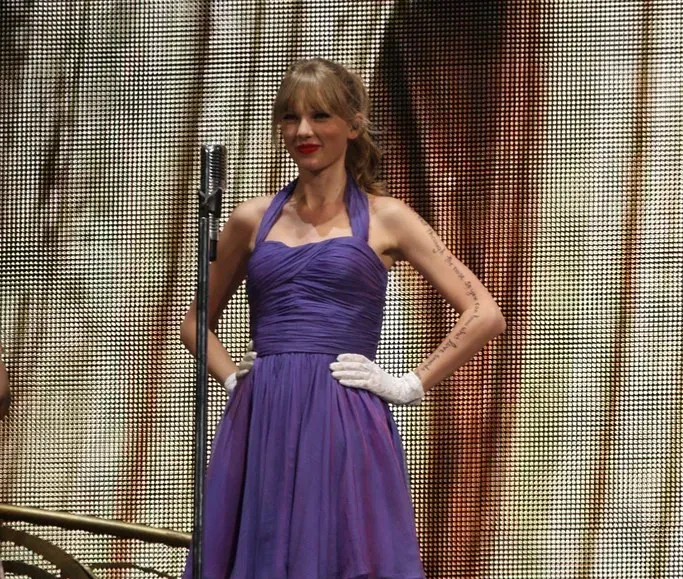
At age nine, Swift was already performing at local festivals and in Berks Youth Theatre Academy productions, traveling regularly to New York City for vocal and acting lessons. That’s not a casual hobby. That’s years of real stage time before most people face any kind of public performance anxiety at all.
In 2004, at age 14, she signed with Sony/ATV as a songwriter and began performing at venues in the Nashville area. By 16, she was already earning renown as a country singer. The stage was never a foreign place for her. It was practically home territory by the time she released her first record.
Six Tours Worth of Muscle Memory
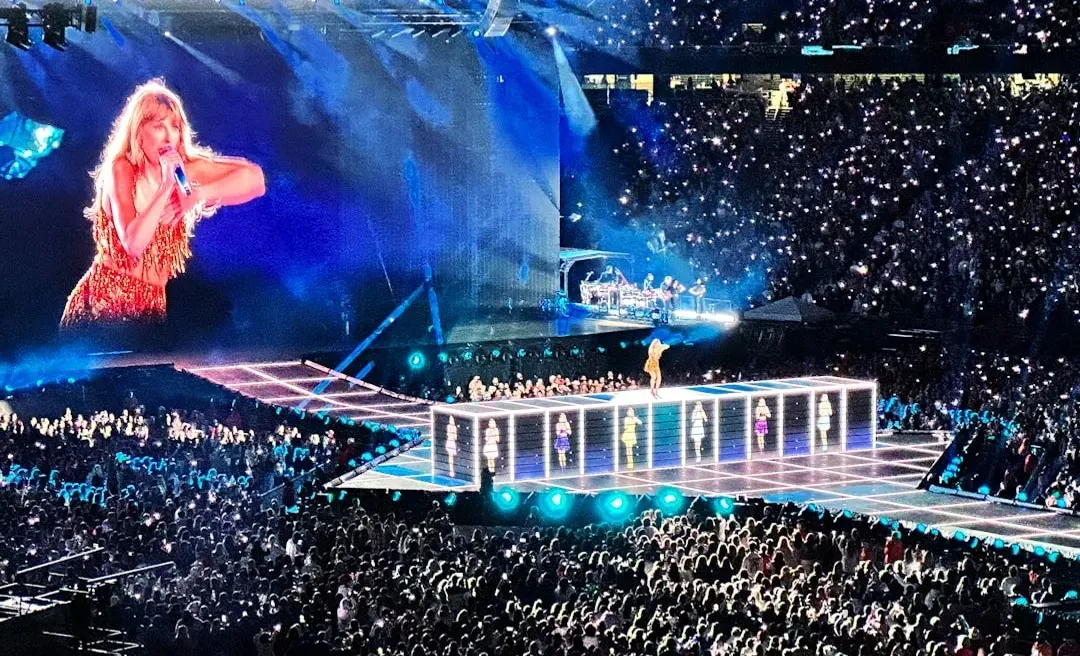
March 2023 marked the start of the Eras Tour, Swift’s first concert tour since 2018 and her sixth tour overall. Six tours across different venues, different countries, and different career chapters represent an enormous bank of live performance experience. Most artists who started at the same time haven’t come close to that volume.
The Eras Tour itself was an autobiographical journey through Swift’s discography, starting in Arizona in March 2023. Over the next 630-plus days, Swift performed 149 shows, each more than three hours long, across more than 50 cities on five continents. Night after night, for nearly two years straight. That kind of repetition doesn’t just build polish. It builds deep, instinctive comfort.
The Eras Tour Setlist Was Genuinely Demanding
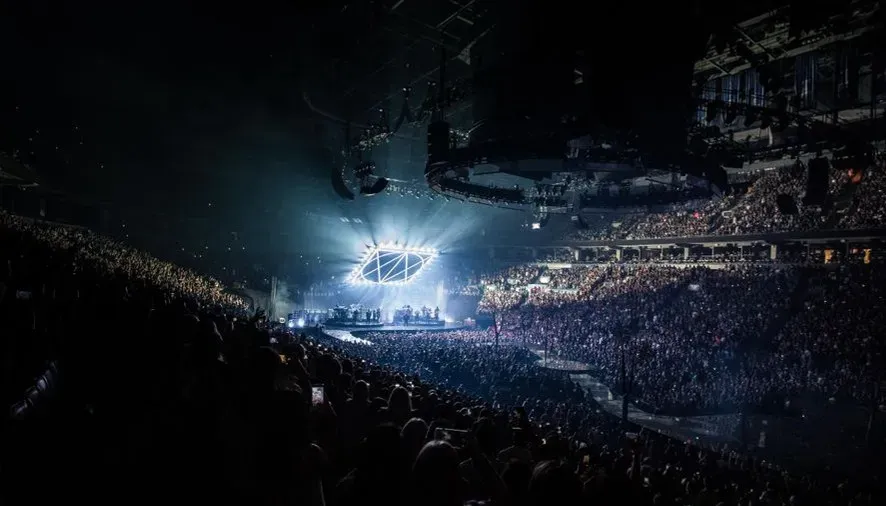
Each Eras Tour show spanned three and a half hours, with a set list of 44 songs divided into 10 distinct acts that conceptually portrayed Swift’s studio albums. Sustaining that across 149 shows is not a minor feat. It requires physical conditioning, vocal discipline, and the kind of mental focus that performers spend careers chasing.
A typical Eras show featured 44 to 46 songs and ran for 3 hours and 15 minutes. Swift spent a total of roughly 25 hours performing her 10-minute version of “All Too Well” alone throughout the tour. There’s a version of comfort that only comes from doing something that hard, that many times. The stage starts to feel less like a challenge and more like a familiar space.
Her Songs Are Personal, Which Removes the Guesswork

One of the core ways Swift connects onstage is through her deeply personal lyrics. She draws heavily from her own life, sharing stories of heartbreak, joy, and everything in between. This vulnerability allows fans to see their own experiences mirrored in her songs. When you wrote the song yourself, from your own life, there’s no interpretation needed. You know exactly where it came from.
In her performances, Swift grants a transparent view of her real life through her songs and her stage shows. Whatever she experiences, she writes songs about. That autobiographical connection creates a kind of ownership over the material that very few performers have. She’s not performing someone else’s vision. She’s performing her own story.
The Way She Talks to Crowds Is Genuinely Different
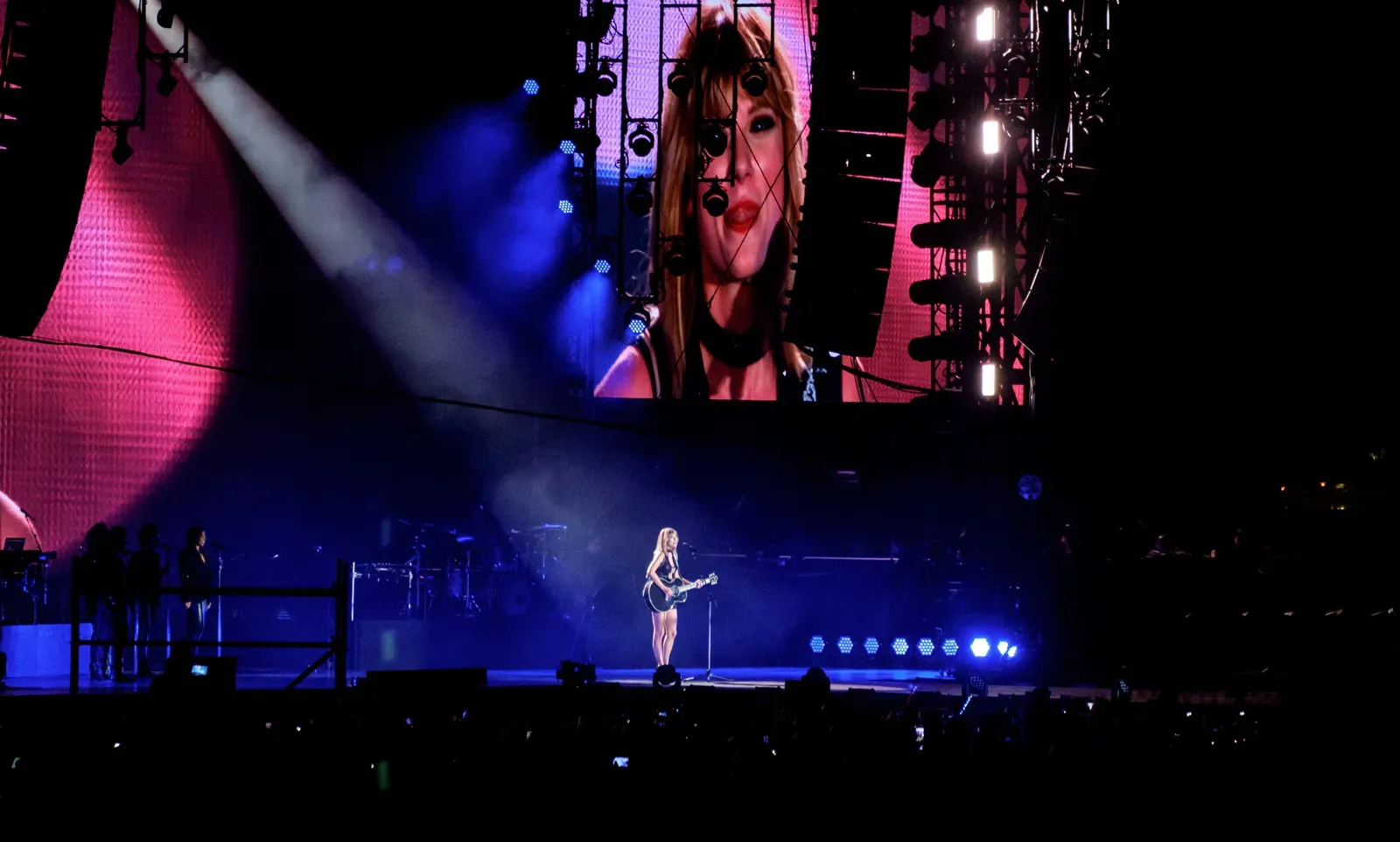
During the opening speech for “The Man” performance at the Eras Tour, the crowd reacted wildly to Swift’s commands, while during other speeches she turned off her performing persona but held the crowd just the same. That shift, from performer to person and back again, is something most artists take years to master. Swift moves between the two modes with barely a seam showing.
Partner offer
She talks to concert-goers like new friends, with comfort yet excitement. That tone isn’t accidental. Swift is unapologetically herself, which builds the foundation for authentic love between her and her fans, on and off stage. The crowd senses it, and the energy they return to her feeds directly into how settled she appears.
A Feedback Loop Between Swift and Her Audience
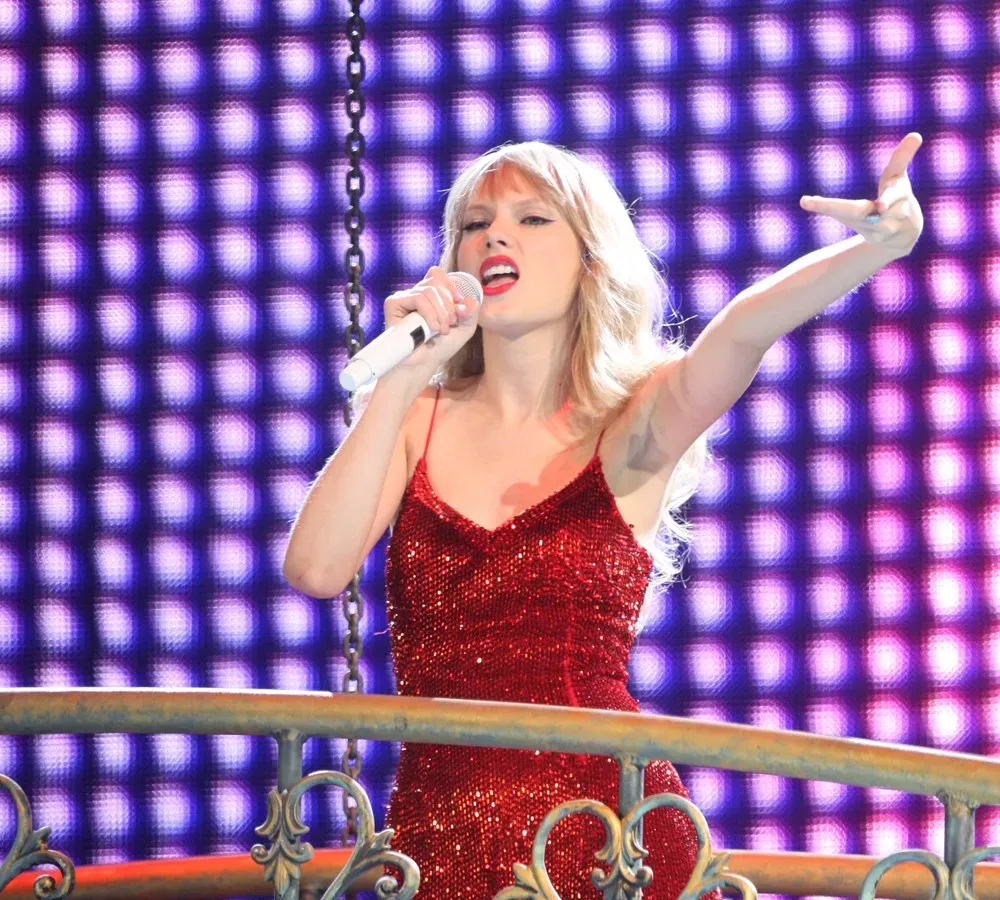
In the context of the Eras Tour, this connection went deeper than typical concert dynamics. Fans noticed she remembered previous interactions, and if someone waved a sign during the first show in a city, she would reference it later. This feedback loop creates a unique psychological bond. The audience stops being an abstract mass. They become a living part of the show.
Swift doesn’t blast generic messages to a faceless audience. She understands her fans’ demographics, interests, and online behavior. Swift frequently acknowledges her fans, further enhancing their sense of knowing and intensity of attachment. A performer who genuinely sees the crowd tends to look far more at ease than one projecting outward into empty space.
She Evolved Publicly, and That Built Resilience
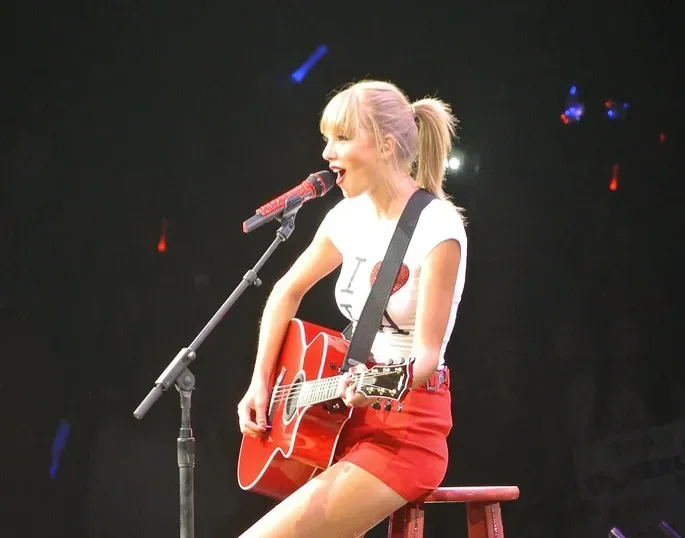
Swift charmed fans and critics alike when she came out of the gate at 16 with the introspective maturity of a singer-songwriter twice her age. Since then, she has built an illustrious career as a musician and performer, with music ranging from country to rock to synth ballads to alternative pop, making her one of the most significant artists of the 21st century.
Swift’s vocals received increasingly positive assessments from Folklore onward. The critic Amanda Petrusich commented in 2023 that her singing had become richer, with greater clarity and a stronger tone, even in live performances. An artist who keeps growing technically has less reason to feel uncertain. The voice she brings to a stadium stage in 2026 is meaningfully better than the one she had at 20, and that visible growth reflects in how she carries herself.
She Controls Her Own Career, and It Shows

For Swift, career decisions align with a pattern of deliberate management. She has built an empire on authenticity, fan connection, and high-quality output, choices that have paid dividends in loyalty and commercial success. Artists who feel in control of their environment, their setlist, their staging, tend to look in control on stage too. Anxiety often comes from the sense that you’re at the mercy of external forces.
In May 2025, Swift announced she had bought back the master recordings and was the official owner of her entire music catalog. That kind of ownership over your own creative legacy is rare in the music industry. Performing songs you fully own, that you fully wrote, in shows you fully produced, removes a specific kind of low-level tension that many performers carry without ever naming it.
The Scale of the Eras Tour Made Her Even More Comfortable
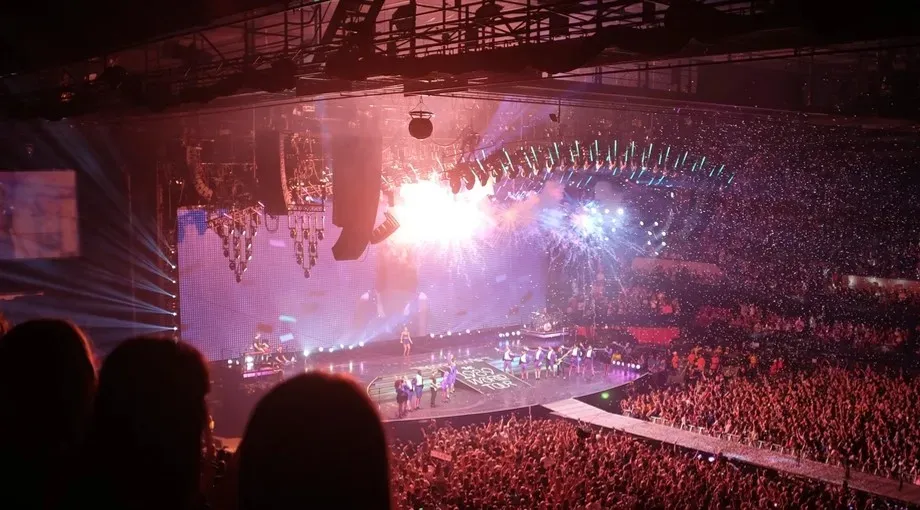
The Eras Tour grossed $2.07 billion with an attendance of 10.1 million. Pollstar’s final estimate was $2.2 billion, making Swift the first solo act in history to sell over 10 million tickets on a single tour. Those numbers aren’t just commercial statistics. They represent 10 million people who chose to be there, which is a form of validation that compounds over time into something performers rarely talk about openly: genuine ease.
The tour’s accolades include an iHeartRadio Music Award for Tour of the Century and six Guinness World Records. The Eras Tour became a cultural phenomenon that redefined the boundaries of what an artist can achieve. From shattering global attendance and revenue records to creating an unparalleled live music experience, the tour underscored her influence as a musician and global icon, celebrating nearly two decades of artistry while setting new benchmarks for economic impact, fan engagement, and live entertainment.
Authenticity as a Performance Habit, Not Just a Personality Trait
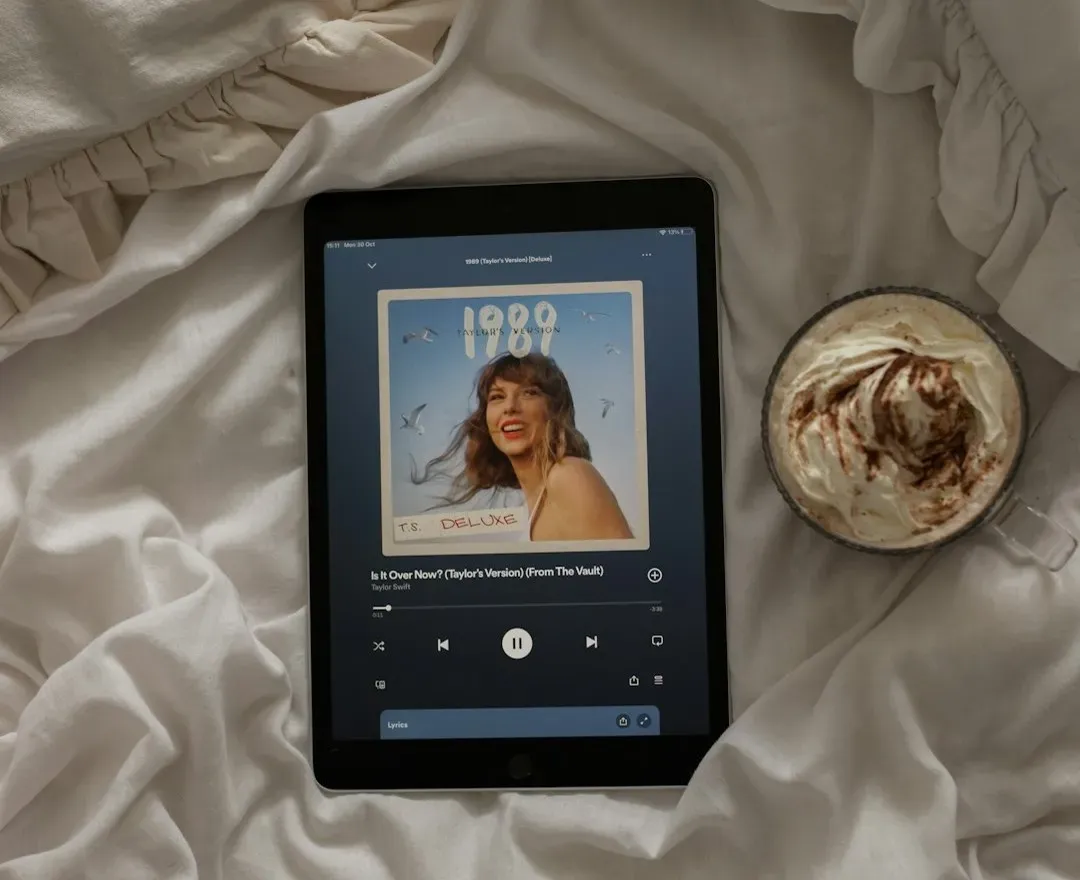
Swift’s brand is built on authenticity. Her ability to connect with fans personally, sharing her vulnerabilities and triumphs, has fostered a loyal community that spans the globe. One of the key elements of her success is her commitment to being herself, whether writing about heartbreak, celebrating love, or navigating the complexities of fame. That consistency on and off stage removes the cognitive load of managing a gap between public persona and private reality.
Swift has done a masterful job of using all media to create a sense of intimacy and vulnerability. Her music reflects her life experiences, and she owns her emotions, increasing her relatability. When the person performing and the person who wrote the song are essentially the same individual, the stage stops being a place to project something and starts being a place to simply be. That, more than any technique or trick, is what genuine stage comfort actually looks like.
Partner offer
Planning a trip to Vegas?
Compare hotel rates and show tickets on VEGAS.com.