Not long ago, moving vans were the hottest commodity in America. Pandemic-era freedom sent millions fleeing from dense cities toward sunnier, cheaper, and more spacious corners of the country. Florida and Texas became cultural symbols of this new American dream. Everyone, it seemed, was heading south or somewhere quieter.
Then 2025 happened. And things started getting complicated.
The map of American migration is being redrawn once more, pulled by forces that were building quietly for years. Return-to-office mandates, eye-watering insurance bills, climate anxiety, and a grinding housing affordability crisis have combined to shift the trajectory of where people want to live. Let’s dive in.
The Pandemic ‘Great Relocation’ Was Real – and Historic

For nearly four decades, America’s growth story was an urban one. For nearly 40 years, American migration patterns centered around people moving from rural communities to major metropolitan areas, and since 1980, roughly four-fifths of the country’s growth in the under-45 population was found in cities with more than a million residents. Then came COVID-19, and that entire system flipped almost overnight.
The sudden rise in remote work enabled many workers, especially high-skilled workers, to relocate from dense urban centers to suburbs and smaller cities with better amenities and larger, more affordable homes. Think about that for a moment. Decades of one-way traffic into cities reversed in the span of a single year. It was genuinely unprecedented.
In 2021, America’s largest metro areas lost a net 900,000 people to out-migration, according to census data. Every other category of metro area gained at their expense. The biggest winners were the smallest regions: places with fewer than 30,000 residents went from a net loss of 25,000 in 2019 to a net gain of more than 125,000 in 2021. The numbers were staggering. The “Great Relocation” wasn’t hype. It was happening, fast.
Cities Are Fighting Back – and Winning Again

Here’s what almost nobody expected so soon: major cities are bouncing back. Hard. During the past several years, many major cities lost population as some residents opted to move to the suburbs or smaller towns. The latest data paints a different picture: America’s urban hubs are back in fashion, drawing newcomers in droves, with nearly 87 percent of the U.S. population living in metro areas, and between 2023 and 2024, metro areas saw a population jump of more than one percent, outpacing the growth of the nation as a whole.
New York City, Houston, and Los Angeles saw the greatest numeric gains during this period, and some cities in the Northeast and Midwest marked their first population increase in recent years. Census Bureau statisticians confirmed that many population growth rates reversed or saw major changes between 2023 and 2024, with cities in the Northeast that had experienced population declines in 2023 now experiencing significant population growth.
The Vintage 2024 Population Estimates showed New York City grew by 87,000 people between July 2023 and July 2024, with all five boroughs gaining population and Manhattan leading the way at 1.7 percent growth. Honestly, a few years ago that would have seemed like a fantasy headline. New York, written off. Roaring back.
Return-to-Office Mandates Are Physically Pulling Workers Back

As stricter return-to-office mandates take hold, new data shows remote workers reversing their pandemic-era migration. One of the major changes unleashed by the pandemic was the large migration of employees from major urban areas. With many jobs no longer anchored to city-based offices, people were free to move to almost anywhere they preferred. Now, new survey data indicates that exodus has reversed course, with grim labor markets and tightening return-to-office mandates causing employment-focused workers to head back to metropolises again.
The list of companies demanding office presence is now jaw-dropping in its length. In January 2025, President Trump ordered all federal employees to return to the office full-time. Amazon called back 350,000 employees to the office full-time in January 2025. JP Morgan Chase ended remote work in April 2025. US Bank announced that hybrid and remote employees are required to work from the office at least three days per week. AT&T required workers to be in the office five days per week starting in January 2025.
In early 2025, roughly three in five full-time employees were completely on-site, while only about one in eight were fully remote, and roughly one in four worked in a hybrid arrangement. For anyone who moved hours away from their office assuming the remote-work era was permanent, this has created a very real, very expensive dilemma.
The Florida Dream Is Cracking Under Pressure

Florida was the undisputed champion of the pandemic migration era. Then it started eating itself. Net domestic in-migration to Florida fell from 310,892 in 2022 to just 22,517 in the year ending June 2025, according to Census estimates. Florida dropped to 8th nationally in net domestic migration after leading for three consecutive years. That’s not a slowdown. That’s a collapse.
Florida faces a unique triple squeeze: insurance premiums 181 percent above the national average, post-Surfside condo reserve mandates triggering six-figure special assessments, and domestic in-migration that has collapsed 93 percent from its 2022 peak. Think about that as a homeowner. The thing that was supposed to be your escape hatch has become a financial trap.
Florida homes now take a median of 73 days to sell, up from 55 days two years ago, as sellers contend with rising insurance premiums and fewer buyers. Homebuilders in the Sun Belt are cutting prices and offering incentives to move excess inventory. The once-unstoppable Sun Belt housing boom has hit a very real wall, and Florida is the most dramatic example of why.
The Sun Belt Slowdown Is Broader Than Just Florida

Markets that once epitomized the pandemic-era housing boom, like Florida, Texas, and Arizona, are now experiencing a housing slowdown, cooling rapidly from their peak. Homes in these regions are sitting unsold for longer periods, upending expectations set during a time of record-low mortgage rates and high migration. The slowdown is real and data-confirmed across the board.
Florida, previously a post-pandemic winner, now faces staggering average insurance premiums and weather-related disruptions. The Northeast continues to lose residents due to cost-of-living concerns and outdated infrastructure. It is almost poetic, in a painful way, that the winner states of the pandemic era are now losing their edge for the exact same reason cities were losing theirs: they became too expensive too fast.
As one analyst put it, “The historical migration that has happened for the last 70 years from the Rust Belt to the Sun Belt has now broken down. For key demographics, it’s trending in reverse.” That is a remarkable statement to sit with. Seventy years of momentum, now reversing.
Partner offer
The Midwest Is Quietly Having a Moment
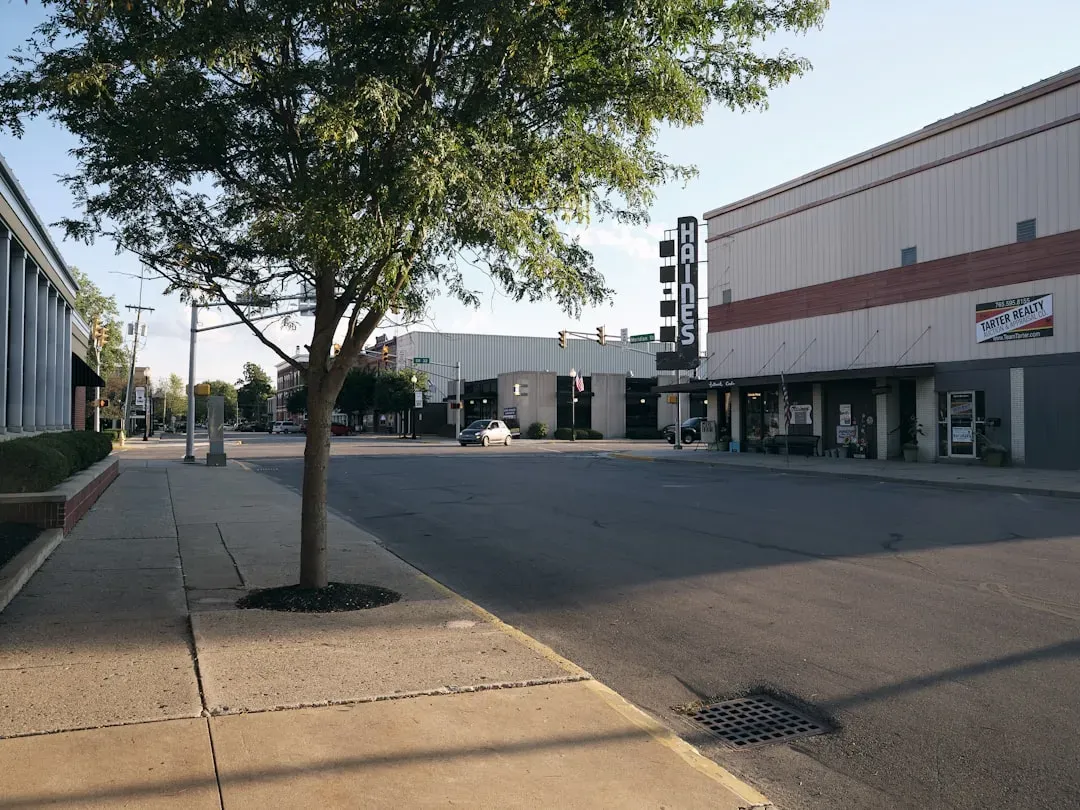
While everyone was watching Florida and Texas, something unexpected happened in Ohio, Indiana, and beyond. In 2025, the Midwest saw positive net domestic migration for the first time this decade. States like Ohio and Michigan, which experienced significant population losses during the pandemic years, have begun to stabilize and even attract new residents. Let’s be real – nobody had the Midwest renaissance on their 2025 bingo card.
Factors driving this include lower home prices compared to coastal markets, a strong manufacturing and healthcare job base, and a growing recognition among remote workers that mid-sized Midwest cities offer an excellent quality of life at a fraction of coastal costs. When you can buy a three-bedroom house for what you’d pay in rent in San Francisco, the math starts to look very different.
In the Great Lakes region, milder winters and cooler summers translate directly into lower utility costs, while geographic insulation from large-scale climate events provides both safety and insurance stability. Climate security, it turns out, is becoming a genuine migration driver. That’s a new story, and a significant one.
Remote Workers Are Stuck – and Suburbs Are Still Winning

The remote work story is more nuanced than simple reversal. Plenty of workers still have flexibility, and they’re navigating an uncomfortable middle ground. Even in 2025, as return-to-office mandates became popular with executives, more than half of full-time employees said they would take a pay cut for permanent remote or hybrid work options. The desire to live freely hasn’t gone anywhere. The ability to do so has shrunk.
Nearly half of 2025’s movers are heading to suburban areas, with only about three in ten relocating to urban settings and roughly one in five to rural areas. The suburb is still the dominant destination – not the city core, not the rural homestead. Think of it as a compromise. Close enough to the office, far enough from city rent prices.
Long-distance relocation declined as Americans prioritized job stability and financial stability. In 2025, nearly eight in ten of all moves were intrastate, meaning most movers stayed within their home state. The era of the dramatic cross-country leap, fueled by pandemic-era freedom, has quietly given way to something more cautious and calculated.
AI Jobs and Tech Corridors Are Reshaping Where People Move

There is a new pull factor emerging that’s reshaping migration in real time: artificial intelligence. There’s a growing demand for tech roles in AI, which has led many Americans to relocate to big cities with opportunities in the tech industry, such as Washington D.C. and Atlanta. These aren’t the coastal giants of Silicon Valley. The talent map is spreading to new urban hubs.
AI trainers have emerged as a distinct profession, with the role growing by 283 percent in cross-border hiring in 2025. That kind of explosive job category growth pulls people geographically toward the cities and campuses where that work is clustered. It’s a migration force that simply didn’t exist five years ago.
The top inbound states have seen an increase in job opportunities and industry over the last few years, with mid-size cities like Greenville, South Carolina, and Charlotte, North Carolina, offering newfound opportunities in manufacturing, finance, and technology. The new migration map isn’t about escape anymore. It’s about opportunity. That’s a meaningful philosophical shift.
Generational Divides Are Splitting the Migration Story

It’s not one migration happening right now. It’s several, happening simultaneously across different generations with very different priorities. Gen X and Millennials clearly emerge as the dominant forces behind domestic migration in 2025, together accounting for nearly three-quarters of all recorded moves. These two generations, largely in their prime earning, career-building, and family-forming years, are driving the bulk of relocation activity nationwide.
Millennials and Gen Z movers gravitated toward Washington, D.C., drawn by career opportunities, urban amenities, and dynamic job markets. In contrast, Boomers showed a clear preference for New Hampshire, reflecting a desire for slower-paced communities and retirement-friendly environments. Gen X movers leaned toward New Jersey and Maryland, states that offer strong employment hubs along with suburban or semi-urban living options.
I think this generational split is the most underappreciated part of the migration story. There isn’t one America deciding where to live. There are at least three, each with their own logic, their own budget, and their own definition of what “home” should feel like in 2026.
The Former Exodus States Are Staging a Comeback

Perhaps the most stunning data point in all of this is what’s happening to cities that were declared dead just a few years ago. Some major metros to make the top 25 in growth did so by reversing recent migration trends: San Francisco, Denver, and Philadelphia saw more moving equipment leaving than arriving in 2024, only to post strong net-gain numbers in 2025. San Francisco. Growing again. Who saw that coming?
The revival of urban markets presents new opportunities, and analysts are witnessing what some describe as the strongest urban buying trend in a decade, which aligns well with many corporate office locations. This trend is particularly relevant for international assignees and domestic transferees who prefer city living close to their workplace. The office is pulling people back to the city. Plain and simple.
New York City’s addition of 87,184 residents stands as an extraordinary achievement, particularly given the city’s pandemic-era exodus and the widespread predictions that remote work would permanently diminish its appeal. This dramatic reversal demonstrates the enduring magnetism of the nation’s largest city, driven primarily by renewed international immigration, the return of young professionals to Manhattan and Brooklyn neighborhoods, and the resilience of the city’s finance, media, technology, and healthcare sectors. It’s hard not to read that and feel like the city, after everything, simply refused to be written off.
Conclusion: The Map Is Moving Again, and Nobody Owns the Narrative

What the data from 2024 through 2026 tells us is that American migration has entered a new, more complicated chapter. The clean story of pandemic flight is over. In its place is a messier, more honest portrait of a nation balancing career pressure against lifestyle desire, climate risk against affordability, and remote-work freedom against the increasingly hard reality of return-to-office mandates.
The Sun Belt didn’t collapse. Cities didn’t disappear. The Midwest didn’t stay forgotten. Each corner of the country is competing again, and the winners are no longer obvious. In 2025, new movers are choosing stability over novelty, affordability before extravagance, and thought-out planning instead of quick relocations. America is being redefined to meet the needs of today’s highly intentional movers, with a focus on cost of living and building long-term value.
Migration has always been America’s autobiography, written in moving vans and forwarding addresses. The 2025 chapter is one of the most interesting yet. Where would you have moved – and would you still make the same choice today?
Partner offer
Planning a trip to Vegas?
Compare hotel rates and show tickets on VEGAS.com.