
Most people still think about luxury real estate the way they’ve always thought about it: waterfront, hillside, or near a well-regarded zip code. What’s getting less attention is something far older and more fundamental. The actual shape of the land, specifically the angular, elbow-like geometry of an L-shaped valley, is quietly becoming one of the most prized variables in high-end residential development.
This isn’t abstract geography. Developers, land analysts, and architects working at the top end of the market are paying close attention to terrain in ways the general public rarely sees. The curve in the valley floor, the way ridgelines deflect wind, the sunlight that pools in one corner rather than another: these details add up to millions of dollars in property value. Understanding why starts with understanding what the ‘L’ shape actually does to the land around it.
What an L-Shaped Valley Actually Is

An L-shaped valley forms when two distinct valley segments meet at roughly a perpendicular angle, creating an elbow-like turn in the landscape. This configuration occurs through a combination of geological faulting, differential erosion, and ancient river migration over thousands to millions of years. The result is a terrain feature that divides neatly into two arms: one typically running along a primary axis, the other bending off at a significant angle.
What makes this configuration unusual is that it creates conditions found in very few other landforms. Topography refers to the elevation, slope, and physical characteristics of a given landscape, encompassing natural features such as mountains, hills, valleys, rivers, and plateaus that shape the physical contours of an area. In an L-shaped valley, those contours combine to produce sheltered pockets, distinct solar exposures, and variable wind dynamics that other valley types simply don’t offer.
The Microclimate Advantage Hidden in the Bend
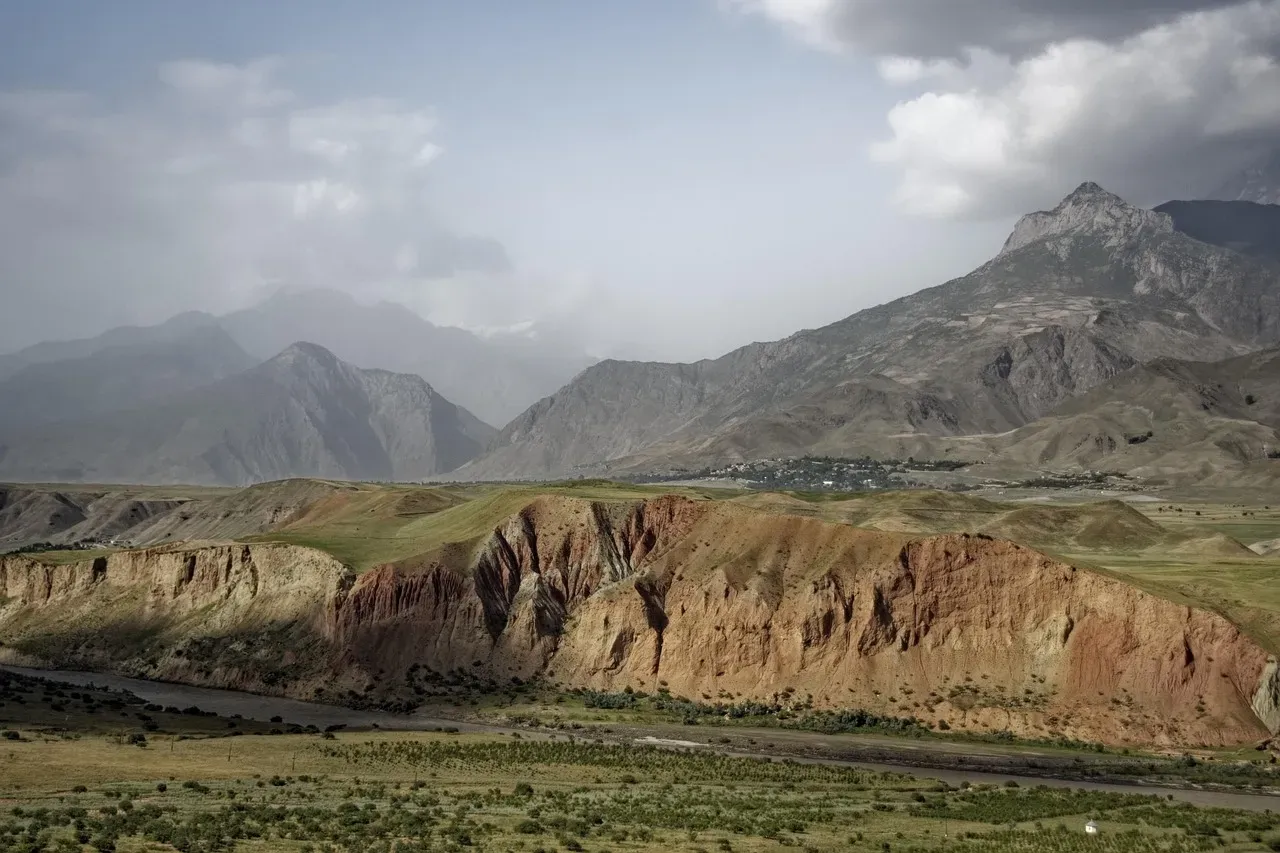
The interior corner of an L-shaped valley acts like a natural windbreak, creating a sheltered microclimate that can feel noticeably different from the surrounding terrain. Hills, valleys, and mountains significantly influence airflow and temperature distribution, and hills can block fog and winds, creating sheltered pockets with warmer temperatures. When a valley bends sharply, the ridgeline along the outer arm deflects prevailing winds, concentrating warmth and reducing exposure in the interior curve.
A microclimate is the distinctive climate of a small-scale area, such as a garden, park, valley or part of a city, where weather variables like temperature, rainfall, wind, and humidity may be subtly different from the conditions prevailing over the area as a whole. In practical terms, this means a sheltered corner at the elbow of an L-shaped valley can sit several degrees warmer in winter, stay drier during wet seasons, and receive significantly more direct sunlight than other parcels just a short distance away.
Sunshine-facing slopes are warmer than opposite slopes. In an L-shaped valley, the bend in the terrain can place certain homesites in the sweet spot where two differently oriented walls of sunlight converge, extending livable outdoor conditions well beyond what the regional climate would normally offer.
How Topography Directly Translates to Property Value
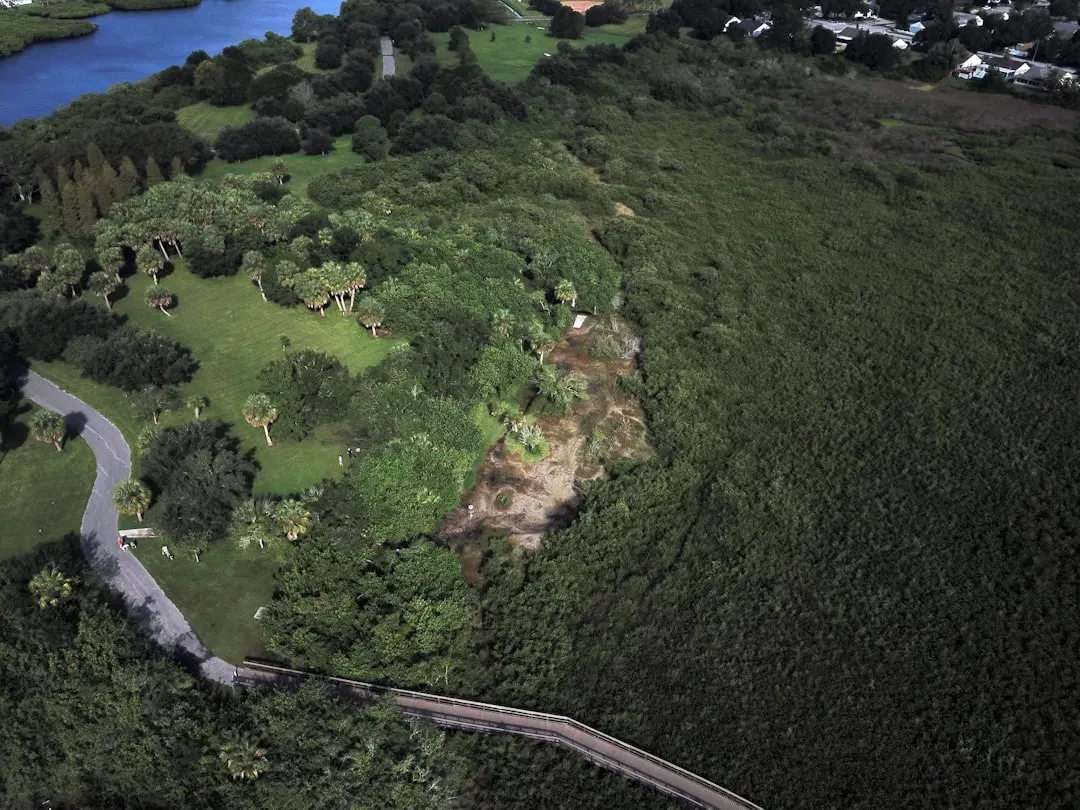
Topography plays a crucial role in determining how land can be used and developed, influencing everything from construction feasibility and water drainage to property value and accessibility. The link between terrain and price is well-documented, and it’s most pronounced at the luxury end of the market where buyers are actively seeking differentiation beyond square footage and finishes.
Land shape creates both good and bad effects for real estate development. In places like Colorado, properties on hills might sell for thirty to forty percent more because of their views, though they might also cost fifty to one hundred percent more to develop. In an L-shaped valley, the premium parcels sit in the sheltered interior, where views can be panoramic yet the construction conditions are often more manageable than a raw exposed ridge.
A well-selected site with favorable topography can appreciate in value over time, particularly if it offers advantages such as accessibility, scenic views, or resilience to environmental risks. The bend in the valley provides all three in a single location, which is a rare combination that justifies the kind of pricing developers are now placing on these sites.
The Encino Case Study: When Terrain Creates Two Real Estate Markets
One of the clearest real-world demonstrations of how valley topography splits a real estate market comes from Encino in Los Angeles. Encino is situated at the transitional point between the flat San Fernando Valley floor and the rugged Santa Monica Mountains, and terrain directly influences area architecture, demand, and pricing. That geographic position has created two very different buyer experiences within the same neighborhood boundaries.
Homes are nestled into a gradient that impacts everything from lot size to scenic views, with homes closest to the hills typically enjoying the most generous parcels of land, because hillside zoning and topography aren’t conducive to a densely planned community, and larger lots allow more liberty to develop outdoor areas or invest in more effective privacy features. These are exactly the features that drive up prices in the luxury segment.
Homes nestled in the hills frequently produce stunning canyon views and a more peaceful atmosphere, removed from the bustling Valley floor, and even modest elevation shifts can reduce traffic flow and the sounds of the streets. In an L-shaped valley context, that same dynamic plays out across a larger canvas, with the bend in the terrain amplifying the premium rather than simply reflecting a flat-to-foothill contrast.
Solar Exposure and Why Orientation Matters More Than Square Footage

Orientation is one of the most underestimated factors in luxury home placement. Most buyers think about orientation in terms of views, and a home that takes full advantage of north- and south-facing exposures can reduce cooling costs, while poor orientation can lead to higher long-term expenses. In an L-shaped valley, the two arms of the terrain can offer dramatically different solar conditions within a short distance of each other.
Elevation significantly impacts construction, drainage, and even microclimates, and higher elevations may offer scenic views but can also pose challenges like steep slopes or unstable soil. The interior of an L-shaped valley often captures the best of both possibilities: meaningful elevation for views and solar gain, without the steep structural penalties of a fully exposed ridgeline position.
The Drainage Factor: Why the Elbow Protects Against Risk
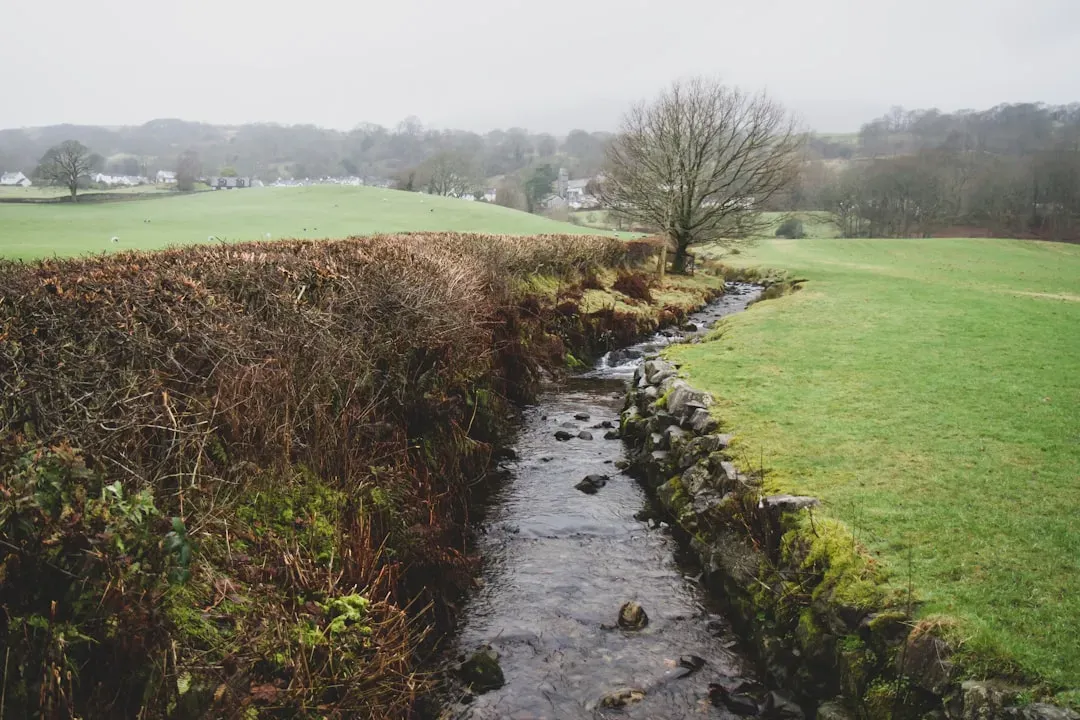
Topographic features of land, such as elevation, slope, and drainage patterns, can influence everything from construction costs to long-term property maintenance. Drainage is one of the most consequential and least glamorous of those factors. In an L-shaped valley, water naturally follows the outer arms rather than pooling in the interior curve, which reduces flood risk for the most sheltered parcels.
Topography plays a key role in assessing flood risk, and properties located at lower elevations are more susceptible to flooding, especially if they are near bodies of water like rivers, lakes, or retention ponds. The geometric logic of the L-shape means that water drainage paths tend to bypass the interior elbow, which is precisely where premium development is most likely to occur. This lowers both insurance costs and long-term maintenance concerns.
Steep valleys might trap cold air, while hilltops could be windy, and understanding these nuances ensures comfortable living conditions, preventing issues like extreme dampness or inadequate ventilation. The L-shape disrupts the trapping effect common in straight valleys, giving the elbow corner better air circulation while still maintaining meaningful wind protection.
The View Corridor Premium: What the Bend Creates That Money Can’t Build

Views are one of the few residential amenities that cannot be manufactured after the fact. Not all views are equal. In Bend, Oregon, the most sought-after properties offer direct sightlines to the Cascade Range, including peaks like the Three Sisters, Mount Jefferson, and Broken Top. In an L-shaped valley, the bend in the terrain creates a natural framing effect, where homes at the interior corner can look down two separate arms of the valley simultaneously.
This dual-axis view is architecturally significant. Land features like rolling hills, mature trees, and natural water sources can elevate the beauty of a residential property, and by strategically positioning structures to capture mountain or water views, developers can enhance marketability and property value. A property at the elbow of an L-shaped valley inherits exactly this advantage without any developer engineering: the landscape provides the frame itself.
Partner offer
The San Francisco Bay Area: Microclimate Pricing in Action

Perhaps nowhere in the world has the relationship between valley topography and property premiums been more studied and more expensive than the San Francisco Bay Area. The variations in the Bay Area are dramatic due to the complex interplay of topography, ocean currents, and prevailing winds, with hills, valleys, and proximity to the Pacific Ocean creating pockets of sunshine, fog, and temperature gradients within just a few miles.
Noe Valley’s location on the eastern slopes of Twin Peaks creates a unique microclimate that sets it apart from the rest of San Francisco, and while much of the city battles fog and wind, Noe Valley residents enjoy some of the sunniest, warmest weather in the entire Bay Area. Buyers there are paying a measurable premium purely for the terrain advantage, with typical single-family purchases in the $2.5M to $4M range for the neighborhood.
Some microclimates require more heating or cooling than others, affecting utility bills. When you factor in long-term operating costs alongside comfort and views, the financial logic of paying more for a well-positioned valley parcel is straightforward. The L-shaped configuration is simply the most efficient geometry for capturing all of these advantages at once.
What the Luxury Market Data Says About Terrain-Driven Development

The numbers behind the luxury market in valley regions are striking. Las Vegas-based Home Builders Research reported there were 773 sales of one million dollars and above in 2025, a forty-four percent increase over the 535 in 2024, with the luxury new-home market having been stagnant prior to 2025 with sales ranging from 535 in 2024, 567 in 2023, and 544 in 2022.
Much of that surge is occurring in valley locations specifically chosen for their topographic advantages. More and more multimillion-dollar homes are being built, bought and sold in the valley than ever before. Developments like those in Henderson and Summerlin are gravitating toward sites where the surrounding topography provides natural shelter, elevated positions, and view corridors: the same set of conditions the L-shaped valley provides by default.
Properties with unique amenities, sustainability features, and lifestyle-driven designs are expected to see the greatest demand, and suburban and secondary luxury markets will retain their appeal. Valley locations with strong terrain credentials fit squarely within this buyer trend, combining natural lifestyle advantages with the kind of understated exclusivity that wealthy buyers increasingly prefer over branded urban towers.
Why Land Scarcity in Valley Settings Is Accelerating the Premium

The supply side of this story matters just as much as the demand side. Bend, Oregon, is geographically constrained, with federal land, protected areas, and growth boundaries surrounding much of the region, making available land finite, and that reality directly impacts the long-term value of properties offering acreage. L-shaped valleys exhibit the same scarcity dynamic in an even more concentrated form: the premium interior corner position is singular by definition.
With prime land becoming scarcer, new ultra-luxury homes are commanding record-breaking prices. In valley settings specifically, that scarcity is geological rather than regulatory, which makes it permanent in a way that zoning decisions cannot replicate. You can rezone a neighborhood, but you cannot reshape a valley.
A well-positioned property with favorable topography can enhance investment potential, while challenging terrain may require costly modifications, and understanding these effects helps buyers and developers make informed decisions about land use and development. For high-net-worth buyers who think in decades rather than years, locking in a site at the sheltered elbow of an L-shaped valley is less a real estate purchase than a geographic one: a claim on a position that cannot be duplicated or manufactured anywhere else.
The Architecture That the L-Shape Demands
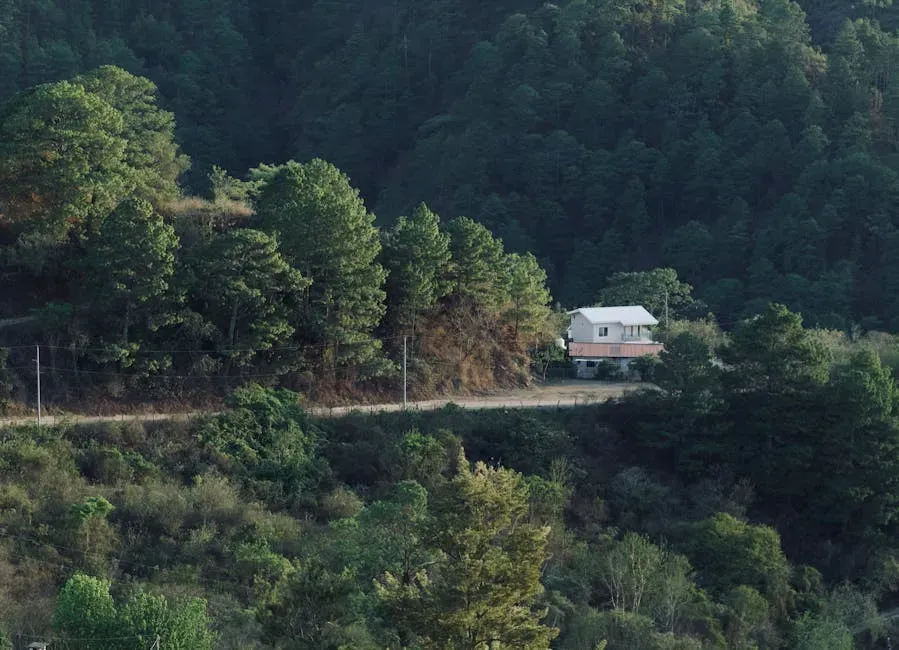
Architecture must pivot to meet the demands of the area’s topography, and this becomes more obvious in the foothills, where custom-built properties work slopes into their designs, resulting in unusual floor plans and terraced landscapes, while valley floor properties are more likely to feature traditional ranch-style dwellings and single-story mid-century constructions. The L-shaped valley demands something in between: a design language that responds to dual orientations and varying gradients within a single building footprint.
The topography of land plays a crucial role in building design and construction, and by adapting a house design to suit the natural features of the property, owners can enjoy benefits such as environmental sustainability, cost-effectiveness, and unique aesthetic appeal. At the luxury tier, architects actively seek out these conditions rather than treating topography as a constraint. The bend in the valley becomes an organizing principle for the entire design.
The result is homes that feel specific to their location in a way that no flat-lot construction can match. There’s something undeniably charming about a home that complements and enhances its natural surroundings, and whether it’s a house nestled into a hillside or one that overlooks a stunning valley, a home that works with its topography stands out for all the right reasons. In the luxury market of 2026, that distinctiveness is no longer just an aesthetic preference. It’s a pricing premium backed by genuine scarcity.
The Bottom Line: Terrain as the Final Frontier of Luxury Location
The factors that define a million-dollar address have evolved considerably over the past decade. School districts, walkability scores, and proximity to airports still matter, but at the very top of the market, buyers and developers are increasingly looking at something older and more durable: the shape of the land itself. The L-shaped valley, with its sheltered interior corner, dual view corridors, microclimate advantages, and natural drainage protection, offers a combination of attributes that no amount of construction can replicate.
When it comes to real estate, there’s far more to consider than just the property’s aesthetics or square footage, and one crucial factor that often goes overlooked but can greatly impact property value, livability, and development potential is topography. That observation is only becoming more financially consequential as buildable land in natural settings grows scarcer and buyers grow more sophisticated about what they’re actually purchasing.
The luxury real estate conversation has long focused on what gets built on the land. What’s shifting now is a recognition that the land itself, its curves, its shelter, its geometry, may be the most valuable feature of all. The ‘L’ in the valley isn’t just a shape on a topographic map. It’s increasingly a blueprint for where serious money goes next.
Partner offer
Planning a trip to Vegas?
Compare hotel rates and show tickets on VEGAS.com.