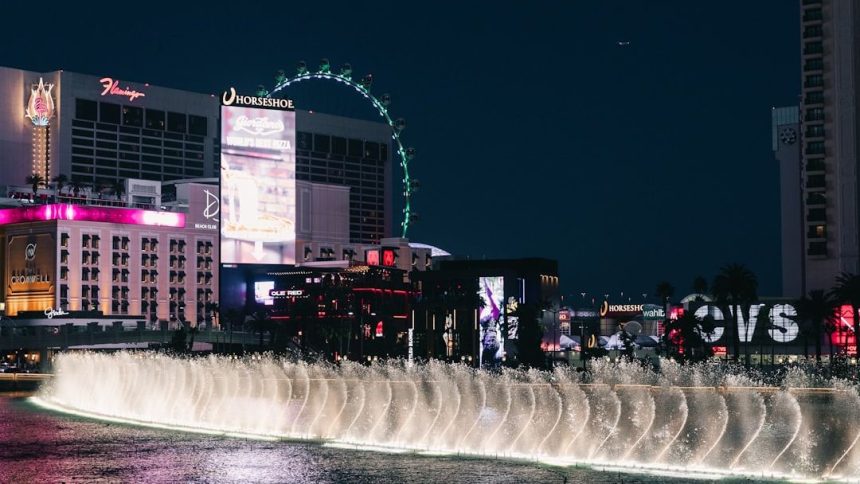
Every major city carries a hidden risk layer that only serious buyers think about before signing. In Las Vegas, that layer is water. The city sits in one of the driest places in North America, and yet nearly two million people call it home, more arrive every year, and construction cranes still dot the skyline heading into 2026. The tension between that growth story and a shrinking river supply is real, documented, and directly relevant to anyone with money tied up in Southern Nevada real estate. Here is what the data actually says.
The Scale of the Water Problem: Lake Mead in 2026
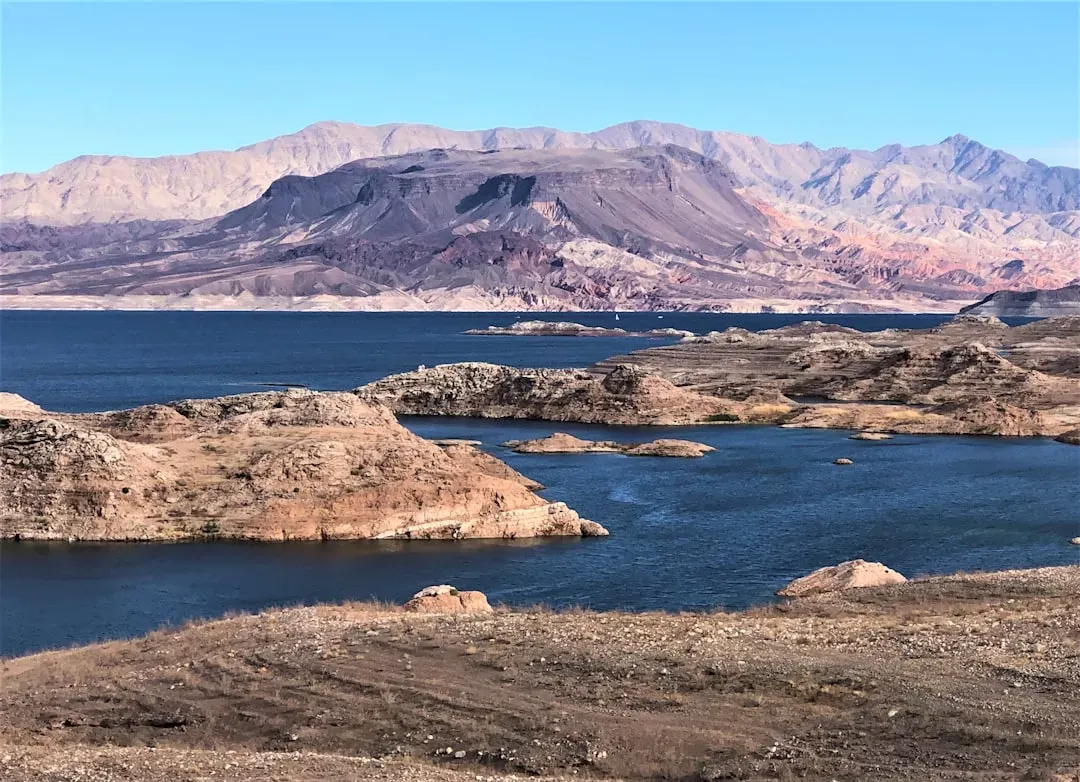
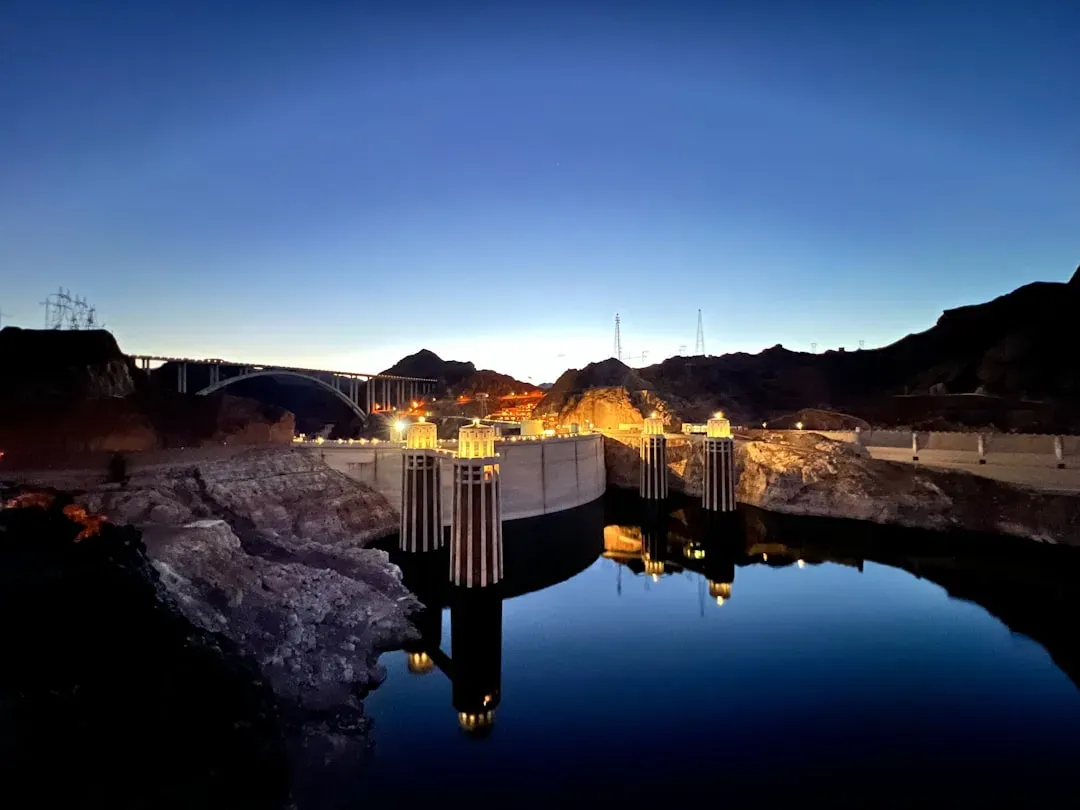
The water level of Lake Mead, which serves as the source of most of Las Vegas’s drinking water, has dropped by approximately 160 feet since January 2000. That is not a rounding error or a seasonal fluctuation. It is a structural, multi-decade decline driven by a megadrought that has now stretched into its third decade.
As of 2026, Las Vegas begins the year under a Tier 1 shortage declaration, with Lake Mead sitting at around 1,062 feet, and post-2026 operating guidelines for the Colorado River still under negotiation among seven basin states. The uncertainty about those future rules adds a layer of unpredictability that prospective homeowners should take seriously.
The best scientific projections available suggest that current Colorado River conditions will continue and worsen. Leading climate scientists warn of a permanent shift to a drier future, something known as “aridification.”
Where Las Vegas Gets Its Water
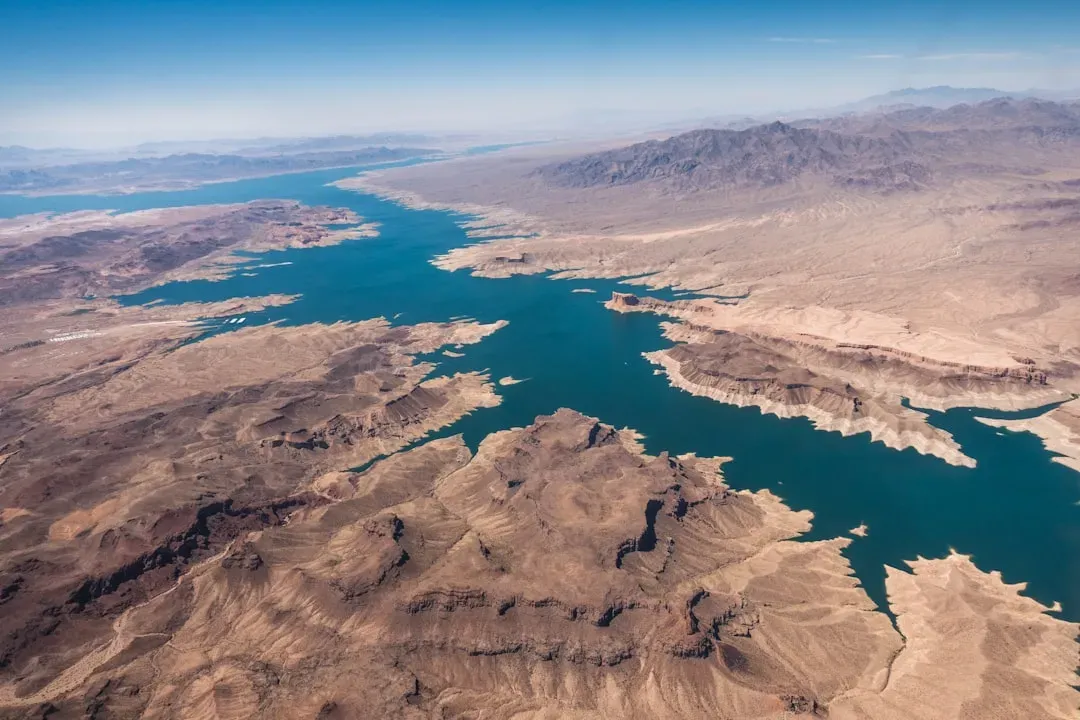
The Las Vegas Valley gets about 90 percent of its water from the Colorado River, which is facing the worst drought in the river basin’s recorded history. The remaining share comes from groundwater aquifers beneath the valley floor, but those are finite and heavily managed.
The Southern Nevada Water Authority has constructed a third drinking water intake and a Low Lake Level Pumping Station at Lake Mead to ensure continued delivery of Colorado River water to Southern Nevada even under low reservoir conditions. This infrastructure investment matters for homeowners: the taps are not expected to run dry in the near term.
About 99 percent of all indoor water use in Southern Nevada is recycled and returned to Lake Mead. This closed-loop system is one of the main reasons Las Vegas has managed its supply more effectively than most people realize from the outside.
The Tier System: What Shortages Actually Mean for Your Household
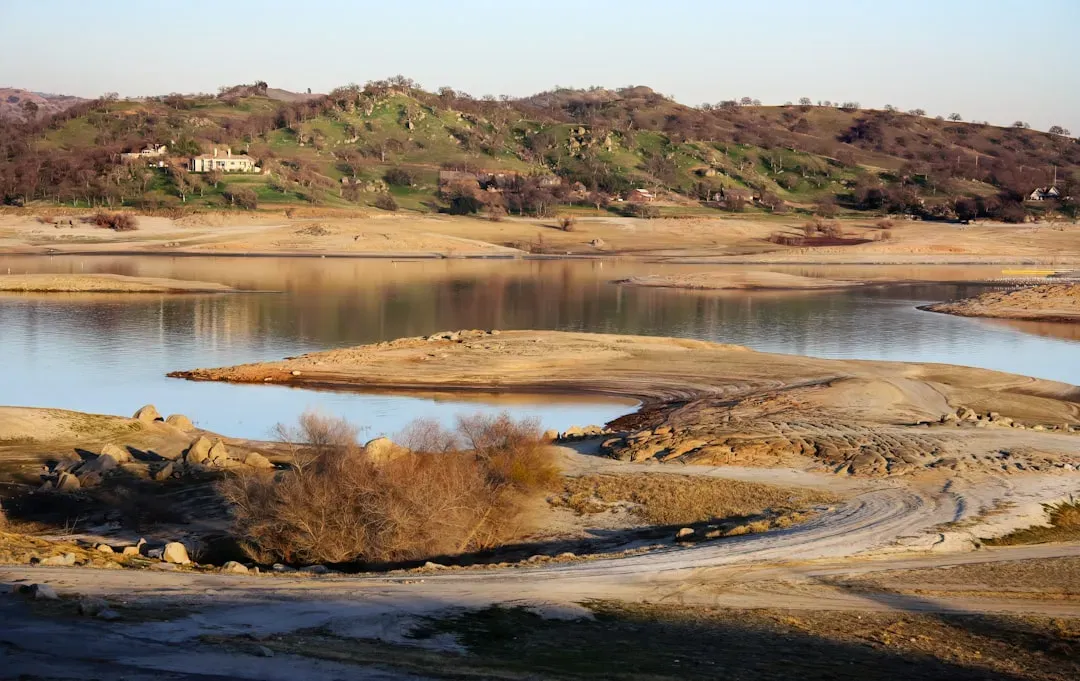
A Tier 1 water shortage remains in effect for 2025, according to the U.S. Bureau of Reclamation. Tier 1 is the least severe shortage condition. Under it, Southern Nevada is allowed 279,000 acre-feet from the Colorado River, which is 21,000 acre-feet below the state’s standard allocation of 300,000 acre-feet, representing about a seven percent cut.
A Tier 1 shortage is currently in effect, reducing Nevada’s consumptive Colorado River water use by 21,000 acre-feet. Nevada is not currently using its full Colorado River allocation, and near-term shortage declarations will not likely impact current customer use.
However, projections from August 2025 suggest Lake Mead could fall below 1,050 feet by mid-2026, potentially triggering a Tier 2 shortage and deeper cuts. That is the scenario homeowners and investors should monitor closely.
Conservation Wins: Las Vegas Has Already Done a Lot
Conservation efforts have helped the community reduce its per capita water use by 58 percent between 2002 and 2025, even as the population increased by approximately 876,000 residents during that time. That is a genuinely impressive number and something not widely understood by outside observers who assume Vegas is reckless with its resources.
Per capita results show Las Vegas has reduced water use from 314 gallons per day in 2002 to approximately 140 gallons in 2024, placing it among the lowest of any major desert metro area. The drop is steep and sustained, reflecting decades of coordinated policy.
In 2023, Southern Nevada used the least amount of Colorado River water in the last 31 years, even as the population increased. That result alone signals how seriously the region has taken the problem.
The Rules That Now Govern Your Yard
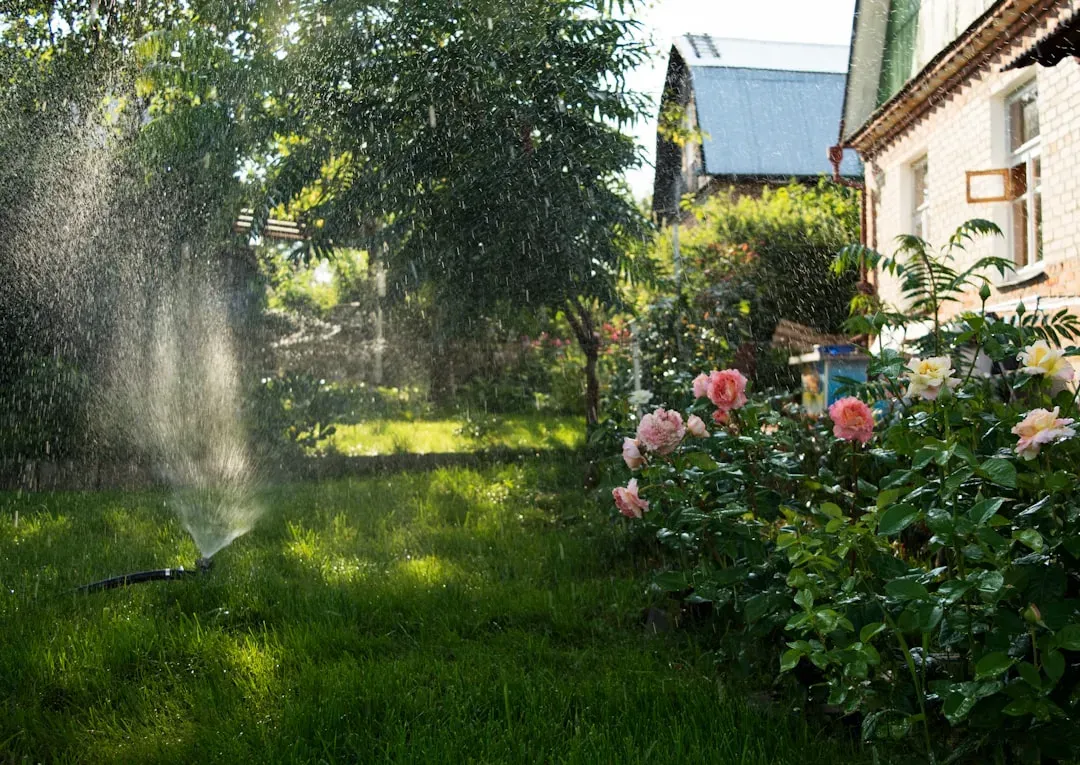
Restrictions in place in Las Vegas include limiting pool sizes, forbidding cooling systems that pass air over evaporated water (known as swamp coolers) in new buildings, issuing fines when water leaks onto sidewalks, restricting personal car washing to once a week, and prohibiting homes from having fountains or decorative ponds larger than ten square feet.
Watering restrictions play a crucial role in conserving Las Vegas’s limited water supply, and the SNWA enforces seasonal watering schedules to reduce water waste. In spring, watering is limited to three assigned days per week. These rules apply directly to residential properties and are actively enforced.
Nevada is the first state in the nation to give a local water agency the power to limit individual home water use. That legal authority is now on the books, which means water budgets for residential properties are not hypothetical. They are a real policy tool available to regulators.
Grass Removal Laws and What They Mean for Your Property
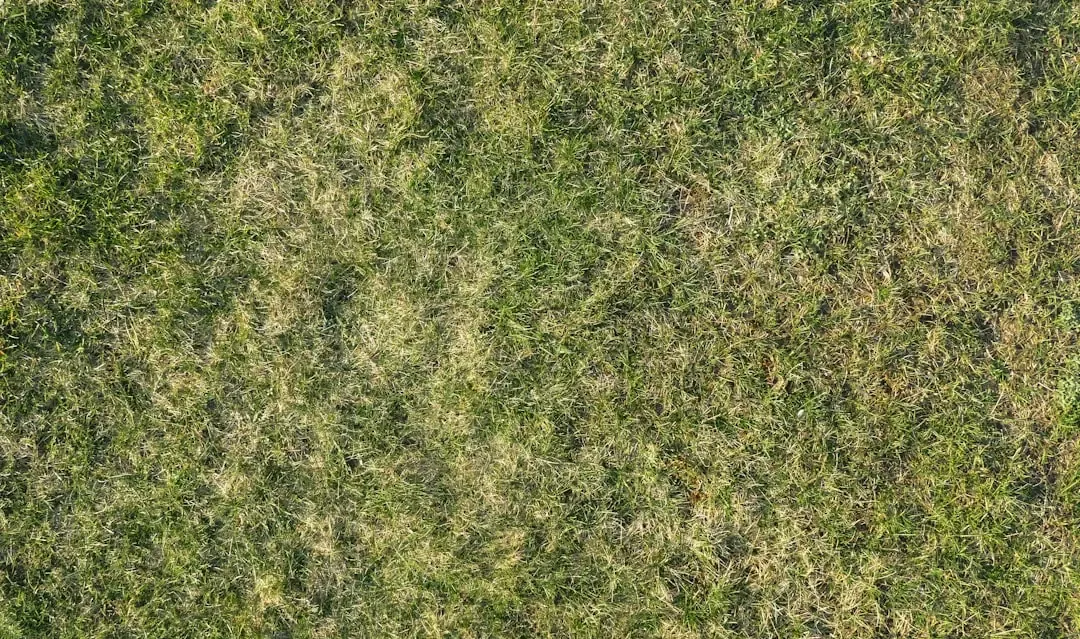
State law prohibits the use of Colorado River water to irrigate decorative, non-functional turf found along roadways, medians, in front of businesses, and in some HOA areas in Southern Nevada, starting January 1, 2027. This is one of the most consequential water-related property laws in the country right now.
Once fully implemented, the conservation law will help Southern Nevada save 9.5 billion gallons of water annually. For homeowners and landlords, the immediate implication is that HOA-managed properties and commercial-adjacent buildings will need landscape upgrades before the deadline.
Partner offer
The Southern Nevada Water Authority has extended its Water Smart Landscape rebate initiative, and the program received 24 million dollars in funding from the American Rescue Plan Act to continue the effort. Since 1999, the program has converted 232 million square feet of lawns and issued about 345 million dollars in rebates.
The Rebate Opportunity for Homeowners
Replacing just 1,000 square feet of lawn can save over 55,000 gallons of water annually and earn property owners up to $5,000 in rebate checks. For anyone holding a residential investment in Las Vegas, that is a meaningful financial incentive layered on top of the compliance benefit.
The rebate is set at five dollars per every square foot removed for the initial 10,000 square feet, and 3.50 dollars per square foot after that. The program has seen strong single-family participation, and demand for landscapers has increased as the 2027 deadline approaches.
As part of the SNWA’s Water Smart Landscape Rebate program, property owners can receive $100 for every new qualifying tree planted during a grass conversion project. The SNWA approved $10 million in funding for the tree rebate program to support the planting of up to 100,000 new trees across the valley. That is a meaningful secondary incentive most homeowners overlook entirely.
How Water Scarcity Filters Into Home Costs and Values
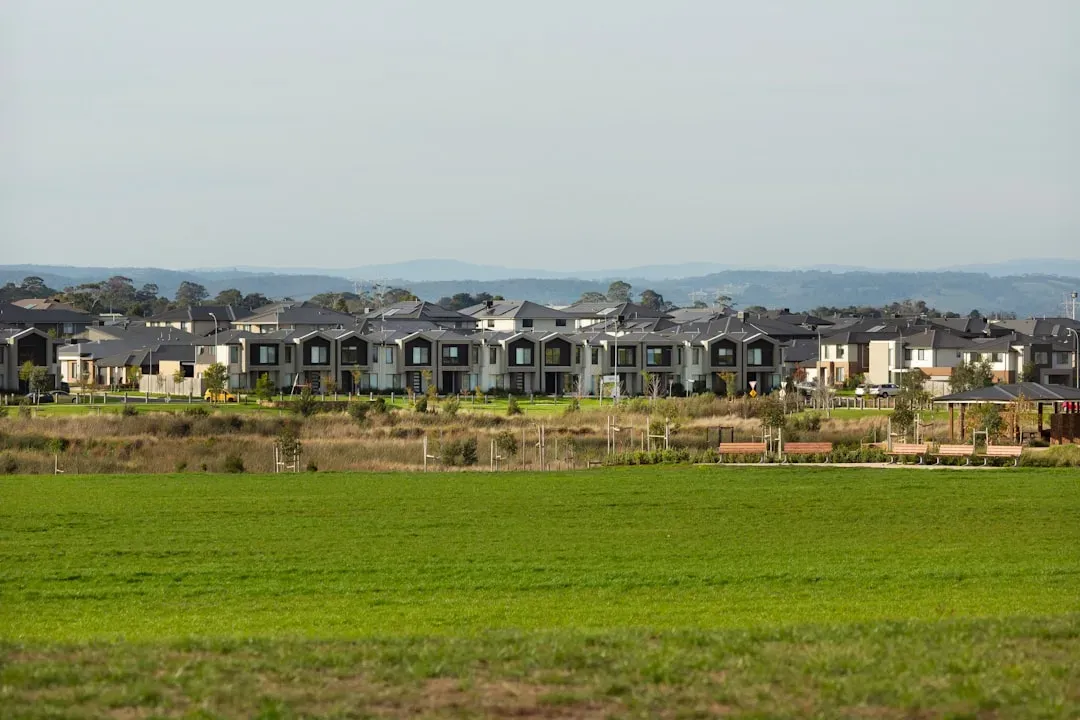
Water scarcity is a pressing issue for Las Vegas real estate. The city relies heavily on water from Lake Mead, which has been shrinking due to prolonged droughts. While the city has made strides in water conservation, ongoing drought conditions raise concerns about long-term sustainability. As water prices rise, homeownership costs may also increase, potentially influencing buyer demand.
Water scarcity is identified as a real risk for Las Vegas buyers, given that the city draws from Lake Mead at historically low levels. However, the Southern Nevada Water Authority has invested heavily in conservation, and per-capita usage has dropped significantly. Water is framed as a long-term concern, not an immediate crisis.
Looking ahead to 2026, the Las Vegas housing market is expected to maintain steady growth, supported by resilient demand, limited housing supply, and a favorable economic climate. Water concerns have not yet suppressed the broader market, though they do factor into long-range planning for serious investors.
The Broader Real Estate Picture Heading Into 2026
The median single-family home price in Las Vegas sits at $481,995 as of February 2026, with inventory climbing to over 4,086 active listings and roughly a five-month supply, and about a third of sellers having reduced their asking prices. That is a notably more balanced market than the frenzied conditions of 2021 and 2022.
Key market drivers include a diverse employment base, affordability relative to neighboring metros like Los Angeles and San Diego, and ongoing inward migration from higher-cost states. Those fundamentals have not changed, even as water policy has grown more restrictive.
Las Vegas real estate has strong long-term investment potential due to geographic constraints from surrounding federal land and mountains that limit sprawl, continued population migration, no state income tax attracting remote workers and retirees, and economic diversification. For buyers planning to stay five or more years, these fundamentals support stable, long-term value appreciation.
What This Means If You Own or Plan to Buy
As temperatures rise in Las Vegas, property owners must prepare for efficient watering practices to keep their landscapes healthy and compliant with local regulations. The Southern Nevada Water Authority released its first quarterly toolkit of 2025, offering guidance and resources for effective water management.
The Las Vegas Valley Water District has introduced a Water Line Protection Program designed to help property owners cover costly repairs on their service lines. This optional program can provide peace of mind for property owners managing older homes or investment properties in Las Vegas. It is the kind of detail that rarely shows up in a listing description but can significantly affect ownership costs over time.
Environmental factors related to water scarcity are shaping the future of real estate in Las Vegas, pushing developers and homeowners to adopt greener, more sustainable practices. Buyers who account for that trend early, through xeriscape upgrades, water-efficient appliances, and smart irrigation, are better positioned both financially and in terms of compliance.
Conclusion: A Risk Worth Understanding, Not Ignoring
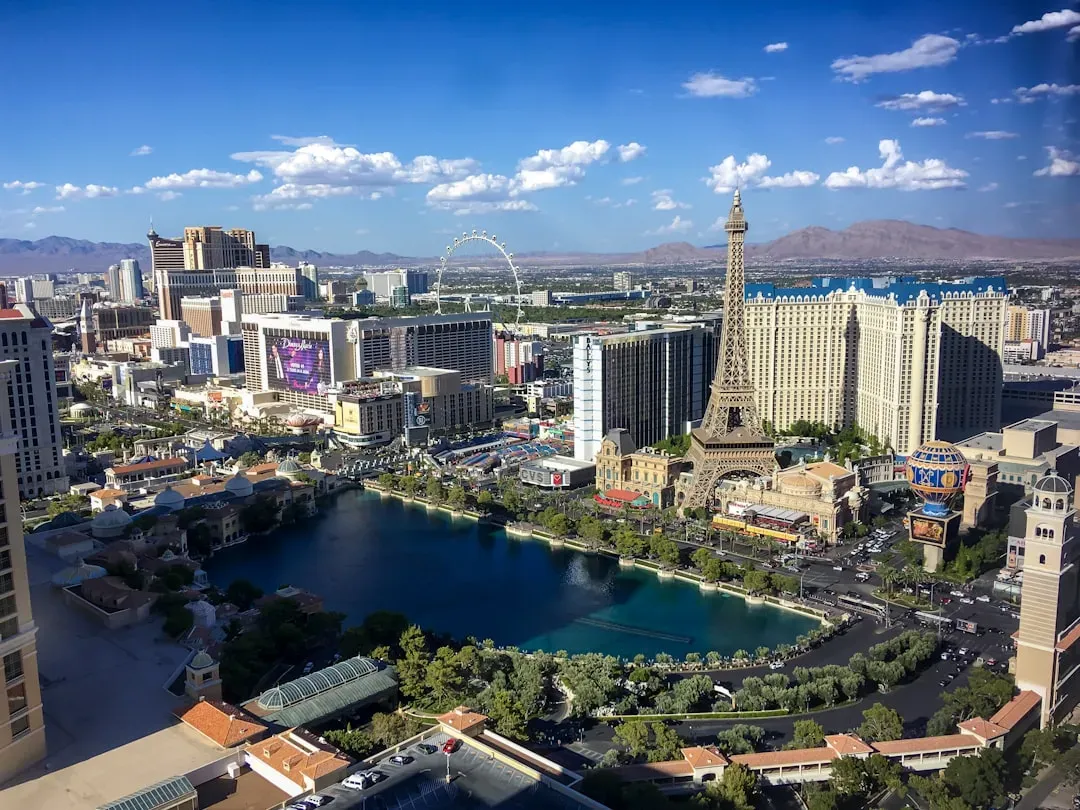
Las Vegas water scarcity is neither a catastrophe waiting to happen tomorrow nor a background detail you can safely ignore. It sits somewhere in between, a structural constraint that shapes regulations, costs, and long-term property planning in ways that are already visible in local law.
The conservation progress is real. Southern Nevada has reduced per capita water use by 58 percent between 2002 and 2025, even as the population increased by approximately 876,000 residents. That track record gives the region more resilience than headlines often suggest.
Still, the science points in one direction. It would take many years of above-normal Rocky Mountain runoff before Lake Mead returns to pre-drought levels. The best scientific projections available suggest that current Colorado River conditions will continue and worsen. For a homeowner or investor in Las Vegas, the smartest position is not panic, but preparation. Water compliance is not going away. Plan for it.
Partner offer
Planning a trip to Vegas?
Compare hotel rates and show tickets on VEGAS.com.