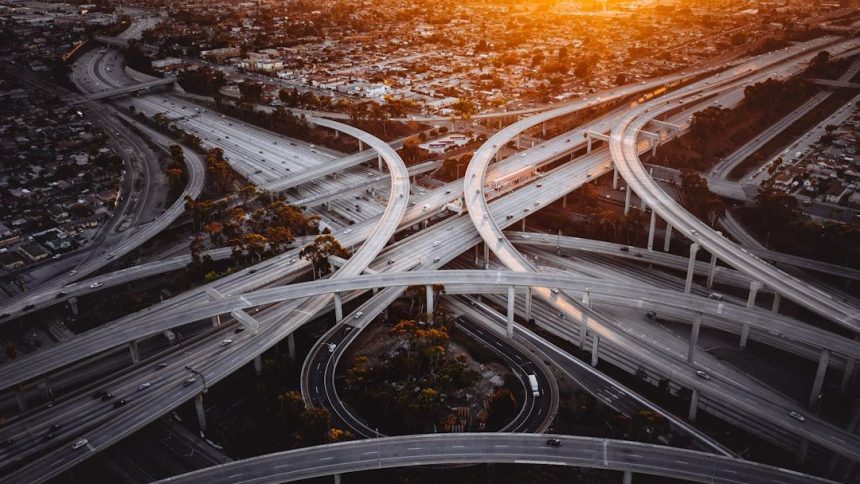
Few road intersections in the American West carry as much weight as the point where Interstate 15 meets US Route 95 in downtown Las Vegas. Locals call it the Spaghetti Bowl, a name that captures its tangled complexity with surprising accuracy. It’s not just a freeway interchange. It’s a nerve center – the point where commuters, tourists, freight haulers, and cross-country travelers all converge at once, day and night.
Understanding why this “X” on the map matters so much takes more than a glance at a traffic report. It requires a look at history, engineering, economics, and the relentless growth of a city that simply never slows down.
The Birth of the Spaghetti Bowl: A History Worth Knowing
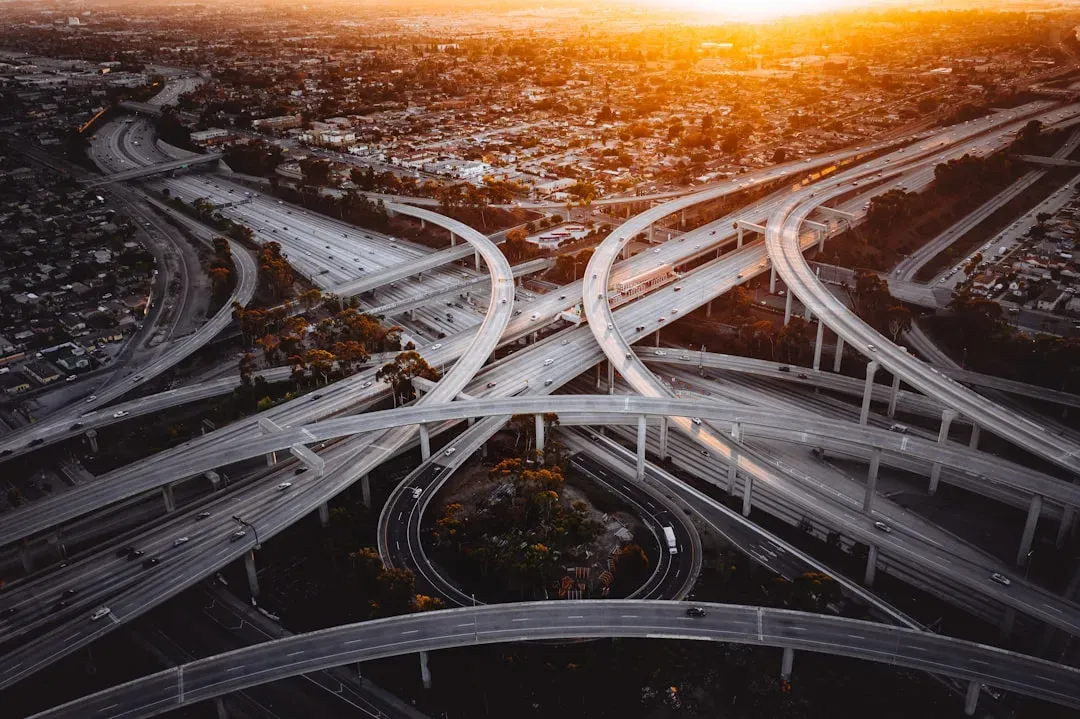
The original Spaghetti Bowl was constructed in the mid-1960s by Kiewit Corporation and completed by 1968, connecting I-15 to the new cross-town Las Vegas Expressway. It was built to handle the traffic demands of a city still finding its footing as a major American metropolis. The general corridor stretches back even further – as early as 1914, regular automobile travel through southern Nevada ran along the Arrowhead Trail, a road linking Los Angeles and Salt Lake City. The roots of this intersection, in other words, go far deeper than asphalt.
The passage of the Federal Aid Highway Act of 1956 accelerated upgrades to the corridor, and the first section of the newly designated I-15 opened by 1960. By 1967, I-15 had been constructed along the entire length of the old US 91 alignment except through parts of Las Vegas and near Mesquite, with those final sections completed in 1974. The modern freeway we drive today was decades in the making.
What Makes This Interchange So Uniquely Complex
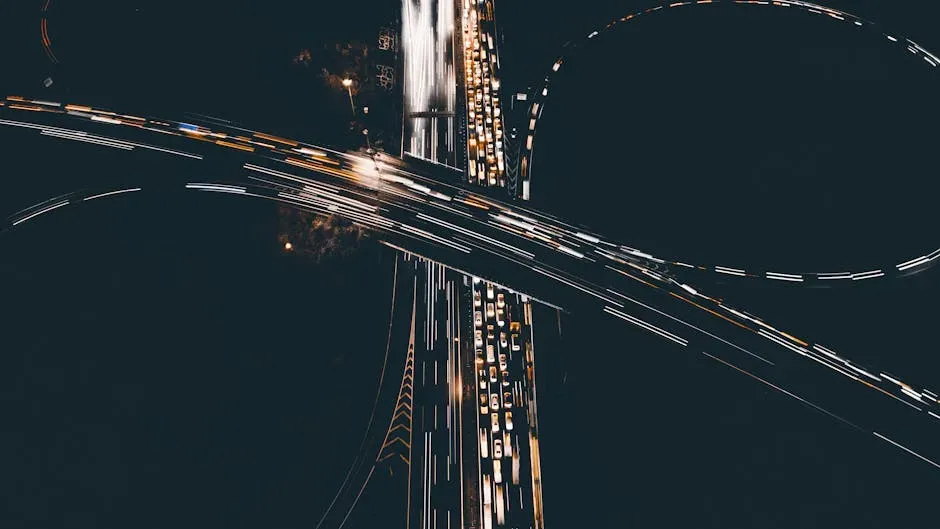
The Spaghetti Bowl is the colloquial name for a freeway interchange in downtown Las Vegas that serves as the system interchange between Interstate 11, US Route 95, Interstate 15, and US Route 93, which also includes a service interchange with Martin Luther King Boulevard. That’s four major routes converging in one compact area. The geometry alone demands a driver’s full attention.
The interchange had been designed to carry only about 60,000 vehicles a day, a figure that seems almost quaint today. Because the Spaghetti Bowl has complex traffic movements, during heavy loads traffic can bottleneck, and drivers can reduce delays by traveling during off-peak hours and avoiding weekday rush hours, generally from 7 to 9 a.m. The architecture of the interchange, even after upgrades, still reflects the challenge of routing enormous volumes through a tight urban footprint.
300,000 Vehicles a Day: The Scale of Daily Pressure
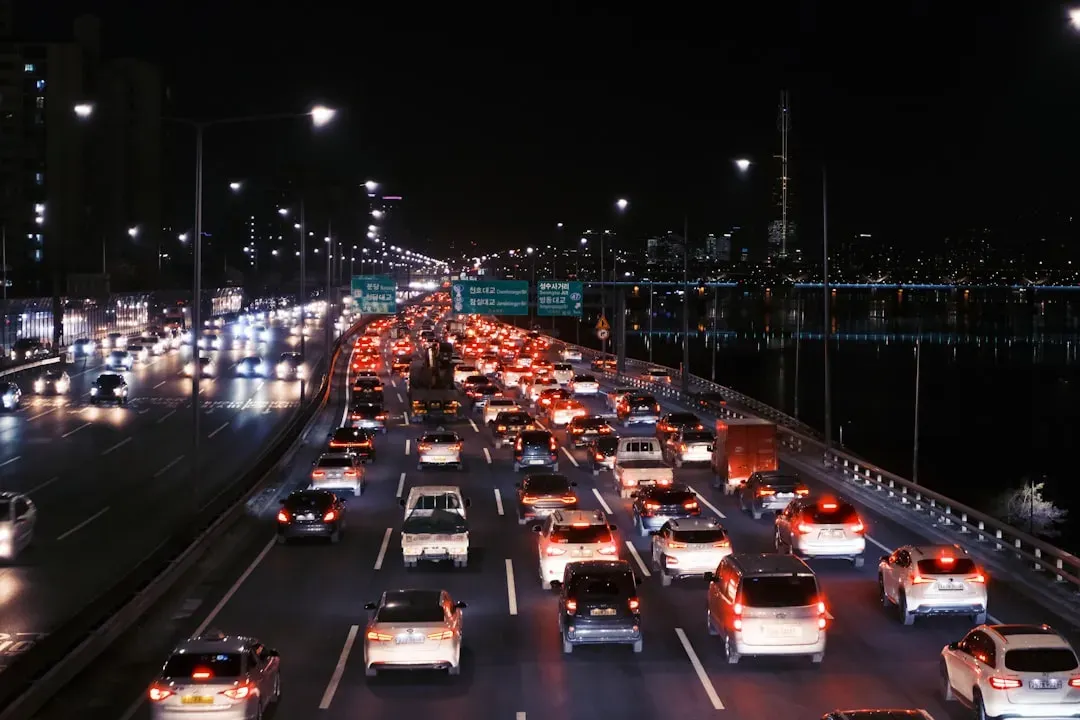
The 3.7-mile stretch anchored by this interchange is the busiest stretch of highway in Nevada, carrying 300,000 vehicles daily – equal to roughly one-tenth of the state’s population – and seeing 25,000 lane changes per hour. Those numbers are not abstractions. They represent the daily reality of everyone who drives through the Las Vegas metro area, whether for work, leisure, or long-distance travel.
The project that addressed this corridor specifically confronted 300,000 cars daily and 25,000 lane changes hourly. I-15 is also the only freeway connection between southern California and southern Utah, making traffic through the corridor expected to double by 2035. The pressure on this single interchange is not local – it’s regional, even national.
Project Neon: Nevada’s Biggest Infrastructure Investment Ever
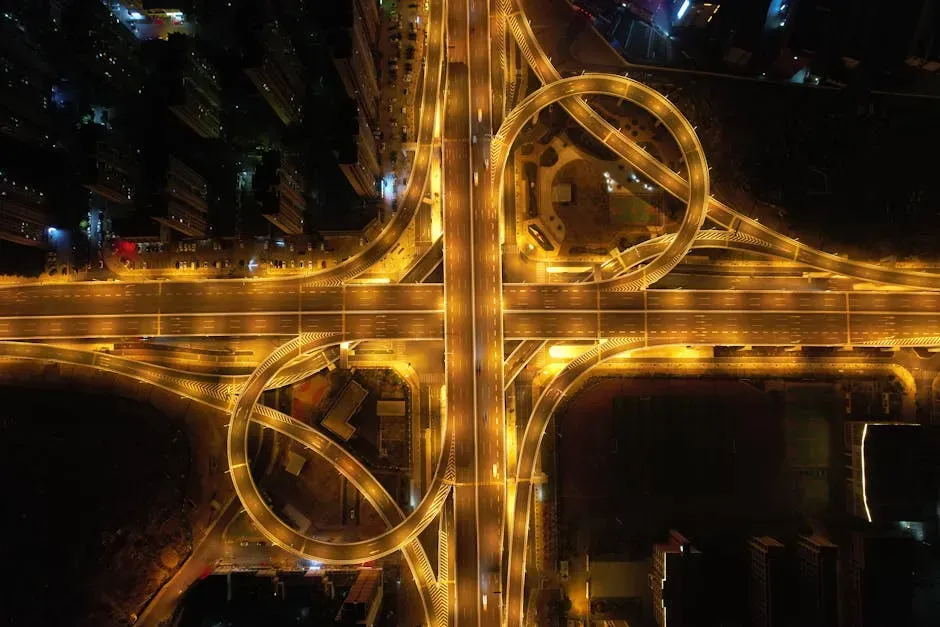
Project Neon was a nearly $1 billion, 4-mile-long widening of Interstate 15 between US Highway 95 and Sahara Avenue in downtown Las Vegas, and it remains the defining infrastructure response to the demands of this interchange. The more than three-year undertaking stands as the largest and most expensive public works project in Nevada’s 155-year history, creating 4,000 direct, indirect, and induced local jobs. The scale of the project matched the scale of the problem.
Project Neon entailed 63 lane miles of concrete and asphalt paving, with 29 new bridges and 10 miles of drainage improvements. Traffic delays were estimated to decrease by 28 percent, with traffic projected to move at an average speed of 60 mph compared to a projected 28 mph without the improvements. For regular commuters, those numbers translate to genuinely recovered time every single day.
The HOV Network: Moving More People, Not Just More Cars
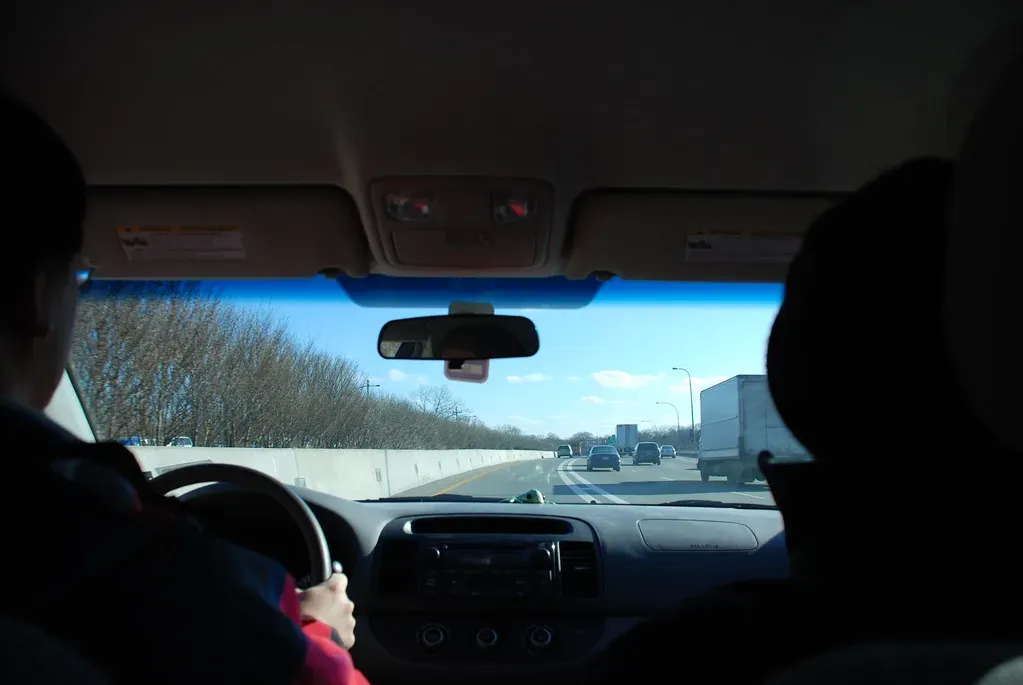
As a result of Project Neon’s completion, the Las Vegas Valley gained more than 20 miles of continuous HOV lanes with direct access between I-15 and US 95 and into downtown via the Neon Gateway interchange, just south of Charleston. This was a deliberate shift in transportation philosophy, encouraging carpooling and higher vehicle occupancy rather than simply widening general lanes indefinitely.
The expansion created over 20 contiguous miles of HOV lanes with improved access and connectivity, including an HOV direct connect ramp between US 95 west of the Spaghetti Bowl and I-15 south of the Spaghetti Bowl. HOV connectors were added from I-15 north to US 95 north and from US 95 south to I-15 south in 2019. The infrastructure now rewards drivers who share rides through the busiest part of the network.
US-95 as Nevada’s Backbone: More Than Just a Las Vegas Road
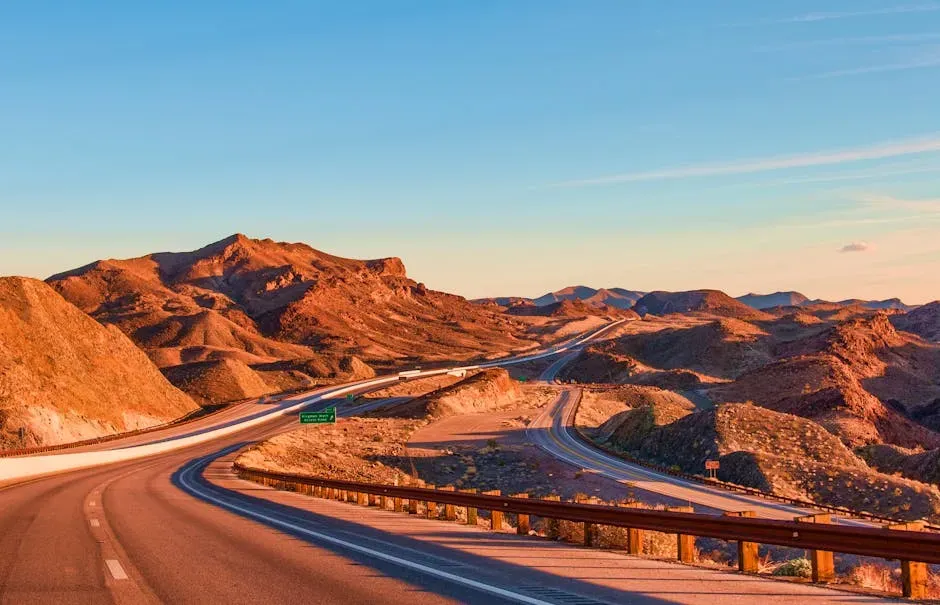
US Route 95 is a major US highway traversing the state of Nevada from north to south, passing directly through Las Vegas and providing connections to both Carson City and Reno. At nearly 647 miles, it is the longest highway in Nevada. The stretch that crosses I-15 at the Spaghetti Bowl is just one segment of a highway that threads the entire state together.
US-95, which overlaps with I-515 in parts of the valley, is a major northwest-southeast corridor, connecting northwest Las Vegas and Summerlin to downtown and then southeast toward Henderson and Boulder City. A portion of the route in Las Vegas northwest of downtown is called the Oran K. Gragson Freeway, named for the Las Vegas mayor who advocated for construction of that portion. It’s a road with a civic legacy, not just a traffic function.
The I-11 Redesignation: A Recent Shift That Changes the Map
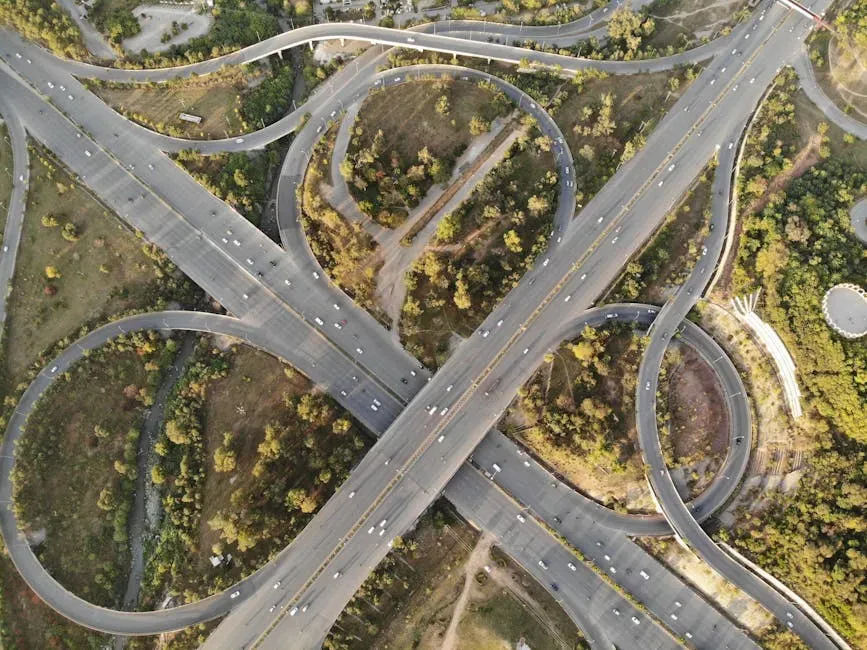
On May 21, 2024, US 95 was redesignated as I-11 by NDOT due to an expansion in Nevada linking Las Vegas, Phoenix, and Reno, after the American Association of State Highway and Transportation Officials approved the designation in October 2022 along with the Federal Highway Administration on November 24, 2023. This is one of the most significant changes to happen at this interchange in recent memory. The signage changed, but the traffic didn’t stop.
Signs for I-11 and US 95 north of I-15 began going up on May 21, 2024, by NDOT, and the I-515 designation was decommissioned following federal approvals. The I-11 designation is planned to ultimately connect the Phoenix and Las Vegas metropolitan areas, with potential for future expansion northwest toward Reno. What began as a local interchange is gradually becoming a node in a much larger interstate vision.
Growth That Keeps Outpacing Capacity
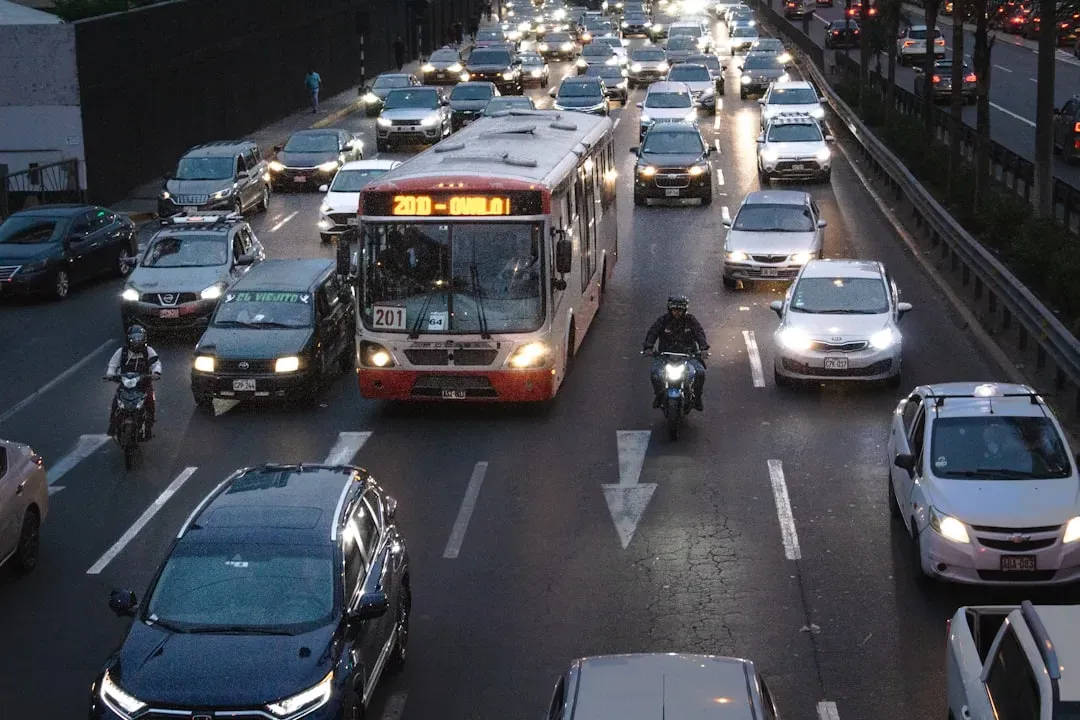
When the Henderson interchange was originally constructed, Clark County had a population of about 1.5 million residents; that figure has since approached 2.4 million. Infrastructure built for one generation of growth consistently struggles to serve the next. After the original Henderson interchange was completed in 2006, population across the Las Vegas Valley spiked, with more than 800,000 more residents calling the area home.
A 2020 study revealed that 191,000 vehicles traveled through the Henderson intersection daily, with that volume expected to jump to 289,000 by 2040, according to NDOT. Since the construction of I-15, California, Idaho, Nevada, and Utah have consistently ranked among the fastest-growing areas of the United States, substantially increasing population and commuter traffic along the route. The growth is structural, not cyclical – and the roads must keep pace.
Ongoing Construction: The Work Is Far From Over
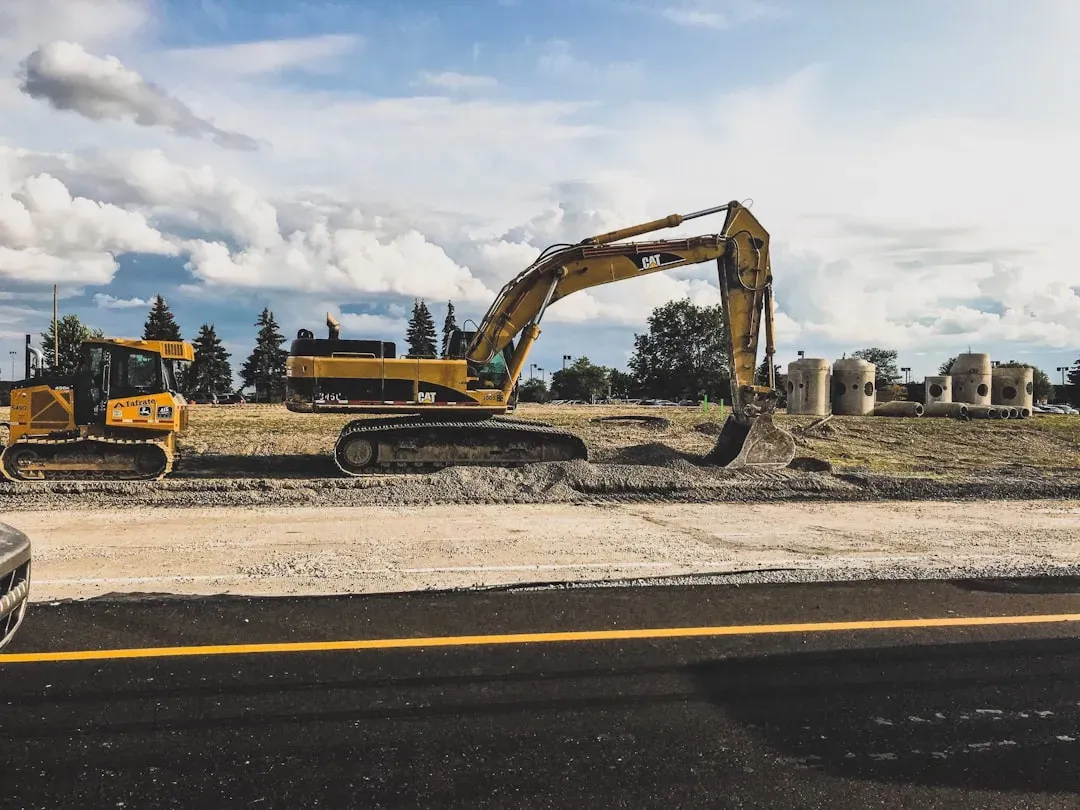
Once the three current projects on I-15 are completed and combined with previous work including the $1 billion Project Neon, a total of $1.8 billion worth of improvements will have been made on the busy highway. That figure reflects how persistently the region has had to invest in this corridor simply to keep pace with demand. When complete, I-15 will be widened from six to eight general-purpose lanes between Sloan Road and St. Rose Parkway and from six to eleven general-purpose lanes between St. Rose Parkway and Blue Diamond Road.
The next portion set to be widened is the stretch between Flamingo Road and Sahara Avenue, known as the I-15 Central Corridor, with an environmental study that kicked off in spring 2023 and is expected to be completed by 2028. The $350 to $400 million overhaul of the Henderson interchange – where the 215 Beltway, US Highway 95, and Lake Mead Parkway meet – began in late summer 2024 and is expected to run through the end of 2026. The construction calendar at this intersection is, in effect, a permanent feature of life in Las Vegas.
What the Future Holds for This Critical Crossroads
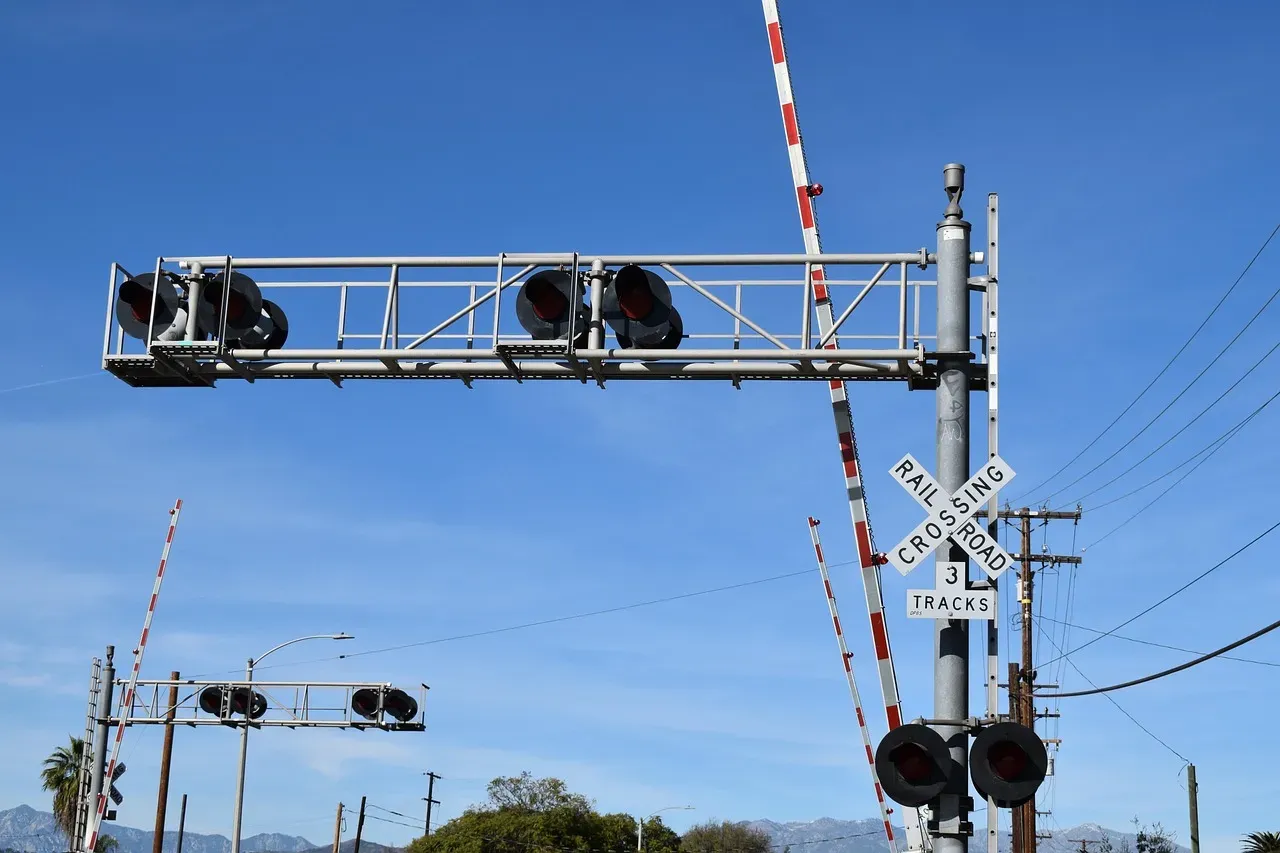
The Brightline West high-speed rail line, a private operator project that broke ground in 2024, is scheduled to commence service in 2028 between Rancho Cucamonga and Las Vegas, using the median of I-15 for most of its 218-mile route and reaching speeds of up to 186 miles per hour. This represents the most dramatic change to the I-15 corridor in its history – a rail system running alongside the very highway it will partially replace for some travelers.
From the junction of I-11 in Las Vegas to the Canadian border, I-15 forms part of the CANAMEX Corridor, a High Priority Corridor established as a result of the North American Free Trade Agreement. Active Traffic Management signs installed along the corridor, currently numbering 42, greatly improve efficiency and reliability, reducing travel delays and improving air quality from less idle time and vehicle exhaust. Technology, rail, and road expansion are all converging on this same corner of the Nevada desert.
Conclusion: One Interchange, Every Story
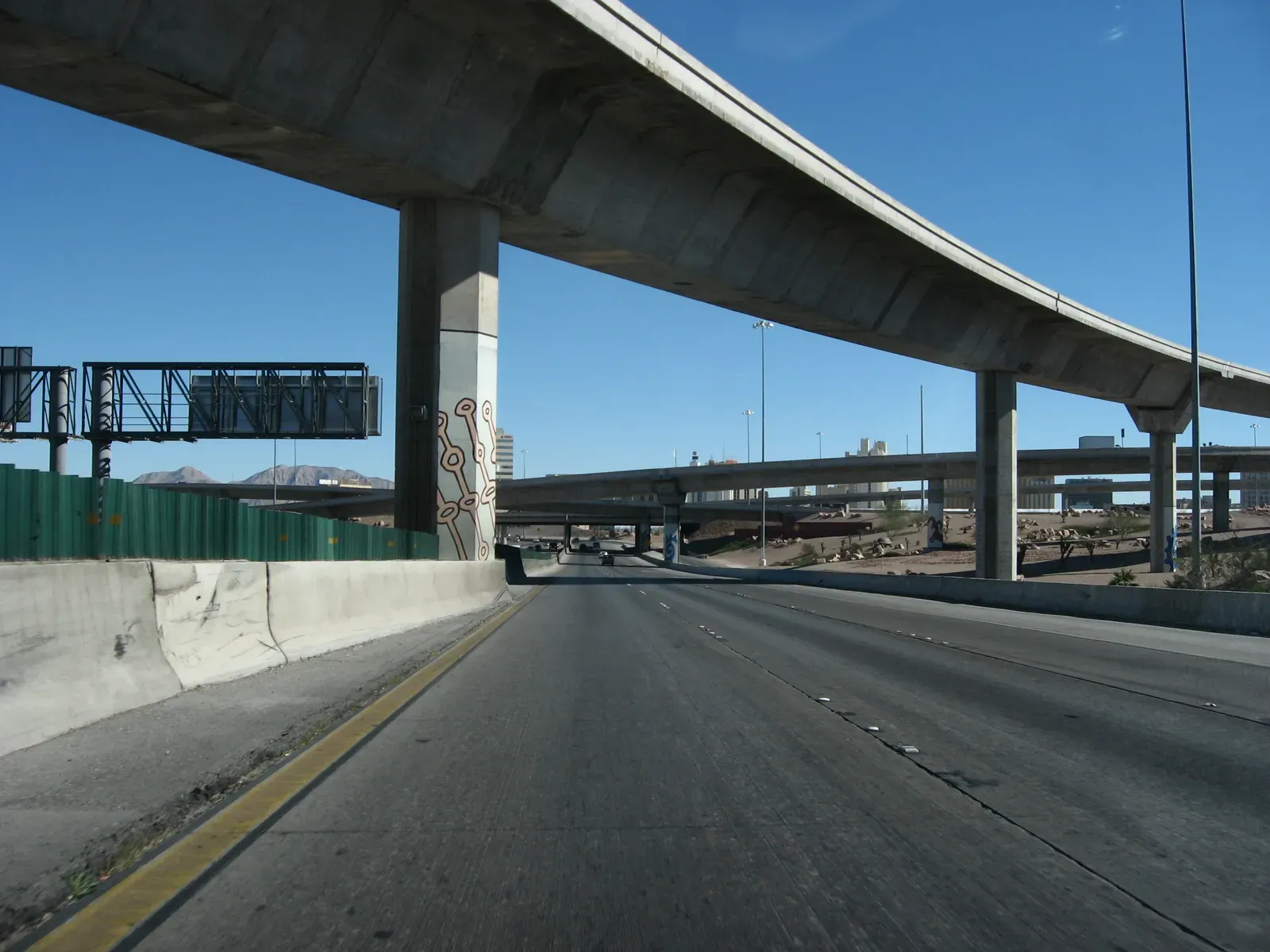
isn’t just a place where roads cross. It’s where the entire arc of Southern Nevada’s growth becomes visible – from a 1960s overpass designed for 60,000 cars to a multilevel interchange now handling more than 300,000 vehicles each day. Every billion dollars spent here, every ramp rebuilt and every bridge added, reflects a city that has consistently grown faster than the infrastructure meant to contain it.
Mastering this “X” means understanding that a freeway interchange can be a mirror. What happens at the Spaghetti Bowl tells you almost everything about where Las Vegas has been, how fast it’s moving, and what it will take to keep the whole thing from grinding to a halt.