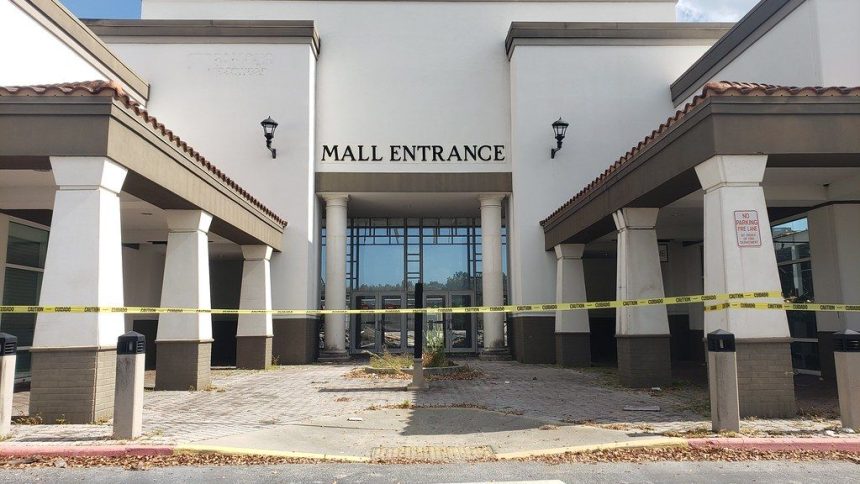
You probably drove past it a dozen times and thought, “What a shame.” An empty parking lot the size of a small airport, a few boarded-up storefronts, maybe a lone shoe store holding on for dear life. The local dead mall has become almost an American cliché. A symbol of everything that went wrong with retail.
Here’s the thing, though: that eyesore might actually be the best thing that ever happened to your property value. The transformation of dying malls into vibrant, mixed-use neighborhoods is quietly reshaping suburban real estate in ways most homeowners haven’t noticed yet. Let’s dive in.
The Quiet Death of America’s Malls – And What Comes Next

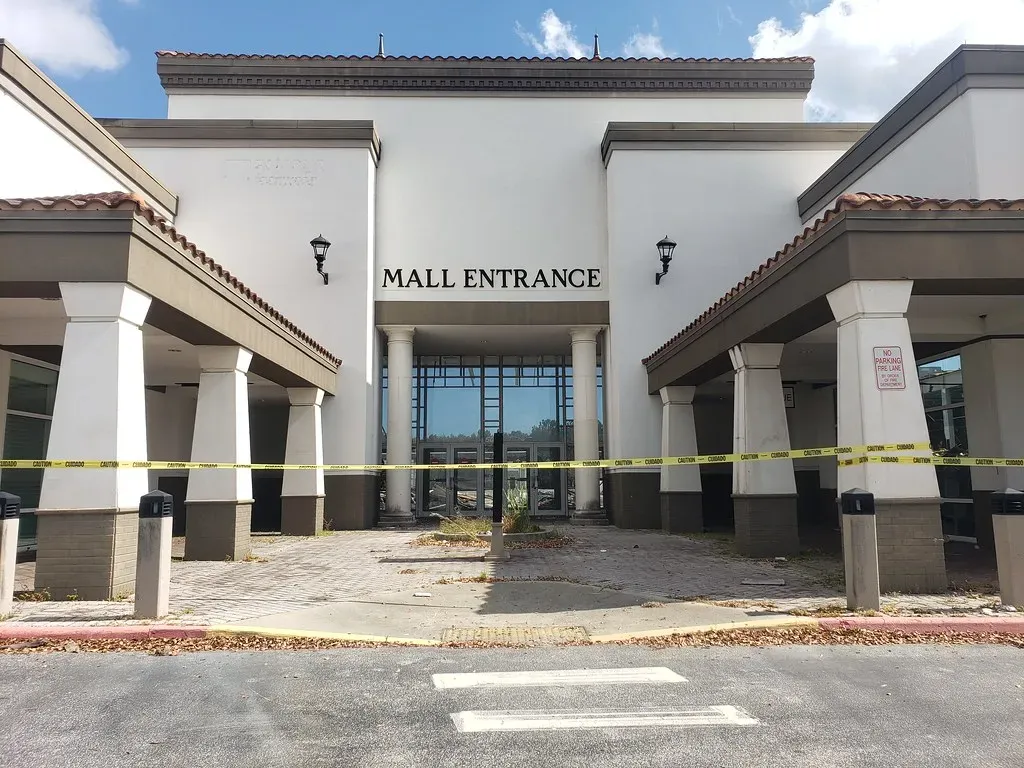
Approximately 2 million square feet of mall space was demolished in 2023 alone, and up to nearly nine in ten of all large shopping malls may close over the next decade, according to Capital One Shopping Research. That’s a staggering number. Think about that for a moment.
Replacing defunct shopping malls with open-air, lifestyle-oriented retail venues has become common throughout the United States, and some projections suggest that as few as 150 malls will still be in operation by 2032, down from the estimated 1,150 operating nationwide. What fills that void matters enormously for surrounding neighborhoods.
E-commerce, shifting demographics, and pandemic-era disruptions shuttered roughly one in four U.S. malls by 2023. These cavernous structures, averaging 400,000 square feet, devour maintenance costs while depressing nearby property values. The blight is real. The opportunity, however, is equally real.
From Ghost Mall to Live-Work-Play Neighborhood

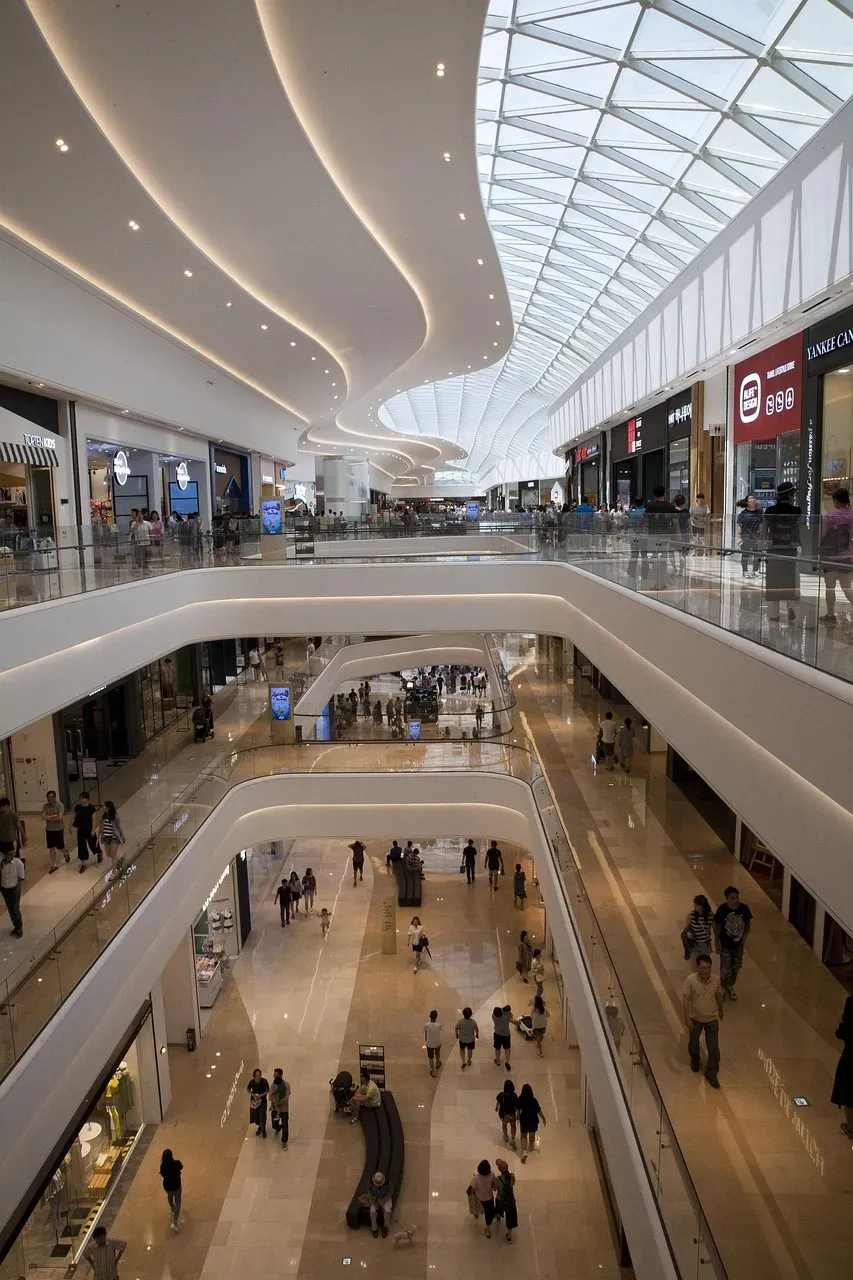
From apartment buildings rising in shopping center parking lots to the redevelopment of dead-mall sites as housing, retail-to-residential conversions are an increasing trend. Developers have started seeing what many local homeowners haven’t yet spotted on the horizon.
Most mall redevelopments, rather than eliminating retail altogether, include retail, housing, and other types of uses in a close space, in line with developers’ current focus on creating “18-hour neighborhoods,” or live-work-play centers where residents can essentially get the most bang for their buck, living in the same place where they shop and work without spending extra money on travel. Honestly, that sounds more appealing than the original mall ever was.
As of January 2024, at least 192 shopping malls across the country were planning on converting space into apartments, according to real estate consulting firm Realogic. The pipeline is massive, and it’s already in motion.
The Property Value Effect Is Very, Very Real

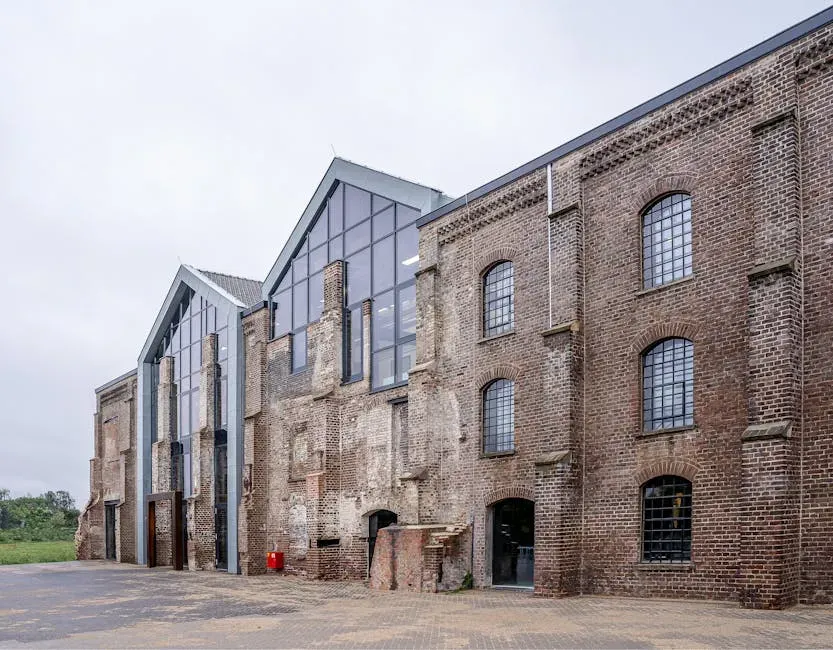
Here’s where it gets exciting for homeowners. The financial data behind these transformations is hard to ignore, and it tells a clear story about where property values are headed when a dead mall gets a second life.
The Urban Land Institute highlights that mixed-use developments in urban cores saw a roughly twelve percent increase in property values from 2023 to 2025, outpacing single-use properties. That’s not a rounding error. That’s real equity.
For homeowners nearby, this type of redevelopment historically increases desirability and property values. Buyers want walkability, activity, and identity, not abandoned parking lots. And when walkability improves dramatically, the financial upside gets even bigger. Studies referenced by the Urban Land Institute suggest that highly walkable areas can see home values rise by up to about one fifth compared to less walkable neighborhoods.
Developers Are Betting Billions on This Trend

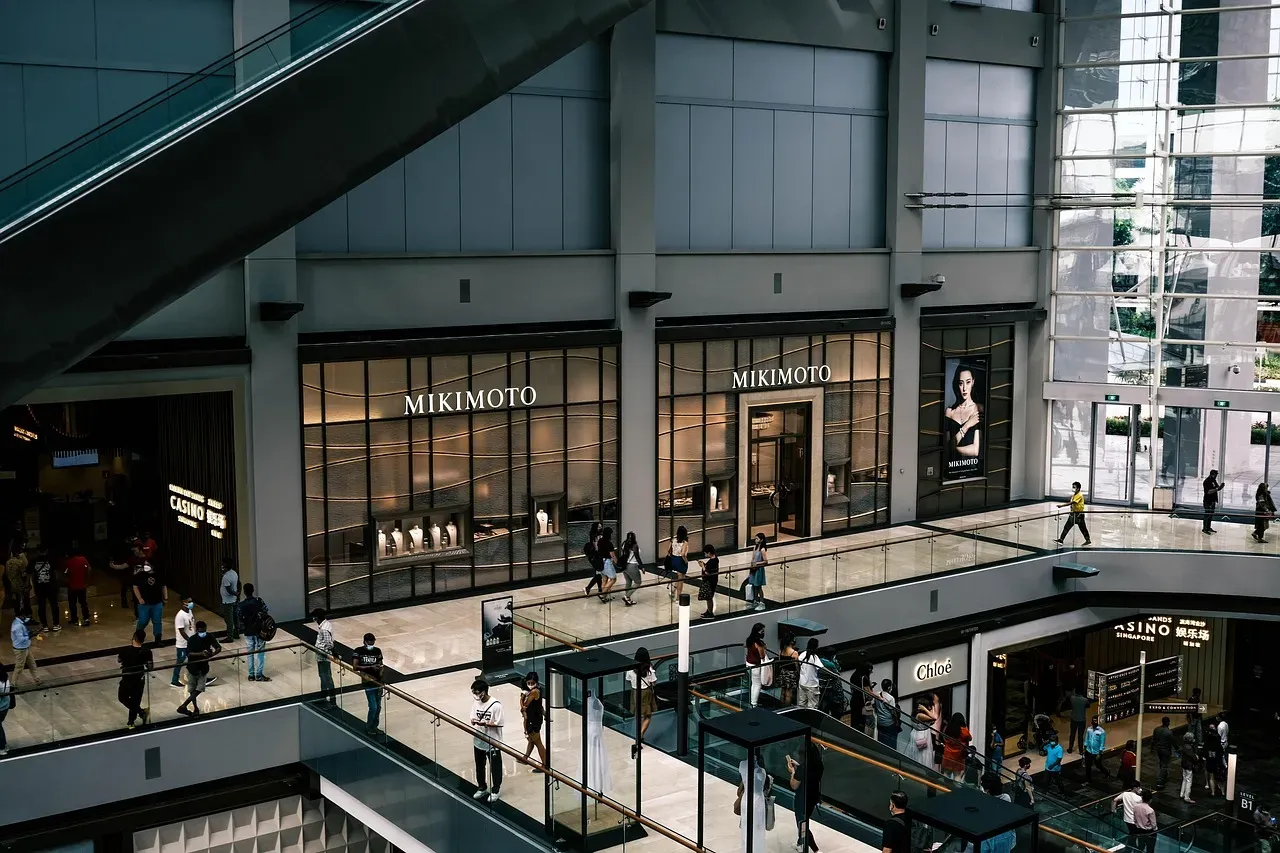
As new retail construction slows, the trend of repurposing underperforming malls is accelerating, offering opportunities to transform these properties into vibrant mixed-use developments that blend retail, lifestyle, entertainment, and essential services. This isn’t a fringe movement anymore. It’s mainstream capital.
Class B malls, despite their challenges, offer a compelling opportunity for adaptive reuse. Often priced below their original value, these properties are ideal for redevelopment into community-centric hubs featuring a mix of residential, retail, and public spaces. Reimagining these spaces not only allows investors and developers to achieve significant returns, but also fosters positive economic growth in local communities.
The transformation of Burlington Center mall into The Crossings in Burlington Township, New Jersey, could serve as a model for mixed-use redevelopment at other failed mall sites. The ongoing six-year, more than $600 million redevelopment is one of the few instances where a former regional shopping mall has been reimagined as a mixed-use development integrating industrial, warehouse, retail, multifamily, and hospitality uses. $600 million. That’s not a gamble. That’s a conviction.
Real Examples Where It Already Worked

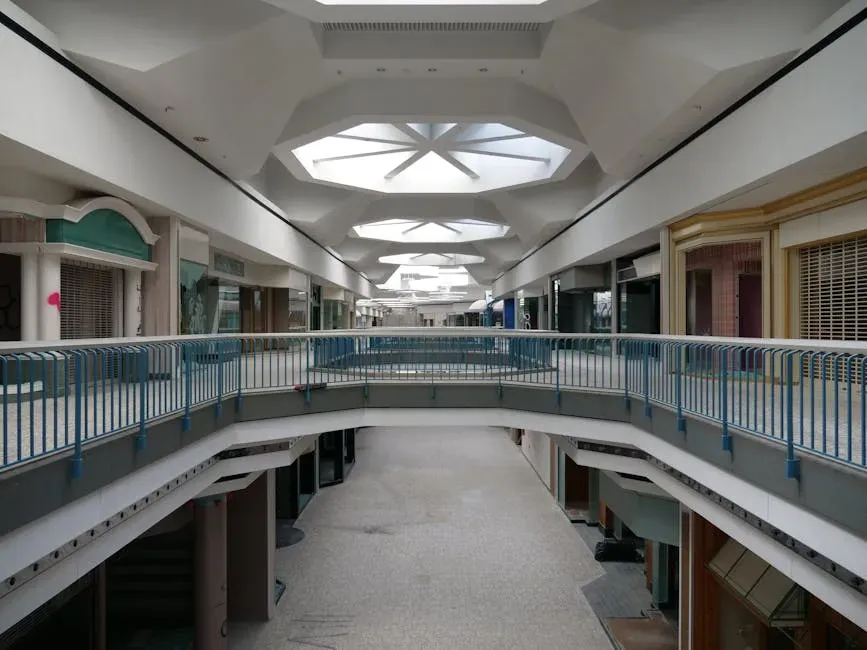
I know it sounds crazy, but some of the most compelling real estate success stories of the past few years have unfolded right in the shells of former dead malls. The proof is in the numbers, and the addresses.
One project in Plano, Texas proceeded with a plan to convert a mall into a mixed-use community, retaining core retail but making room for 2,300 units of multifamily housing, 500 single-family residences, and 1.5 million square feet of office space. The first 400 apartments were scheduled for completion in late 2024, and eventually the new live-work-play neighborhood will be home to 6,000 residents.
In Milwaukee, Wisconsin, developers converted Grand Avenue Mall into two apartment complexes complete with high-end amenities including a gym and pickleball courts. Meanwhile, in Orange County, California, The Westminster Mall is transforming into a mixed-use complex with 3,000 residential units, 425 hotel rooms, and green space, while the Laguna Hills Mall is being redeveloped into 1,500 housing units, plus office, hotel, and retail space. These are not small side projects.
The Housing Shortage Connection Nobody Talks About Enough

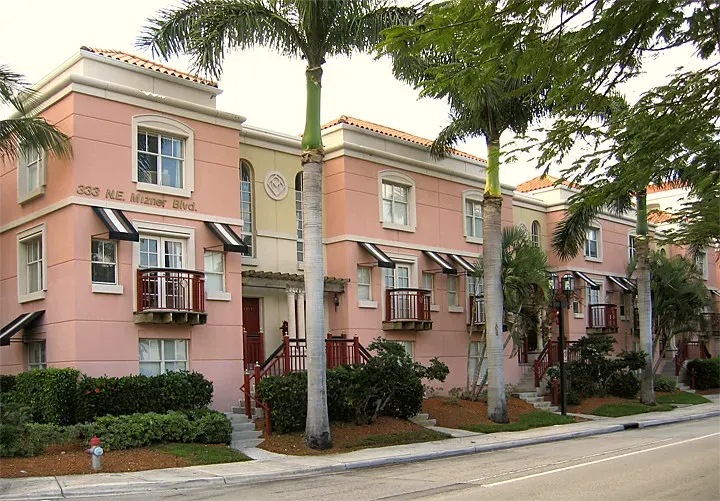
Let’s be real: the dead mall story and the housing crisis story are actually the same story, just told from different angles. One problem is feeding the solution to the other, and it’s creating significant pressure on home values near redevelopment sites.
The U.S. housing market is short 1.5 million units. That drives up home prices, and even a small yearly increase of roughly four percent, as seen in 2023 to 2024, affects the standard of living for most American families. Into that gap walks the repurposed mall.
American malls are evolving beyond just retail and entertainment by adding housing to the mix. Nearly more than half of all new mall redevelopment projects include housing in a mixed-use format, according to a JLL study, a creative reuse strategy that addresses two issues at once: empty retail spaces and the lack of housing options. When supply tightens around a neighborhood and demand rises, home values follow. It’s as simple as that.
Infrastructure Upgrades: The Hidden Value Multiplier
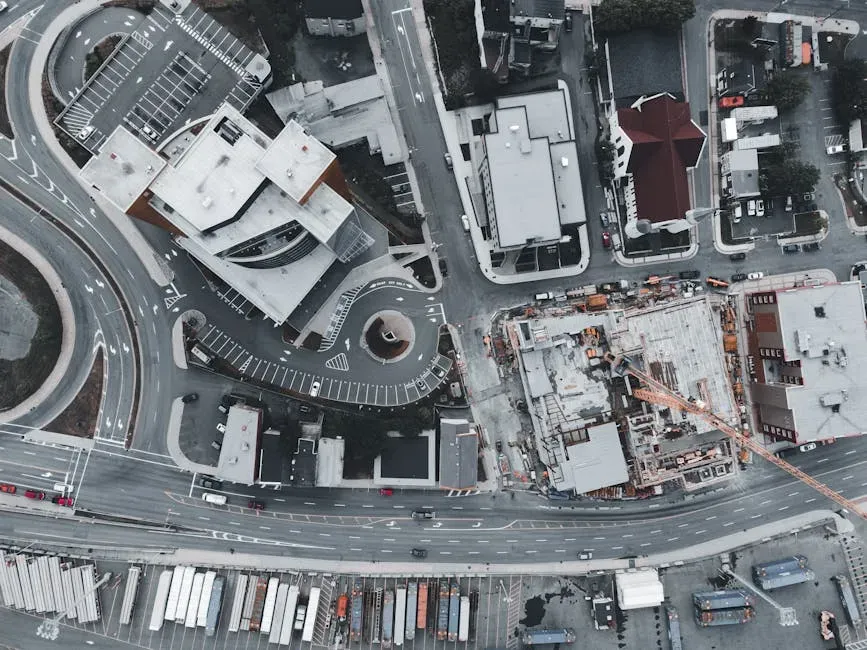
There’s something else happening around these redevelopment sites that most people overlook entirely. It’s not just the shiny new apartments or the artisan coffee shops. It’s the roads, the transit access, the parks, and the connectivity improvements that arrive alongside the construction cranes.
Towns that seize on dead mall sites have envisioned them as mixed-use, transit-oriented downtowns on future light rail corridors, with plans calling for the creation of urban blocks and streets at a scale that is walkable, with new public spaces. That kind of infrastructure investment permanently changes a neighborhood’s profile.
Some projects are designed to fulfill substantial portions of a city’s state-mandated housing obligations, while also providing several times the number of below-market-rate rental units, alongside acres of new community open space that include event plazas, recreational parks and playgrounds, dog parks, and bicycle and pedestrian trails. Research from Harvard Joint Center for Housing Studies consistently links improved neighborhood amenities to rising property prices. You don’t need a PhD to understand why a dog park and a bike trail make a neighborhood more desirable.
What Homeowners Near a ‘Dead’ Mall Should Do Right Now

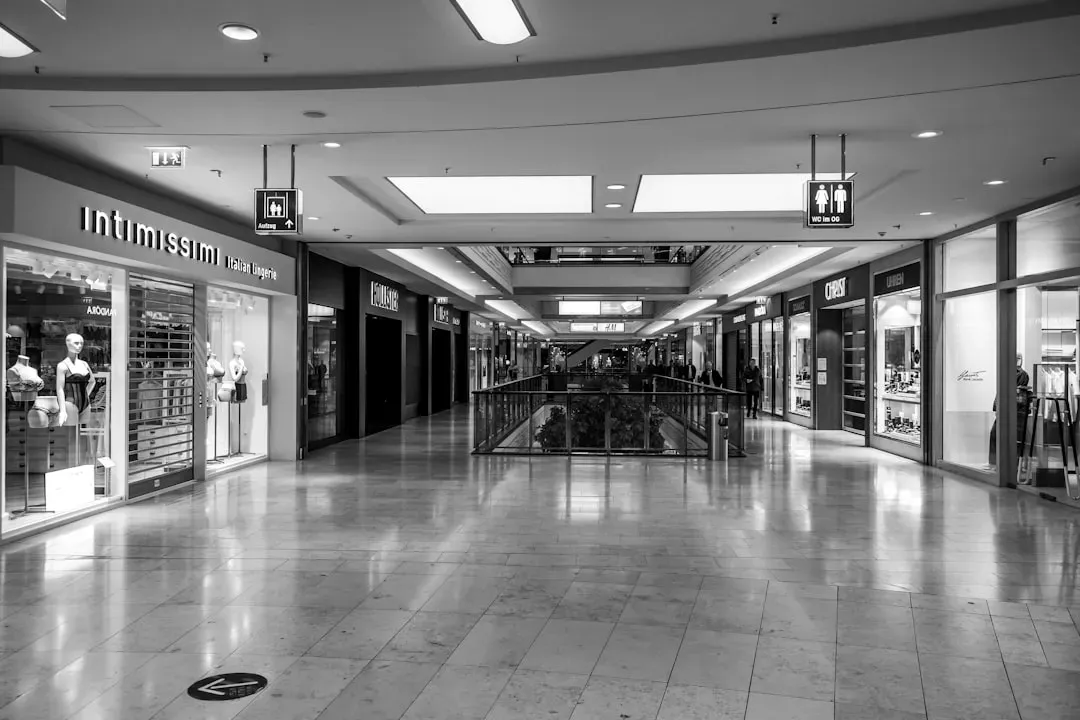
Here’s where this becomes personal. If you live within a mile or two of a struggling or closed shopping center, you may be sitting on a more valuable asset than you realize. The window to act before prices adjust is not forever open.
Communities with walkable hubs and lifestyle infrastructure tend to see faster long-term appreciation compared to strictly residential suburbs. For buyers, it may make sense to move before redevelopment is finished, not after values adjust. Timing matters more than most people admit.
Transforming former malls into multifamily housing makes a lot of sense, especially in suburban areas that already have strong demand, good schools, and established infrastructure, since these sites are often well-connected in local communities, for example on or near major roads and highways. If your neighborhood already ticks those boxes, and a redevelopment project is in the pipeline nearby, the stars are quietly aligning in your favor.
Conclusion: The Ugliest Thing in Town Might Be Your Best Neighbor

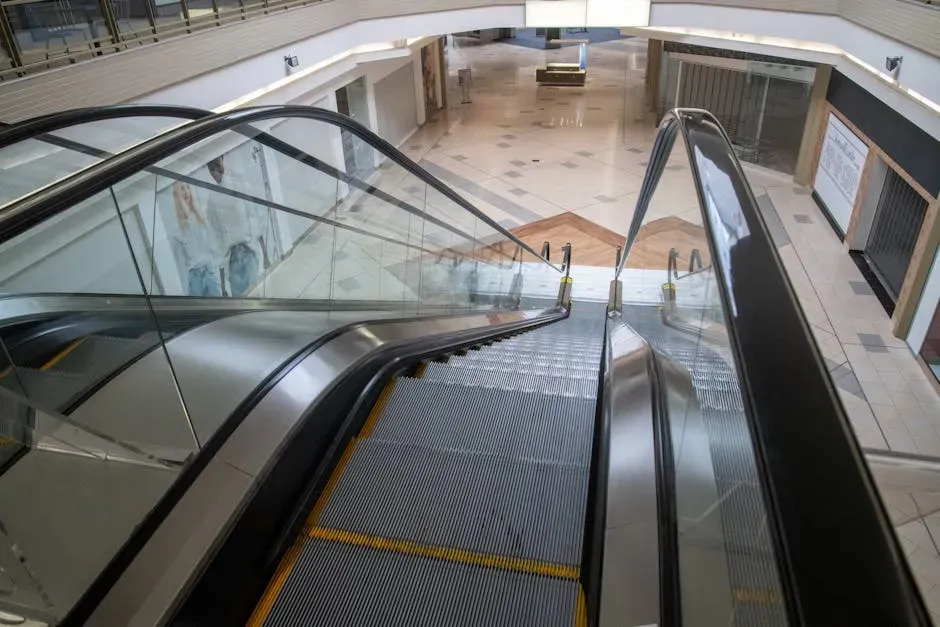
Dead malls are not just real estate problems waiting for a bulldozer. Increasingly, they are blank canvases for something much more exciting: walkable, livable, community-driven neighborhoods that happen to be built on land that already has infrastructure, access, and a history of foot traffic.
The data from JLL, the Urban Land Institute, and real-world examples from Plano to Milwaukee to Orange County all point in the same direction. When a struggling mall gets reimagined, the surrounding homes get a quiet upgrade too. The property value lift is not guaranteed overnight, but the trajectory is consistent.
So the next time you pass that half-empty parking lot and sigh, maybe take a second look. That “dead” shopping center might just be the most interesting investment opportunity on your street. What would you have guessed was sitting in that empty lot? Tell us in the comments.