Rome is extraordinary in the way only a few cities manage to be. Ancient ruins, cobblestone alleys, the smell of espresso drifting out of corner bars. It’s the kind of place that puts you completely off guard, which is exactly the problem.
Petty theft in Rome is not a rare misfortune. It’s a persistent, organized, and often invisible part of life in the city’s tourist zones. Before you pack your bags, there’s one small, practical item worth adding to your travel kit: a dummy wallet. Here’s why it matters more than most people realize.
Italy Tops Europe for Pickpocketing – and It Isn’t Close


The numbers on this are sobering. Italy registers 478 pickpocketing mentions for every million visitors to its top tourist attractions, the highest proportion of any European country. France comes in second at roughly half that rate, and Spain follows further behind. Italy doesn’t just lead the list; it runs away with it.
In 2024, Rome recorded over 2,000 reported robberies, a rise of more than fifty percent compared to 2019, while pickpocketing incidents surged to 33,455 cases, marking a significant jump of over sixty percent. These aren’t abstract statistics. They represent real trips turned upside down, real afternoons lost to police reports and canceled cards.
ISTAT, Italy’s national statistics institute, reported that nearly fourteen out of every thousand people in Lazio – the region that includes Rome – fell victim to pickpockets in 2023. That’s almost triple the national average. The scale of the problem in Rome specifically is hard to overstate.
The U.S. State Department Has Officially Put Travelers on Notice

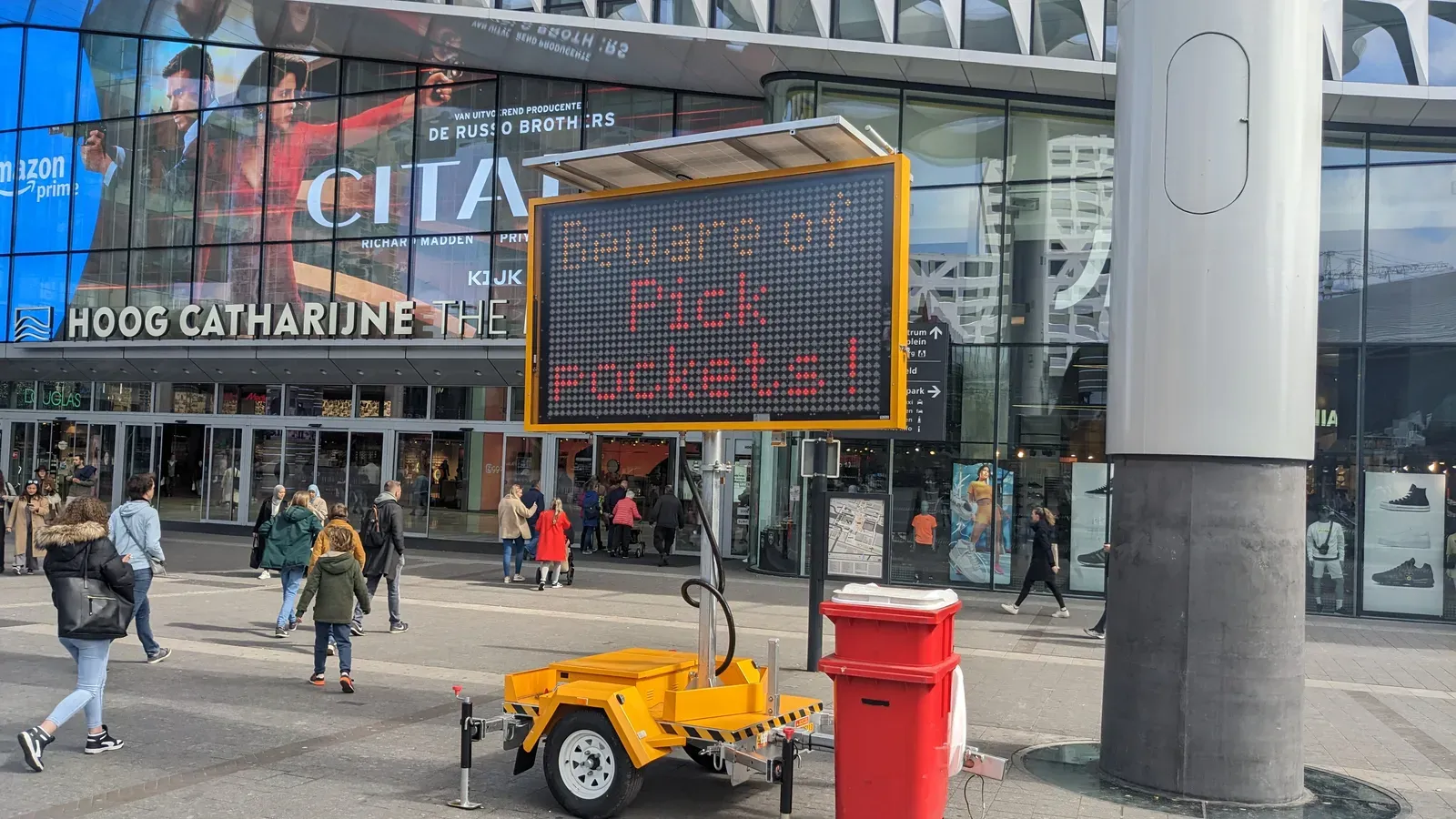
Italy remains under a Level 2 U.S. State Department advisory, meaning travelers are urged to “exercise increased caution.” This is the same advisory level assigned to France, Spain, and the United Kingdom. The advisory is not a reason to cancel a trip, but it is a reason to go prepared.
Pickpocketing, bag-snatching, and theft from cars remain frequent in city centers, major tourist sites, and transport hubs. Petty crime, especially pickpocketing, is the most common issue in tourist-heavy areas. Violent crime in Italy is comparatively rare, but that’s cold comfort when your real wallet, passport, and bank cards vanish on a crowded metro car.
The Trevi Fountain, the Colosseum, and the Pantheon Are the Worst Spots


Rome was found to be the worst city in Italy for pickpockets, with the ancient Colosseum and the Pantheon identified as particular hotspots. These are places where you’re naturally focused on something magnificent in front of you, not on the strangers pressing against you from behind.
The Trevi Fountain recorded the continent’s highest pickpocketing density in 2024, with over twenty-five incidents per one hundred thousand visitors, according to Quotezone’s index. Think about that for a moment. You lean in to toss a coin and make a wish, and somewhere in the crowd behind you, someone else is working.
Rome’s Trevi Fountain, Colosseum, and Pantheon keep surfacing in reports because they create the perfect setup for thieves: people stop, stare, photograph, and briefly forget where their wallet or phone is. Distraction is the whole game, and these sites are designed to distract.
Rome’s Metro and Buses Are Prime Operating Ground for Organized Groups


Travel expert Scott Rozier estimates there could be several thousand pickpocket incidents in Rome on a busy day, with public transportation being where many of them operate, particularly as commuters enter and exit. The jostling creates the perfect distraction for thieves to lift a wallet.
Metro station Termini alone sees over five hundred thousand daily transits, a figure that has grown significantly from 2023 according to Italian data. Data from Carabinieri logs shows that roughly forty percent of metro thefts in 2024 occurred at entry points. The moment of boarding or exiting a train is exactly when these groups strike.
Teams often enact a “stumbling person” act at metro doors, during which time their partners capitalize on the resulting confusion. It happens fast, it’s rehearsed, and most tourists don’t even realize they’ve been targeted until they’re already on the next platform.
Distraction Tactics Are Sophisticated and Deliberately Staged


Distraction tactics are varied and include fake altercations to create chaos, spilling a drink or ice cream on you, sudden bumping or tripping, and holding a sign or piece of paper while asking for assistance. These aren’t random accidents. They’re calculated moves designed to shift your attention for three seconds – which is all it takes.
Strangers who approach tourists with offers of games or friendly conversation are often tactics used by pickpockets to divert attention while they steal from unsuspecting visitors. The friendlier and more insistent the approach, the more cautious you should be.
In 2024, one traveler reported that on the second day of their trip, three men in Rome worked together to corner an elderly companion on the metro. They started yelling and pushing, and in the chaos, one of them grabbed his phone straight out of his cargo pocket. All three ran off the metro just before the doors closed. The whole incident lasted less than a minute.
What a Dummy Wallet Actually Does for You

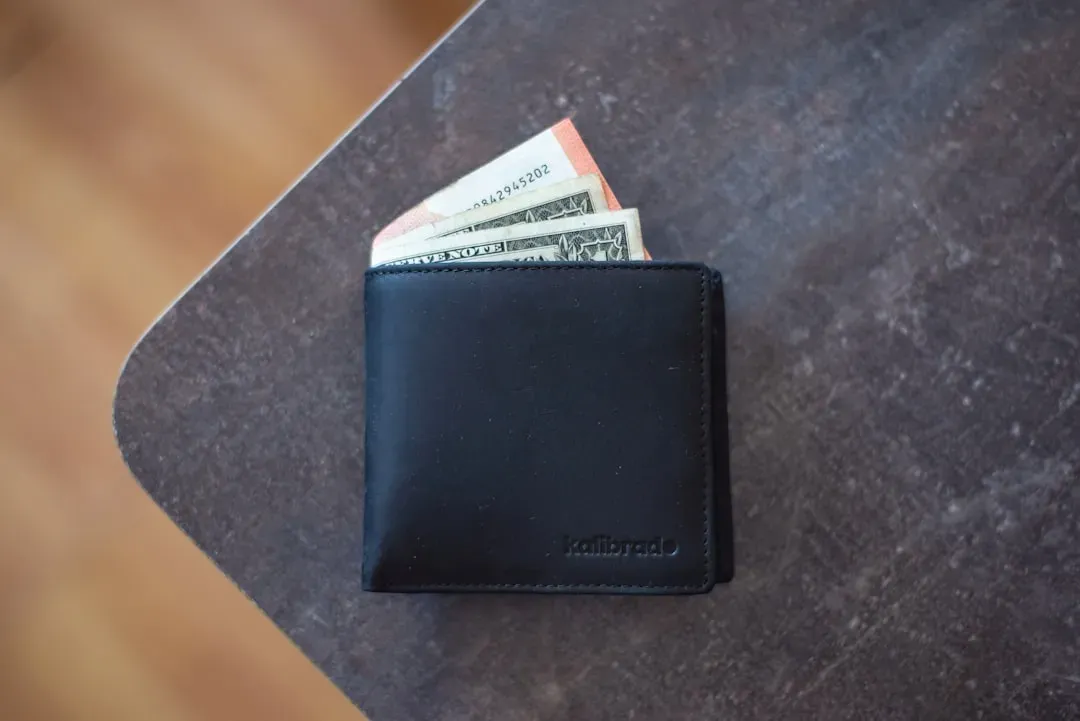
The purpose of a decoy wallet is to fool a mugger or pickpocket into stealing the fake rather than your real wallet. The theory is this: if you’re ever threatened and told to hand over your wallet, you give up the decoy while your real stash is hidden elsewhere on your person.
One approach involves keeping a decoy wallet in an obvious place like your back pocket or at the top of your purse. The idea is that if someone sees an obvious wallet, they’ll try to take that instead of the real money and cards you have hidden somewhere else. It’s a misdirection play, simple and low-cost.
By separating valuable items between a primary and a decoy wallet, travelers mitigate the potential loss in case of theft. This approach empowers individuals to retain critical identification and financial assets while reducing the risk of total loss during an attempted theft. Even if the decoy is taken, you walk away with your passport, cards, and majority of cash completely intact.
How to Build an Effective Dummy Wallet


Including a small amount of local currency, expired membership cards, and inconsequential items like old receipts lends authenticity to the decoy wallet, making it a convincing diversion. The key word is convincing. A flat, empty-looking wallet doesn’t fool anyone, but a slightly bulging one with visible card edges looks very real at a glance.
Never put anything inside the decoy wallet that has your name on it or can be tied back to you, your home, or your family. You don’t want a thief to get frustrated and come looking for you. Keep it impersonal. Expired transit cards, old store loyalty cards, and a small amount of low-denomination bills are ideal contents.
A decoy wallet is especially useful when traveling because it forces you to keep only minimal or a day’s worth of cash in the decoy and keep everything else safely in a money belt or hidden pouch. That discipline alone – carrying less in one visible place – significantly reduces what you stand to lose.
The Dummy Wallet Works Best as Part of a Wider Strategy

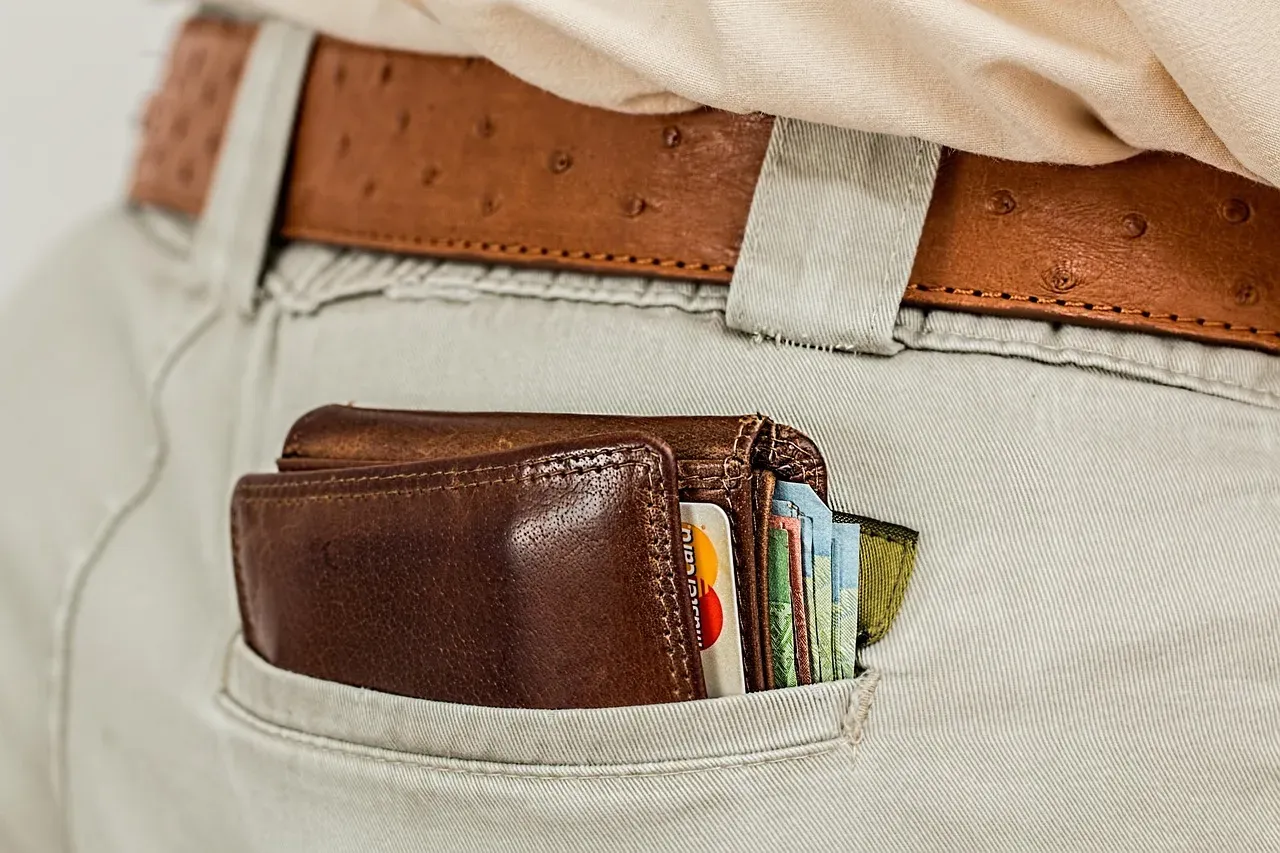
While a decoy wallet can be an effective deterrent against theft, it’s essential to couple its use with other precautionary measures. Maintaining situational awareness, securing belongings in inner pockets or hidden pouches, and avoiding crowded high-risk areas whenever possible further fortify personal security.
When using public transportation, standing against walls or corners, keeping bags or backpacks in front of you, and being particularly vigilant when taking photos or checking maps all reduce your exposure to theft. The dummy wallet handles the worst-case scenario. Good habits reduce the chances of ever needing it.
Limit what you carry to essentials. Leave valuables like passports and extra bank cards securely in your hotel safe. Rome doesn’t require you to walk around with everything you own. Travel light, distribute what you do carry, and let the dummy wallet sit prominently in the most obvious pocket you have.
Rome rewards the prepared traveler. The art, the food, the history – none of it disappears because you spent ten minutes organizing your wallet before heading out. A small act of preparation means that even if someone does reach into your pocket at the Trevi Fountain, the worst outcome is a lost decoy and a story worth telling. Your cards, your passport, your real cash – those stay exactly where you put them.