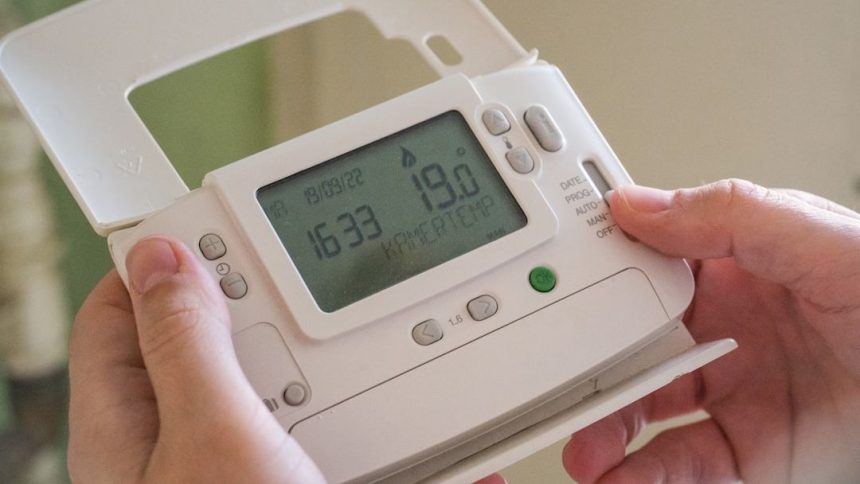
Most people expect their summer electricity bill to be the painful one. The air conditioner runs hard, the sun beats down, and the meter spins. So it can come as a genuine surprise when the first January bill arrives and lands even higher. The truth is, for many American households, winter heating costs routinely outpace summer cooling costs, sometimes by a wide margin.
It’s not just a regional curiosity. It’s a pattern rooted in how buildings lose heat, how energy markets behave, and how the fuels we use to stay warm have become more expensive. Understanding why your heating bill climbs so high is the first step toward doing something about it.
Space Heating Is the Single Largest Energy Expense in U.S. Homes

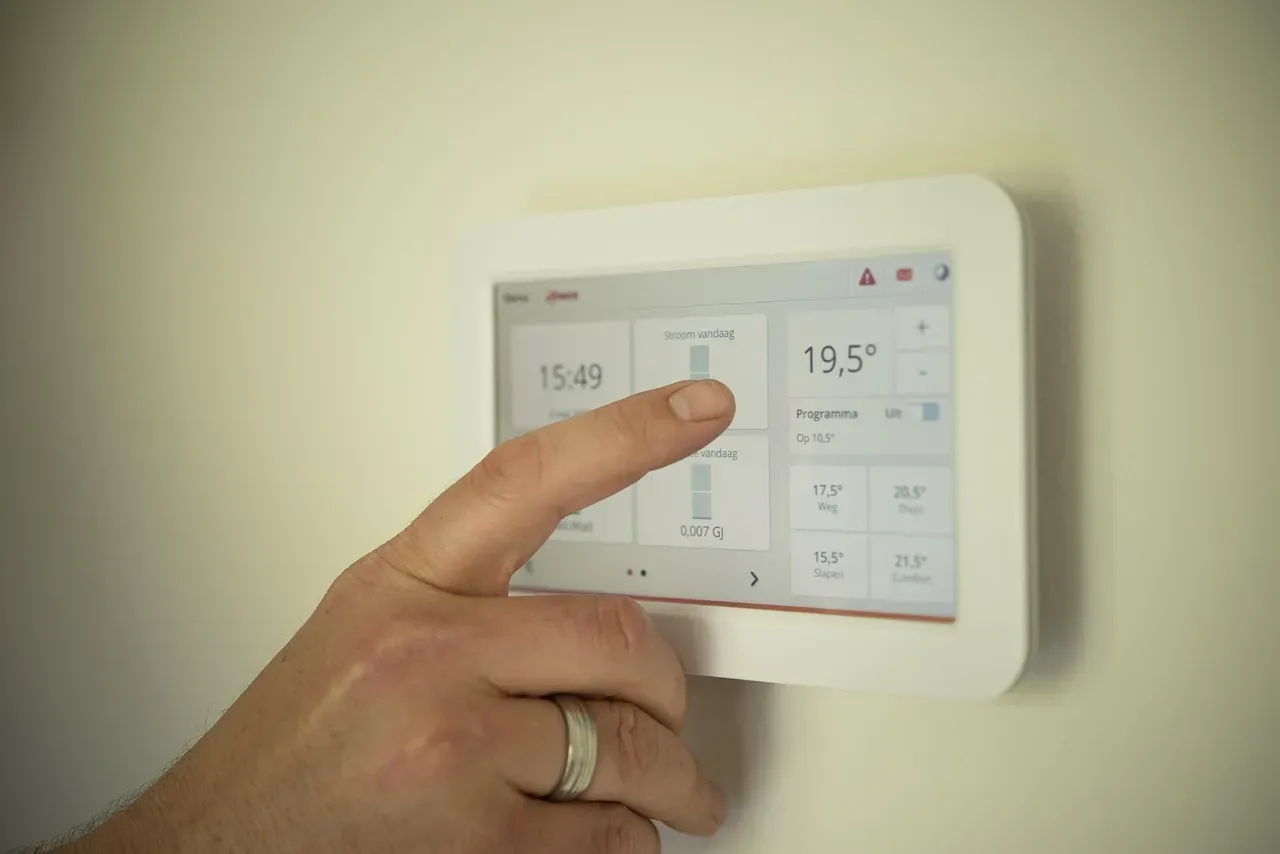
Before looking at why winter bills surprise people, it helps to understand just how dominant heating is within a home’s overall energy profile. Space heating in the U.S. accounts for roughly 42% of home energy use. That’s nearly half of everything a household spends on energy across the entire year, tied to just one function.
Heating and cooling together account for between 50% and 70% of the energy used in the average American home. When you separate those two halves, heating carries the heavier load, particularly in colder climates and during severe winters. That asymmetry explains a lot about why January bills can catch people off guard.
The Numbers Behind Winter Heating Costs Are Climbing

Home heating costs will rise 7.6% this winter, with the average seasonal bill increasing from $907 to $976, according to the National Energy Assistance Directors Association (NEADA). That figure represents a national average across all fuel types, but the increases are sharper for households depending on electricity.
The steepest projected spike is for electricity at 10.2%, pushing the average winter heating cost from $1,093 in 2024 to 2025 to $1,205 for 2025 to 2026. Average costs for electric heating could rise to $1,223 this winter, while households that use natural gas could pay average heating costs closer to $704 for the winter. The gap between fuel types is real and significant.
Why Heating Demands More Energy Than Cooling

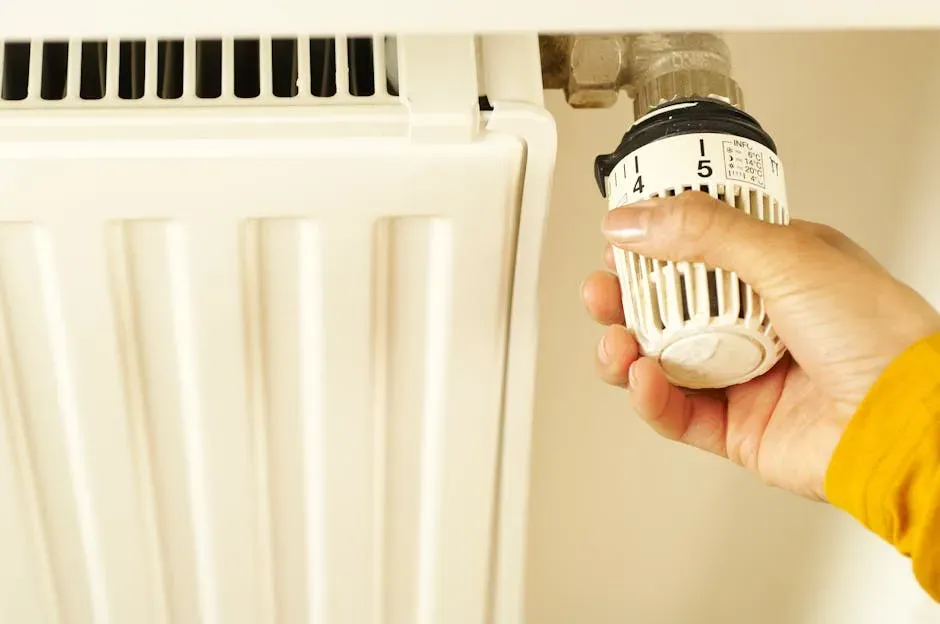
There’s a physical reason why warming a home takes more energy than cooling it. Maintaining a comfortable indoor temperature in deep winter requires continuous, sustained energy output over a much longer period than cooling in summer. Heat escapes constantly through walls, windows, ceilings, and floors, and the heating system must work without pause to replace it.
Weather can affect household heating expenses in two distinct ways. First, cold weather raises the amount of energy required to keep a house at a specific temperature. Second, because cold weather raises aggregate demand and can disrupt supply, it can cause energy prices to rise. Cooling rarely creates the same double-pressure dynamic, since summer demand spikes tend to be shorter-lived and less disruptive to fuel supply chains.
Natural Gas vs. Electricity: A Tale of Two Fuel Bills

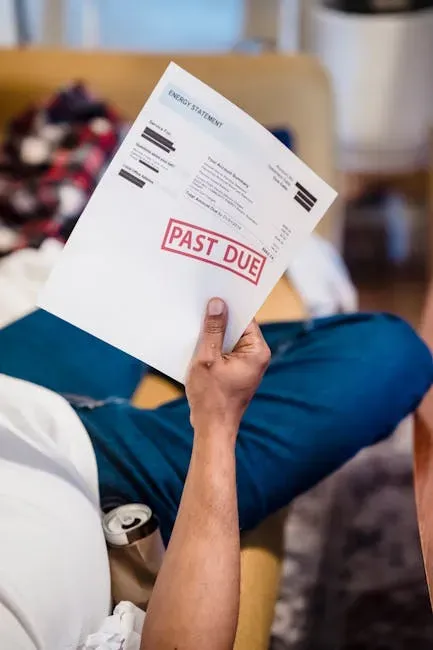
The type of fuel a household uses matters enormously. Natural gas, electricity, propane, and heating oil are the primary heating sources in winter, with natural gas serving about 46% of demand and electricity accounting for roughly 43%. Those two fuels dominate the market, and their pricing trajectories have diverged in recent years.
Electricity and natural gas prices were up 5.1% and 11.7%, respectively, compared with 12 months prior. An average monthly electric bill has increased by 29.2% since 2021, while natural gas prices have risen by nearly 50% over the past year. For households locked into electric resistance heating, there has been little shelter from these price increases.
Leaky Homes Are Quietly Burning Money

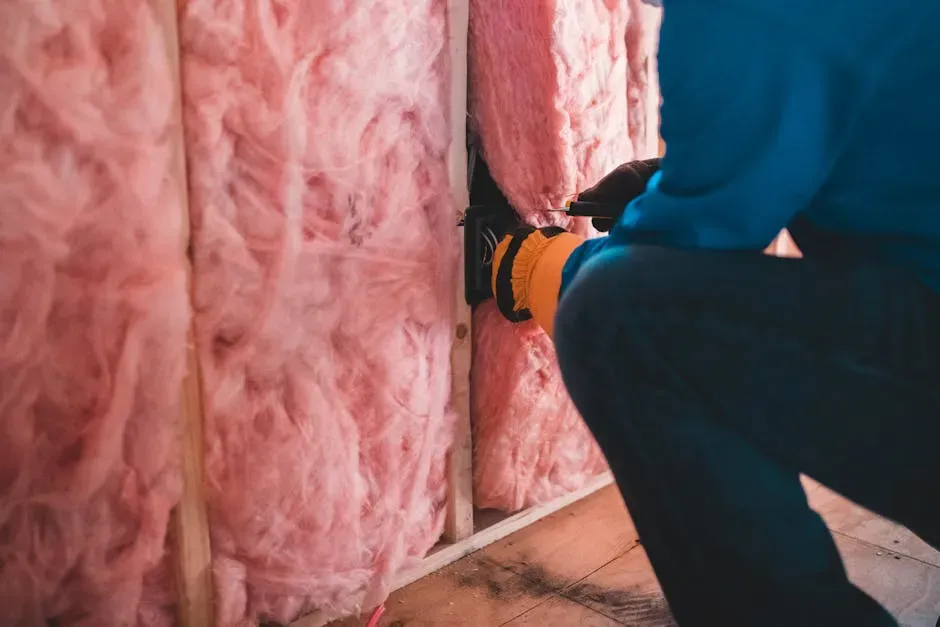
Even a well-functioning heating system can be undermined by the building it’s trying to warm. Inadequate insulation and air leakage are leading causes of energy waste in most homes. These aren’t dramatic failures. They’re the slow, invisible drain of heat slipping out through gaps around windows, doors, and attic spaces that many homeowners don’t realize are there.
Partner offer

The EPA estimates that homeowners can save an average of 15% on heating and cooling costs by air sealing their homes and adding insulation in attics, floors over crawl spaces, and basements. Proper insulating and air sealing measures can save homeowners up to 20% of their heating and cooling costs or up to 10% of their total energy costs. That’s a meaningful reduction available to most homes without replacing any major equipment.
Colder Weather in 2024 and 2025 Has Made Bills Worse

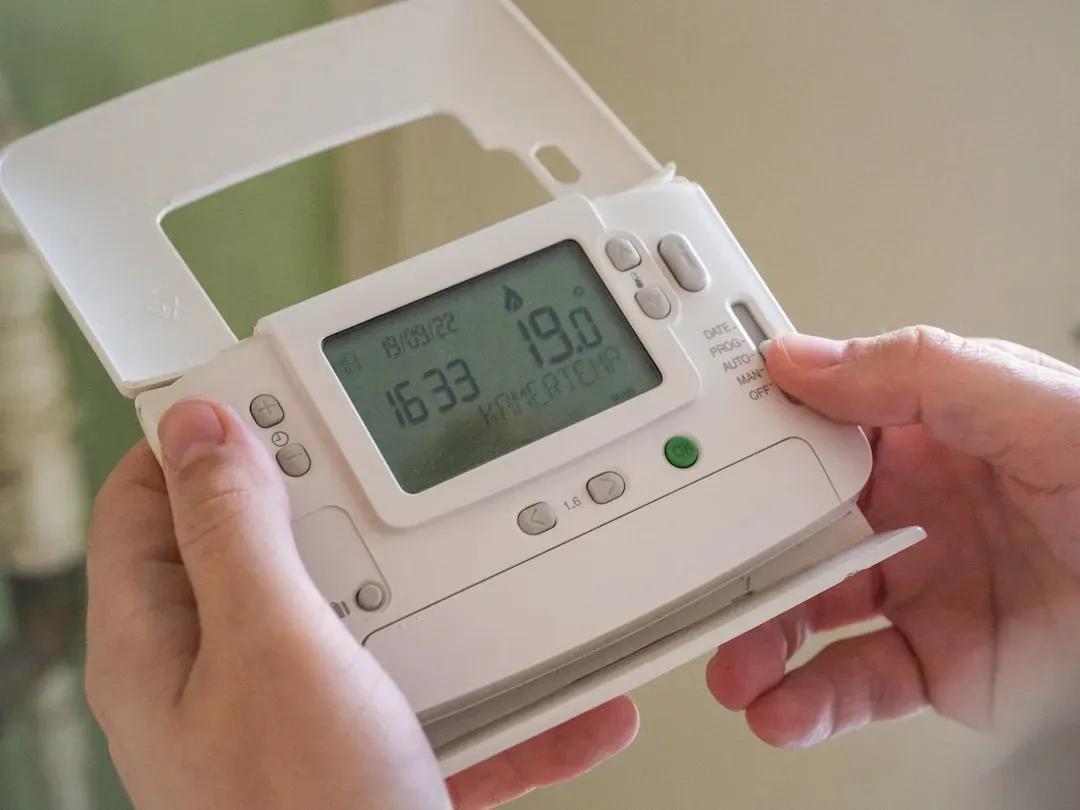
Weather variability plays a direct, measurable role in heating bills. Estimates for residential energy expenditures for the winter of November 2025 through March 2026 increased since the publication of initial Winter Fuels Outlook forecasts, partly because NOAA expected December to be about 8% colder than the average of the previous 10 Decembers.
Estimates for residential energy expenditures increased since the publication of initial Winter Fuels Outlook forecasts. A colder winter was expected, and retail energy price forecasts rose, especially for natural gas and propane. When initial forecasts were formed, the spot price of natural gas at Henry Hub was near $3.00 per million British thermal units. By late November, that price had increased to more than $4.00. Cold snaps don’t just increase consumption. They move markets.
Heat Pumps Are Efficient, With Real Limits in Extreme Cold

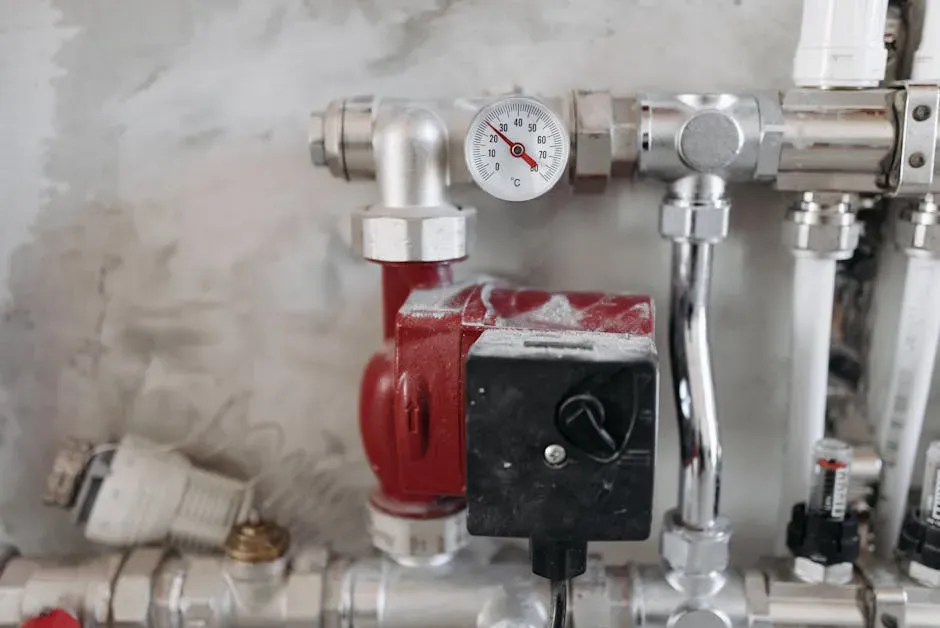
Heat pumps have become one of the most discussed solutions to rising heating bills, and for good reason. A 2024 heat pump study by the National Renewable Energy Laboratory found that homeowners saw median annual savings of $300 to $650 by switching to a heat pump from an electric, fuel oil, or propane heating source. Those savings are genuine for most climates and most of the heating season.
The complication arises at the extremes. The performance of conventional heat pumps declines in colder climates, because lower outdoor temperatures lead to higher refrigerant discharge temperatures, which reduces compressor efficiency until the system eventually shuts down. Newer cold-climate models address this, but at the coldest temperature ranges, around negative ten to zero degrees Fahrenheit, auxiliary heat is utilized for about 25% of the time. That backup heat consumption adds up fast during an extended cold stretch.
Regional Differences and the Affordability Strain

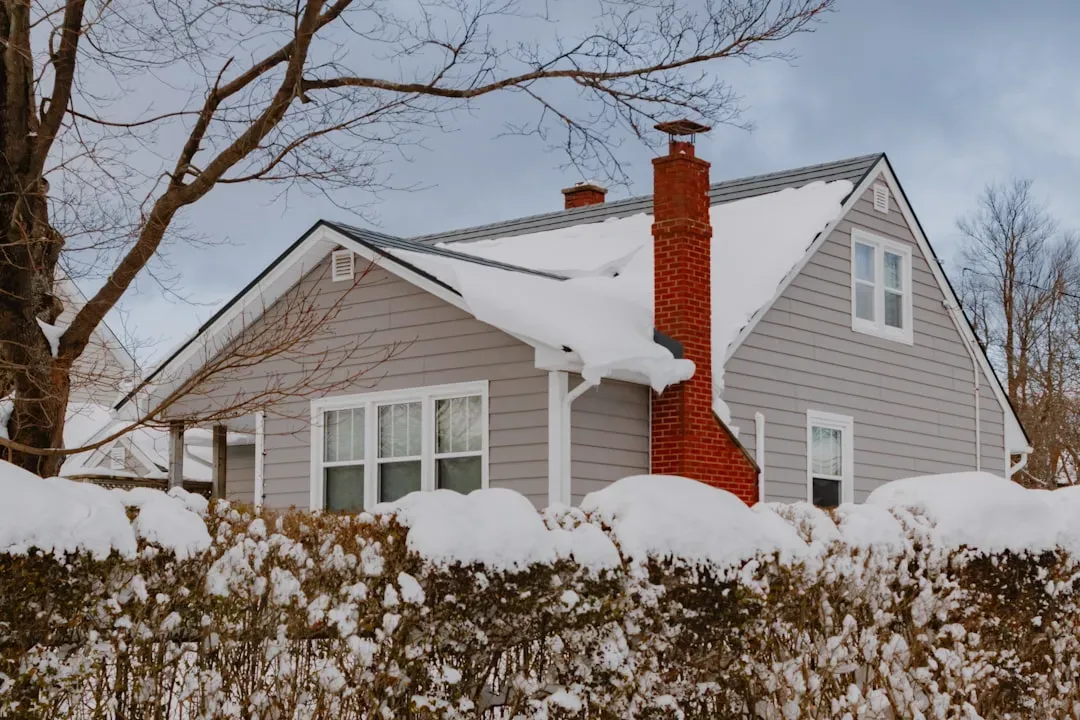
Where you live shapes your heating bill as much as what you burn. Midwestern and Northeastern states remain the most expensive places to heat a home because of colder winters, older housing, and higher baseline natural gas and electricity costs. Older buildings lose heat faster, and many were built before modern insulation standards existed.
About 21 million households are behind on energy bills, with total arrearages growing 31% from $17.5 billion to $23 billion, and NEADA expects four million disconnections in 2025. That’s not a small statistical footnote. It’s a signal that for a sizable share of American households, the cost of staying warm has moved from uncomfortable to genuinely unsustainable. Congress has allocated $4 billion in funding for the Low Income Home Energy Assistance Program, down from $6.1 billion in 2023, a reduction that has arrived at precisely the wrong time.
Conclusion
The question of why your heating bill outpaces your cooling bill turns out to have several overlapping answers. Physics, aging homes, fuel market volatility, and colder weather patterns all play a role. None of those factors is fully within a household’s control.
What is within reach is addressing the parts that are controllable: sealing air leaks, adding insulation where it’s lacking, understanding which fuel type powers your system, and knowing what assistance programs exist. The structural forces driving energy prices higher are unlikely to reverse quickly.
Winter costs more to manage than summer in large part because warmth, unlike cooling, is not optional. That’s worth keeping in mind the next time you reach for the thermostat.
Partner offer
Planning a trip to Vegas?
Compare hotel rates and show tickets on VEGAS.com.