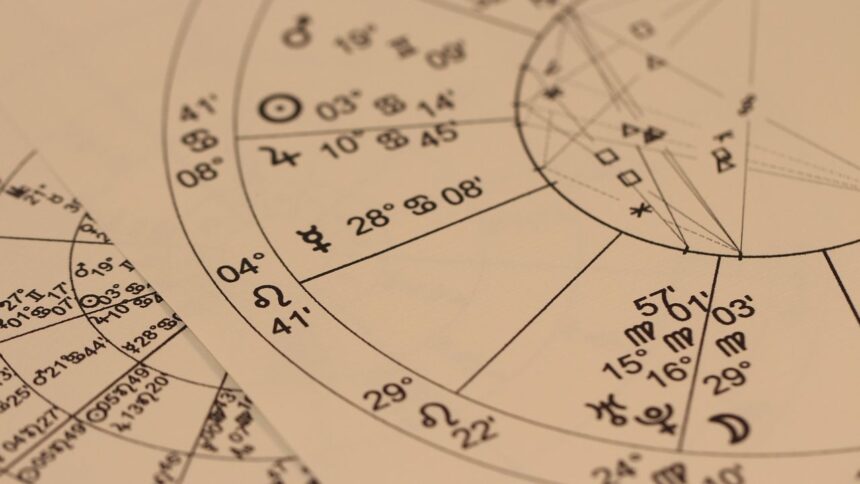
When Astrology Meets Professional Ambitions

Here’s the thing: dismissing astrology completely might mean overlooking a phenomenon that’s quietly influencing hiring rooms and career decisions across the globe. According to a 2024 study from EduBirdie, nearly 60% of young Americans read their horoscopes weekly, with 72% using astrology to guide significant life choices. On top of that, 63% say astrology has positively influenced their careers. Those numbers aren’t small. Whether you’re a skeptic or a believer, something interesting is happening when thousands of people turn to the stars for workplace guidance.
Let’s be real. We’re not talking about planetary gravity pulling you toward a specific desk job. Professional astrologers who were asked to match someone’s birth chart with information about their actual personality rather than that of a completely different person were no more accurate than chance. Yet the connection between birth timing and career outcomes keeps popping up in research, just not for the reasons astrology textbooks claim.
The Science Hiding Behind Birth Months

Forget Mercury in retrograde for a second. Actual scientific studies have found modest links between when you’re born and certain personality tendencies. Male participants born in autumn scored high on the Disorderliness subscale, and male participants born in summer and winter scored high on the Extravagance subscale. The difference observed indicates a relationship between season of birth and temperament. Researchers point to environmental factors like light exposure, maternal nutrition, and even school enrollment cutoffs as possible explanations.
In many U.S. states, the decision of who ends up the “older” or “younger” kid in a classroom depends on a birthday that falls just before or after a specific date. That simple bureaucratic line can ripple into self-esteem, academic confidence, and even behavior. A child born in late August might spend years feeling slightly behind classmates who had nearly a full extra year to develop. Over time, those small differences can shape someone’s confidence in leadership roles or willingness to take professional risks.
None of this validates horoscopes, obviously. Yet it does suggest your birth timing might nudge certain traits in ways that eventually show up in your work life.
When Employers Actually Use Star Signs

It sounds wild, yet it’s happening. One employer at a branding consultancy is averse to hiring job seekers from Aries, Cancer, or Pisces astrological signs. This isn’t an isolated case tucked away in some fringe startup. Astrologer Andrew Wee welcomes a number of corporate clients, including insurers and estate agencies. It is important for these sales-driven companies to know they are recruiting someone who can contribute immediately.
Studies found no evidence that astrological signs predict personality or job performance. Unlike race or gender, astrological signs are not a protected class, yet they form the basis for widespread discrimination in social contexts like dating and hiring. In China, the discrimination runs even deeper. Some Chinese job postings state that Virgo candidates are not wanted, and some Chinese people avoid Virgos on dating apps. The irony? These stereotypes emerged purely from language translation quirks, not any real personality patterns.
Medical Specialties and Zodiac Patterns

Now here’s where things get genuinely peculiar. Research published in the Postgraduate Medical Journal reveals fascinating connections between zodiac signs and professional specialties. The study demonstrated that certain zodiac signs might have predispositions toward specific career fields. For example, Leos showed a higher representation among cardiologists, while Pisces were more prevalent in obstetrics and gynecology. Before you start checking your doctor’s birth certificate, remember that correlation doesn’t equal causation.
Scientists haven’t figured out why these patterns exist. Some speculate it’s pure coincidence bouncing around in large datasets. Others wonder if seasonal birth factors create subtle personality leanings that eventually guide people toward certain specialties. Either way, the patterns showed up clearly enough to get published in medical journals, which is honestly pretty surprising.
The Belief Effect on Career Performance
Here’s something that actually matters: what you believe about your zodiac sign might influence how you perform at work, regardless of whether astrology is real. Research suggested that positive expectations about professional tasks could enhance individual performance, highlighting the psychological power of mindset and self-perception. Think of it as a cosmic placebo effect.
A person’s belief in astrology might influence how they describe their own personality, through a self-stereotyping process. If you’ve spent years reading that Capricorns are ambitious workaholics, you might unconsciously adopt those behaviors. You’re essentially living up to the expectations you’ve set for yourself based on astrological descriptions. The stars didn’t make you driven. Your belief in what the stars supposedly mean did.
Priming subjects to think positively about themselves performed better than those primed to think negatively about themselves. This applies whether the priming comes from astrology, personality tests, or motivational posters. Your mindset shapes your reality more than any planetary alignment ever could.
Career Guidance Through an Astrological Lens
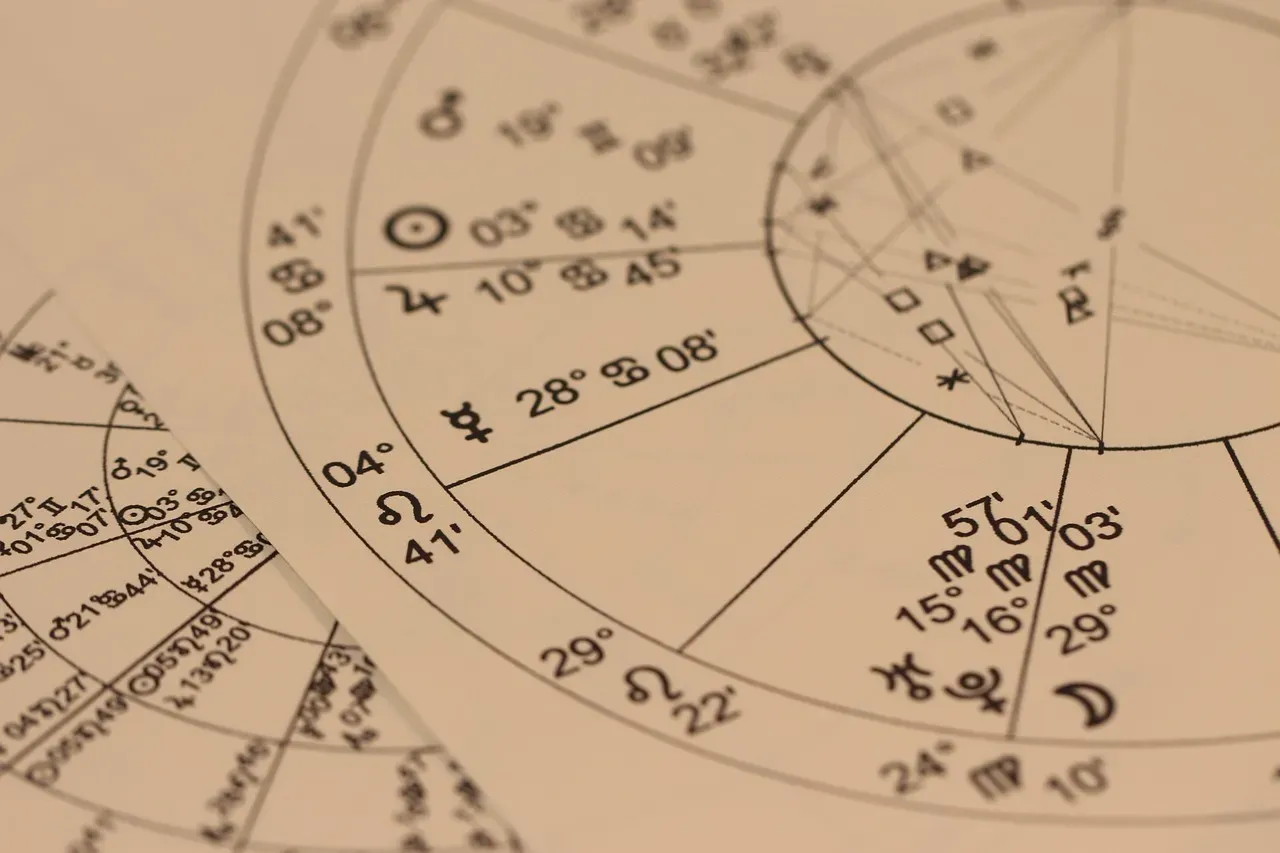
Each zodiac sign possesses inherent traits that can translate into professional strengths. Fire signs like Aries and Leo often exhibit leadership qualities and entrepreneurial spirit. Earth signs such as Taurus and Virgo tend to demonstrate meticulous attention to detail, thriving in structured environments like finance, engineering, and project management. There’s an entire industry built around matching zodiac traits to career paths, and people are paying attention.
Career coaches increasingly blend astrology with traditional counseling. They’re not claiming the cosmos dictates your job title, but using astrological frameworks as conversation starters for self-reflection. It’s similar to how personality assessments like Myers-Briggs get used in corporate settings despite questionable scientific backing. If thinking about your sun sign helps you clarify your professional values, does it matter whether the astrology itself holds up under scrutiny?
Certain zodiac signs are thought to have predispositions toward specific professional fields based on inherent traits. For example, fire signs like Aries may excel in leadership roles, while earth signs such as Taurus might thrive in structured environments like finance or engineering. The key word there is “thought.” These associations come from tradition and observation, not controlled experiments.
What This All Means for Your Work Life
So does your zodiac sign ? The honest answer is complicated. Astrology as traditionally understood lacks scientific support. None of the 12 astrological signs were significantly associated with any of the Big Five personality traits. Planets don’t beam down career-shaping energy. Horoscope predictions won’t tell you whether to take that job offer.
Yet birth timing does correlate with subtle developmental differences through completely non-mystical mechanisms like seasonal light exposure and school cutoff dates. Belief in astrology can create self-fulfilling prophecies that genuinely impact workplace behavior. Some employers actually discriminate based on star signs, as absurd as that sounds. These realities exist whether or not you personally believe in zodiac compatibility.
The takeaway isn’t to start choosing careers based on your birth chart. It’s to recognize that the intersection of astrology and professional life reveals more about human psychology than celestial influence. We’re pattern-seeking creatures desperate for frameworks that help us understand ourselves and make decisions in an uncertain world. Astrology provides that framework for millions of people, and the belief itself carries power.
Your career success ultimately depends on skills, effort, opportunities, and yes, plenty of luck. Whether you consult your horoscope or completely ignore it, those factors remain the real drivers. Just don’t be shocked when your next job interview includes a subtle question about your birthday. Someone might be checking more than just your resume.