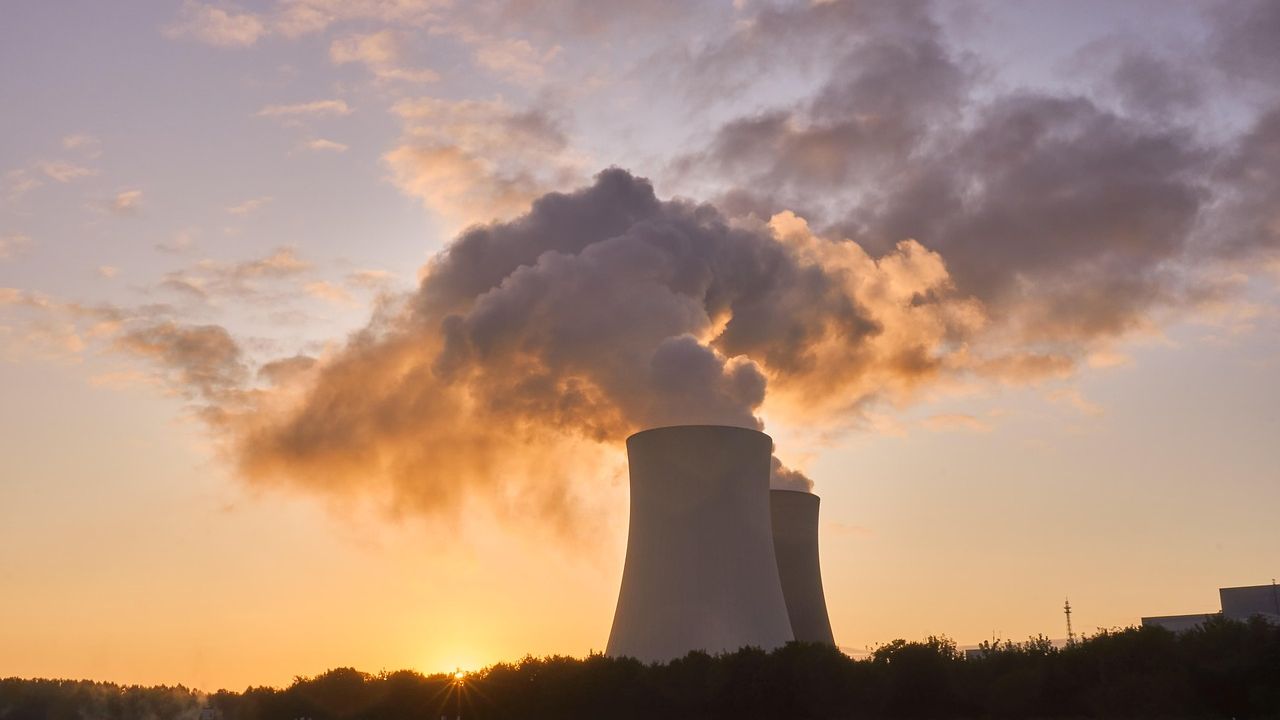
X-energy gets federal environmental approval for Texas nuclear reactors – Image for illustrative purposes only (Image credits: Pixabay)
Texas – A nuclear startup backed by Amazon has cleared a significant federal review that moves its first power plant closer to construction. The Nuclear Regulatory Commission approved the environmental assessment for the project on Monday, giving X-energy a clearer path toward the permits required to build its debut facility. The decision highlights ongoing efforts to reintroduce high-temperature gas-cooled reactor technology to the United States after decades of limited activity in that design.
A Quiet Step Forward in Advanced Nuclear
The approval covers the environmental aspects of the proposed site and reactor design, a standard but essential requirement before full construction permits can be issued. Regulators examined potential impacts on air, water, and local ecosystems, ultimately determining that the project meets federal standards. This outcome allows X-energy to continue preparing detailed safety and technical submissions for the next phase of review.
Company officials have described the review as a foundational milestone. The process itself took several months and involved public comment periods along with technical evaluations by agency staff. With this hurdle cleared, attention now shifts to completing the remaining licensing steps that would authorize actual groundbreaking.
Reviving High-Temperature Gas-Cooled Designs
X-energy has positioned its reactor as a modern take on high-temperature gas-cooled technology, which uses helium as a coolant and graphite as a moderator. The approach has been studied for decades but saw limited commercial deployment in the United States until recent years. Proponents argue the design offers inherent safety features and the ability to produce both electricity and high-temperature process heat for industrial uses.
The startup’s work aligns with broader federal interest in next-generation nuclear systems that could complement existing light-water reactors. By focusing on smaller, factory-built modules, the company aims to reduce construction timelines and costs compared with traditional large-scale plants. The Texas project would serve as the first demonstration of this approach at commercial scale.
Why the Approval Matters Now
Energy planners across the country continue to seek reliable, low-carbon sources that can operate around the clock. Advanced reactors like the one proposed by X-energy are viewed by some analysts as one option for meeting growing electricity demand while supporting industrial decarbonization goals. The federal environmental clearance removes one layer of uncertainty that often delays such projects.
Still, several additional regulatory and financial milestones remain before construction can begin. The company must finalize its combined license application and secure the necessary state and local approvals. Investors and partners will also watch how quickly the remaining federal reviews proceed in the months ahead.
What Comes Next for the Project
With the environmental review complete, X-energy can now focus on detailed engineering and safety analyses required for the full construction permit. Agency staff will continue evaluating the application in parallel with other technical reviews. Timelines for final decisions depend on the completeness of the remaining submissions and any additional public input.
Industry observers note that successful completion of this first plant could influence future deployments of similar designs. The outcome in Texas will provide real-world data on construction costs, supply-chain performance, and operational characteristics that later projects can reference. For now, the recent approval stands as a concrete sign of progress in a sector that has seen renewed policy and investment attention.
What matters now: The environmental clearance removes a key regulatory barrier and keeps the project on track for further licensing steps. Remaining reviews will determine whether construction can begin within the next two years.