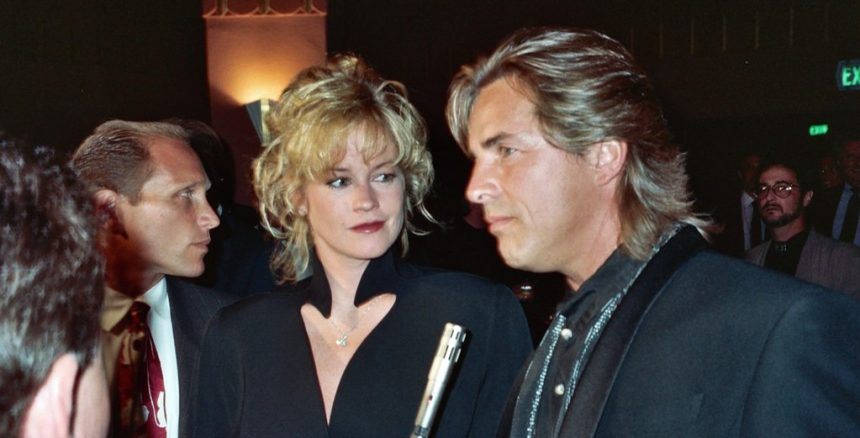
Hollywood casting is a strange and often ruthless business, and sometimes the biggest winner in a story is the actress who said no. Scheduling conflicts, personal doubts about a script, or simple bad timing have handed some of the most celebrated Oscar-winning performances in history to actresses who weren’t even the studio’s first choice. Here are ten cases where a star walked away from a role, only to watch someone else take home the golden statue for it.
1. Julia Roberts – Shakespeare in Love (1998)
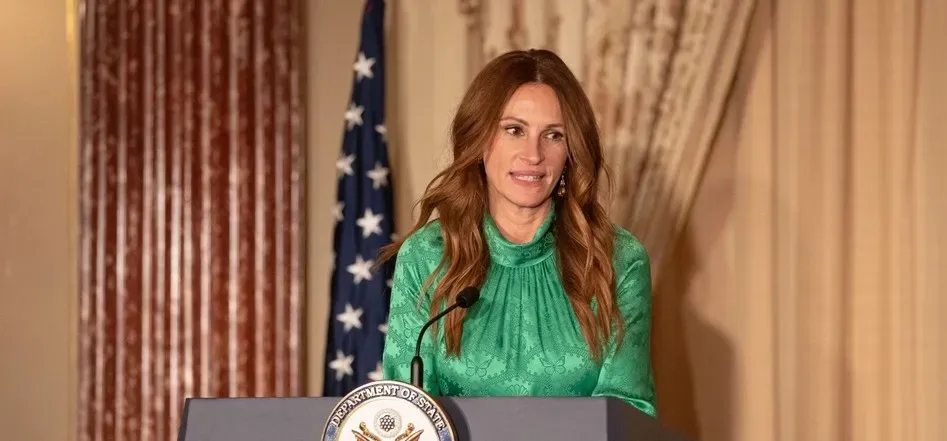
Before Gwyneth Paltrow ever stepped onto the Elizabethan-era set, Julia Roberts was attached to play the female lead. According to co-star Simon Callow, Julia Roberts walked away from Shakespeare In Love when she couldn’t get Daniel Day-Lewis to costar, leaving Gwyneth Paltrow to fill her shoes and win the Oscar, with Callow noting “Daniel wasn’t interested, so Julia withdrew.”
It’s one of those quiet what-ifs that rarely gets talked about compared to other missed roles in Roberts’ career. Paltrow ended up delivering a performance that felt destined, and the Best Actress win became one of the more debated Oscar moments of the late 1990s. Roberts, for her part, has never publicly dwelled on it the way she has with other near-misses.
2. Michelle Pfeiffer – The Silence of the Lambs (1991)
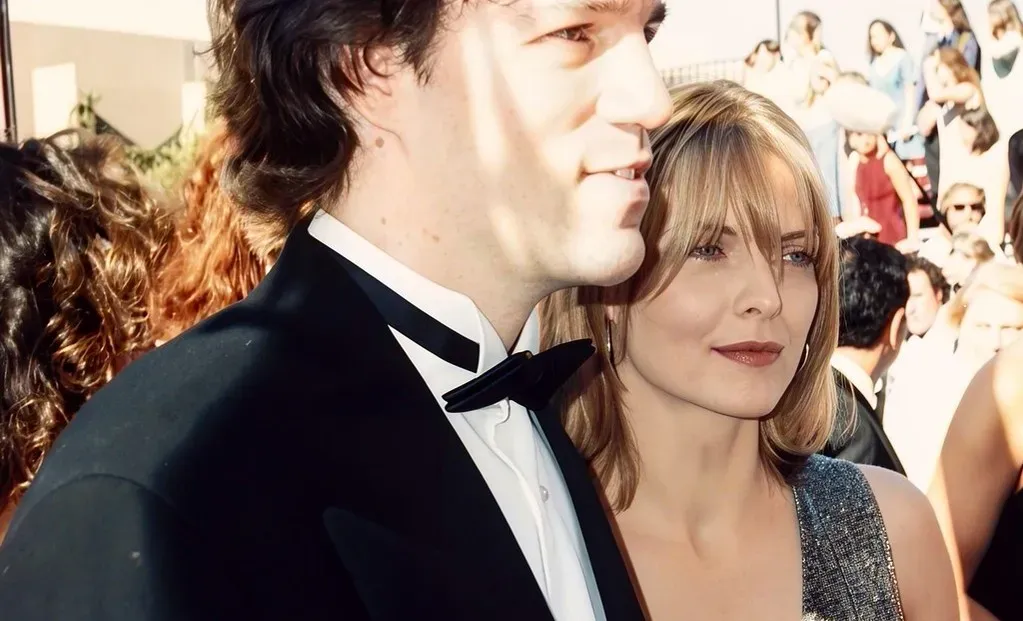
Michelle Pfeiffer was seriously considered for Clarice Starling, the role that eventually went to Jodie Foster. Pfeiffer turned it down because she didn’t like the script, telling The New Yorker in 2021 that she was trepidatious because there was such evil in that film, and she was uncomfortable that evil ultimately ruled the ending.
Foster stepped into the role instead and won her second Best Actress Oscar for it, cementing Clarice Starling as one of the most iconic characters in thriller history. Pfeiffer has spoken openly since about how her instincts sometimes steered her away from darker material during that stretch of her career, even when the material turned out to be award-winning.
3. Anne Hathaway – Silver Linings Playbook (2012)
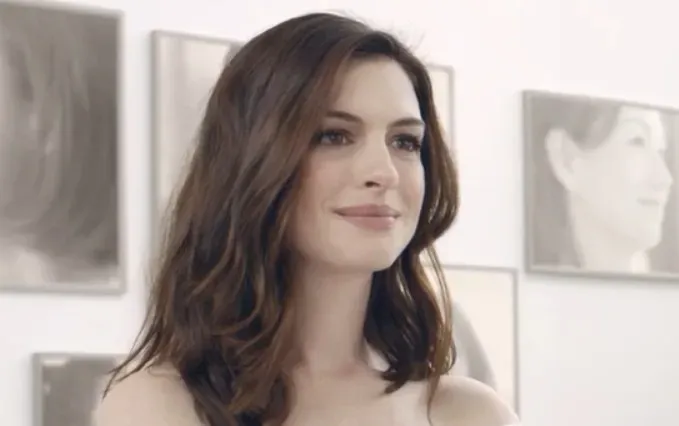
Anne Hathaway was originally cast as Tiffany Maxwell opposite Bradley Cooper, but she exited the production before filming got underway. Anne Hathaway was originally cast as Tiffany Maxwell in the romantic comedy drama Silver Linings Playbook under the direction of David O. Russell, but she left the production citing creative differences with the director, and Jennifer Lawrence was cast as her replacement and earned her first Academy Award for Best Actress for the role.
What makes this one especially interesting is that Hathaway didn’t walk away empty-handed that awards season. Hathaway would go on to win her own Oscar in the same year for a different supporting role in another film. Two actresses, two Oscars, one abandoned role that ended up defining Lawrence’s early career.
4. Sandra Bullock – Million Dollar Baby (2004)
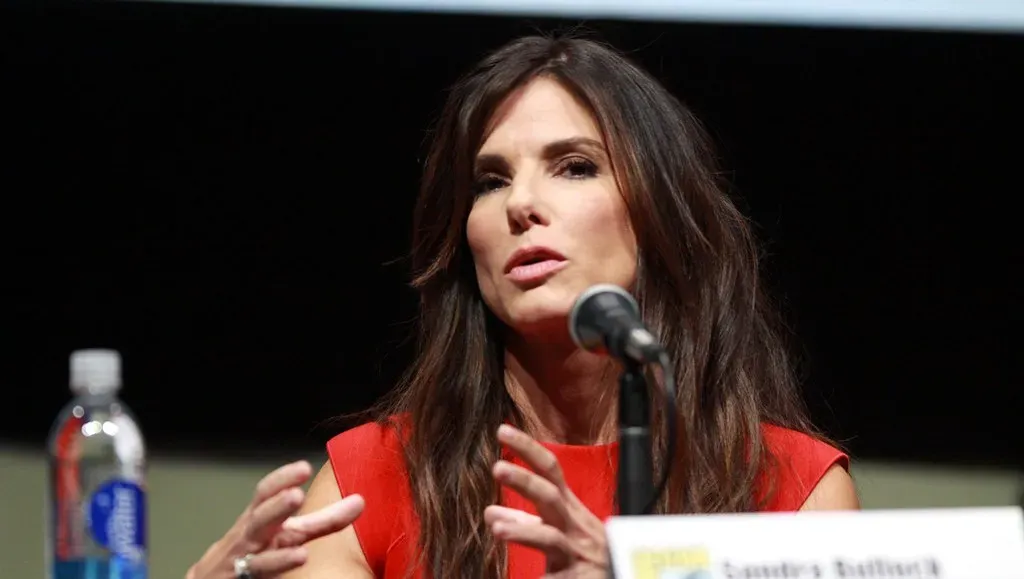
Before she became an Oscar winner herself for The Blind Side, Sandra Bullock had her own near-miss with a boxing drama. Bullock was considered for the role of Maggie Fitzgerald in Million Dollar Baby, but she could not make the timing work with her other projects, and Hilary Swank eventually took the role and won her second Academy Award for the performance.
Bullock has spoken warmly about the outcome rather than expressing regret. Bullock later praised the film and Swank’s dedication to the physically demanding character. It’s a rare example of a scheduling conflict working out beautifully for everyone involved, including the actress who had to say no.
5. Melanie Griffith – As Good as It Gets (1997)
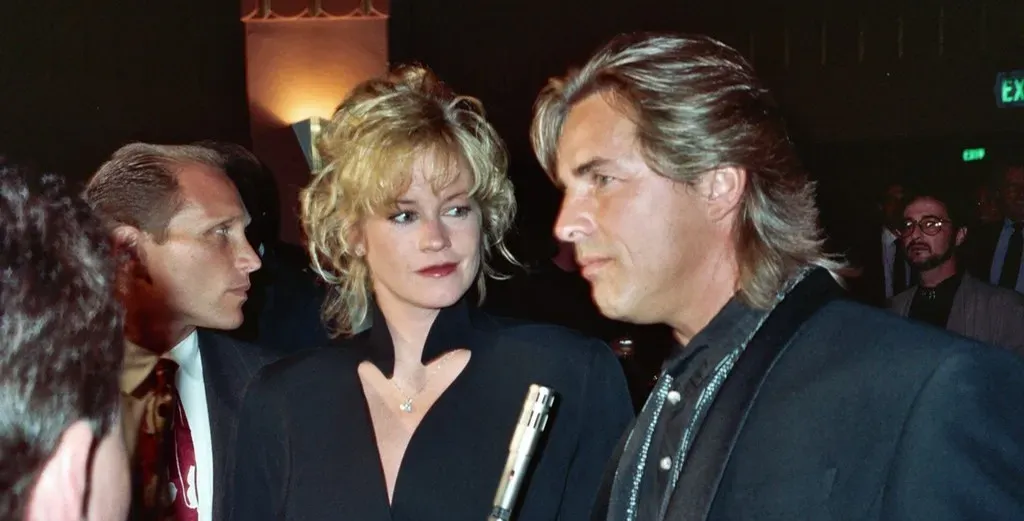
Melanie Griffith was in line to play Carol Connelly, the waitress who catches Jack Nicholson’s cantankerous eye, but real life got in the way. Melanie Griffith was offered the role of Carol Connelly in As Good as It Gets but had to decline, as she was pregnant at the time and could not commit to the filming schedule, and Helen Hunt took the role and won an Academy Award for her performance alongside Jack Nicholson.
Hunt’s performance became one of the defining romantic-comedy turns of the 1990s, and the film remains a staple of that genre. Griffith has since praised the film and the performances of the lead actors, treating it as one of those career detours that simply happens when life takes priority.
Partner offer
6. Angela Lansbury – One Flew Over the Cuckoo’s Nest (1975)
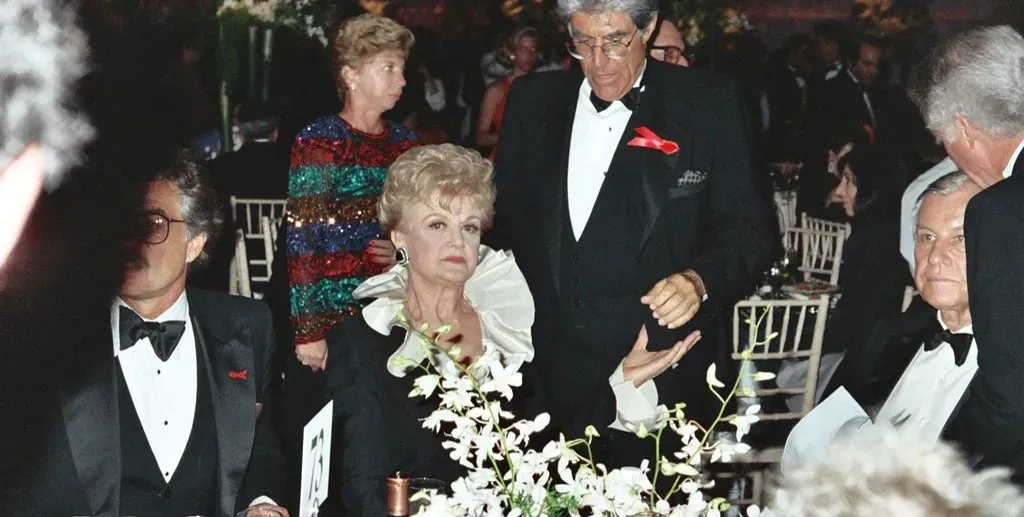
Long before Louise Fletcher’s chilling portrayal of Nurse Ratched became one of cinema’s great villain performances, the role was offered elsewhere. Angela Lansbury was offered the role of Nurse Ratched in One Flew Over the Cuckoo’s Nest because of her reputation for playing complex characters, but she turned down the part because she did not feel she could bring something new to it.
Fletcher’s performance ultimately helped the film sweep the major Academy Awards categories that year, an extremely rare feat. Lansbury went on to have a legendary career of her own on stage and screen, but this particular role remains one of the more talked-about departures in casting history.
7. Goldie Hawn – Terms of Endearment (1983)
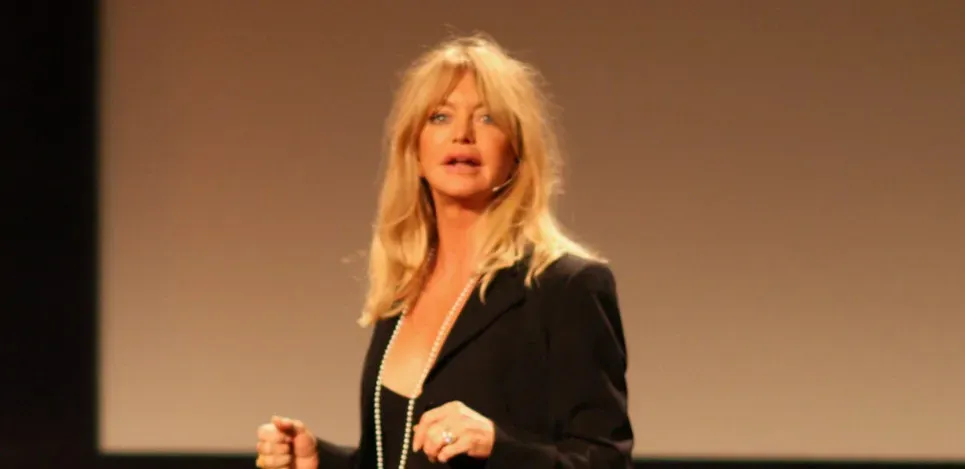
Goldie Hawn was in the mix to play Aurora Greenway, the sharp-tongued Texas mother at the center of Terms of Endearment, but she ultimately passed. Goldie Hawn was considered for the role of Aurora Greenway before filming began but turned down the opportunity because she was pursuing other projects at the height of her stardom, and Shirley MacLaine took the role and delivered a nuanced performance that secured her the Academy Award for Best Actress.
The film remains a beloved tearjerker decades later, and MacLaine’s performance is often cited among the finest of her career. Hawn’s career hardly suffered for the decision, but it’s still one of the more notable “almost” roles in her filmography.
8. Sissy Spacek – Terms of Endearment (1983)
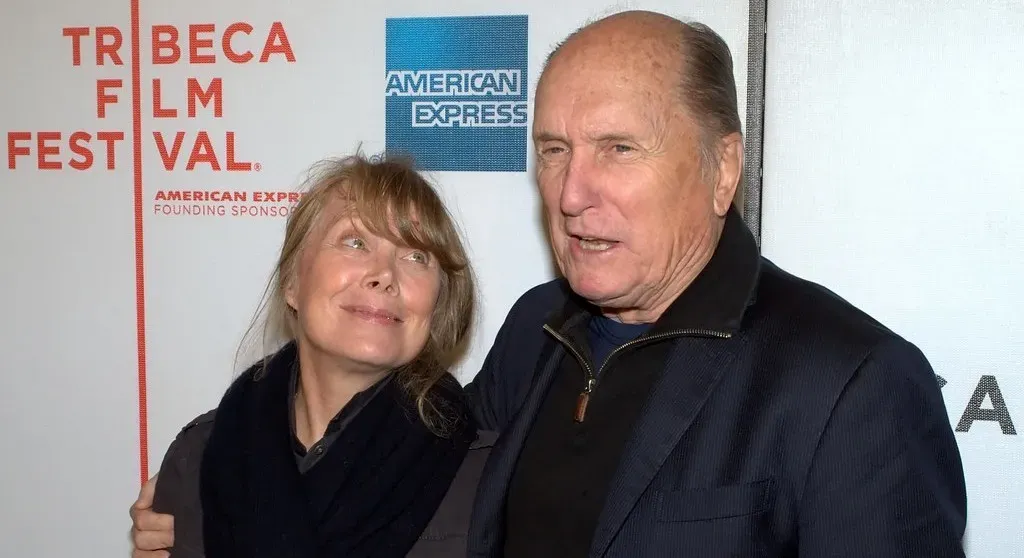
Interestingly, Hawn wasn’t the only actress connected to that same role before MacLaine signed on. Sissy Spacek was another actress who was offered the role of Aurora Greenway during the casting process, and she chose not to take the part, which allowed the producers to continue their search for the perfect lead.
It’s a small but telling detail in Hollywood history, that one of the most acclaimed maternal roles of the 1980s passed through the hands of two Oscar-caliber actresses before landing where it belonged. Spacek, already an Oscar winner herself for Coal Miner’s Daughter, simply wasn’t drawn to the part at that point in her career.
9. Molly Ringwald – The Blind Side (2009)
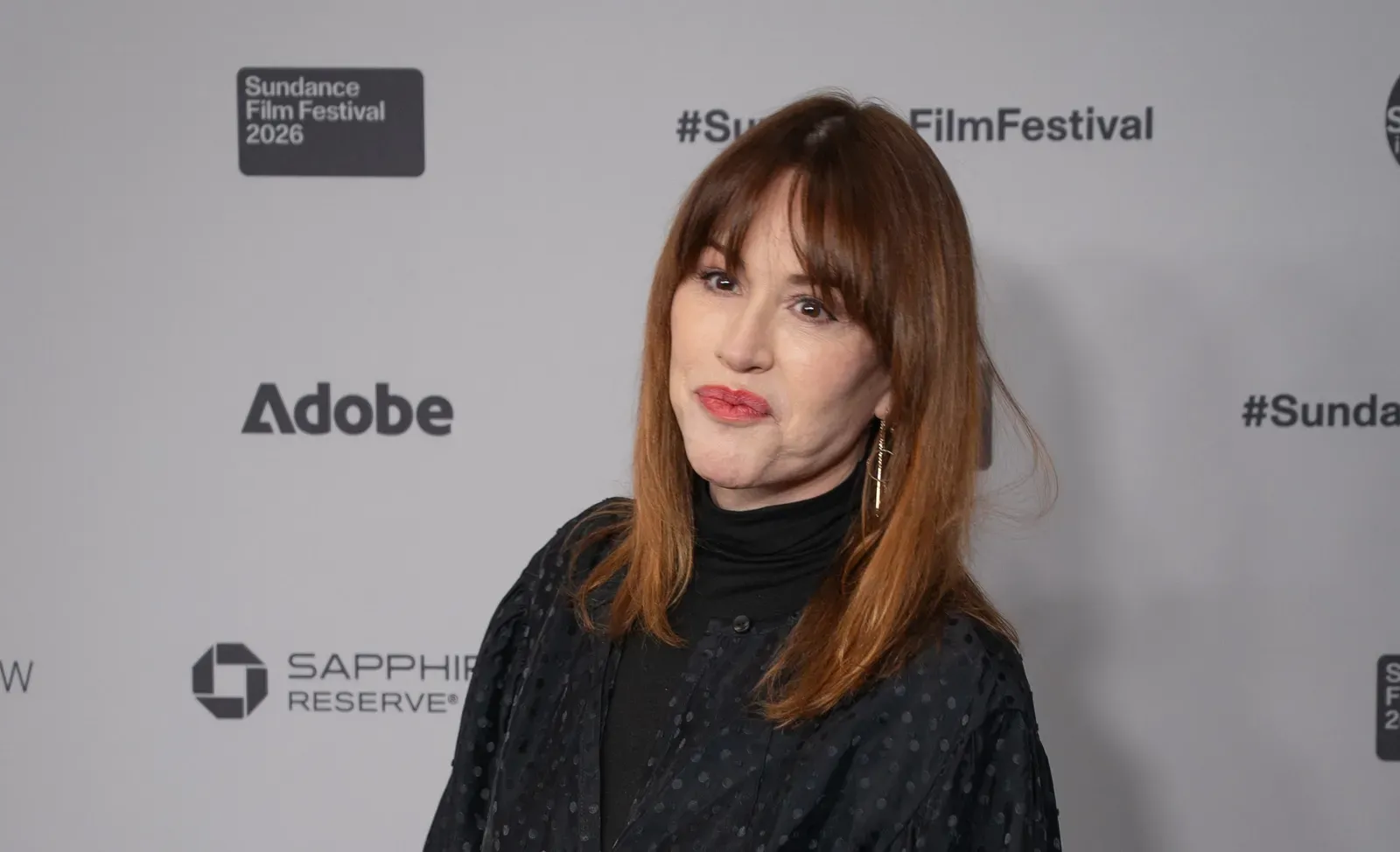
Molly Ringwald was among the actresses connected to the role of Leigh Anne Tuohy before Sandra Bullock ever entered the picture. Ringwald admitted to turning down the role in a 2023 interview with The Guardian, explaining that Julia Roberts was wonderful in it, but she didn’t really like the story.
The role, of course, went through several hands before it landed with Bullock, who turned it into her first Best Actress Oscar. Ringwald’s comment about the story itself, rather than the character, offers a rare glimpse into how personal taste can steer an actress away from a role that later becomes a career-defining, award-winning performance for someone else.
10. Julie Christie – One Flew Over the Cuckoo’s Nest (1975)
Angela Lansbury wasn’t the only star linked to Nurse Ratched before Louise Fletcher won the part and the Oscar. Julie Christie was approached for the role during the long search for the female lead but chose to decline the offer, and Louise Fletcher was eventually found and earned an Oscar for her portrayal of the character.
The film’s dominance that awards season, sweeping the top categories, makes this a particularly interesting footnote. The film remains one of the few movies to ever win the Big Five awards at the ceremony, a fact that makes every actress who passed on the role look back with at least a little curiosity about what might have been.
Taken together, these stories are a reminder that an Oscar-winning performance often has a strange, invisible history behind it, full of near-misses, scheduling conflicts, and gut instincts that didn’t pan out the way anyone expected. Some of these actresses have laughed about their decisions in interviews, others have simply moved on, but each missed role became a defining moment for someone else. It’s proof that in Hollywood, one person’s “no” is very often another person’s Oscar speech.
Partner offer
Planning a trip to Vegas?
Compare hotel rates and show tickets on VEGAS.com.