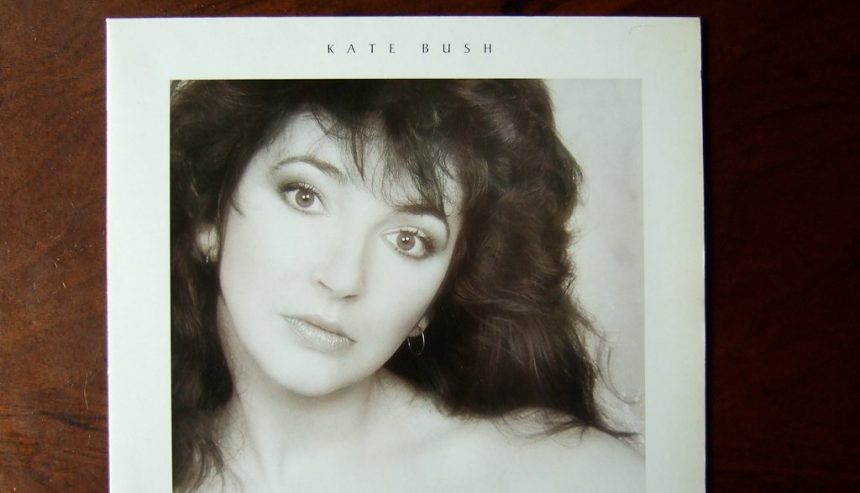
Every so often, a record arrives too early for its own good. It gets a handful of good reviews, sells poorly, and then quietly gets shelved by the very label that put it out. Years later, it turns out that record was actually rewriting the rules of its genre the whole time, and everyone just needed a little more time to catch up. That gap between initial reception and lasting reputation is one of the strangest phenomena in music history. Below are ten albums that struggled commercially on release but eventually became touchstones, the kind of records younger musicians still study decades later.
1. Pet Sounds by The Beach Boys (1966)
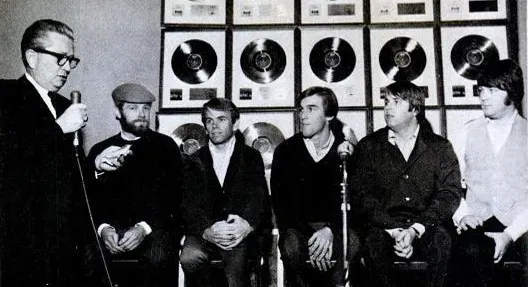
Brian Wilson set out to top the Beatles’ “Rubber Soul” and instead delivered something stranger and more introspective than anything the Beach Boys’ surf-loving fanbase expected. The Beach Boys’ and Capitol Records initially considered the album a commercial disappointment, as all but two of the group’s previous eleven LPs had enjoyed higher chart positions than Pet Sounds, which stalled at No. 10 in the US albums rankings. Capitol was so unconvinced the album would sell that it rushed out a greatest hits package just weeks later to recoup costs.
The reaction across the Atlantic told a different story entirely. It was initially met with a lukewarm critical and commercial response in the United States, peaking at number 10 on the Billboard Top LPs chart, while in the United Kingdom, the album was lauded by critics and reached number 2 on the Record Retailer chart, remaining in the top ten for six months. Today it routinely tops critics’ lists as one of the most influential pop albums ever made.
2. The Velvet Underground & Nico (1967)
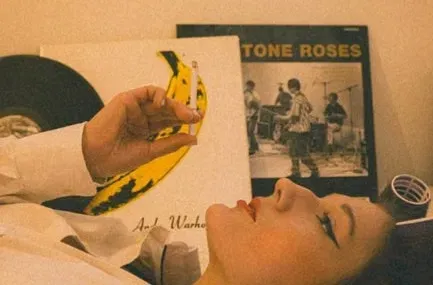
Produced by Andy Warhol and steeped in subject matter mainstream radio wanted nothing to do with, this album barely registered on the charts when it came out. Songs about heroin, sadomasochism, and street life did not exactly fit the Summer of Love. It sold modestly and the band broke up without ever tasting mainstream success during their original run.
Brian Eno’s famous quip that not many people bought the record but everyone who did started a band captures the paradox well. The album’s stark, minimalist rock sound eventually became foundational to punk, art rock, and alternative music broadly. Its commercial failure at the time is almost irrelevant now next to its towering influence.
3. #1 Record by Big Star (1972)
Big Star’s debut had everything going for it on paper, sharp songwriting, tight harmonies, and a frontman in Alex Chilton who had already scored a number one hit with the Box Tops years earlier. Many critics praised the album’s vocal harmonies and songcraft but #1 Record suffered from poor distribution and sold fewer than 10,000 copies upon its initial release. The problem wasn’t the music, it was that the record simply wasn’t reaching stores.
Despite their artistic success, Big Star struggled with commercial viability due to distribution issues, which hindered the sales of their records, though the group is noted for its influential sound that drew inspiration from iconic bands like The Beatles and The Byrds. In 2012, Rolling Stone placed the album at number 434 on its “500 Greatest Albums of All Time” list, cementing its status as a cornerstone of power pop.
4. Radio City by Big Star (1974)
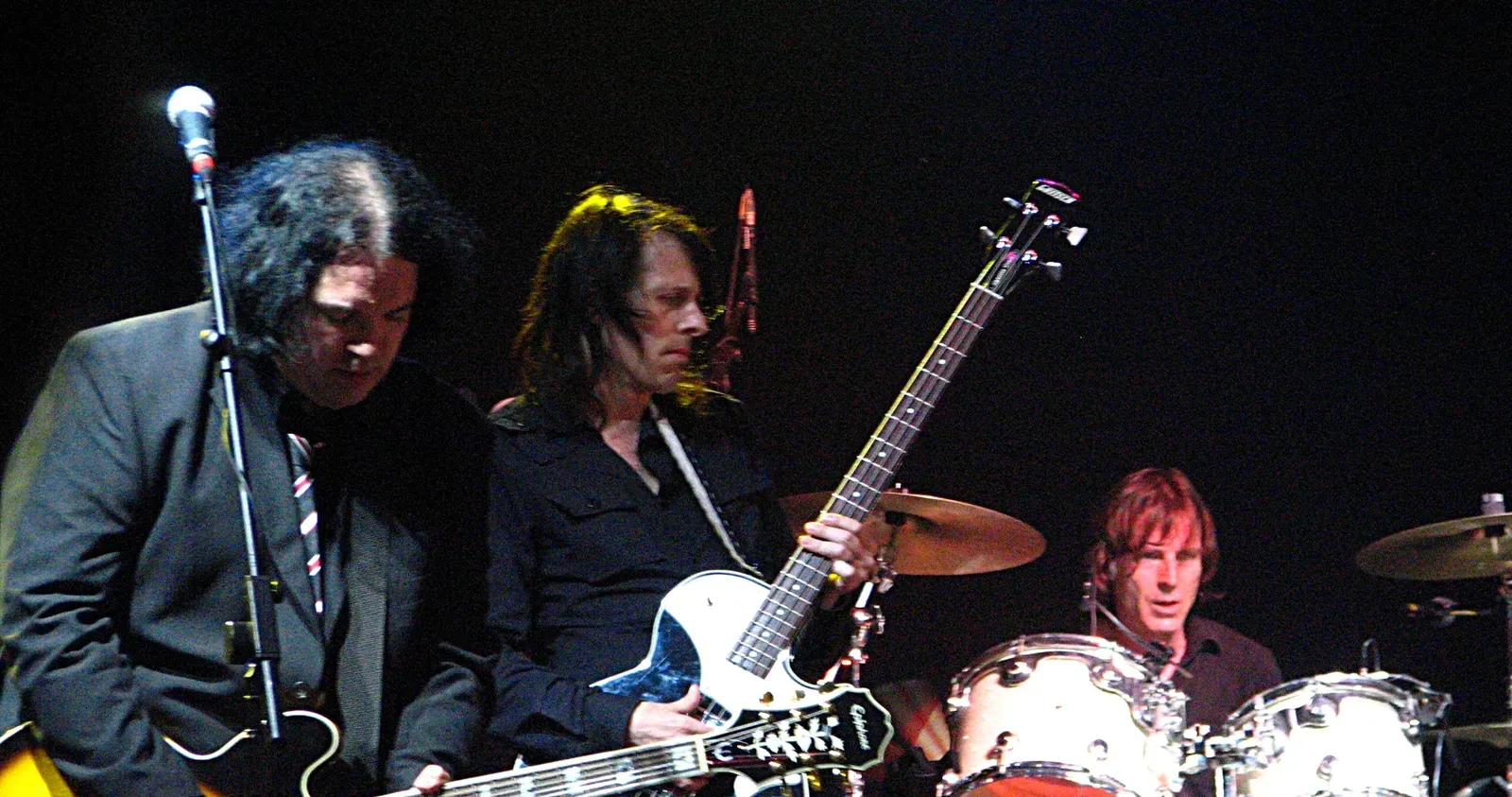
Big Star’s follow-up suffered the exact same fate as its predecessor, which is almost remarkable given how different the two situations should have been. As with #1 Record, the album’s sales were meager because of distribution problems, but also like #1 Record, the album earned critical acclaim, with many critics considering it to be Big Star’s finest album. “September Gurls” in particular has become one of the most quietly influential songs in guitar pop.
Radio City was placed at number 405 on the “500 Greatest Albums of All Time” list, the highest position of any Big Star album on the list. Bands from the Replacements to Teenage Fanclub have cited it as a formative influence, proof that sometimes the second flop is just as important as the first.
5. Fun House by The Stooges (1970)

Iggy Pop and the Stooges made an album so raw and unhinged that mainstream audiences in 1970 simply weren’t ready for it. The Stooges was a commercial failure in its time, peaking at Number 106. Critics at the time were divided, unsure whether they were witnessing genius or chaos.
What sounded abrasive and undisciplined to 1970 ears now reads as a blueprint for punk rock a full six years before the Ramones or the Sex Pistols existed. The rest of us would eventually catch up with the Stooges’ visionary stoner fanbase and thrill to the way Ron Asheton enshrouds himself in stupefying waves of wah-wah and brother Scott drums like he’s marooned on a planet with twice the gravitational pull of Earth, though the way Iggy Pop growls and shrieks his way through these stomps and dirges is probably something none of us can ever truly catch up with. It’s a strange kind of vindication, arriving decades after the fact.
Partner offer
6. Slint’s Spiderland (1991)
Recorded by a group of Louisville teenagers who had already broken up by the time it came out, Spiderland barely made a dent when it was released on the small indie label Touch and Go. The band didn’t tour to support it, didn’t do interviews, and effectively vanished right as the record hit shelves. Sales were minimal and mainstream attention was nonexistent.
Over the following decade, Spiderland quietly became one of the most cited influences in post-rock and math rock, shaping bands from Tortoise to Mogwai. Its whisper-to-scream dynamics and unconventional song structures now sound like they anticipated an entire subgenre that didn’t fully exist yet. It remains one of the clearest examples of an album whose reputation grew almost entirely after the band itself was gone.
7. In the Aeroplane Over the Sea by Neutral Milk Hotel (1998)

Jeff Mangum’s second and final album under the Neutral Milk Hotel name did not exactly set the charts on fire in 1998. When it was released in 1998, it wasn’t especially well-received, attracting some lukewarm reviews but, crucially, it connected with a few very, very committed fans. After releasing this album, the band toured North America and Europe, but without showing any sales that would make them a topic of conversation, and the band broke up in 1998.
What happened next is a textbook case of internet-era word of mouth building a legacy from almost nothing. It received almost no attention upon its release in 1998, gained a cult following after the band broke up, and has now joined the ranks of classic albums. Mangum’s surreal lyrics and lo-fi horn arrangements are now referenced constantly across indie rock, and the album regularly appears on best-of-the-decade and best-of-all-time lists.
8. Pinkerton by Weezer (1996)
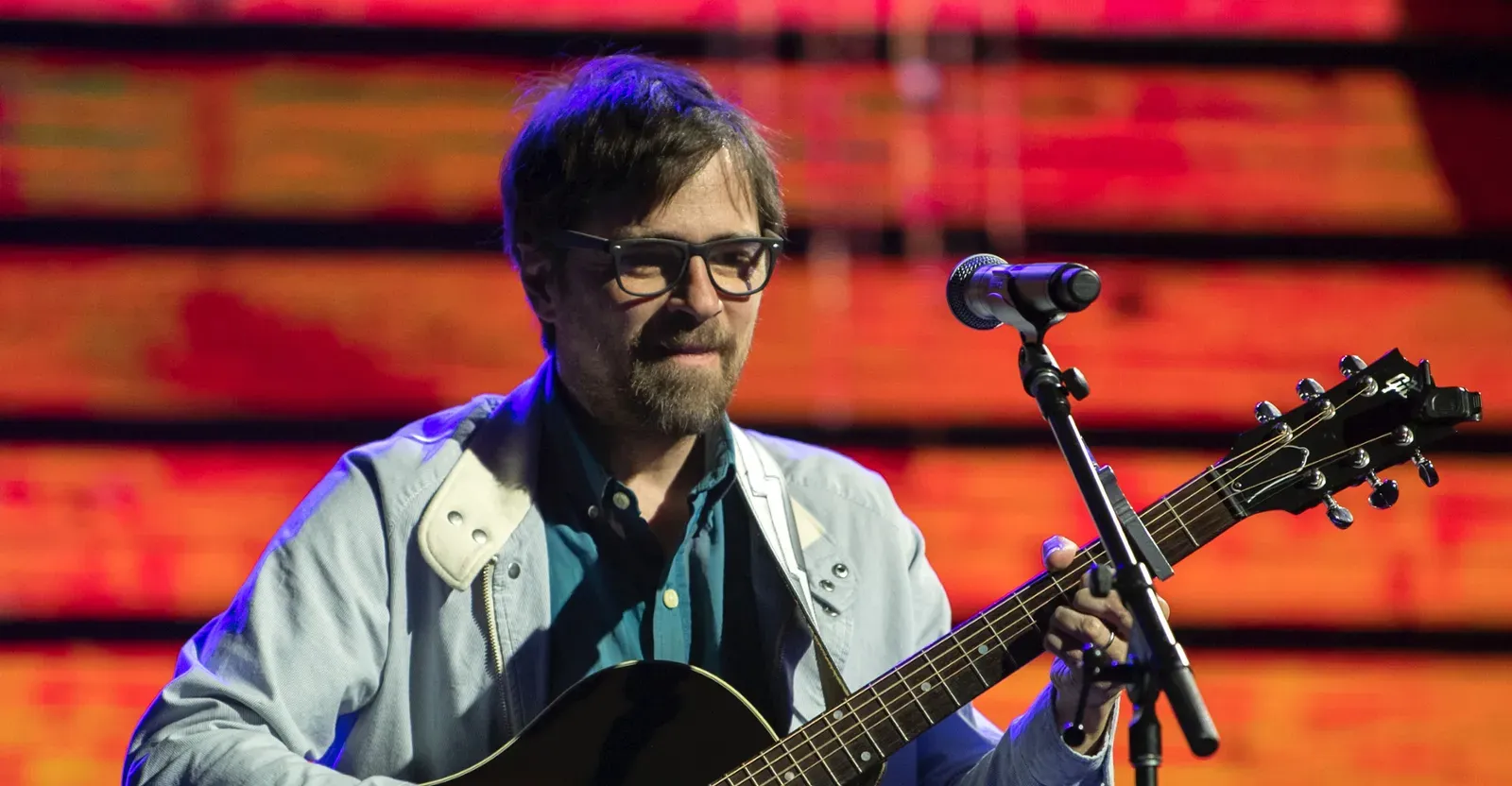
After the massive success of their self-titled debut, Weezer’s follow-up was messier, more emotionally raw, and far less polished. Fans and critics at the time were confused, some outright hostile, expecting another batch of clean power pop and getting something closer to a diary entry set to distorted guitars. Rivers Cuomo himself was reportedly so stung by the reaction that the band avoided that style for years afterward.
Pinkerton’s reputation flipped almost entirely within a decade, as a new generation of listeners connected with its unfiltered vulnerability and emo-adjacent themes. It’s now frequently cited as a direct precursor to the emo and pop-punk explosion of the 2000s. Weezer itself eventually came around, embracing the album’s cult status rather than distancing themselves from it.
9. Loveless by My Bloody Valentine (1991)
My Bloody Valentine spent an enormous amount of time and money crafting Loveless, reportedly pushing their label Creation Records close to financial ruin in the process. When it finally arrived, sales were modest and the band effectively imploded under the financial and creative pressure of making it. Kevin Shealy’s perfectionism had produced something so dense and layered that casual listeners weren’t sure what to make of it.
The album’s wall of guitar effects, since dubbed “shoegaze” as a genre descriptor, went on to shape decades of alternative and dream pop music. Bands well into the 2020s still cite Loveless as the reference point for that particular blend of noise and melody. It stands as one of the clearest cases where an album nearly bankrupted its creators before eventually being recognized as a genre-defining achievement.
10. The Dreaming by Kate Bush (1982)
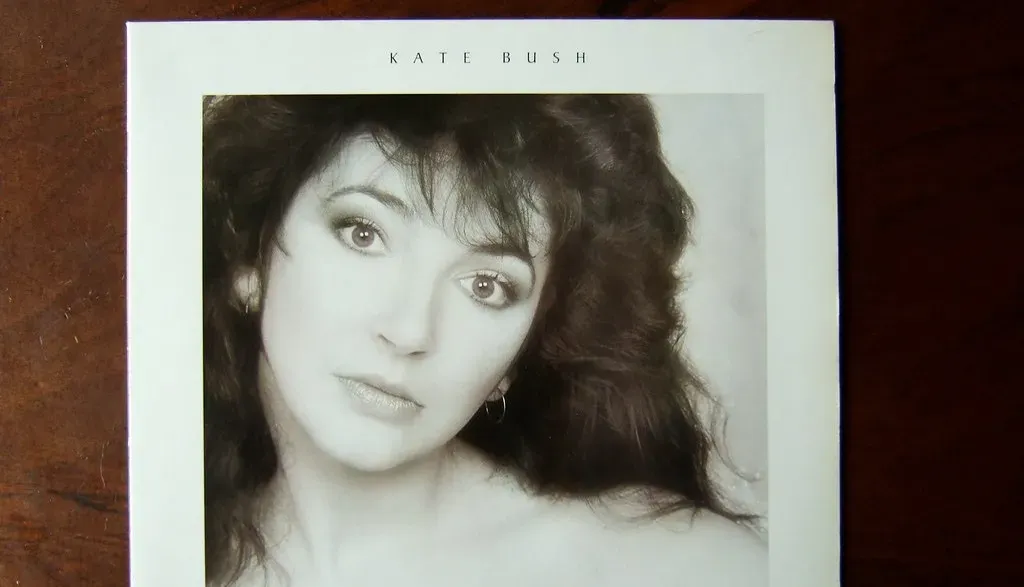
Kate Bush’s fourth album was her first as sole producer, and the creative freedom led her somewhere far more experimental than her earlier commercial hits. It confused critics and alienated a portion of her existing fanbase, becoming her lowest-charting album up to that point. Some reviewers at the time described it as self-indulgent or overly strange.
Bush herself has since called it her most satisfying work, and subsequent generations of artists and critics have largely come around to that view. Its dense, theatrical production and unconventional song structures now read as ahead of their time rather than simply eccentric. Many consider it the record that laid the groundwork for the more celebrated “Hounds of Love” just three years later.
Commercial failure and artistic merit clearly don’t always move in the same direction, at least not on the same timeline. Distribution problems, mismatched marketing, and audiences simply not being ready all played a role in these ten cases. What they share is a second life, one built slowly by critics, fellow musicians, and listeners who kept passing the records along long after the labels had stopped paying attention.Partner offer
Planning a trip to Vegas?
Compare hotel rates and show tickets on VEGAS.com.