Some movies practically hand you the whole story in the trailer. Others treat every detail like classified information, right up until the lights dim in the theater. Over the last two decades, a handful of studios and directors turned secrecy itself into a marketing weapon, betting that mystery would sell more tickets than exposition ever could. The results were mixed but often spectacular. Fake scripts, decoy titles, and trailers that revealed almost nothing became the norm for a certain kind of tentpole release. Here are six films that managed to keep audiences guessing until the moment the curtain actually went up.
Cloverfield (2008)
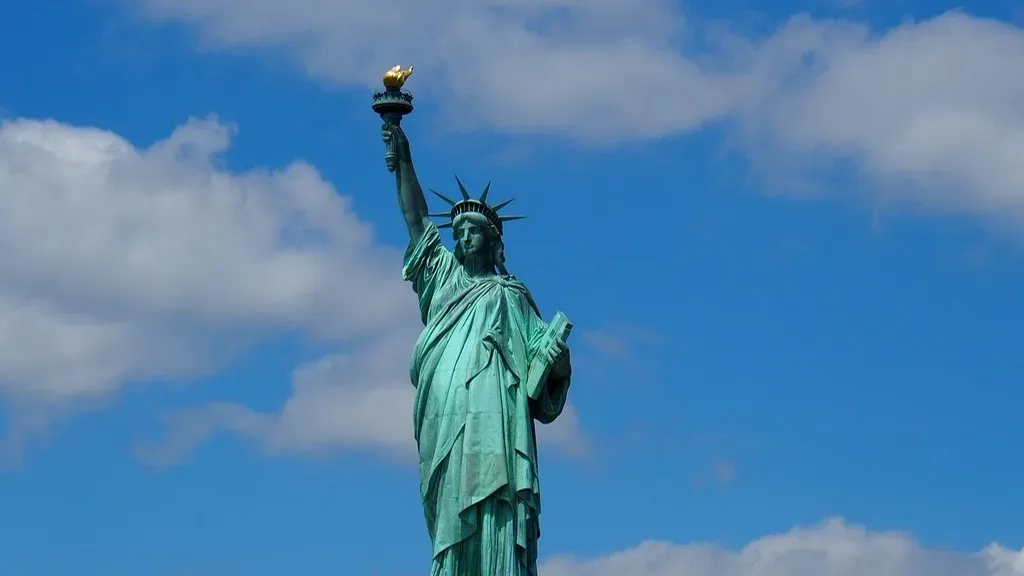
Before anyone even knew what Cloverfield was called, Paramount had already turned it into an internet obsession. Cloverfield’s first teaser was attached to the first Transformers movie and became more popular and iconic than the film. The footage showed a rooftop party in New York interrupted by chaos, and famously ended with nothing but a date on screen.
The trailer ended with the date, January 18th, 2008, and no title, and that clever lack of information left people all over the world to speculate wildly. Paramount then built out an elaborate web of fake websites, viral videos, and social media profiles for characters, none of which ever explained the monster’s origin in the actual film. Paramount chose to withhold major plot details to engage fully in the mysterious nature of its first trailer, and by some miracle, the film maintained a significant level of secrecy leading to its commercial and critical success.
Star Wars: The Force Awakens (2015)
J.J. Abrams brought his signature “mystery box” approach to reviving the Star Wars saga, and it extended well beyond the marketing department. The cast and filmmakers of Star Wars: The Force Awakens debuted behind-the-scenes footage and teased information at Comic-Con about the highly secretive film, but actual plot specifics stayed locked down for years.
Even the film’s basic setting was treated as classified. Abrams revealed that the desert landscape seen in both teasers was the planet Jakku, not Tatooine as seen in other episodes, with filming taking place in Abu Dhabi. When pressed about leaks, Abrams acknowledged that the production did the best it could to preserve the story for the audience, though rumors, some true and some false, still circulated.
Avengers: Endgame (2019)
Marvel’s decade-capping event took secrecy to a level rarely seen in Hollywood, and it started with the cast itself. The Russo brothers maintained a high level of secrecy while filming Infinity War and Endgame, providing fake scripts with fake storylines, fake twists and fake endings for stars to rehearse before they were provided with real scripts while on set.
The precautions were not evenly distributed. Only two actors got the full script for Avengers: Infinity War, Robert Downey Jr. and, according to some accounts, Chris Evans. Meanwhile, Tom Holland’s well known habit of letting spoilers slip meant he didn’t receive a script for Avengers: Infinity War or Avengers: Endgame at all, getting only vague scene descriptions and his own lines instead.
10 Cloverfield Lane (2016)
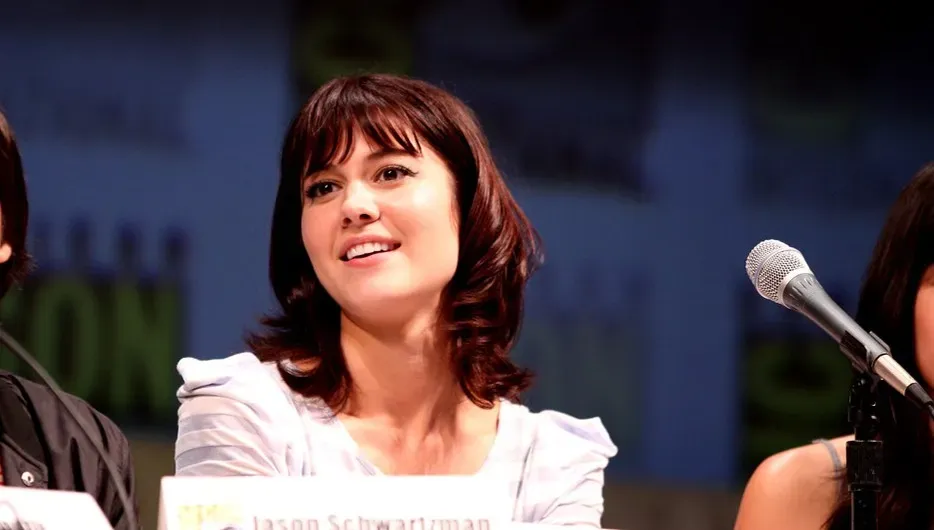
This one may be the most extreme example of hiding a film in plain sight. The movie was such a secret that not even its cast knew it was going to bear the word Cloverfield in its name, and there were several working titles for the film while it was in development, including Valencia and The Cellar.
Even veteran actors were kept in the dark. John Goodman hadn’t heard of Cloverfield until he was hired for the film, and when he got the call about the role, it was still called The Cellar, leading him to admit he knew nothing about Cloverfield beforehand. The strategy paid off commercially, since director Dan Trachtenberg noted there was no traditional trailer, only teasers, by Paramount’s design, and one of the many pleasures of the film was the element of surprise.
Tenet (2020)
Christopher Nolan has built a reputation on withholding information, but Tenet pushed that instinct to an unusual extreme. Operating with a level of secrecy typically seen in only Marvel or Star Wars movies, Warner Bros. kept many details surrounding Tenet’s plot under lock and key, and even Michael Caine, who appears in the film, had no idea what was happening.
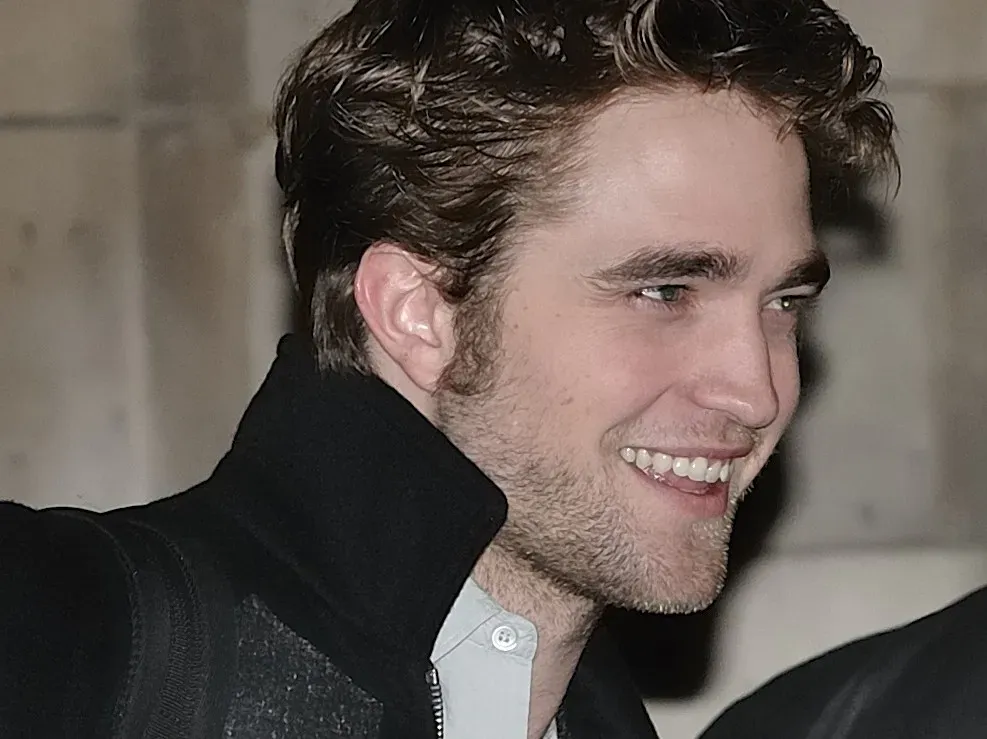
The cast wasn’t given much room to guess either. Actors such as Robert Pattinson could only read the Tenet script in isolation to avoid plot leaks, with Pattinson telling USA Today he got locked in a room to read the script. Warner Bros. was equally sparse in official materials, describing the film simply as an action epic evolving from the world of international espionage and leaving nearly everything else a mystery until release.
Star Wars: The Last Jedi (2017)
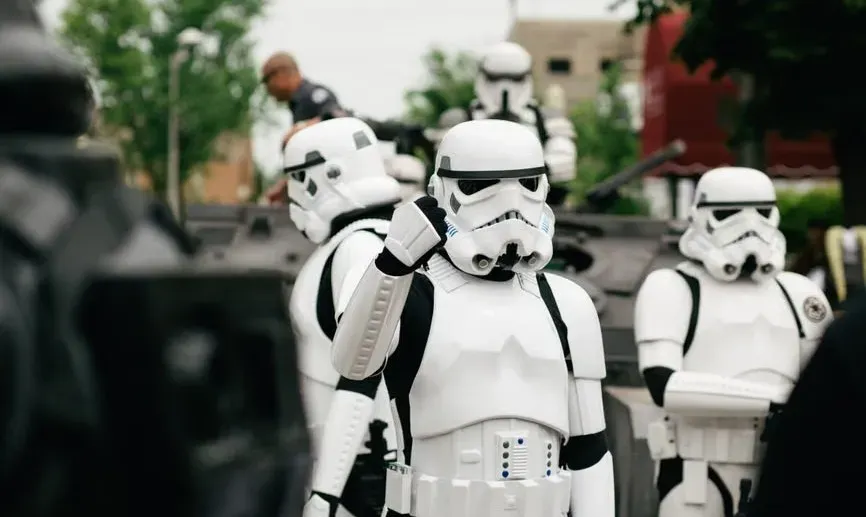
Rian Johnson inherited Abrams’ secrecy playbook and, by most accounts from the cast over the years, applied it just as aggressively. Reports from the production described actors receiving disguised scenes and dialogue that never made the final cut, a common Lucasfilm tactic used to prevent early leaks from spreading before the film’s theatrical debut.
The studio’s broader strategy mirrored what had worked for The Force Awakens, restricting full scripts to a small circle and doling out pages scene by scene. That approach kept major twists, including character fates and reveals about the Force itself, out of the public conversation until opening weekend, something increasingly rare for a franchise this heavily scrutinized by fans and journalists alike.
Looking back, these six films represent a specific era when secrecy itself became part of the pitch. Streaming leaks, set photos, and social media have made this kind of airtight control much harder to pull off today, which is partly why these examples still get referenced whenever a new blockbuster tries to keep its cards close to the chest. Whether that approach still works as well in 2026, with fans dissecting every frame of a trailer within minutes, remains an open question for the next generation of directors willing to try it.