Great leaders throughout history have always known one thing: words matter. The power of a well-delivered speech can rally armies, change minds, and shift the course of civilization itself. What’s fascinating is how speeches given thousands of years ago still echo in boardrooms, political campaigns, and even motivational talks today. These ancient orators understood human nature in ways that feel almost timeless.
Whether you’re leading a startup in Vegas or managing a team anywhere in the world, the rhetorical techniques perfected centuries ago remain surprisingly relevant. Let’s explore ten speeches from antiquity that continue to shape how modern leaders communicate, inspire, and persuade.
Pericles’ Funeral Oration (431 BCE)
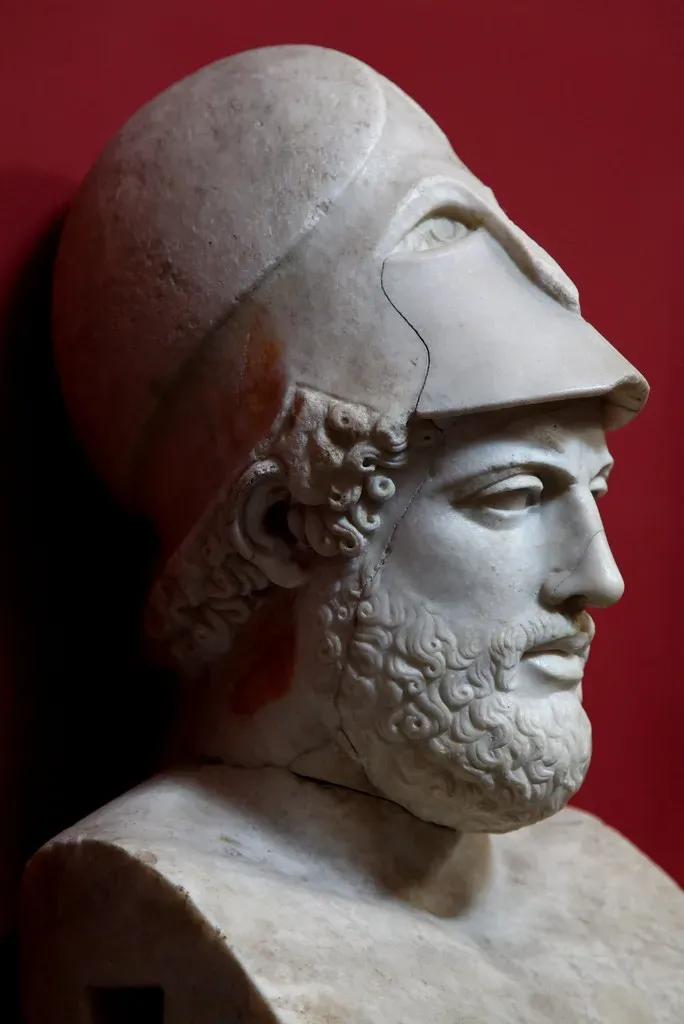
Delivered during the Peloponnesian War, Pericles’ speech honored fallen Athenian soldiers while celebrating democracy itself. He didn’t just mourn the dead; he painted a vision of what they died defending. The speech masterfully balanced grief with pride, making citizens feel their sacrifices meant something larger than themselves.
Modern leaders frequently borrow this approach when addressing difficult times. Think about how CEOs speak after company setbacks or politicians after national tragedies. They follow Pericles’ blueprint: acknowledge the pain, then pivot to shared values and future purpose. It’s a framework that still works because it validates emotion while providing direction.
The phrase “we do not copy our neighbors; rather, we are an example to them” captures an attitude many organizations try to embody today. Pericles understood that people don’t just want to belong to something; they want to belong to something exceptional. That psychology hasn’t changed in over two millennia.
Socrates’ Apology (399 BCE)
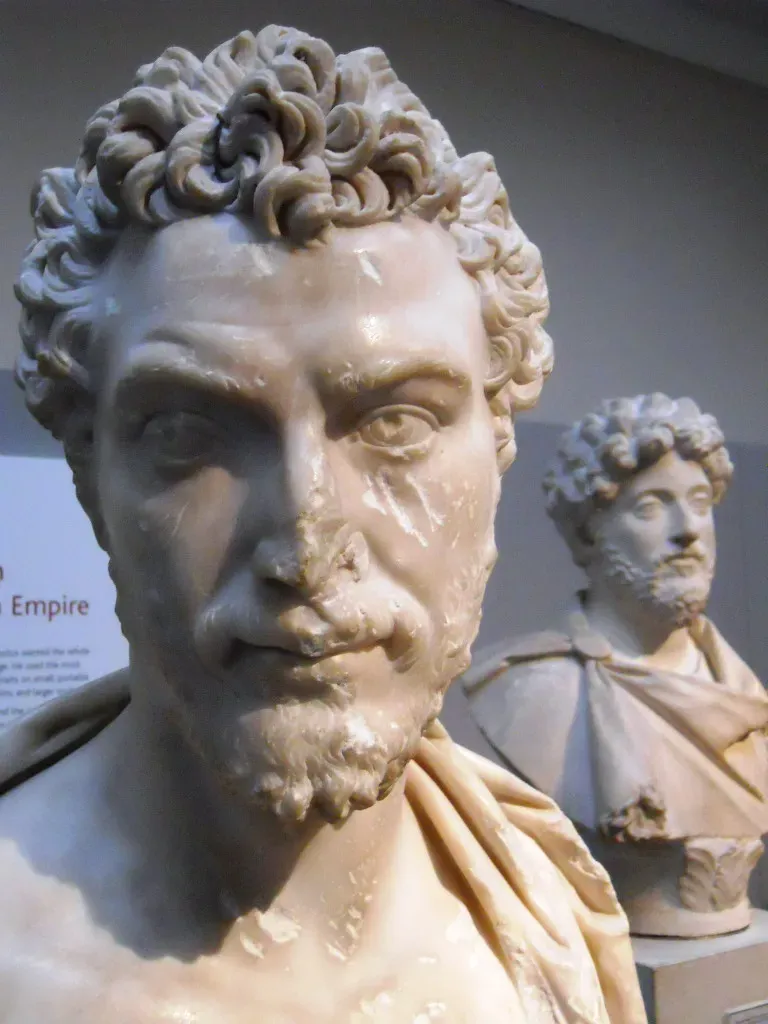
Standing trial for supposedly corrupting Athenian youth, Socrates delivered one of history’s most defiant courtroom speeches. Rather than begging for mercy, he defended his philosophical mission and questioned the very legitimacy of his accusers. He basically told the jury that an unexamined life wasn’t worth living, even if that conviction would cost him his life.
Today’s leaders facing criticism or scandal often channel this Socratic approach, though usually with more self-preservation in mind. The key takeaway isn’t the martyrdom; it’s the refusal to compromise core principles under pressure. When executives stand firm on ethical decisions despite shareholder pushback, they’re echoing Socrates’ model of principled defiance.
His willingness to accept death rather than abandon his beliefs created a template for moral courage that resonates across cultures. It’s become the gold standard for standing up to unjust authority, referenced in everything from civil rights movements to whistleblower testimonies.
Demosthenes’ Philippics (351-341 BCE)
Demosthenes delivered a series of passionate warnings about the growing threat of Philip II of Macedon. His speeches were urgent, direct, and relentless in calling Athens to action. He didn’t sugarcoat the danger or offer easy solutions. Instead, he confronted his audience with uncomfortable truths about their complacency and vulnerability.
The term “philippic” literally became synonymous with a verbal attack or critical discourse. Corporate leaders today use similar tactics when warning about industry disruption or competitive threats. Steve Jobs famously channeled this energy when discussing Microsoft or other rivals, creating a sense of urgency that mobilized his teams.
What made Demosthenes effective was his refusal to let audiences stay comfortable. He understood that fear, properly directed, becomes motivation. Modern change management still relies on this principle: make people understand the cost of inaction before presenting solutions.
Julius Caesar’s Speech to His Troops at the Rubicon (49 BCE)

Caesar’s decision to cross the Rubicon River with his army was essentially a declaration of civil war. His speech to the troops wasn’t long or ornate, but it framed a treasonous act as necessary destiny. He positioned the crossing as inevitable, almost fated, turning a moment of criminal rebellion into historical purpose.
Business leaders launching risky ventures often adopt this “point of no return” rhetoric. When a CEO announces a major pivot or controversial acquisition, they frequently frame it as the only path forward. Caesar’s genius was making his soldiers feel they were part of something inevitable rather than something reckless.
The phrase “the die is cast” has survived because it captures a universal leadership moment: committing fully despite uncertainty. Once you cross your Rubicon, there’s no going back. That irreversibility creates focus and eliminates the paralysis of keeping options open.
Cicero’s First Catilinarian Oration (63 BCE)
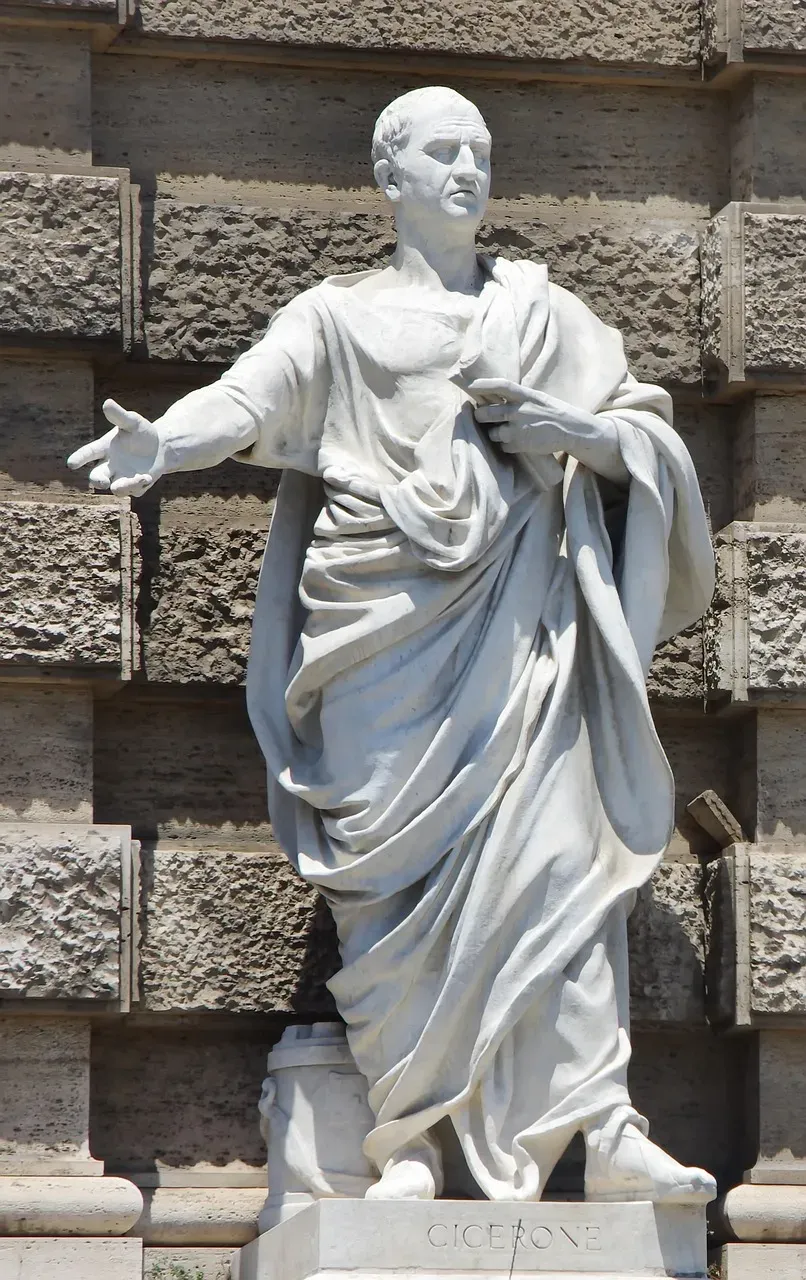
Cicero confronted the senator Catiline directly in the Roman Senate, exposing his conspiracy to overthrow the government. The opening line, “How long, Catiline, will you abuse our patience?” remains one of the most dramatic beginnings in rhetorical history. Cicero didn’t just accuse; he performed moral outrage so effectively that it became political theater.
Politicians and executives still use this technique when calling out competitors or internal bad actors. The public confrontation serves multiple purposes: it shows strength, clarifies sides, and forces the accused to respond on your terms. Cicero invented the political callout culture we see everywhere today.
His speech worked because he combined specific accusations with sweeping moral language. He made Catiline’s conspiracy about more than politics; it became about the soul of Rome itself. Leaders who successfully frame conflicts as existential threats rather than mere disagreements are following Cicero’s playbook.
Marc Antony’s Funeral Speech for Caesar (44 BCE)

Shakespeare immortalized this speech in his play, but the historical version was similarly brilliant. Antony turned a funeral oration into a political revolution by repeatedly calling Brutus and the other assassins “honorable men” while detailing Caesar’s generosity and accomplishments. The irony was so thick it became sarcasm, then rage, then mob violence.
Modern communicators still study this speech for its manipulation techniques. Antony never directly attacked the conspirators but let the evidence speak through emotional storytelling. He showed Caesar’s bloody toga, read his will leaving money to citizens, and let the crowd draw their own conclusions. That’s influence without explicit persuasion.
The lesson for today’s leaders is clear: sometimes indirect communication proves more powerful than direct argument. When you let audiences reach conclusions on their own, they own those beliefs more strongly. Antony understood that people resist being told what to think but embrace ideas they believe they discovered themselves.
Queen Boudica’s Rally Against Rome (60 CE)

The Celtic queen led a massive uprising against Roman occupation after enduring personal humiliation and injustice. Her speech to the assembled tribes emphasized shared grievances, cultural identity, and the nobility of fighting oppression. She framed the battle not as military strategy but as reclaiming dignity and freedom.
Leaders facing institutional challenges or fighting established systems often invoke Boudica’s spirit. She proved that effective resistance requires more than anger; it needs a unifying narrative that transforms individual suffering into collective purpose. Her speech made disparate tribes see themselves as one wronged people.
Though her rebellion ultimately failed, the speech itself succeeded in creating temporary unity among groups that typically fought each other. That’s a powerful lesson about coalition building: shared enemies can bridge deep divisions, at least temporarily. Modern political movements and business alliances still rely on this dynamic.
The Sermon on the Mount (circa 30 CE)
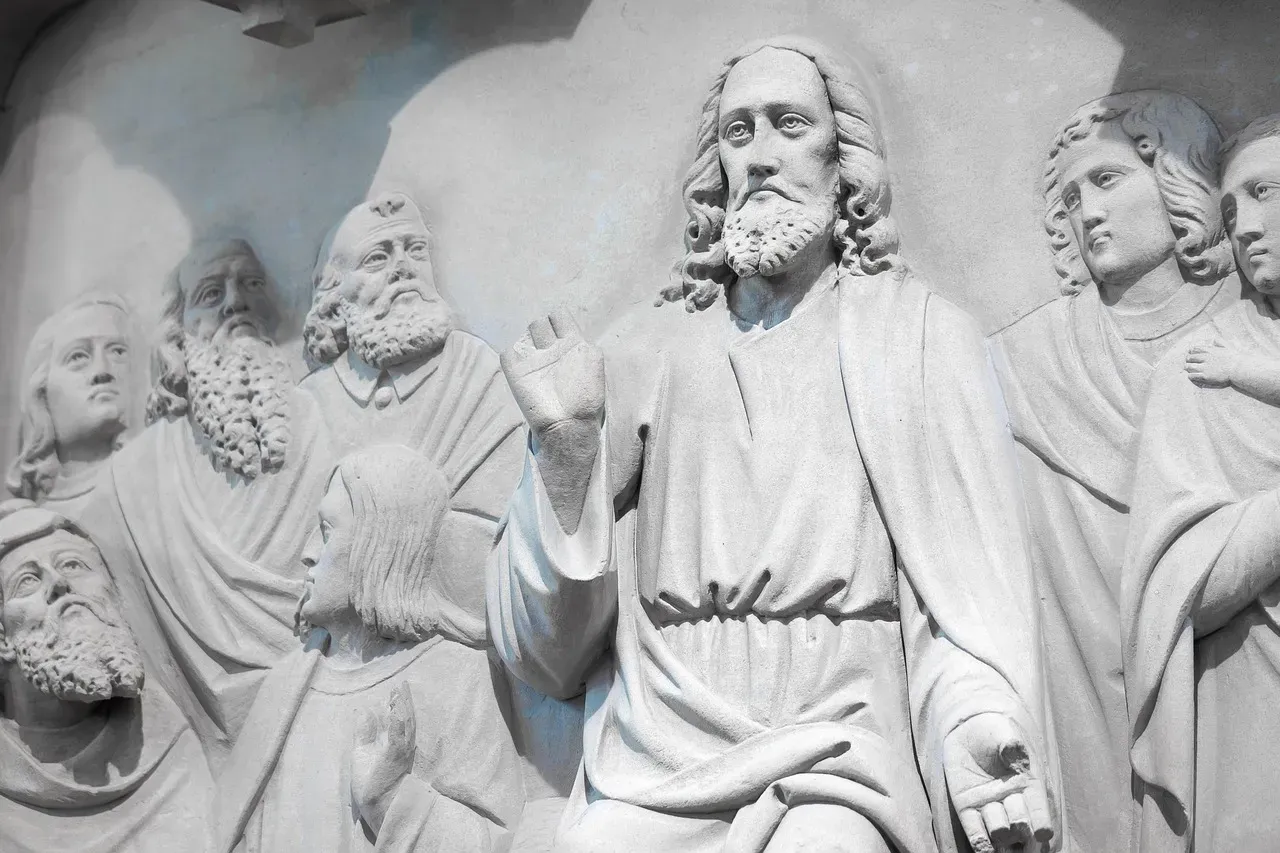
Regardless of religious belief, this speech represents a masterclass in reframing values and challenging assumptions. The Beatitudes reversed conventional wisdom about power, success, and happiness. Saying the meek would inherit the earth wasn’t just spiritual teaching; it was radical social commentary that elevated the powerless.
Leadership consultants and motivational speakers constantly reference these principles, often without realizing the source. The idea that true strength comes through humility, that giving leads to receiving, and that moral authority outweighs institutional power all trace back to this sermon. It fundamentally challenged how people thought about leadership itself.
What makes it enduringly influential is the paradoxical nature of the teachings. They create cognitive dissonance that forces listeners to reconsider assumptions. Modern thought leaders who flip conventional wisdom, claiming that less is more or that weakness is strength, are using this same rhetorical device.
Emperor Constantine’s Address at Nicaea (325 CE)

Constantine convened church leaders to settle doctrinal disputes threatening Christian unity. His speech emphasized the political necessity of religious consensus while positioning himself as a unifying force above theological details. He essentially said: I don’t care how you resolve this, but you must resolve it for the empire’s sake.
Corporate leaders managing internal conflicts between departments or factions often adopt this approach. The executive who tells warring teams “figure out your differences because we have a company to run” is channeling Constantine. He understood that sometimes leadership means forcing resolution without dictating specific terms.
The Council of Nicaea also demonstrates how leaders use convening power to shape outcomes. By controlling the setting, agenda, and participants, Constantine influenced the result without appearing to dominate the process. Savvy executives still use this technique in board meetings and strategy sessions.
Hypatia’s Lectures in Alexandria (circa 400 CE)
The philosopher and mathematician Hypatia taught publicly in Alexandria, drawing students from across the Mediterranean. Her lectures on mathematics, astronomy, and philosophy challenged both pagan and Christian orthodoxies. Though we lack exact transcripts, contemporary accounts describe her ability to make complex ideas accessible while maintaining intellectual rigor.
She represents a model of thought leadership that transcends her specific content. Hypatia taught in a male-dominated field, questioned prevailing beliefs, and prioritized rational inquiry over tradition. Modern leaders breaking barriers or challenging industry norms often cite figures like her as inspiration, even if they’ve never heard her name.
Her tragic murder by religious extremists also became a cautionary tale about the dangers leaders face when threatening established power structures. Innovation and disruption come with risks. That tension between pioneering new ideas and maintaining personal safety remains relevant for whistleblowers, activists, and disruptive entrepreneurs today.
Conclusion

These speeches endure because they tap into fundamental aspects of human psychology that haven’t changed despite technological and social evolution. Whether rallying troops, defending principles, or challenging authority, the core techniques remain effective. Ancient orators understood that logic alone rarely persuades; emotion, identity, and narrative matter more.
What’s remarkable is how often modern leaders unconsciously recreate these ancient patterns. The CEO who frames a risky decision as destiny echoes Caesar. The activist who unites disparate groups against a common enemy channels Boudica. The politician who uses ironic praise to damn opponents follows Antony’s template. These aren’t coincidences; they’re proof that certain communication strategies are timeless.
Next time you hear a compelling speech or presentation, listen for echoes of these ancient voices. You’ll probably find them. What ancient speech do you think best captures leadership today? Share your thoughts in the comments below.