


Animation has a strange kind of permanence. While actors age, shows get rebooted, and studios change hands, certain voices simply refuse to fade. There’s something oddly comforting about turning on a cartoon decades after its debut and hearing the exact same performer bring the same character to life, wrinkles and all in their vocal cords but none in the character on screen. That kind of longevity is rare even by Hollywood standards. Below are ten animated characters whose original or long-standing voice actors stuck with the role for more than three decades, a feat that says as much about the durability of these franchises as it does about the performers themselves.
1. Homer Simpson – Dan Castellaneta

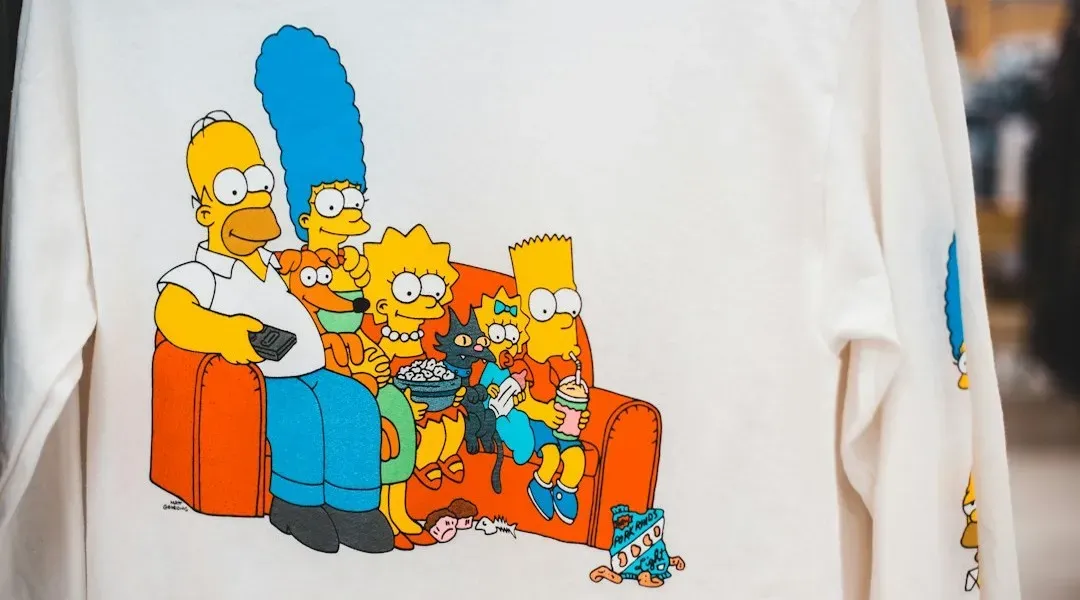
Dan Castellaneta has voiced Homer Simpson since the character’s earliest appearances on The Tracey Ullman Show, and Castellaneta, Julie Kavner, Nancy Cartwright, and Yeardley Smith all began voicing their characters on The Tracey Ullman Show before The Simpsons became its own series in 1989. That means Castellaneta has now been Homer’s voice for close to four decades, making him one of the longest-running lead voice actors in television history.
What’s notable is that Homer’s voice wasn’t originally intended to sound the way it does now. Homer’s voice began as a loose impression of Walter Matthau, but Castellaneta could not “get enough power behind that voice” and could not sustain his Matthau impression for the nine to ten hour recording sessions. The gruffer, more elastic voice that emerged instead became one of the most recognizable sounds in animation.
2. Marge Simpson – Julie Kavner

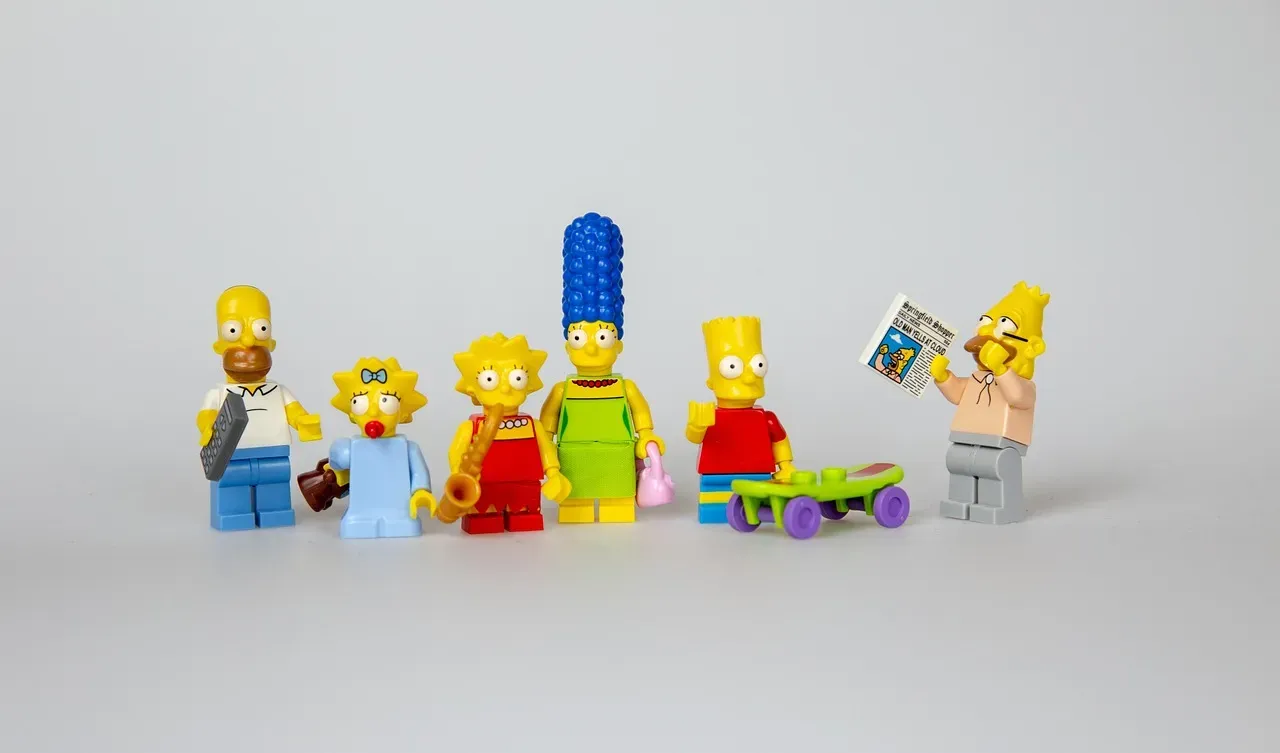
Julie Kavner has been the voice of Marge Simpson for the same stretch of time as her castmate Castellaneta, having started on The Tracey Ullman Show shorts before the family moved to its own half hour series. The producers didn’t go looking for a professional voice cast when the shorts needed dialogue; instead producers asked Castellaneta and fellow cast member Julie Kavner to voice Homer and Marge Simpson respectively, rather than hire more actors.
That casual, almost accidental beginning turned into one of the steadiest jobs in entertainment. Kavner’s distinctively raspy, patient delivery has remained the emotional anchor of the Simpson household through hundreds of episodes spanning multiple decades, with no indication of a replacement voice at any point along the way.
3. Bart Simpson – Nancy Cartwright

Nancy Cartwright is the only member of the original Simpsons voice cast who came in with formal training as a voice actor. She began voicing her character on The Tracey Ullman Show, and was the only one of the group who had been trained to be a voice actor, while Castellaneta had done some voice over work in Chicago.
Her performance as Bart, all mischief and catchphrases, has barely wavered in tone since 1989. It’s a testament to how well the original casting worked that a character built around childhood rebellion has sounded essentially unchanged for well over thirty years.
4. Lisa Simpson – Yeardley Smith
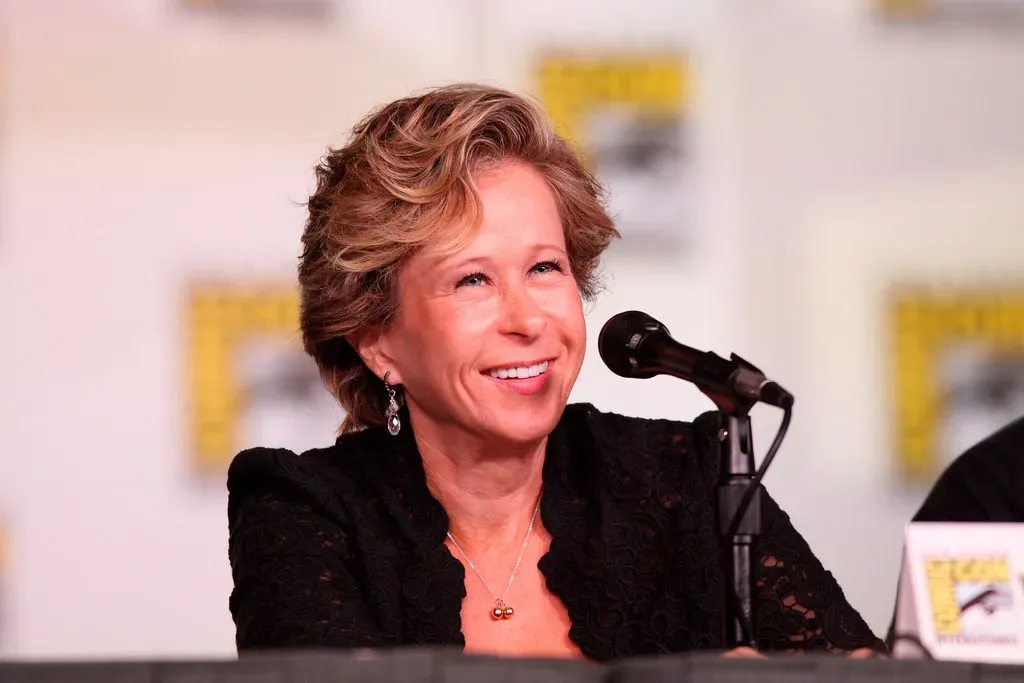
Yeardley Smith rounds out the four original Simpson family voices who have stayed with the show since its Tracey Ullman origins. Like her castmates, she has voiced Lisa continuously since the character first appeared in animated shorts in the late 1980s, well before The Simpsons became a standalone series in 1989.
Smith’s voice for Lisa, earnest, a little nasal, endlessly curious, has become inseparable from the character’s identity as the show’s moral conscience. Few actors get the chance to grow up alongside a fictional child for this long while the character herself never ages past eight years old.
5. Optimus Prime – Peter Cullen

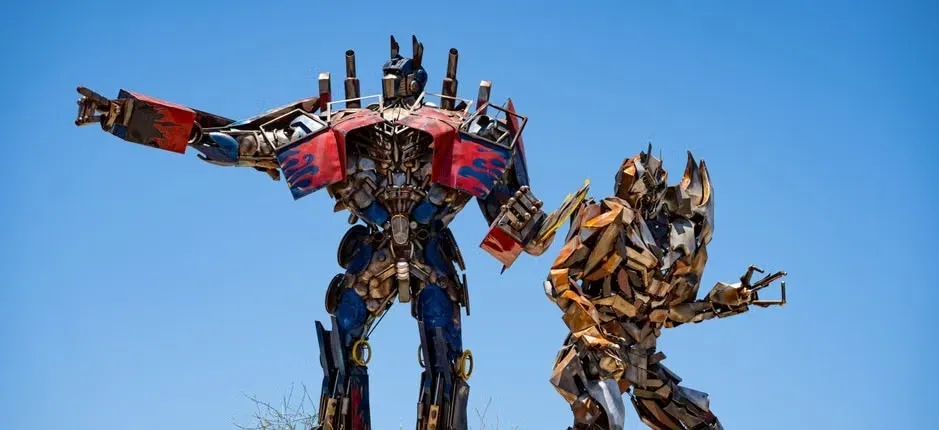
Peter Cullen created one of animation’s most instantly recognizable voices when he took on Optimus Prime for the original Transformers cartoon. Cullen got the job and voiced the honorable leader of the Autobots for the first time on the 1984-87 syndicated series The Transformers, and the character’s death partway through the run caused such an outcry that producers brought both Cullen and Optimus back for a follow-up film.
Cullen’s connection to the role stretched across decades and multiple eras of the franchise, including the Michael Bay film series that began in 2007. When director Michael Bay resurrected the property for the big screen with DreamWorks’ Transformers in 2007, it was a no-brainer to rehire Cullen after two decades away. Cullen passed away in August 2026 at age 85, closing out a run with the character that spanned over forty years, one of the longest single-character tenures in animation history.
6. Fred Jones – Frank Welker

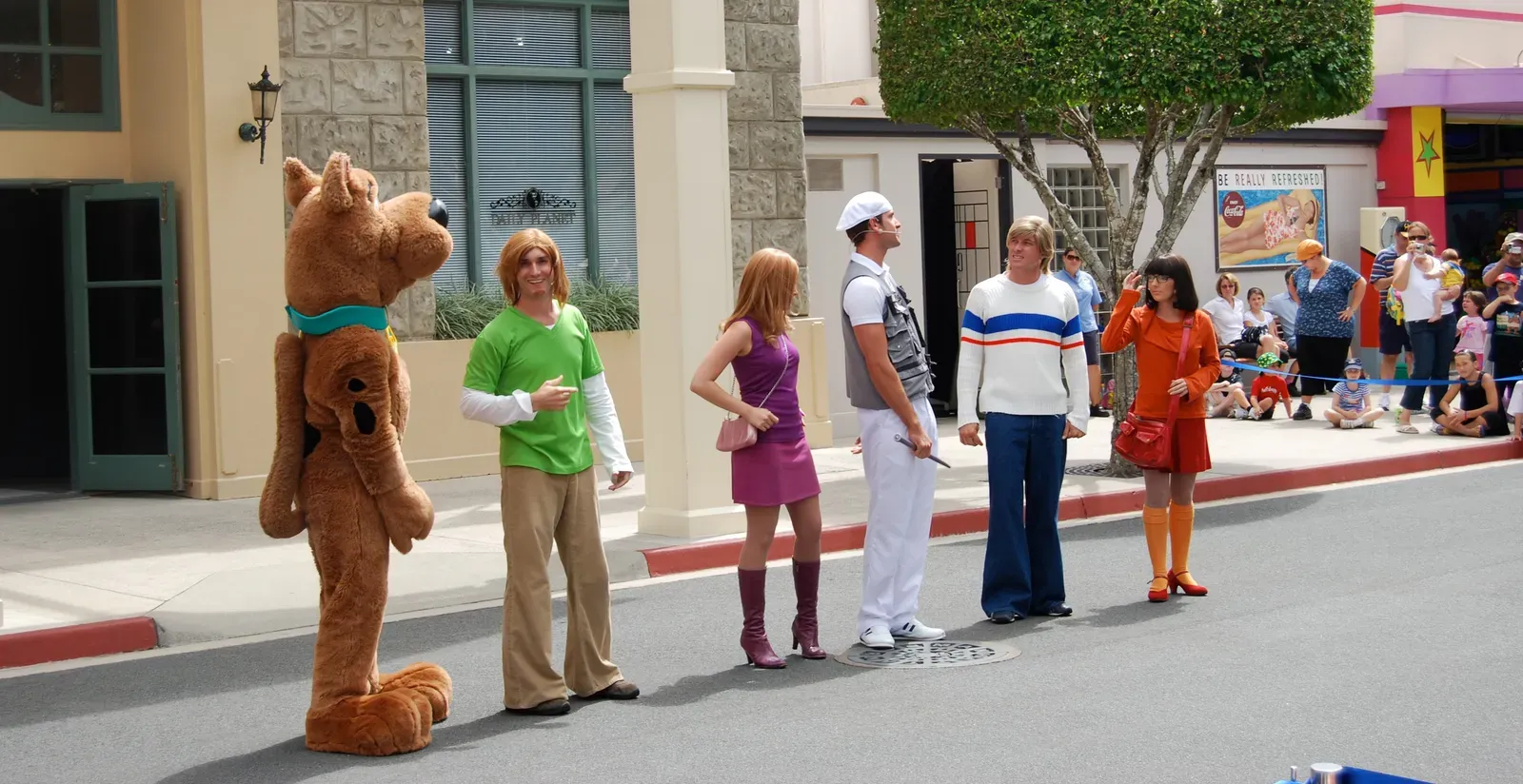
Frank Welker’s connection to Scooby-Doo is essentially as old as the franchise itself. Fred has been primarily voiced by Frank Welker since the character’s inception in 1969, a run that has now lasted more than fifty five years across nearly every iteration of the show.
Welker landed the role as a young, largely untested performer. In 1969, the then-23-year-old voiceover novice landed the role of Scooby-Doo’s ascot-wearing sleuth-in-chief, Fred Jones, and he has remained attached to the character through every reboot, film, and spin-off since. He’s widely regarded as the only original cast member still actively involved with the franchise today.
7. Scooby-Doo – Frank Welker

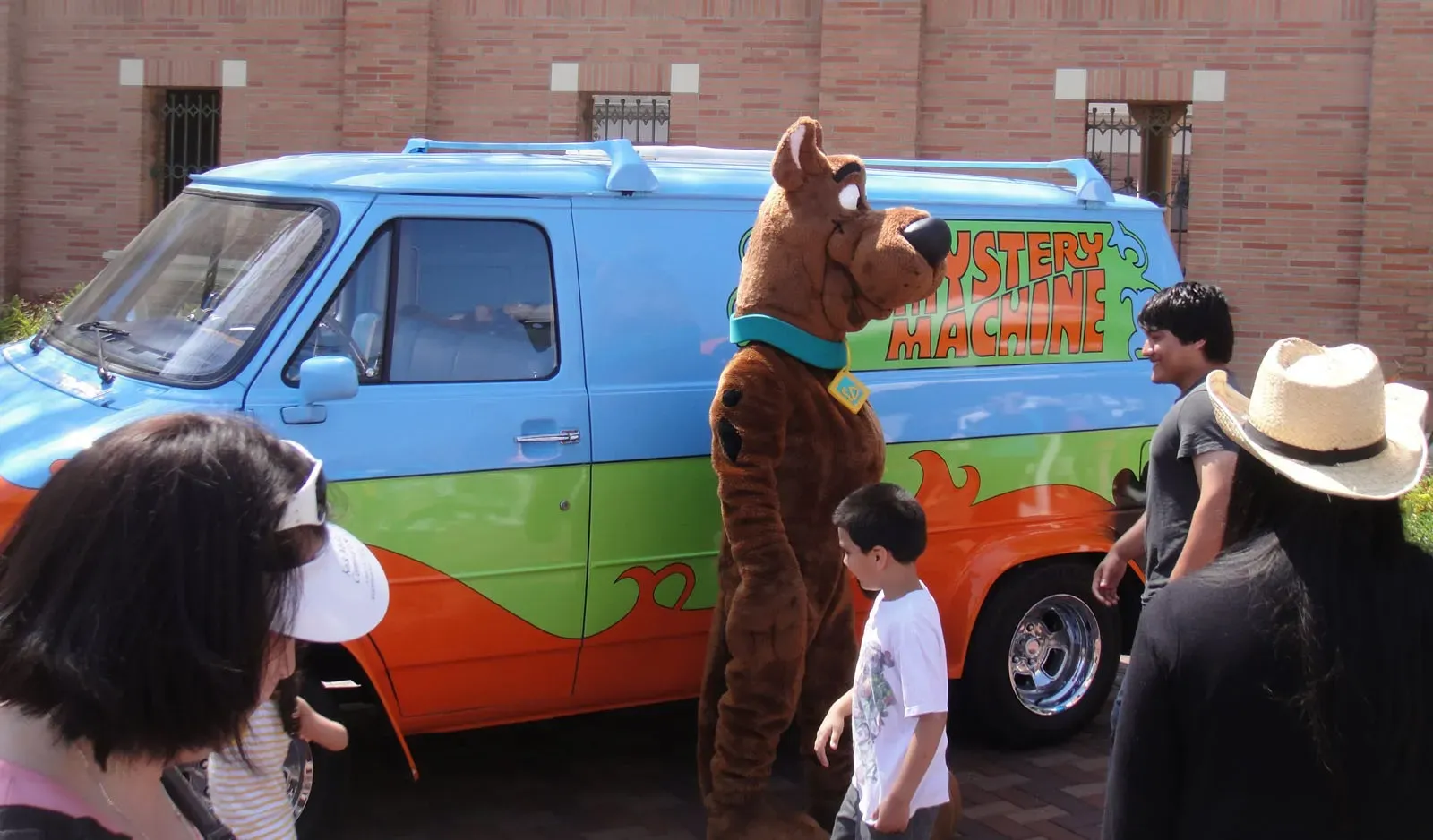
Welker’s ties to the franchise run even deeper than Fred Jones. After Don Messick, the original voice of Scooby-Doo, passed away, Welker stepped into the role himself. Welker voiced Fred Jones from the Scooby-Doo franchise since its inception in 1969 and later Scooby-Doo himself since 2002, giving him two long-running characters within the same show.
While his tenure as Scooby specifically is shorter than his run as Fred, it still crosses the two decade mark and continues to grow. Combined, his history with the franchise makes him arguably the most durable voice actor attached to any single animated property in television history.
8. Winnie the Pooh – Jim Cummings

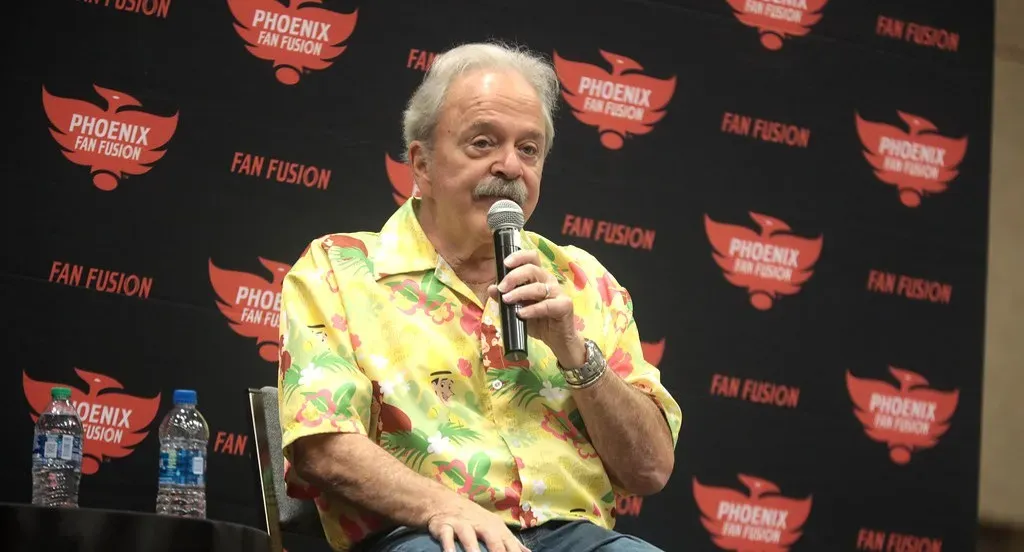
Jim Cummings took over as the voice of Winnie the Pooh in the late 1980s, stepping into a role originally created by Sterling Holloway. Since then Cummings has voiced the honey-loving bear across television series, direct to video films, theatrical features, and theme park attractions, a run that now stretches close to four decades.
Cummings has often appeared alongside fellow long-tenured Disney voice actors at fan conventions and studio anniversaries, a reflection of how many of these Disney character voices have stayed remarkably stable since the late 1980s. His warm, unhurried delivery has become just as central to the character as the honey pot itself.
9. Donald Duck – Tony Anselmo

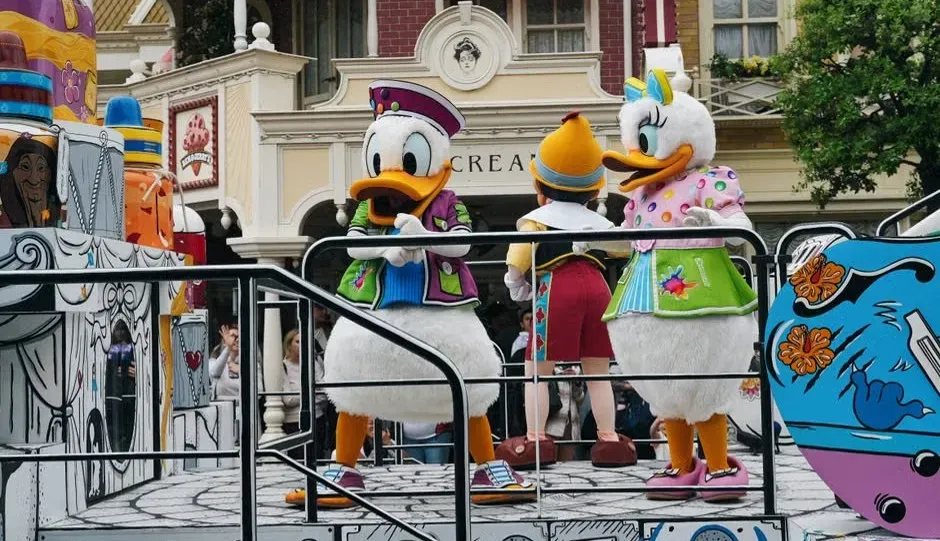
Tony Anselmo inherited one of animation’s most demanding vocal roles after the death of Clarence Nash, the original voice of Donald Duck. He has been the official character voice of Donald Duck since 1985 following the death of the original voice actor, Clarence Nash, and he trained directly under Nash before taking over.
Anselmo’s apprenticeship was unusually personal for an animation role. After Clarence Nash’s death in 1985, Anselmo succeeded him as the voice of Donald Duck, having been apprenticed by Nash for the role during the last three years of the former’s life. That mentorship has paid off in a run now well past forty years, making Anselmo one of the most enduring character voices in the Disney library.
10. Goofy – Bill Farmer

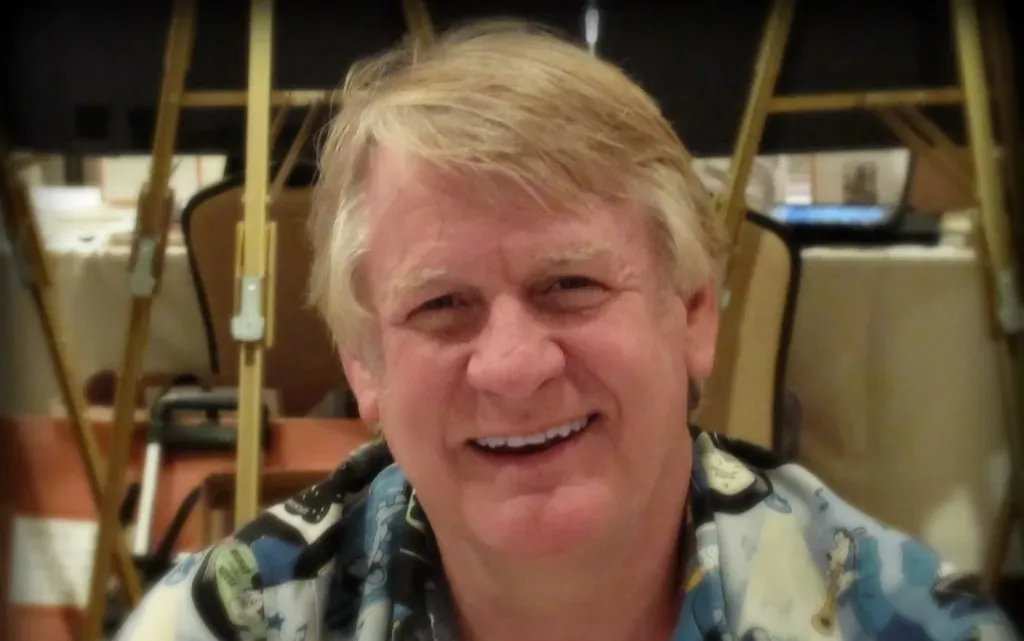
Bill Farmer became the voice of Goofy in 1987, taking over a character originally defined by Pinto Colvig decades earlier. For Disney, he is best known for being the current voice of Goofy since 1987, and he built the performance by studying Colvig’s original laugh and vocal mannerisms closely before landing the part.
Farmer’s first professional voice audition happened to be for the role that would define his career. In college, he found work in radio and TV and then moved on to stand up comedy as an impressionist until he moved out to Hollywood, where he began voicing Goofy in January 1987. Almost forty years later, he remains the character’s voice across new Disney productions, animated shorts, and public appearances.
These ten performers represent a fairly small club. Voicing an animated character for three decades or more requires not just talent but a rare kind of institutional stability, shows that keep running, franchises that keep getting revived, and studios willing to stick with the same actor rather than recast for a fresher sound. In an industry that usually prizes novelty, these voices have become something closer to tradition.

