There’s a particular kind of magic in a first line that does all the heavy lifting. Some openings set a tone so precise you could pick the book out of a lineup blindfolded, even decades after you last read it. Others work more quietly, planting a seed that only blooms once you’ve finished the story. Below are ten opening lines that have earned their place in literary memory, some famous enough to be instantly recognizable, others just distinctive enough to test your recall. See how many you can place before checking the reveal.
1. “It was the best of times, it was the worst of times”
This is arguably the most recognizable opening in English literature, a rhythmic, almost hypnotic list of contradictions that stretches on for a full paragraph before finally naming its setting. The sentence works because it refuses to settle, mirroring the historical chaos the story is about to describe.
The novel is Charles Dickens’s A Tale of Two Cities, published in 1859. Dickens sets the stage for revolutionary France and England by establishing that the era contained everything at once, wisdom and foolishness, hope and despair, making the line as much a thesis statement as an introduction.
2. “Call me Ishmael”
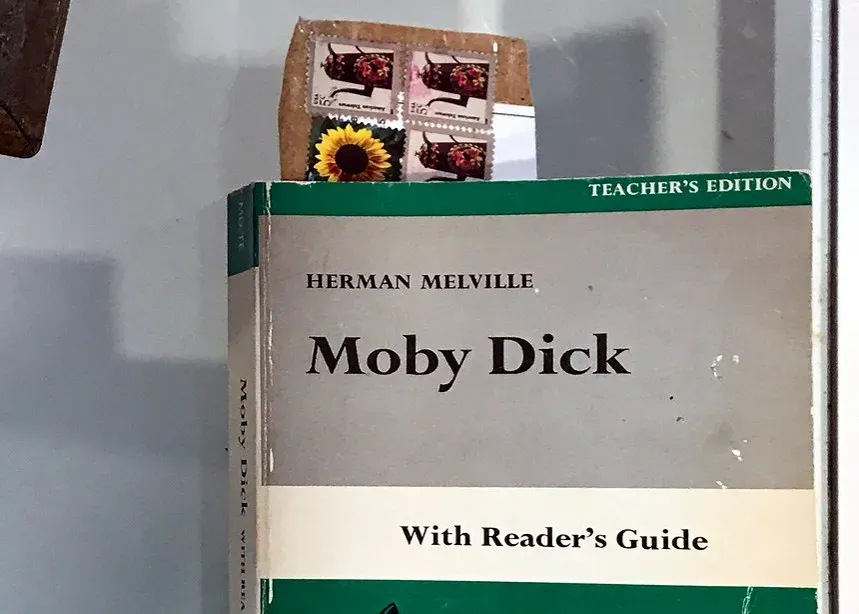
Three words, and yet entire university courses have been built around unpacking them. The narrator doesn’t explain who he is or why the name matters, he simply invites you to use it, which is a strange kind of intimacy for a book that spans hundreds of pages of whaling detail.
This is the opening of Herman Melville’s Moby-Dick, first published in 1851. The line’s brevity is deliberate, a sharp contrast to the sprawling, digression-heavy prose that follows, and it has become shorthand in American literature for a certain kind of restless, searching narrator.
3. “It is a truth universally acknowledged, that a single man in possession of a good fortune, must be in want of a wife”
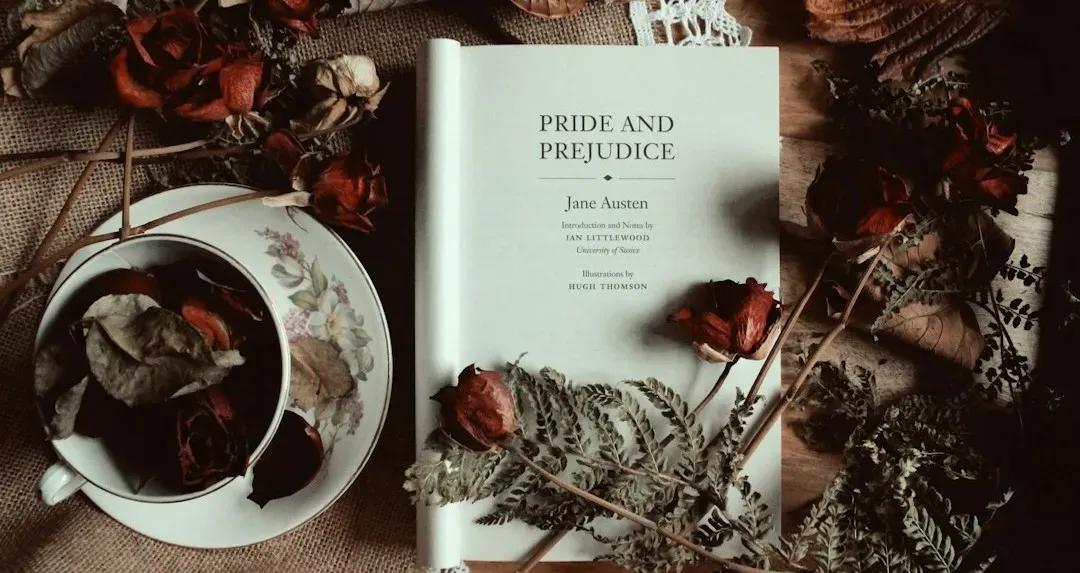
Jane Austen’s narrator states this with such confidence that readers often miss, on a first pass, that the whole sentence is gently mocking the society it describes. It reads like a fact but functions like satire, setting the tone for a novel obsessed with marriage, money, and social maneuvering.
This is the opening of Pride and Prejudice, published in 1813. The irony embedded in that first sentence carries through the entire book, as Austen repeatedly shows how little “universal truths” hold up once real people and real feelings get involved.
4. “It was a bright cold day in April, and the clocks were striking thirteen”

Everything about this sentence feels almost normal until that last detail lands. A bright day, a cold snap, nothing unusual, and then a clock striking a number that shouldn’t exist, quietly signaling that the world of this book runs on different rules.
This is the first line of George Orwell’s Nineteen Eighty-Four, published in 1949. The unsettling detail of the thirteenth strike has become a small, famous example of how a single word can destabilize an entire scene without a single explanation.
5. “All happy families are alike; each unhappy family is unhappy in its own way”

Leo Tolstoy opens with a claim that sounds almost like a proverb, tidy and universal, before spending the rest of the novel complicating it. The sentence promises a kind of order that the story itself will spend hundreds of pages dismantling.
This is the opening line of Anna Karenina, first published in installments between 1875 and 1877. It’s often cited as one of the most analyzed opening statements in world literature, largely because the novel doesn’t simply illustrate the idea, it questions whether such a tidy division between happy and unhappy families even holds.
6. “In the beginning God created the heaven and the earth”

Not a novel in the traditional sense, but a text so foundational to Western storytelling that its opening rhythm has shaped countless writers who followed. The simplicity of the line, subject, verb, object, gives it a weight that more elaborate prose often can’t match.
This is the opening of the Book of Genesis, and its structure, short declarative sentences building toward something vast, has influenced literary openings for centuries, including several other entries on lists like this one. Writers from Hemingway to Cormac McCarthy have cited biblical cadence as an influence on their own spare, declarative styles.
7. “It was the day my grandmother exploded”
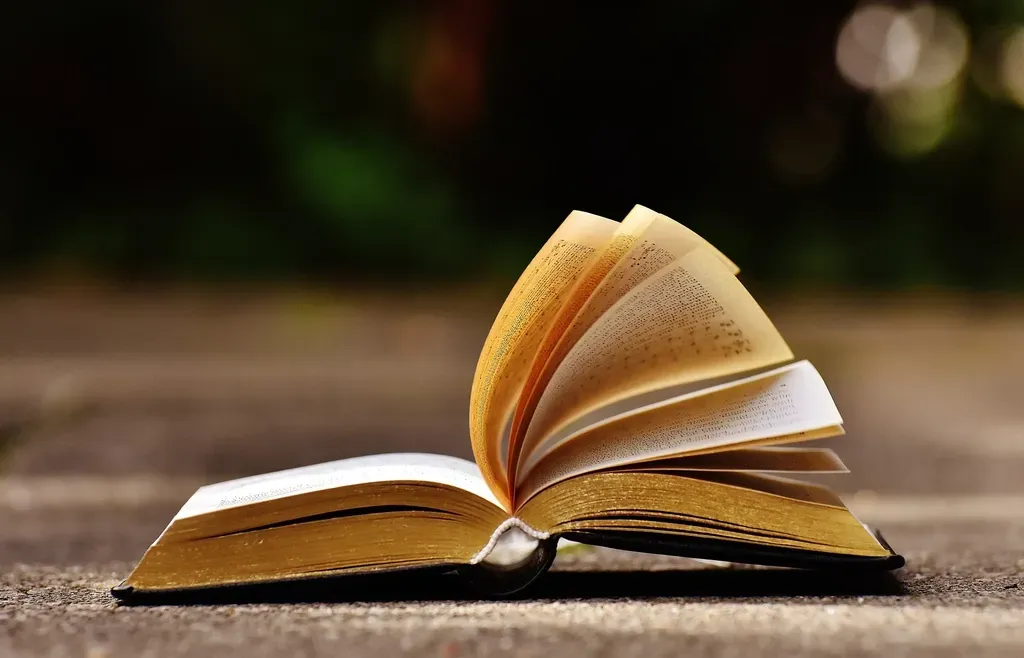
Unlike the quieter, more measured openings elsewhere on this list, this one grabs you by sheer absurdity and refuses to let go. There’s no way to read that sentence and not want to know what happens next, which is precisely the point of a strong opening hook.
This is the first line of Iain Banks’s The Crow Road, published in 1992. The shocking image is deliberately literal rather than metaphorical, and Banks spends the rest of the novel working backward and forward from that startling moment to build a family saga around it.
8. “You better not never tell nobody but God”
Written in dialect and stripped of formal grammar, this opening line signals immediately that the story will be told in the voice of someone whose language has been shaped by hardship, isolation, and survival rather than schooling. The sentence structure alone tells you more about the narrator than a paragraph of description could.
This is the opening line of Alice Walker’s The Color Purple, published in 1982. The novel, told largely through letters, won the Pulitzer Prize for Fiction in 1983, and that raw, unfiltered first line remains one of the most distinctive openings in modern American fiction.
9. “Many years later, as he faced the firing squad, Colonel Aureliano Buendía was to remember that distant afternoon when his father took him to discover ice”

This sentence somehow contains a death sentence, a childhood memory, and a strange, almost magical detail all at once, compressing decades of a life into a single breath. It jumps in time so casually that readers often have to reread it just to register what actually happened.
This is the opening of Gabriel García Márquez’s One Hundred Years of Solitude, published in 1967. The line is frequently held up as a defining example of magical realism, blending the mundane, ice, with the extraordinary, a firing squad, in a way that feels entirely natural within the story’s logic.
10. “It was a pleasure to burn”

Four words that manage to be both lyrical and disturbing, describing an act of destruction as if it were a sensory delight. The contradiction between the word “pleasure” and the act of burning immediately unsettles the reader, hinting at a world where something has gone deeply wrong.
This is the opening line of Ray Bradbury’s Fahrenheit 451, published in 1953. The sentence sets up the novel’s central image, a fireman who burns books rather than saves them, and the eerie satisfaction in that opening line foreshadows just how normalized this destruction has become in the story’s society.
Some of these lines are so embedded in cultural memory that even people who haven’t read the books can recognize them. Others reward close attention, revealing their full cleverness only in hindsight, once the rest of the novel has filled in the picture the sentence started sketching. Either way, a strong opening line does more than introduce a story, it makes a promise about what kind of story it’s going to be.