There’s a particular kind of debate that never really settles among readers and movie fans alike: should you watch the film first, or crack open the book? Some swear by reading the source material before the credits roll, arguing it preserves the author’s original vision. Others prefer walking into the theater with a blank slate, letting the film surprise them before they ever turn a page. Below are ten adaptations where the order you experienced them in probably shaped how you felt about the whole thing. Some of these films are so iconic that plenty of viewers never even realized a book existed first.
1. The Godfather
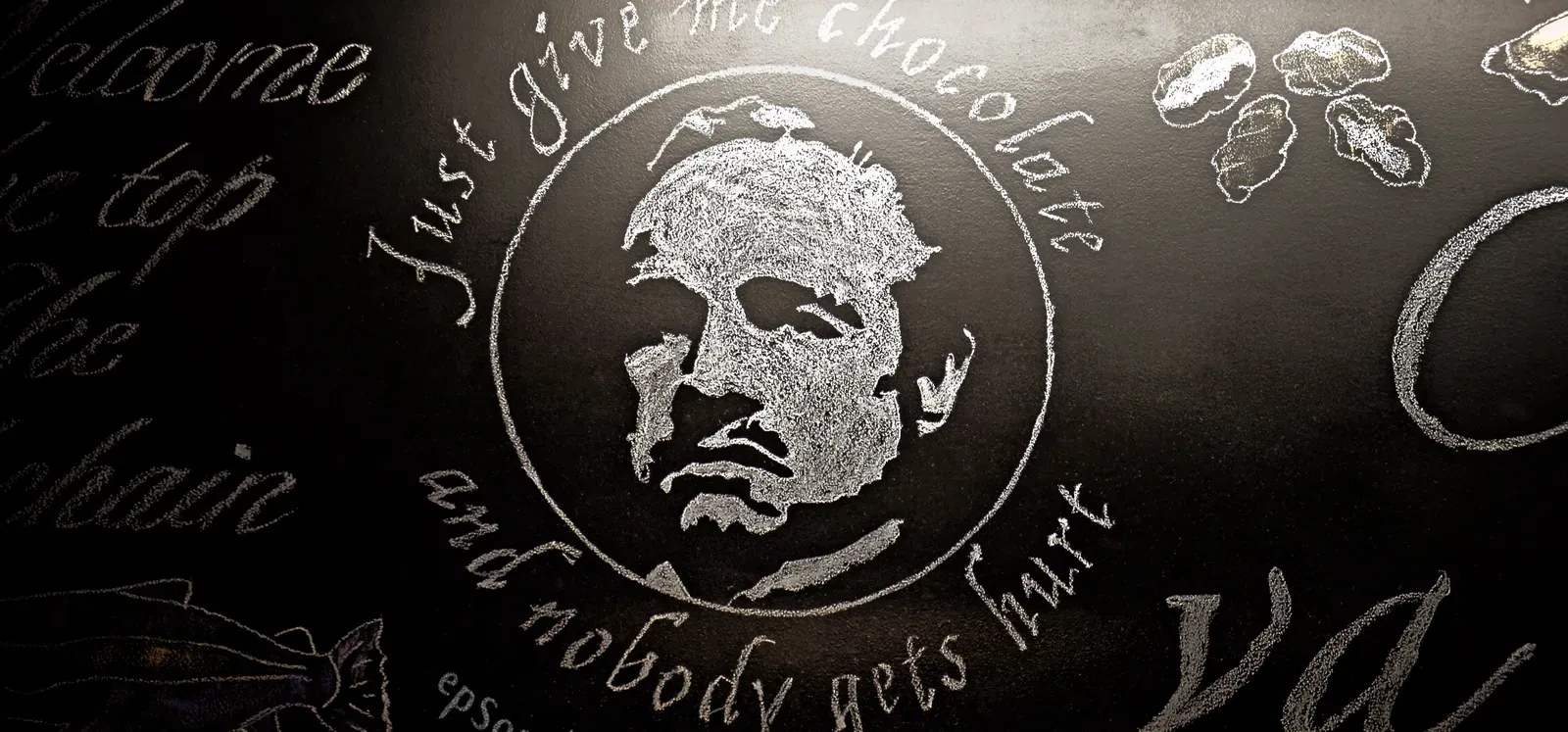
Mario Puzo’s 1969 novel was already a commercial sensation, selling millions of copies before Francis Ford Coppola ever picked up a camera. Yet the 1972 film adaptation eclipsed the book so thoroughly in cultural memory that many people are surprised to learn the source material exists at all. Puzo actually co-wrote the screenplay with Coppola, which helped keep the tone consistent between page and screen.
For those who saw the movie first, the novel often feels like a deeper dive into backstory, particularly around characters like Johnny Fontane and Lucy Mancini, whose subplots were trimmed or cut entirely for pacing. Readers who came to the book afterward frequently note that Marlon Brando’s performance as Vito Corleone becomes impossible to separate from the character on the page. The film’s dominance in American cinema history means most audiences today encounter Coppola’s version long before they’d think to seek out Puzo’s original text.
2. Jaws
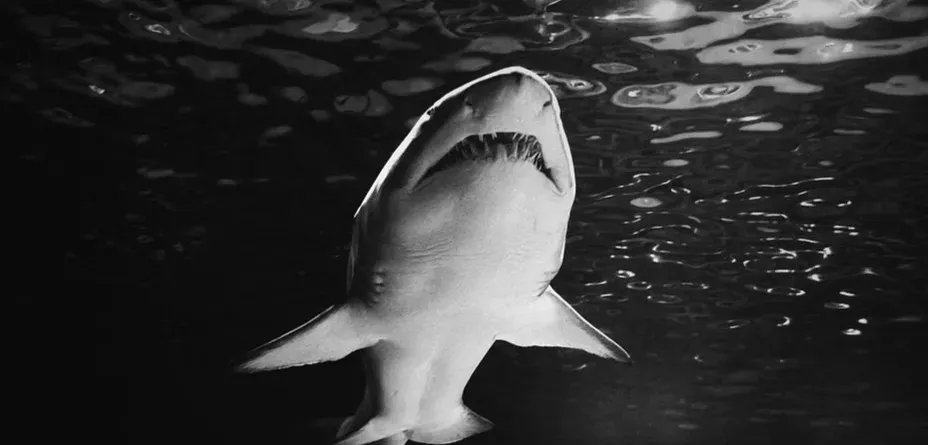
Peter Benchley published his novel in 1974, and it became a bestseller almost immediately, but Steven Spielberg’s 1975 film adaptation turned it into a cultural phenomenon that redefined the summer blockbuster. Spielberg reportedly disliked several subplots in the book, including an affair between Ellen Brody and Matt Hooper, and cut them from the screenplay entirely. That decision streamlined the story into the tighter, more suspenseful narrative most people recognize today.
Audiences who watched the film first and later read the novel are often struck by how different the tone is, with the book leaning more into small-town drama and less into pure suspense. The mechanical shark, nicknamed Bruce during production, became such a technical challenge that its frequent malfunctions actually forced Spielberg to rely on suggestion rather than full reveals, a choice that heightened tension in ways the book never attempted. This gap between the two versions is part of why so many viewers assume the movie is the definitive original story.
3. Forrest Gump
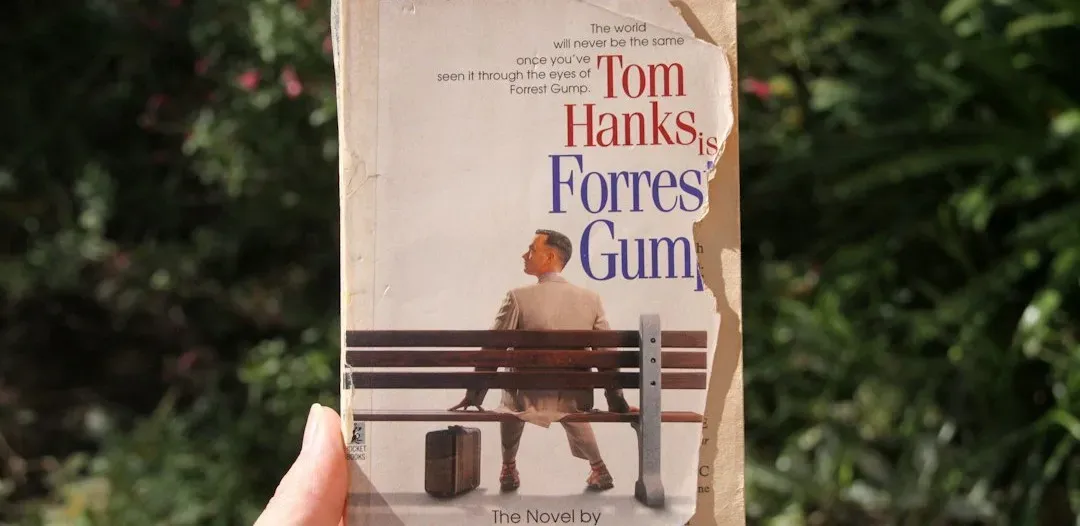
Winston Groom’s 1986 novel introduced a very different Forrest than the one Tom Hanks brought to life in 1994. The literary version is more cynical, occasionally profane, and involved in stranger subplots, including a stint as an astronaut and a wrestling career, none of which made it into Robert Zemeckis’s film. The movie softened Forrest’s character considerably, emphasizing sincerity and emotional warmth over satire.
Viewers who saw the film first are often caught off guard by the novel’s sharper, more irreverent tone, since Hanks’s portrayal has become so synonymous with gentle earnestness. The film won six Academy Awards, including Best Picture, cementing its place in popular culture far beyond what the book achieved on its own. Groom has spoken about the adaptation taking creative liberties, though the film’s massive success brought renewed attention to his original novel.
4. The Shining
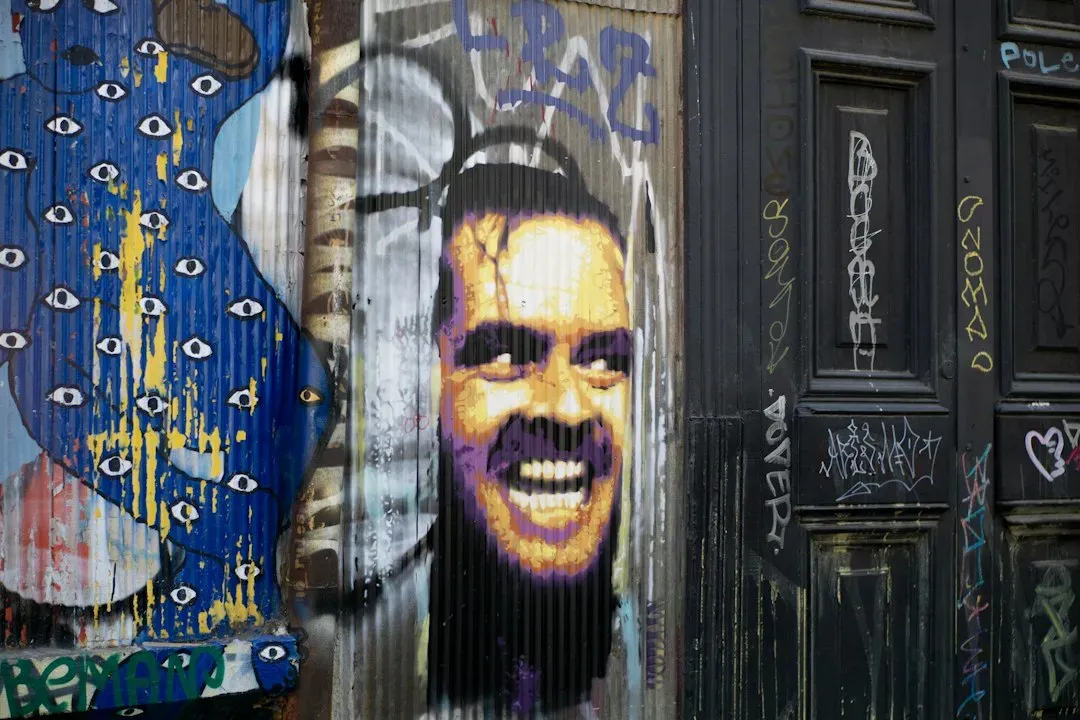
Stephen King’s 1977 novel and Stanley Kubrick’s 1980 film adaptation are famously, almost legendarily, different from one another, to the point where King has publicly criticized the movie for years. The book leans into supernatural horror tied closely to Jack Torrance’s alcoholism and personal redemption arc, while Kubrick’s version strips away much of that psychological nuance in favor of atmospheric dread. Jack Nicholson’s performance is widely considered iconic, but it diverges sharply from the more sympathetic character King wrote.
Readers who watch the film before picking up the book are often surprised by how much warmth exists in the novel’s version of the Torrance family, a quality largely absent from Kubrick’s colder, more detached approach. King was so unhappy with the adaptation that he helped produce a 1997 television miniseries intended to be more faithful to his original text. This ongoing tension between author and filmmaker makes the Shining a particularly interesting case study in how adaptation choices can create two almost entirely separate stories sharing the same title.
5. Fight Club
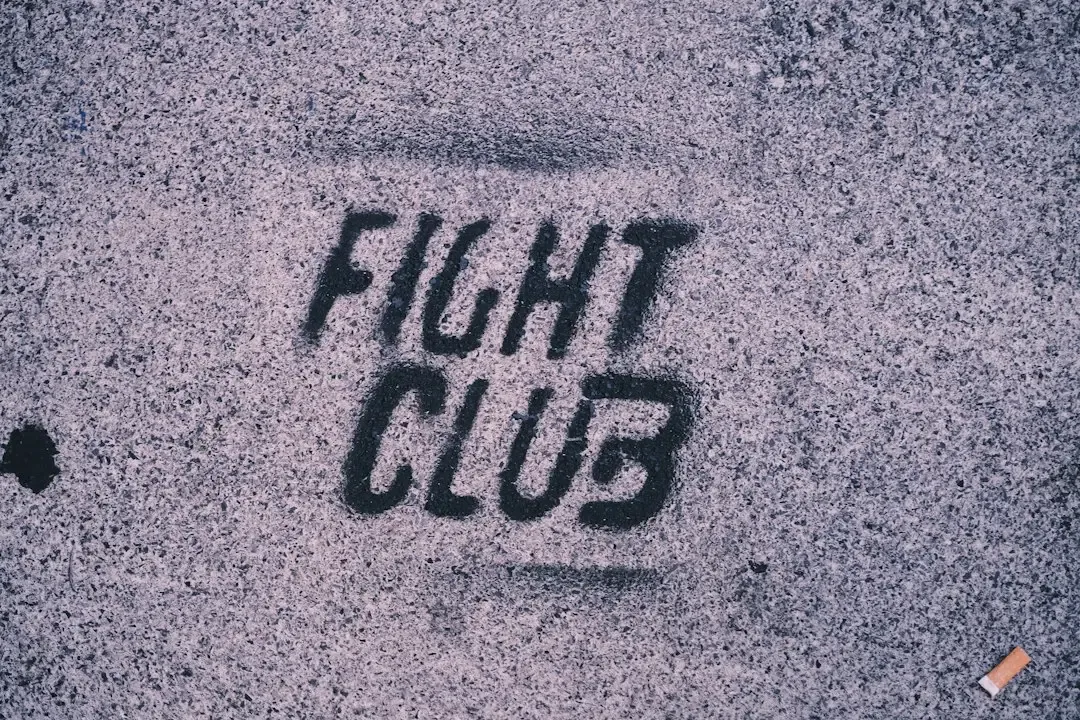
Chuck Palahniuk’s 1996 novel had a modest following before David Fincher’s 1999 film adaptation turned it into a defining piece of late-nineties cinema. The film actually expanded on certain themes from the book, and Palahniuk himself has said he preferred the movie’s ending, which was created specifically for the screen and differs from the novel’s conclusion. This is a rare instance where the author publicly favored the adaptation over his own original work.
Audiences who saw the film first often find the book’s prose style jarring, since Palahniuk’s minimalist, repetitive sentence structure creates a very different reading experience compared to Fincher’s visually driven storytelling. The movie’s stylistic choices, including its now-famous twist involving the narrator and Tyler Durden, were already present in the novel, but Fincher’s direction amplified the disorientation in ways unique to film. Sales of the novel reportedly increased significantly after the movie’s release, introducing Palahniuk to a much wider readership.
Partner offer
6. No Country for Old Men
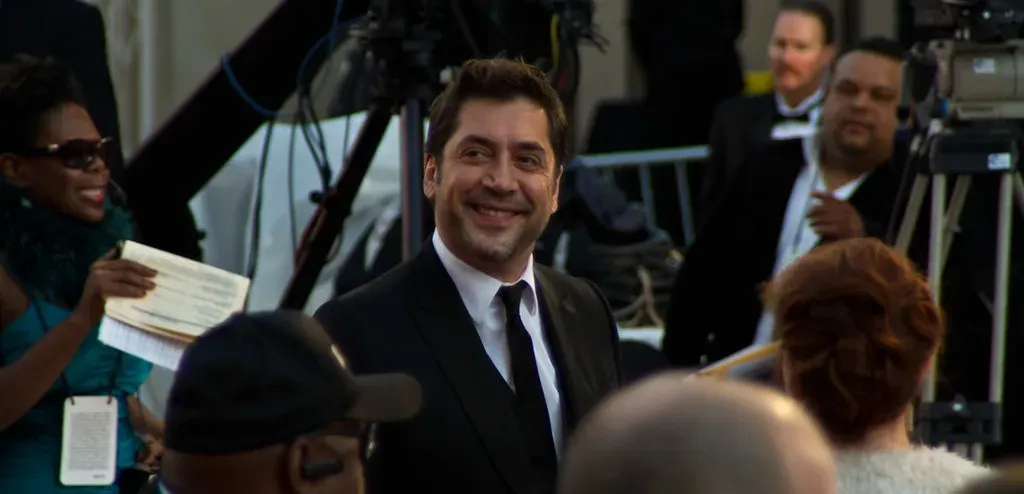
Cormac McCarthy’s 2005 novel was adapted almost line for line by the Coen brothers in their 2007 film, which went on to win four Academy Awards including Best Picture. The dialogue in the movie is drawn directly from McCarthy’s spare, unadorned prose, making this one of the more faithful adaptations on this list. Javier Bardem’s portrayal of Anton Chigurh became so widely recognized that many viewers associate the character more with the film than with the source text.
For those who watched the movie before reading the novel, the transition to the book often feels seamless, since the Coens preserved McCarthy’s structure, pacing, and even significant portions of dialogue almost verbatim. This faithfulness is somewhat unusual among major literary adaptations, where studios frequently rework endings or simplify plot lines for broader audiences. McCarthy’s ambiguous, unresolved conclusion remained intact in the film, a decision that surprised some viewers expecting a more conventional Hollywood wrap-up.
7. The Hunger Games
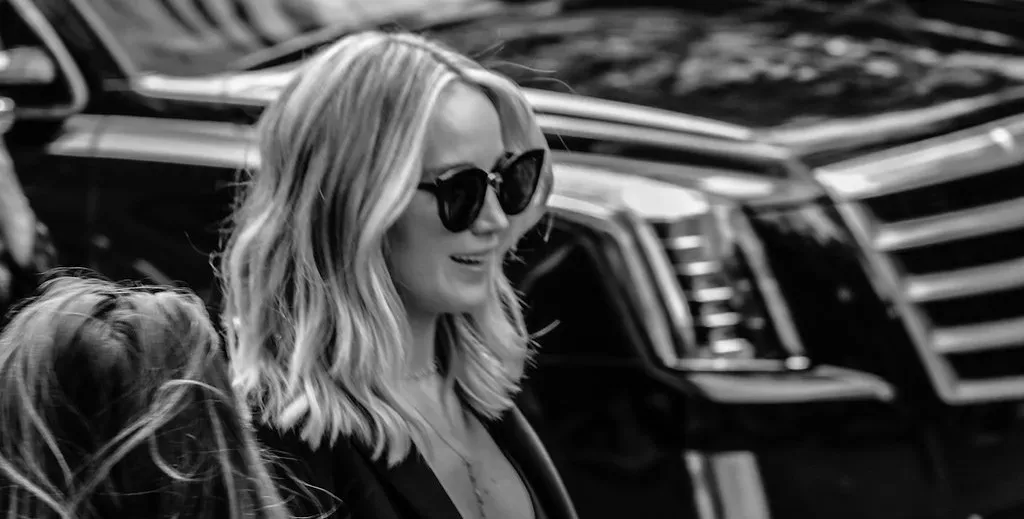
Suzanne Collins’s 2008 novel was already a massive young adult bestseller by the time Gary Ross directed the 2012 film adaptation starring Jennifer Lawrence. The franchise eventually expanded into four films, with the final book split into two parts, a common studio strategy during that era for capitalizing on established fan bases. Collins was closely involved in the screenwriting process, which helped maintain narrative consistency between the books and their cinematic counterparts.
Viewers who watched the films first often find the novels offer more internal monologue from protagonist Katniss Everdeen, since the book is written in first-person present tense, a perspective that’s difficult to replicate visually. The series’ prequel, The Ballad of Songbirds and Snakes, released as both a novel and film years after the original series concluded, extending the franchise’s reach into 2023 and beyond. This ongoing expansion keeps introducing new audiences to the original books through the lens of the films rather than the other way around.
8. Gone Girl
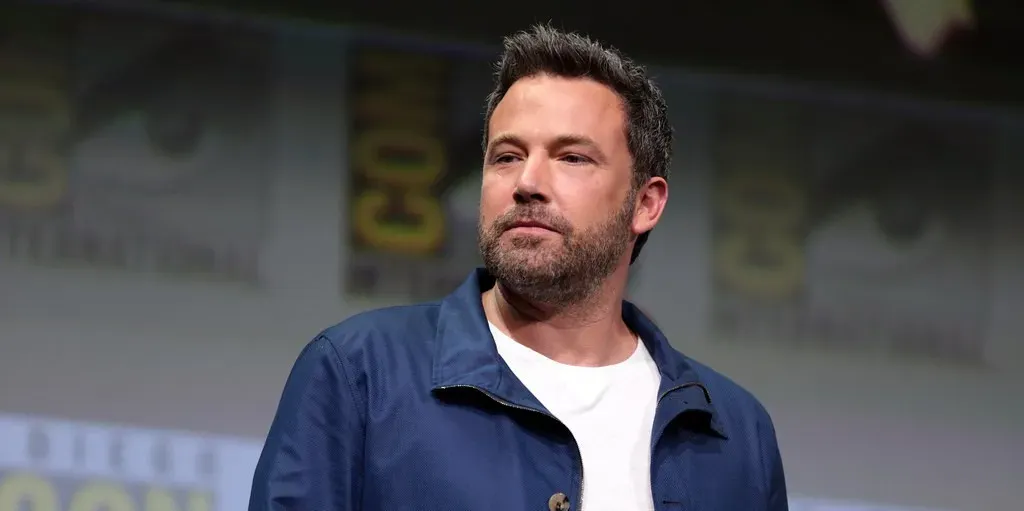
Gillian Flynn’s 2012 novel was a psychological thriller sensation, and she wrote the screenplay herself for David Fincher’s 2014 film adaptation, ensuring the story’s twists translated effectively to screen. The film starred Rosamund Pike and Ben Affleck, with Pike earning an Academy Award nomination for her portrayal of Amy Dunne. Flynn’s direct involvement meant the adaptation stayed remarkably close to the source material’s structure and shocking midpoint reveal.
Those who saw the film before reading the book often say the twist lands with similar impact either way, a rarity for thrillers where prior knowledge of the ending typically diminishes suspense on a second pass. The novel’s dual narrative structure, alternating between Nick and Amy’s perspectives, was preserved in the film through voiceover and flashback techniques. This close collaboration between author and director is frequently cited as a reason the adaptation avoided the common pitfalls of translating unreliable narrators to screen.
9. Life of Pi
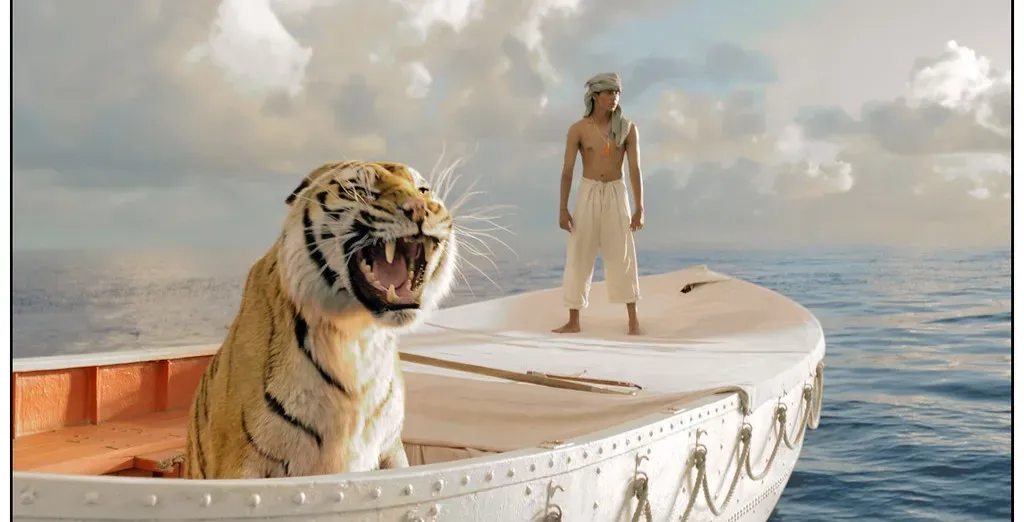
Yann Martel’s 2001 novel won the Booker Prize and was long considered nearly impossible to adapt due to its heavy reliance on internal narration and abstract themes of faith and survival. Ang Lee’s 2012 film adaptation used groundbreaking visual effects to bring the story of a boy stranded with a tiger to life, winning four Academy Awards including Best Director. The film’s technical achievements were widely praised, particularly its rendering of the tiger, Richard Parker, which was almost entirely computer generated.
Readers who saw the film first often approach the novel expecting a similar visual spectacle, only to find the book leans more heavily into philosophical reflection and ambiguity about which version of Pi’s story is true. The film retained this ambiguity in its final act, presenting two possible narratives and letting the audience decide which to believe, a structural choice pulled directly from Martel’s text. This shared uncertainty between the two versions is part of why the adaptation is often cited as one of the more thoughtful translations of literary theme into visual language.
10. The Martian
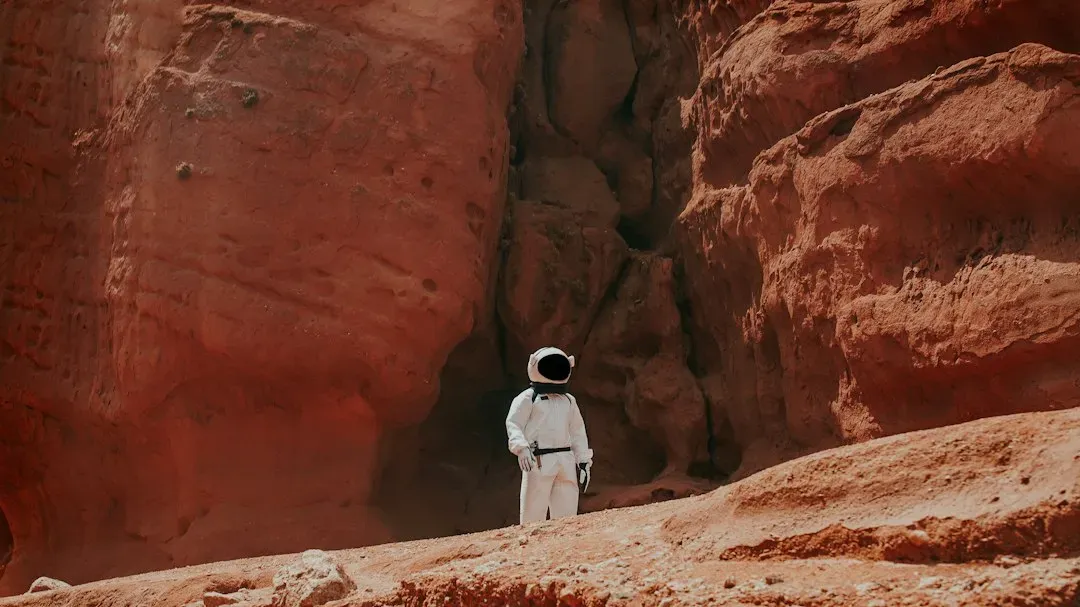
Andy Weir originally self-published his novel in 2011 before it was picked up by a major publisher, and Ridley Scott’s 2015 film adaptation starring Matt Damon turned it into a global box office hit. The story’s heavy reliance on technical problem-solving and scientific accuracy made it an unusual candidate for a big-budget film, yet the adaptation succeeded by keeping much of the book’s procedural detail intact. Weir’s background in software engineering influenced the novel’s meticulous attention to orbital mechanics and survival logistics, elements the film worked hard to preserve.
Viewers who watched the movie first often find the novel’s humor translates surprisingly well to the page, since protagonist Mark Watney’s sarcastic log entries were a defining feature of both versions. The film simplified some of the more technical passages for pacing, but it retained the core structure of Watney documenting his survival strategies in real time. This balance between accessibility and accuracy is often credited with the story’s crossover appeal to audiences who don’t typically gravitate toward hard science fiction.
Adaptation order changes the experience more than most people expect. A film seen first sets a visual and emotional baseline that’s hard to shake once you finally open the book, while reading first often means measuring every casting choice and cut scene against the version already living in your head. Neither approach is wrong, but they’re rarely the same journey.Partner offer
Planning a trip to Vegas?
Compare hotel rates and show tickets on VEGAS.com.