There’s something almost magical about a perfect first line. It sets the tone, hooks the reader, and sometimes becomes more famous than the book itself. Some openings are so iconic they’ve slipped into everyday language, quoted by people who’ve never even read the novel they came from.
Below are ten legendary opening lines from world literature. Read each one, take a guess, then check yourself against the reveal. It’s a fun little test of how much classic and modern fiction has actually stuck with you over the years.
1. “It was the best of times, it was the worst of times”
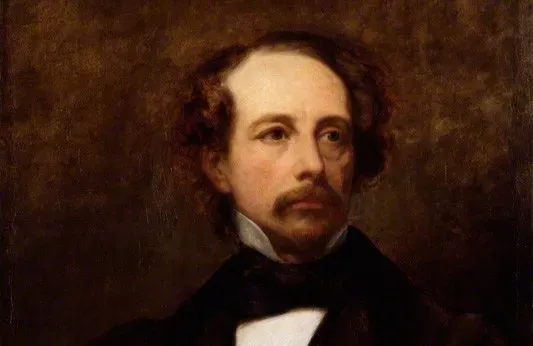
This rhythmic, paradoxical line has become shorthand for describing any era of contradiction and upheaval. It belongs to Charles Dickens, who used it to open his 1859 historical novel set against the backdrop of the French Revolution. The sentence actually continues much longer, piling on contrasts, but this fragment is the part everyone remembers and quotes.
The novel is A Tale of Two Cities, and it remains one of the best selling novels in history. Dickens wrote it as a serialized story, publishing it in weekly installments in his own magazine. The opening captures the entire theme of the book: a world split between London and Paris, order and chaos, hope and terror.
2. “Call me Ishmael.”
Three words, and yet this might be the most analyzed opening in American literature. It’s deceptively simple, almost casual, as if the narrator is introducing himself to a stranger at a bar rather than beginning an epic sea voyage. That informality is exactly what makes it so effective.
This is the first line of Moby-Dick, Herman Melville’s 1851 novel about Captain Ahab’s obsessive hunt for a white whale. The book was largely ignored during Melville’s lifetime and only gained its towering literary reputation decades after his death. Today, “Call me Ishmael” is taught in classrooms as a masterclass in economy of language.
3. “It was a bright cold day in April, and the clocks were striking thirteen.”
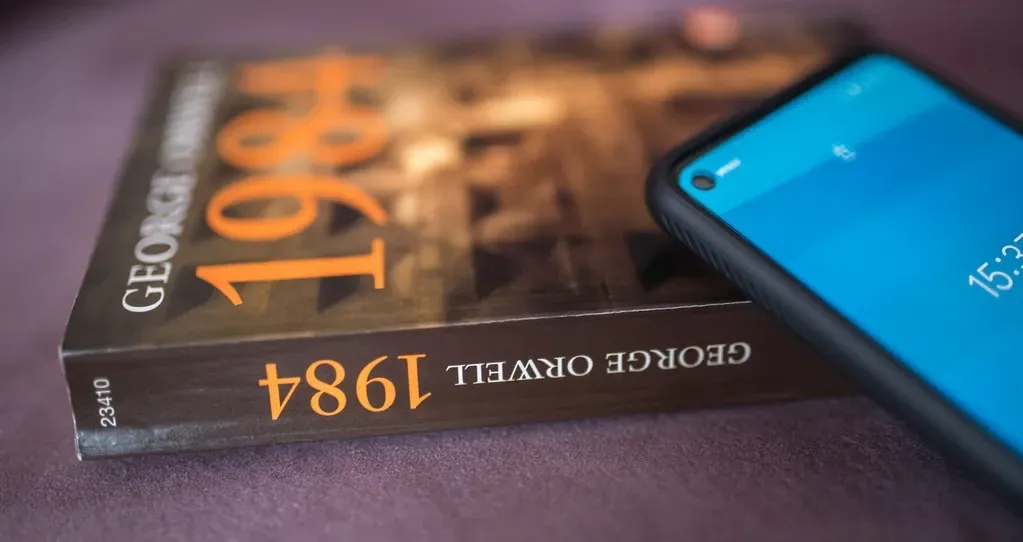
Something feels slightly wrong here, and that’s the point. The mention of a clock striking thirteen immediately signals that this world doesn’t follow normal rules, even before any dystopian elements are explicitly introduced. It’s a quiet but unsettling way to start a story.
The novel is George Orwell’s 1984, published in 1949 as a warning about totalitarianism, surveillance, and the manipulation of truth. Concepts from the book, including “Big Brother” and “doublethink,” have become permanent fixtures in political and cultural conversation. The opening line’s subtle wrongness perfectly foreshadows the paranoid, controlled society of Oceania.
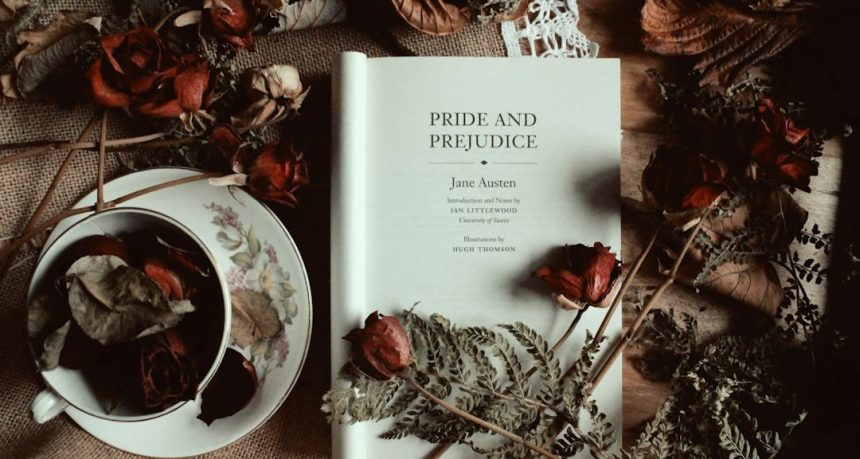
4. “It is a truth universally acknowledged, that a single man in possession of a good fortune, must be in want of a wife.”
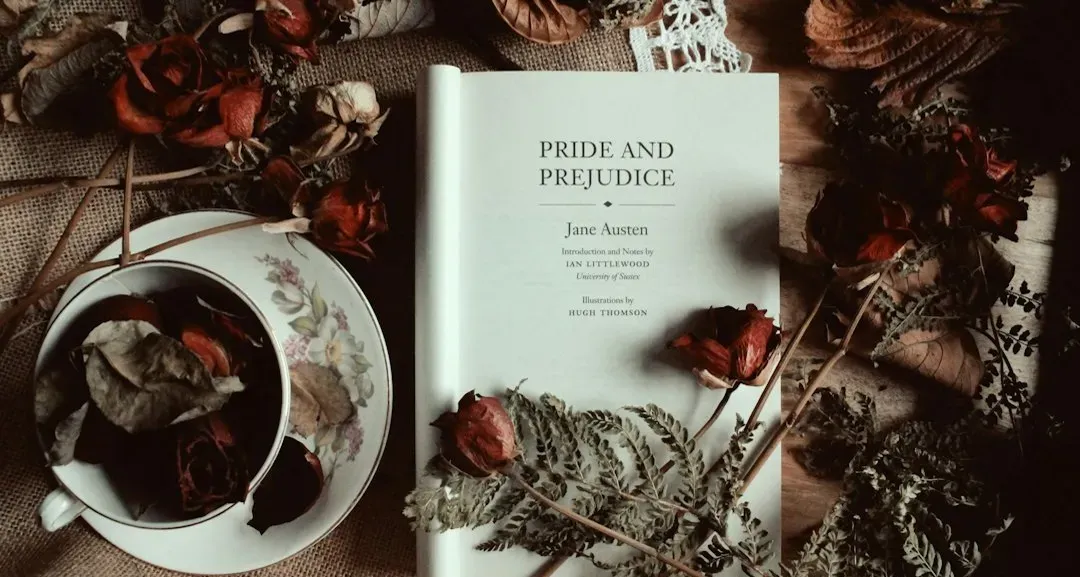
Sharp, ironic, and instantly clear about the social game the entire novel is about to play. Jane Austen wastes no time announcing that marriage, money, and social maneuvering will be the driving forces of her story. The line is delivered with a dry wit that carries through the whole book.
This is the opening of Pride and Prejudice, first published in 1813 and still one of the most widely read novels in the English language. Austen’s narrator immediately establishes a tone of gentle mockery toward the very society she’s depicting. It’s a sentence that tells you exactly what kind of book you’re getting into within its first few words.
5. “All children, except one, grow up.”
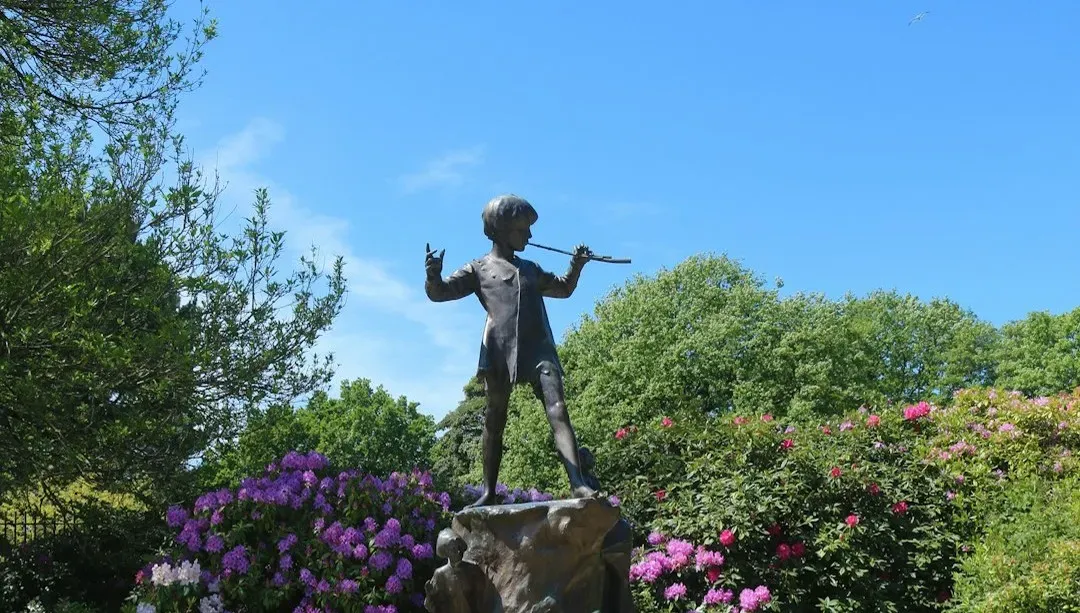
There’s a wistful, almost melancholic quality to this line that many people don’t expect from what’s often marketed as a lighthearted children’s story. It quietly sets up a story about the tension between childhood wonder and the inevitability of growing older. The exception, of course, is the whole point of the book.
This line opens Peter Pan, J.M. Barrie’s 1911 novel based on his earlier stage play about the boy who never grows up. Neverland, Wendy Darling, and Captain Hook all stem from this same story world. The opening line’s gentle sadness runs beneath the adventure and fantasy that follows.
Partner offer
6. “Many years later, as he faced the firing squad, Colonel Aureliano Buendía was to remember…”
This is a masterclass in narrative structure, jumping forward in time before circling back to explain how the character got there. It immediately tells readers that time in this story won’t move in a straight line. The sentence blends the ordinary and the extraordinary in a way that became a hallmark of an entire literary movement.
The novel is One Hundred Years of Solitude, written by Colombian author Gabriel García Márquez and published in 1967. It’s widely credited as one of the defining works of magical realism, a genre blending fantastical elements into otherwise realistic settings. García Márquez won the Nobel Prize in Literature in 1982, largely on the strength of this book’s influence.
7. “In my younger and more vulnerable years my father gave me some advice…”
This opening feels intimate and reflective, like a narrator settling in to tell you something personal before the real story even begins. It establishes Nick Carraway as a thoughtful, somewhat cautious observer of the events he’s about to describe. The tone is measured, almost restrained, which makes the excess of the story that follows even more striking.
This line opens The Great Gatsby, F. Scott Fitzgerald’s 1925 novel set during the Jazz Age. Despite modest sales during Fitzgerald’s lifetime, the book is now considered one of the great American novels and is a staple of high school and college reading lists. Nick’s advice from his father, about reserving judgment, becomes a quiet thematic thread running through the entire story.
8. “Happy families are all alike; every unhappy family is unhappy in its own way.”
This observation feels almost like a proverb, and it’s been repeated so often that it’s taken on a life outside the novel itself. It’s a sweeping generalization delivered with total confidence, setting up a story that will spend hundreds of pages examining exactly how families go wrong. The line works because it sounds definitive even though it’s really just one character’s, or one narrator’s, opinion.
This is the opening of Anna Karenina, Leo Tolstoy’s 1877 novel about love, betrayal, and Russian aristocratic society. The book follows multiple interconnected families, making the opening line a kind of thesis statement for everything that follows. Tolstoy’s exploration of Anna’s tragic affair remains one of the most studied depictions of a woman defying social convention in nineteenth century literature.
9. “The sky above the port was the color of television, tuned to a dead channel.”

This line helped define an entire subgenre of science fiction. It’s a striking, technology-drenched image that immediately signals a gritty, neon-lit future rather than a clean, optimistic one. The comparison of the sky to static feels both mundane and eerie at the same time.
The novel is Neuromancer, William Gibson’s 1984 debut that’s widely credited with popularizing the term “cyberspace.” The book won the Hugo, Nebula, and Philip K. Dick awards, an unusual sweep for a single work of science fiction. Gibson’s vision of hackers, corporations, and virtual reality anticipated many ideas that would later become central to internet culture.
10. “It was a pleasure to burn.”
Short, disturbing, and deliberately ambiguous about who or what is doing the burning. The line plays with the reader’s expectations, since burning is usually associated with destruction, yet here it’s framed as pleasurable. That contradiction hints at the disturbing inversion of values at the heart of the story.
This opens Fahrenheit 451, Ray Bradbury’s 1953 novel about a fireman whose job is to burn books rather than put out fires. The title refers to the supposed temperature at which paper catches fire, a detail Bradbury said he confirmed for accuracy. The novel remains one of the most frequently cited works when discussing censorship, book banning, and the value of literacy.
Ten lines, ten completely different worlds. Some rely on a single striking image, others on irony, and a few simply state a fact so plainly that it becomes unforgettable. Whether you guessed all ten or only recognized a couple, each of these openings proves that a great first sentence can carry the weight of an entire novel.
Partner offer
Planning a trip to Vegas?
Compare hotel rates and show tickets on VEGAS.com.