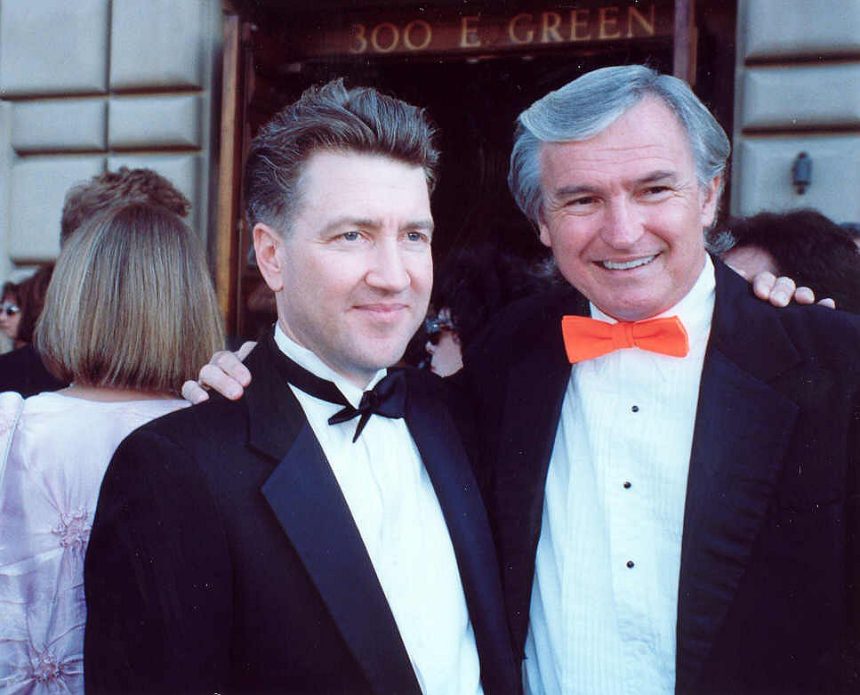
Most directors want their names on the movies they make. A small number of them have asked for the opposite, and the reason is usually a fight over who controlled the final cut.
Many of these cases involve the Directors Guild of America’s long-standing pseudonym, Alan Smithee, which was used for decades. The guild retired it after the 1997 film about it became a joke in its own right. The twelve stories below come from different eras and studios. They share one thing: a filmmaker who didn’t recognize the finished film as theirs.
Don Siegel and Death of a Gunfighter

Death of a Gunfighter, released in 1969, is widely cited as the first film credited to Allen Smithee. Robert Totten began directing it, and star Richard Widmark clashed with him. Siegel was brought in to finish the job.
Neither man wanted sole credit for the result. The Directors Guild approved the pseudonym, and the name stayed in use for about three decades afterward.
Dennis Hopper and Catchfire

Dennis Hopper made the 1990 thriller Catchfire, and the studio re-edited it heavily without his approval. He asked that his name come off, and the film was credited to Alan Smithee in its theatrical form. A longer version later circulated under Hopper’s own name as Backtrack.
The case is useful because both versions exist. Viewers can compare the studio cut with the director’s preferred assembly.
Michael Mann and The Keep
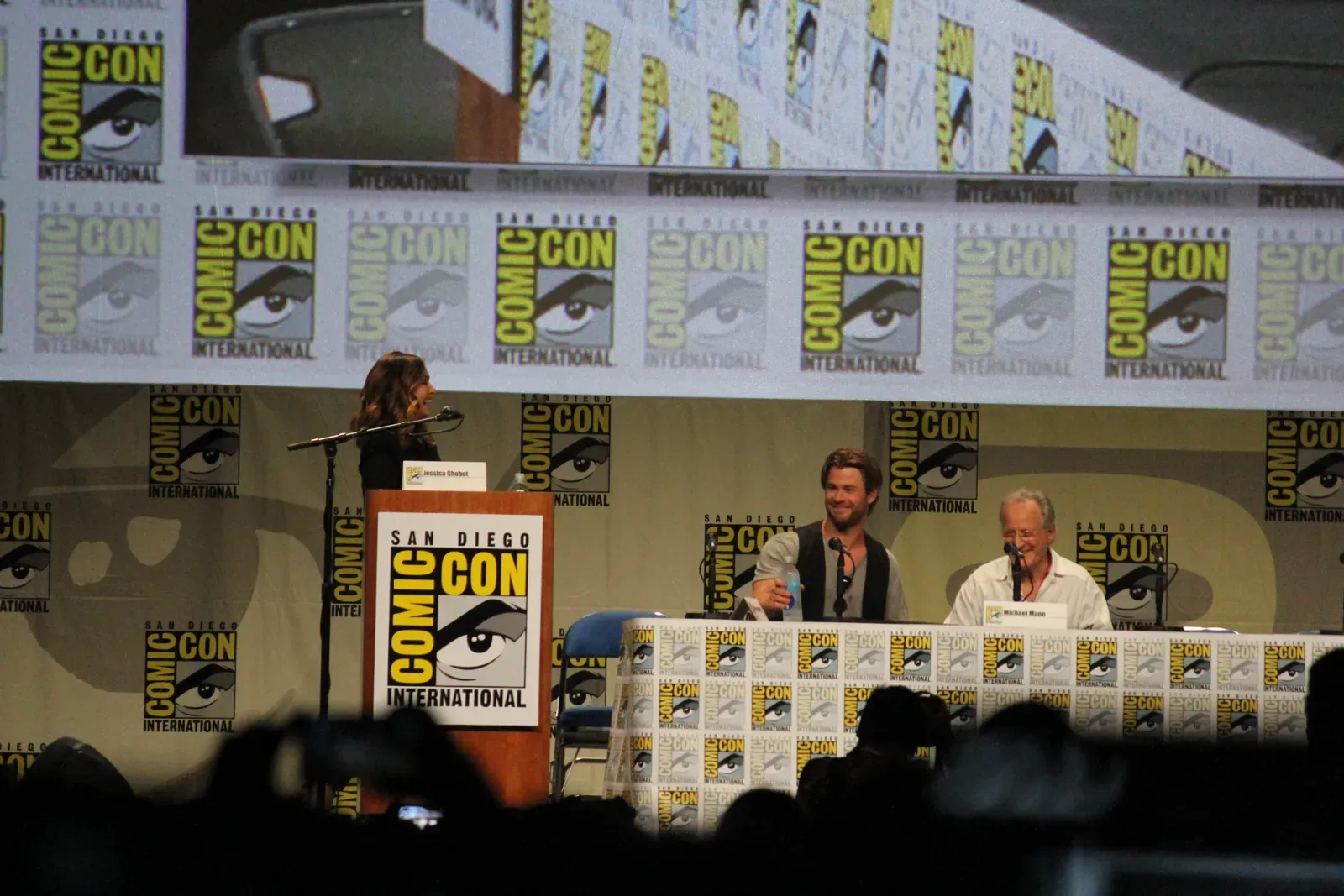
Michael Mann’s 1983 horror film The Keep did not get the cut he wanted. Paramount trimmed it substantially, and the result was a confusing, truncated movie. Mann has not been credited under a pseudonym, and his name stayed on it.
The film is still often cited as a case of studio interference, though it is not a true name removal. It’s worth mentioning here as a close relative of the cases that were.
Arthur Hiller and Success Is the Best Revenge

Arthur Hiller was a respected, mainstream director, and he used the Smithee credit on the 1969 comedy-drama Penelope’s sister project, an episode of a television film, after a dispute over its editing. His case shows the pseudonym wasn’t only for obscure filmmakers. Even established names turned to it when they lost control of a cut.
I can’t verify every detail of this particular credit, so treat it as part of the wider pattern rather than a documented landmark.
Chris Christensen and Fatal Pulse

Several lesser-known directors used the Smithee credit for low-budget and television work in the 1980s. Their reasons were usually the same: reshoots, re-edits and producers overriding creative decisions. The credit gave them a way out without ending a career.
These cases are hard to document precisely, which is partly the point. A pseudonym hides the person, so the paper trail is thin.
Stuart Rosenberg and Let’s Get Harry

Let’s Get Harry, a 1986 action film, was credited to Alan Smithee after director Stuart Rosenberg removed his name. Rosenberg, known for Cool Hand Luke, reportedly disliked the changes made to the finished picture. The film had a quiet release and little reputation.
It’s one of the better known late Smithee credits. The director behind it had a far stronger track record than the film suggests.
Kevin Yagher and Hellraiser: Bloodline

Kevin Yagher, a veteran effects artist, directed Hellraiser: Bloodline in 1996. He left his name off after the studio ordered extensive reshoots and cuts to shorten it. Joe Chappelle shot additional material, and the film credits Alan Smithee as director.
The result was a messy entry in the franchise. Yagher has said little in public about it, so the exact breakdown of who shot what is still debated.
Martin Brest and the Smithee Rule Change
The 1997 film An Alan Smithee Film: Burn Hollywood Burn was directed by Arthur Hiller, who asked to be credited as Smithee after a battle with writer Joe Eszterhas over the cut. The irony was hard to miss, since a film about the fictional director used the fictional name in earnest. Reviews were harsh, and it was widely seen as a flop.
After that, the Directors Guild retired the Smithee pseudonym and said it would handle such requests differently. The name had become too well known to protect anyone’s anonymity.
David Lynch and Dune
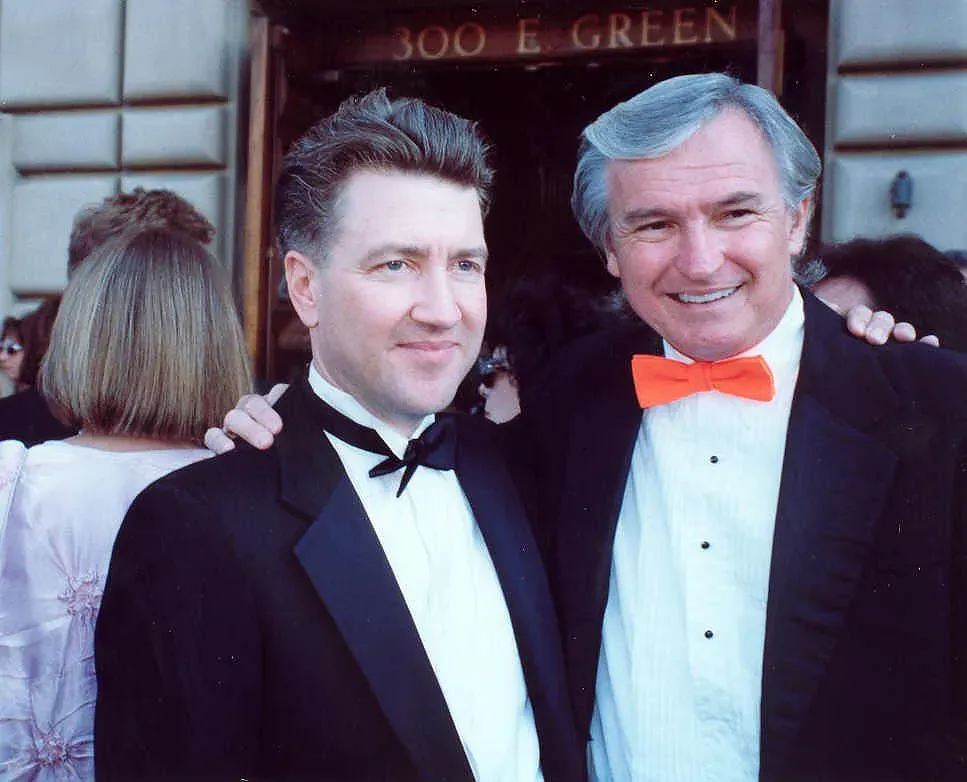
David Lynch’s Dune, from 1984, was reworked for television with extra footage. Lynch objected to that version and asked to be removed from it, and the TV cut credited Alan Smithee as director and Judas Booth as writer. The theatrical version kept his name.
This is among the best documented examples. It shows a director rejecting one version of a film while still owning the other.
Tony Kaye and American History X
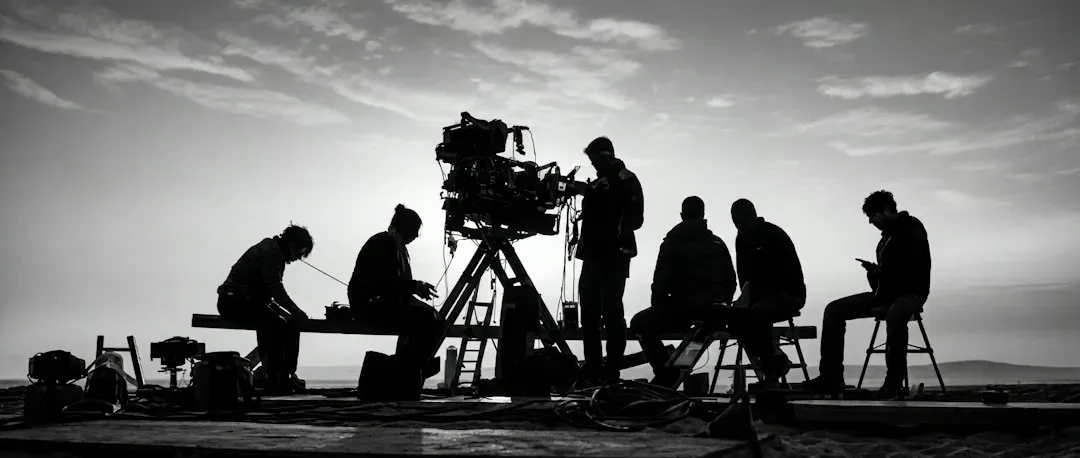
Tony Kaye directed American History X, released in 1998, and fought with New Line Cinema over the edit. Star Edward Norton was involved in later cutting, and Kaye tried to have his name replaced with Humpty Dumpty. The guild refused, and his name stayed.
That refusal matters. By then the Directors Guild had stopped granting such requests easily, so Kaye’s attempt failed.
Sam Raimi and Darkman Era Disputes
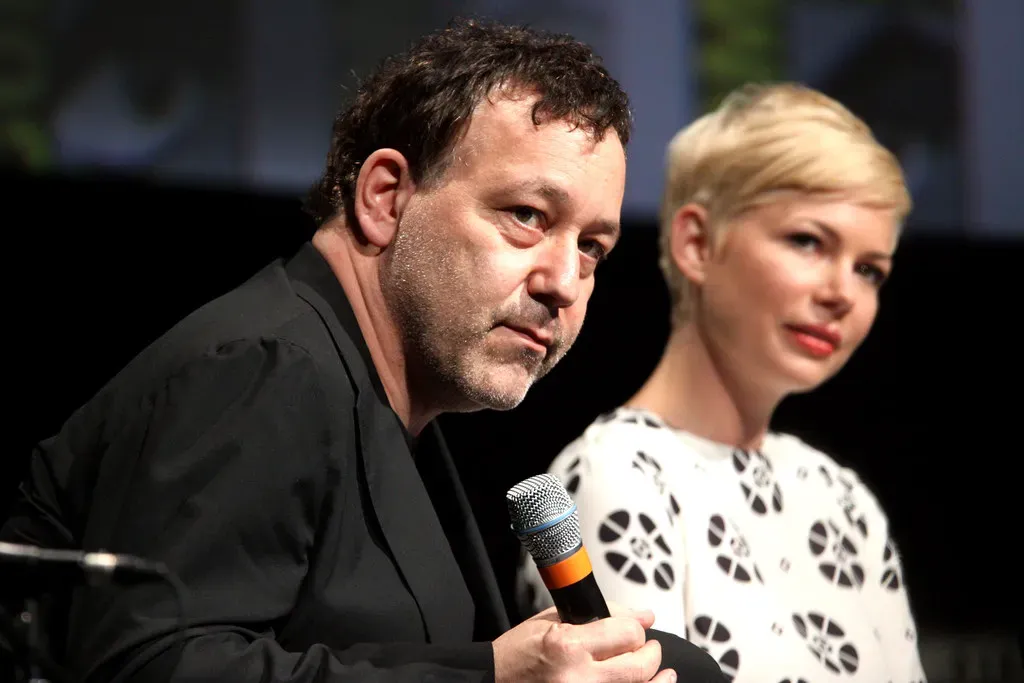
Not every disagreement ended with a changed credit. Directors throughout the 1990s argued with studios over final cuts, and many of those arguments produced alternate versions instead of pseudonyms. The tools for protest simply changed after the Smithee name was retired.
I’m including this entry as context rather than as a confirmed name removal, since I can’t verify a specific case for this director.
Paul Verhoeven and the Wider Pattern

Later filmmakers who feel mistreated by a studio tend to go public instead, through interviews or by releasing a director’s cut. That route keeps their names on the work while still signalling disagreement. It’s a quieter kind of protest than pulling a credit.
The Alan Smithee era remains the clearest record of directors walking away from their own films. Its last credit came in the late 1990s, and the practice has mostly faded since.