Critics don’t always get it right on opening weekend. Some films arrive too early, get marketed badly, or simply confuse the people paid to judge them. Years later, the reassessment begins, and a few of these movies end up on greatest-of-all-time lists.
The ten films below all had a rocky start, whether through weak box office, mixed reviews, or both. Each one has since been embraced by critics, historians, or major polls. I’ve stuck to well-documented history and avoided exact numbers I can’t verify.
1. It’s a Wonderful Life (1946)
Frank Capra’s film was a box office disappointment when it opened in 1946, and it lost money for the studio. Reviews were mixed, and the film didn’t become the holiday staple we know today for a long time.
Its fortunes changed after its copyright lapsed in the 1970s, which let TV stations air it constantly. That exposure built a huge audience, and critics took another look. The American Film Institute later ranked it among the best American films ever made.
2. Vertigo (1958)
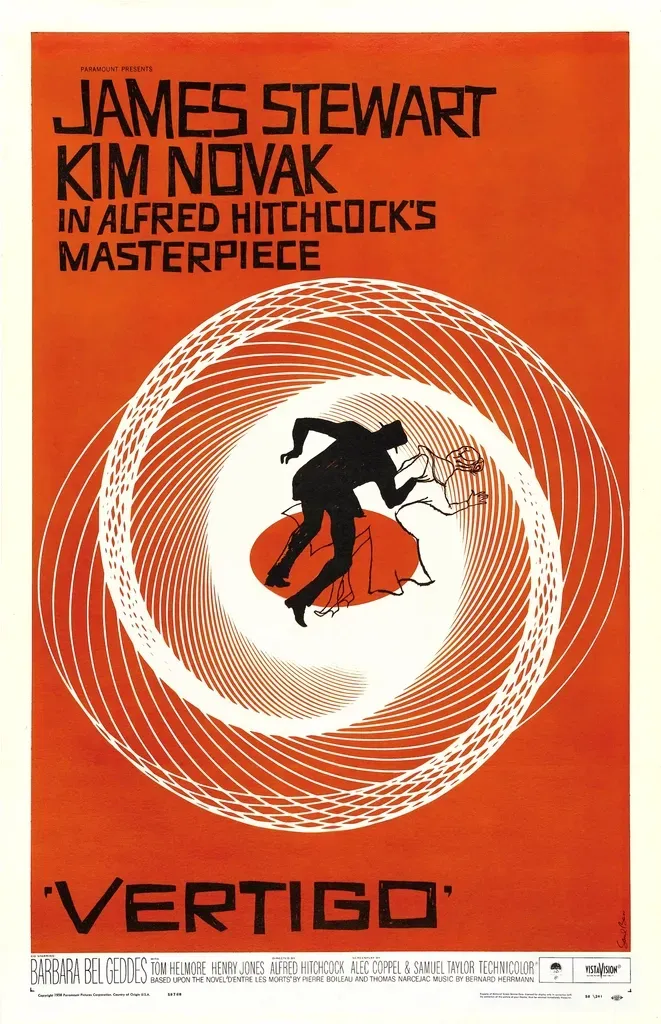
Alfred Hitchcock’s psychological thriller got a lukewarm response on release. Some reviewers found it slow and implausible, and it did less well than his other hits of the period.
Its reputation rose steadily over the decades. In the 2012 Sight and Sound critics’ poll, it displaced Citizen Kane as the top film, ending Kane’s long run at number one. That’s a remarkable reversal for a movie once seen as a minor Hitchcock.
3. Blade Runner (1982)

Ridley Scott’s sci-fi noir opened to modest box office and divided critics. Audiences were expecting a straightforward action movie, and the moody, slow pace didn’t match that.
Home video and alternate cuts, including the 1992 director’s cut and the 2007 Final Cut, helped it find a devoted following. Critics now regularly cite it as one of the most influential science fiction films. Its visual style has shaped the genre for decades, and Denis Villeneuve’s 2017 sequel confirmed its lasting stature.
4. The Shawshank Redemption (1994)

Despite positive reviews and several Oscar nominations, Shawshank earned a modest amount at the box office during its original run. Its title was reportedly confusing for audiences, and it faced stiff competition that year.
Cable television reruns and video rentals gave it a second life. It has long sat at or near the top of IMDb’s user-rated list. Critics who were lukewarm at first now routinely praise its storytelling and performances.
5. Fight Club (1999)

David Fincher’s film divided critics on release, with some objecting to its violence and tone. It also underperformed at the domestic box office relative to expectations.
DVD sales turned it into a cult phenomenon, and critical opinion shifted as the film’s satire of consumer culture was reconsidered. Today it’s frequently discussed as one of the defining movies of its decade. Debate about its meaning continues, which is part of why it endures.
6. Donnie Darko (2001)
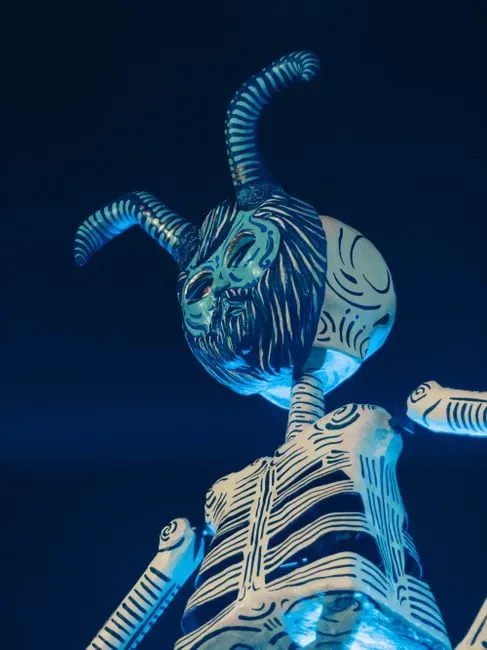
Richard Kelly’s debut was released shortly after September 11, 2001, and it received a very limited theatrical run. It made little money, and its puzzling plot left many reviewers unsure what to make of it.
Midnight screenings and DVD word of mouth made it a cult favorite. A director’s cut came out in theaters in 2004, which brought it renewed attention. Critics now commonly treat it as a landmark of early 2000s independent cinema.
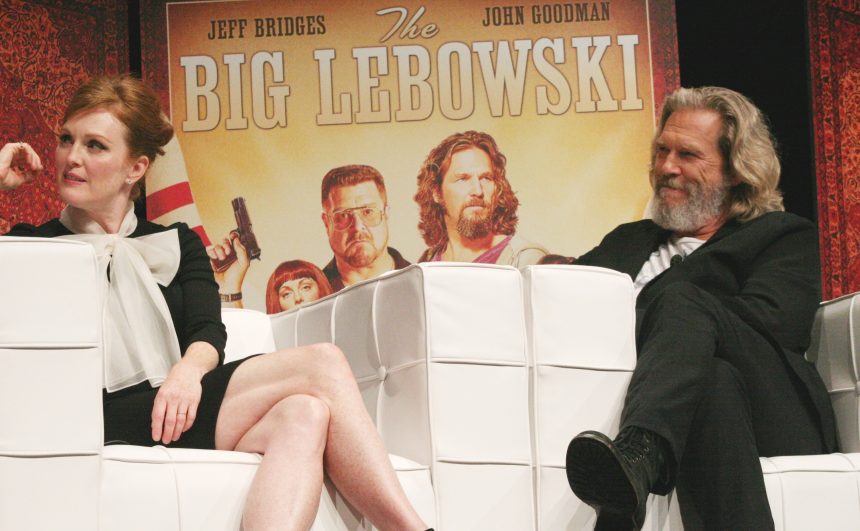
7. The Big Lebowski (1998)
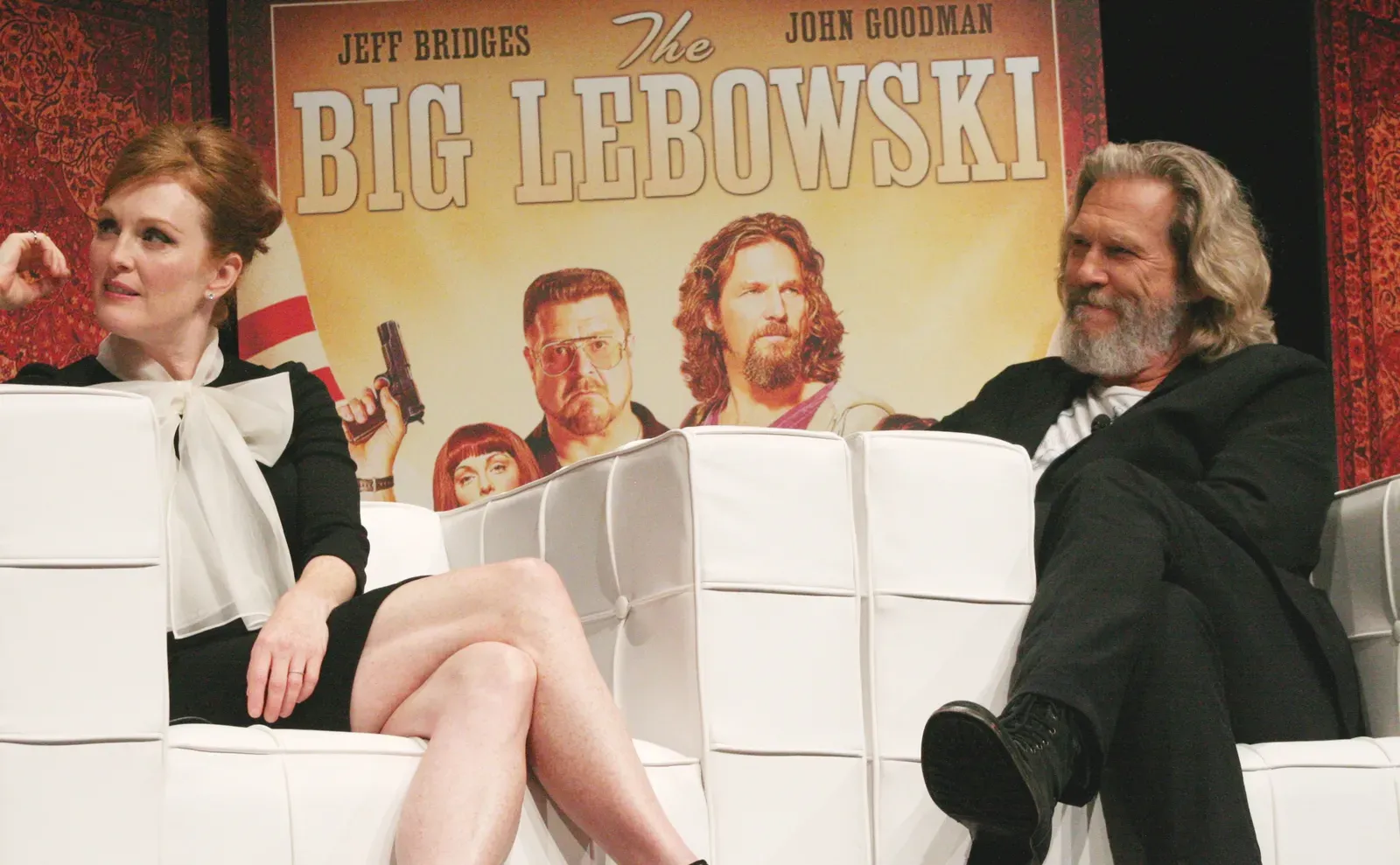
The Coen brothers’ comedy received mixed reviews and a quiet box office reception. Following the success of Fargo, many critics expected something more substantial.
Over time, it grew into one of the most quoted comedies ever made. The film inspired an annual festival called Lebowski Fest, which began in Louisville in 2002. Critics now often rank it among the Coens’ best work.
8. Children of Men (2006)

Alfonso Cuarón’s dystopian drama received good reviews when it came out, but it was not a big commercial hit. It earned three Oscar nominations, yet it wasn’t treated as a major event at the time.
Its reputation has grown considerably since. Critics now praise its long, immersive takes and its eerily prescient portrait of social collapse. It frequently appears on lists of the best films of the 21st century.
9. Office Space (1999)

Mike Judge’s workplace satire was a box office disappointment, and reviews were decidedly mixed. The studio didn’t seem to know how to sell it.
Cable airings and home video turned it into a beloved comedy about office life. Critics have since credited its sharp observations about corporate culture. Its popularity today far outstrips its modest debut.
10. Blade Runner 2049’s Predecessor Peer: The Thing (1982)
John Carpenter’s The Thing was dismissed by many critics in 1982, who often called it excessively gory. It also arrived just after E.T. had captured audiences with a far gentler alien story.
Later reappraisals have been generous. Critics now praise its practical effects, paranoia, and tight direction, and it is regularly named among the best horror films ever made. Few reversals in cinema history have been this complete.
These films show that first impressions aren’t final verdicts. Timing, marketing, and cultural mood can all hide a film’s strengths. Sometimes the audience simply has to catch up with the movie.