There’s something almost ghostly about reaching into a Halloween bag and realizing the candy you loved as a child no longer exists. Not just rare, not just hard to find – completely gone. Some were pulled for wild reasons, others simply couldn’t survive shifting tastes, and a few vanished so quietly nobody noticed until the next October rolled around.
The Halloween candy market is enormous, and every year new contenders fight for shelf space. The global Halloween candy market was valued at nearly 24 billion dollars in 2023 and is projected to reach almost 37 billion dollars by 2032. Yet somehow, in all that sugar-coated plenty, some of the most beloved treats of all time simply ceased to exist. What happened to them? Let’s find out.
1. Butterfinger BBs – The Simpsons’ Favorite That Melted Away

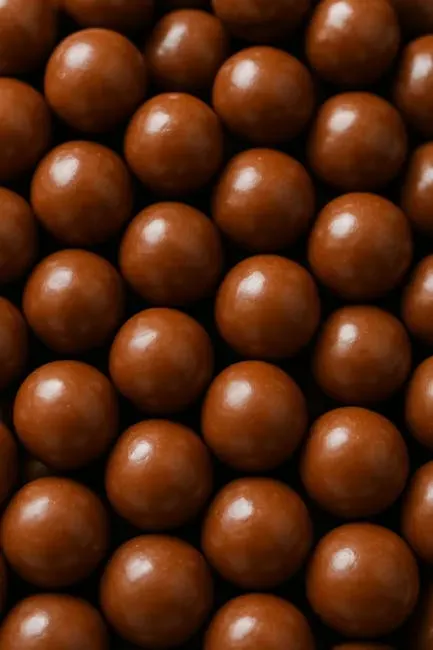
If you grew up in the nineties, Butterfinger BBs were practically a personality trait. These were the bite-sized version of the classic Butterfinger treat, made with the same peanut butter recipe but turned into small, round, poppable pieces that were nearly impossible to resist. Bart Simpson himself endorsed them on The Simpsons, and the marketing worked brilliantly – kids everywhere wanted them in their Halloween haul.
The candy was discontinued in 2006 because it had a messy, easy-to-melt consistency that made it unpleasant to handle. Butterfinger representatives once revealed on social media that the BBs were discontinued because the company didn’t sell enough of them, and the last time anyone was able to buy them was just before the candy’s discontinuation in 2006. Honestly, that explanation stings a little – millions of people still talk about these things decades later.
2. The Marathon Bar – The 8-Inch Wonder Nobody Could Finish

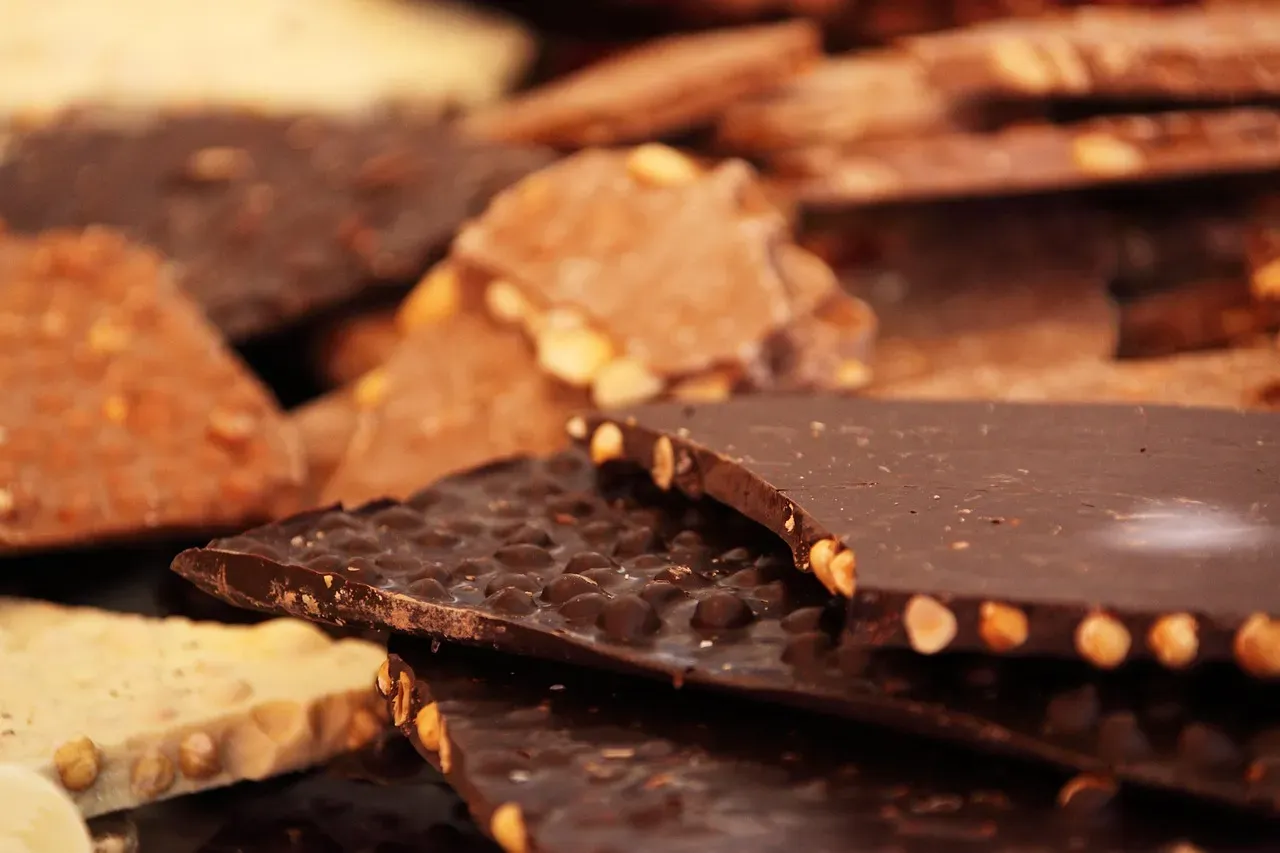
Here’s the thing about the Marathon Bar: it was completely unique. The Mars Candy Company’s Marathon Bar was a staple during the seventies – an 8-inch braid of caramel-filled chocolate that got its name based on how long it supposedly took to eat. The original Marathon package actually included a ruler at the top or back so customers could see just how much longer this candy bar was than the average one. That kind of novelty is almost unheard of in candy marketing.
The Marathon Bar wasn’t even around for a full decade, disappearing off shelves in the U.S. by 1981. Those who miss the Marathon bar may be able to import a similar candy from Cadbury in the U.K. called the Curly Wurly – it’s pretty close in concept and shape. Still, that’s not exactly the same as trick-or-treating and pulling one out of your orange plastic pumpkin.
3. Space Dust – The Candy That Parents Feared
It’s hard to believe a children’s candy could spark a national panic, but Space Dust managed exactly that. Space Dust was General Foods’ follow-up to Pop Rocks, which launched in 1976, with Space Dust arriving in 1979. The recipe was essentially the same, but Space Dust was a fine powder as opposed to the small pebble-like shape of Pop Rocks.
Parents complained the name was too similar to “Angel Dust,” a slang name for the dangerous drug PCP, and worried about its safety. The creator took out full-page ads to ease concerns, but it apparently was simply not enough, and they were discontinued shortly after. General Mills changed the name to Cosmic Candy, but the controversy and rumors endured, and it was discontinued in 1982. Imagine being a candy killed off not by poor taste, but by its own name.
4. Wonka Bar – Fiction Became Reality, Then Vanished Again

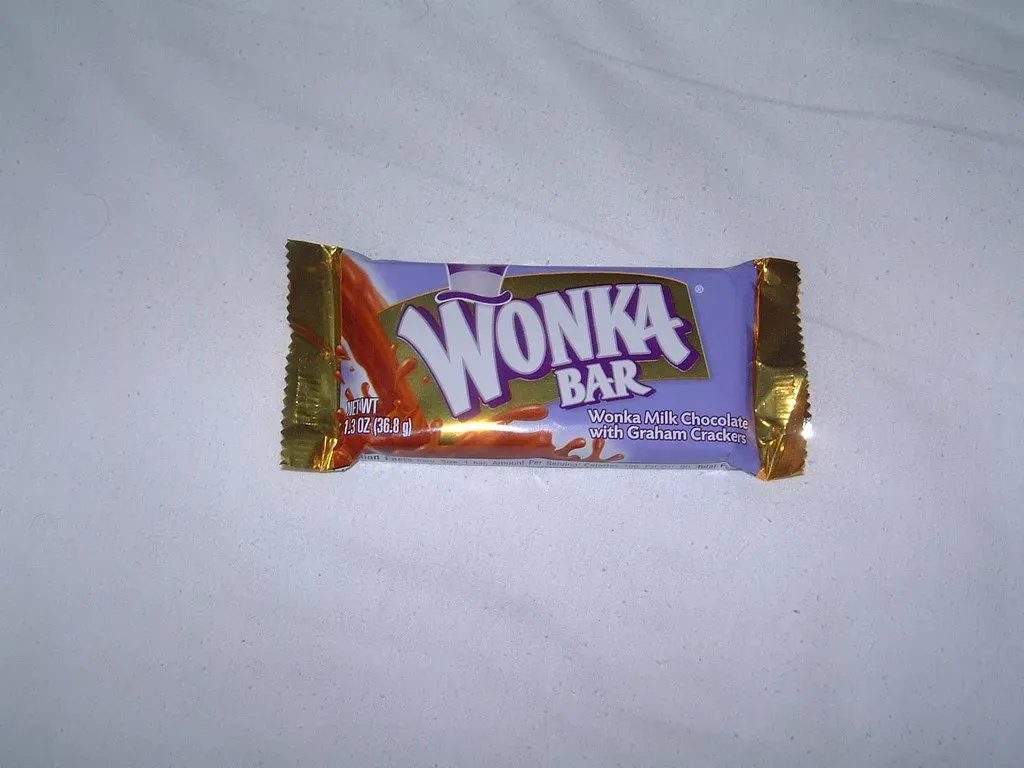
Few candies have a more bittersweet story than the Wonka Bar. The Wonka Bar was candy from Roald Dahl’s famous novel “Charlie and the Chocolate Factory,” and that fictional origin is exactly what made it a special treat for fans when it became a real product, introduced in 1976. For a generation of kids who grew up on that story, finding a Wonka Bar in their Halloween bag felt almost magical.
After Nestlé bought The Willy Wonka Candy Company in 2015, the Wonka Bar vanished from the market. After the excitement from the newer movie’s release died down, the chocolate bars didn’t sell as well, leading to the eventual discontinuation of Wonka Bars. There’s something deeply poetic and slightly sad about a candy that literally came from a story about a magical chocolate factory disappearing from shelves forever.
5. PB Max – Discontinued for the Most Absurd Reason
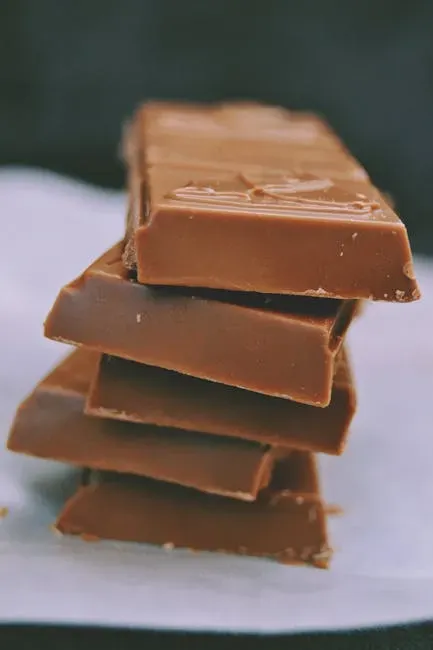
PB Max is perhaps the most infuriating entry on this list, because it wasn’t pulled due to bad sales. PB Max was made up of creamy peanut butter and crunchy round cookie pieces packed into milk chocolate – and the candy bar was a huge hit, but was ultimately discontinued, supposedly because the Mars family had a distaste for peanut butter. Let that sink in. A bestselling candy axed because of a personal preference.
PB Max was discontinued in the early 1990s despite strong sales, with Mars reportedly ending it because company leadership disliked peanut butter. The chocolate-covered peanut butter cookie bar sold well, but was pulled because the Mars family reportedly didn’t like peanut butter. I know it sounds crazy, but that’s the candy industry for you. Sometimes the best products lose to boardroom politics.
6. Bonkers! – The Fruity Chew Mid-Stride

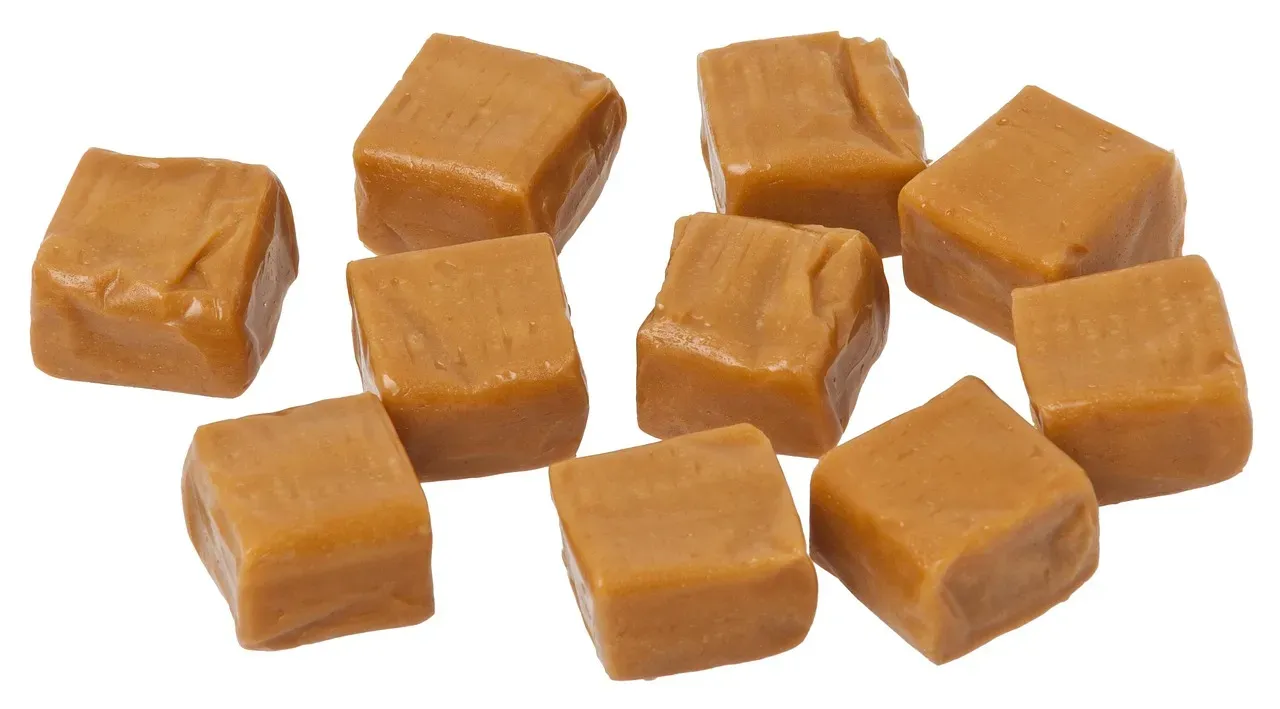
Bonkers were a small rectangular candy with a chewy and fruity outside akin to a Starburst. On the inside, they contained a fruity, tangy filling. They came in a variety of flavors and were huge in the eighties. For trick-or-treaters of that era, finding a Bonkers in the bag was a minor victory.
Bonkers was a fruity, chewy candy with juicy centers made by Nabisco that vanished in the mid-1990s after losing popularity. The candy market had grown more competitive, and Bonkers simply couldn’t keep up with the volume of new fruity alternatives flooding store shelves. Changing demographics played a factor too, as emerging generations had different tastes and preferences, and brand loyalty diminished among candies that relied on nostalgia alone.
7. Good & Fruity – The Forgotten Sibling of Good & Plenty
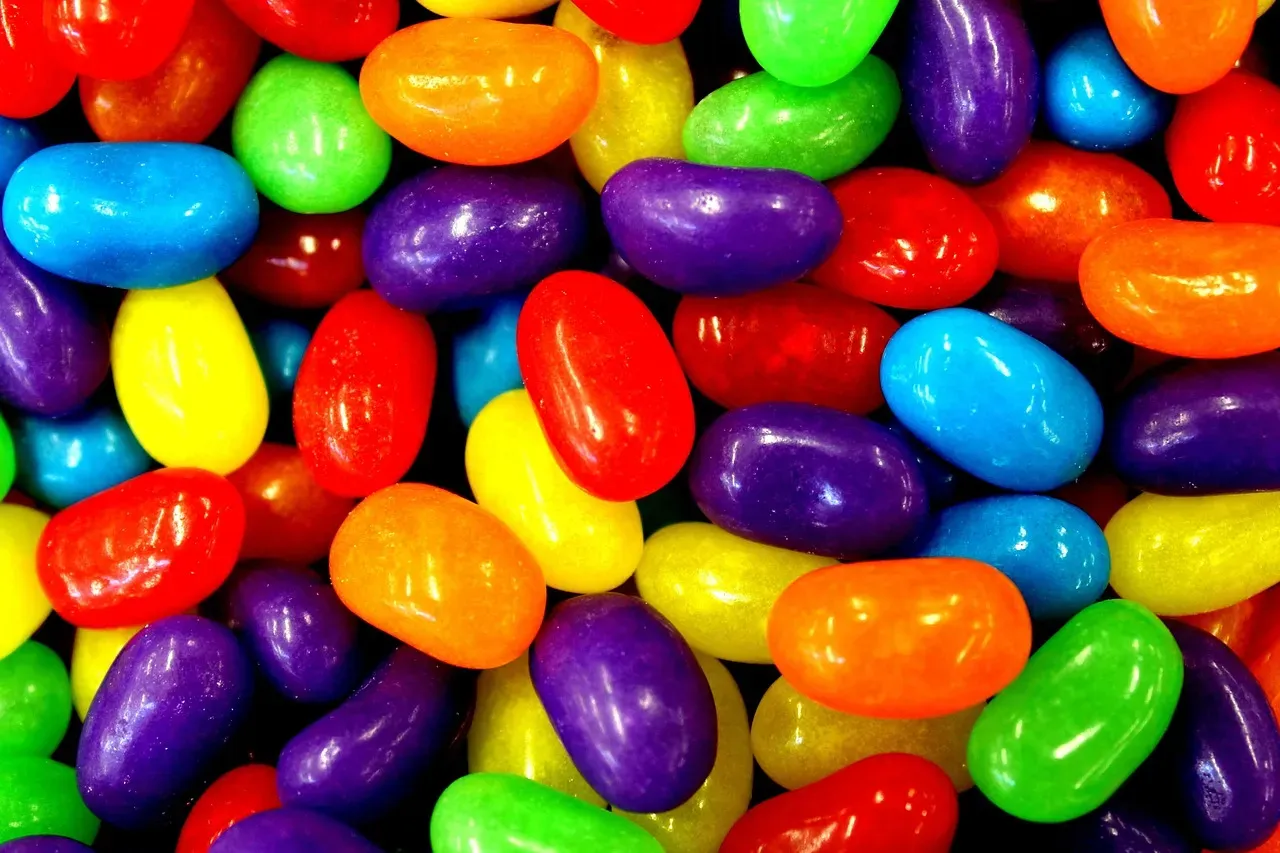
Most people remember Good & Plenty, the pink-and-white licorice classic. Far fewer remember its fruitier sibling. Good & Fruity, the fruity cousin of Good & Plenty, was discontinued around 2018 after multiple reformulations. It was the kind of candy that ended up in the Halloween mix bag – colorful, chewy, and endlessly snackable.
The candy went through several recipe changes over the years in an attempt to stay relevant, but none of those reformulations could hold onto its audience. Health concerns were a factor, as consumers were moving away from candy with artificial flavors, high sugar content, and unhealthy ingredients. Good & Fruity was fighting battles on too many fronts at once – competition, changing tastes, and health-conscious buyers – and eventually lost all of them.
8. Brach’s Jelly Nougats – The Halloween Mix Staple That Quietly Changed
Brach’s Halloween mix bags were a rite of passage in millions of American households. Brach’s Jelly Nougats, a classic Halloween mix candy, had its production discontinued around 2023. They were those soft, chewy, jelly-filled nougat pieces that showed up in bulk bags alongside candy corn and caramels – simple, unassuming, and strangely addictive.
The candy shape was changed, and they are now called Jelly Bean Nougats. It’s technically a continuation, but longtime fans will tell you the original was different enough to mourn. During the pandemic of 2020 to 2022, the industry saw the largest discontinuation of products in decades, with certain brands, such as Brach’s, on the verge of extinction. That era reshaped the entire Halloween candy landscape in ways people are still feeling today.
9. Tart ‘n’ Tinys – The Little Cylinders That Faded Out

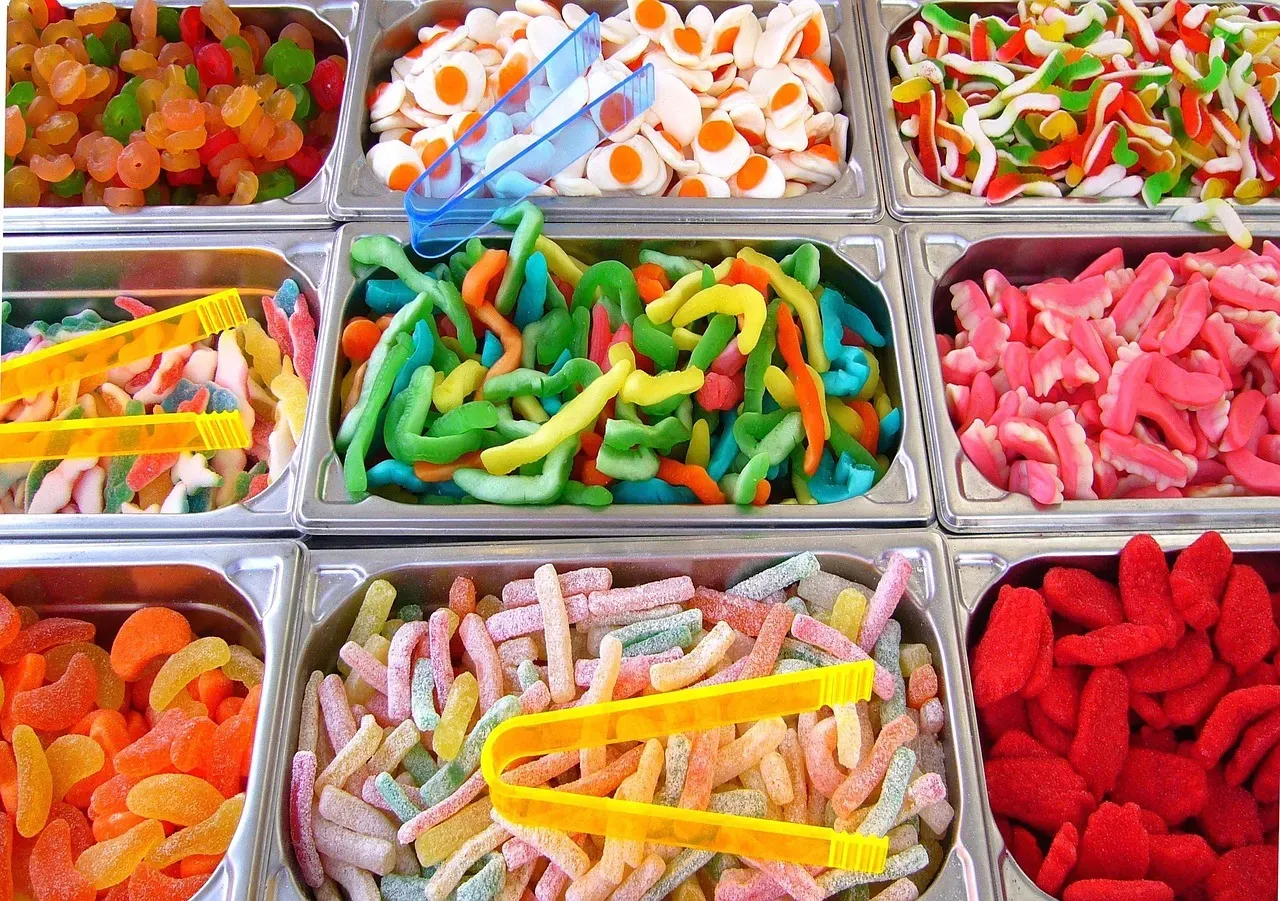
Tart ‘n’ Tinys were the kind of candy that demanded a certain commitment – tiny, chalky, fruit-flavored cylinders that you’d pour into your palm and eat by the handful. Tart ‘n’ Tinys in their original form were tiny, chalky, fruit-flavored cylinders that were discontinued in the late 1990s, then briefly revived in a coated version that was later dropped. The second discontinuation felt almost crueler than the first.
The candy occupied a strange middle ground between Sweet Tarts and Nerds, and never quite carved out a permanent identity of its own. Variety improved through the twentieth century with a dizzying array of new flavors and types of candy, and some of the rarer classics simply couldn’t keep up with the competition anymore. Tart ‘n’ Tinys is a perfect example of a product that got squeezed out by the sheer avalanche of choices around it.
10. Altoids Sours – The Cult Candy Too Soon

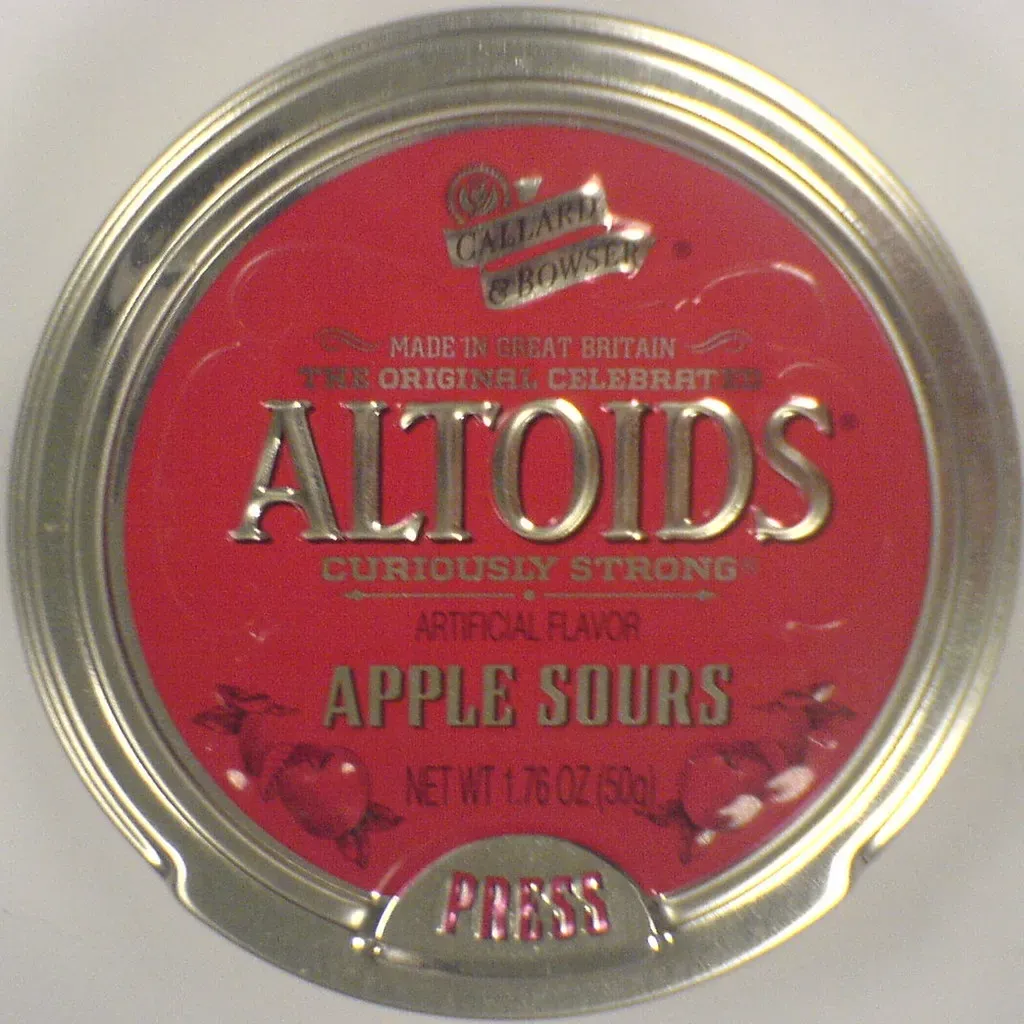
Let’s be real – Altoids Sours had an almost fanatical following. Altoids Sours was a discontinued candy that has left a lasting impression on fans, originally introduced by Mars Wrigley in 2001 and discontinued in 2010, developing a devoted fan base who have been clamoring for their return for over a decade. They were intensely sour, came in a sleek tin, and felt premium in a way that few Halloween treats ever did.
Altoids Sours were available from 2001 to 2010 and were discontinued due to poor sales, but most people who tried them remember them fondly. The sour mints were available in raspberry, citrus, apple, mango, tangerine, and limited-edition passion fruit flavors. The nostalgia surrounding them grew so strong that a 2024 release called Retro Sours by Iconic Candy was created specifically to capitalize on the cult following of Altoids Sours. That’s the ultimate measure of a candy’s legacy – someone else trying to fill the hole it left behind.
The Sweet Science of Disappearing Candy

Behind every discontinued candy is a story worth telling – boardroom decisions, parental panics, reformulations gone wrong, or just plain bad timing. Research by Mastercard into candy-buying trends shows that roughly four out of five Americans still buy the candy they loved as a kid. That nostalgia is real, powerful, and clearly not enough to save every classic.
Some discontinued candies, such as Bonomo’s Turkish Taffy, have returned to the market after being unavailable for over 20 years. So there’s always hope. Consumers are increasingly drawn to familiar flavors that evoke childhood memories, and the nostalgia-driven confectionery market is showing growth, with companies reviving old favorites and creating new twists on classic candies.
The real irony? Despite innovative marketing, new products, and changing tastes, when it comes to Halloween, consumers seem to be drawn to nostalgia over the new and exciting. The market keeps growing, companies keep innovating, and yet what we really want is often exactly what’s already gone. Which of these ten do you wish would come back? Tell us in the comments – because someone at a candy company just might be reading.