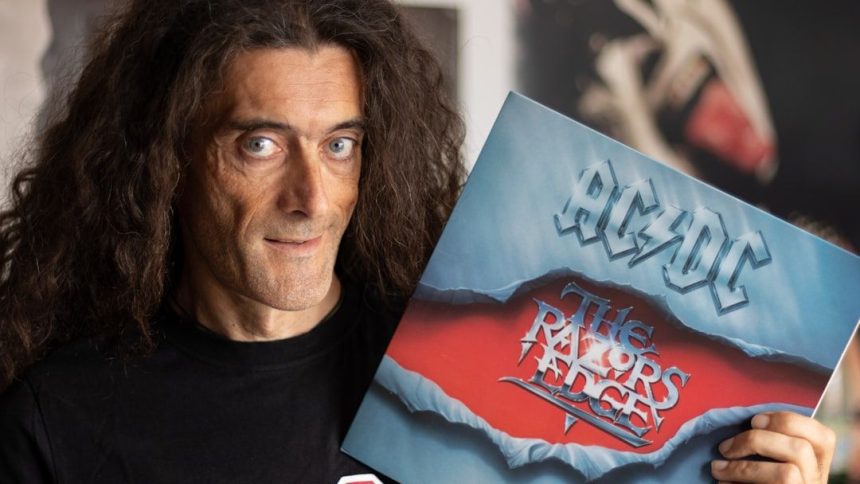
There’s a particular kind of album that refuses to age. Not because it’s nostalgic, or because familiarity breeds affection, but because something in its DNA simply keeps working. The riffs still cut. The production still breathes. The emotion still lands.
These ten records span a few decades of classic rock’s golden stretch, from the early 1970s to the late 1980s. What unites them isn’t era or genre so much as a specific quality: they were made with enough creative ambition, and enough raw human feeling, that time has had little effect on them. Put any one of them on today and you’ll understand why.
1. Led Zeppelin IV – Led Zeppelin (1971)

Encompassing heavy metal, folk, pure rock and roll, and blues, Led Zeppelin’s untitled fourth album is a monolithic record, defining not only Led Zeppelin but the sound and style of 1970s hard rock. That breadth is exactly why it still holds up. No single genre can date it, because it doesn’t really belong to just one.
The album was a commercial success, debuting at number two on the Billboard 200 chart and eventually going on to sell over 37 million copies worldwide. Critics praised the album’s musicianship, songwriting, and production, and it has since become regarded as a classic rock masterpiece. Half a century on, it still sounds like it was recorded in a thunderstorm in the best possible sense.
2. The Dark Side of the Moon – Pink Floyd (1973)
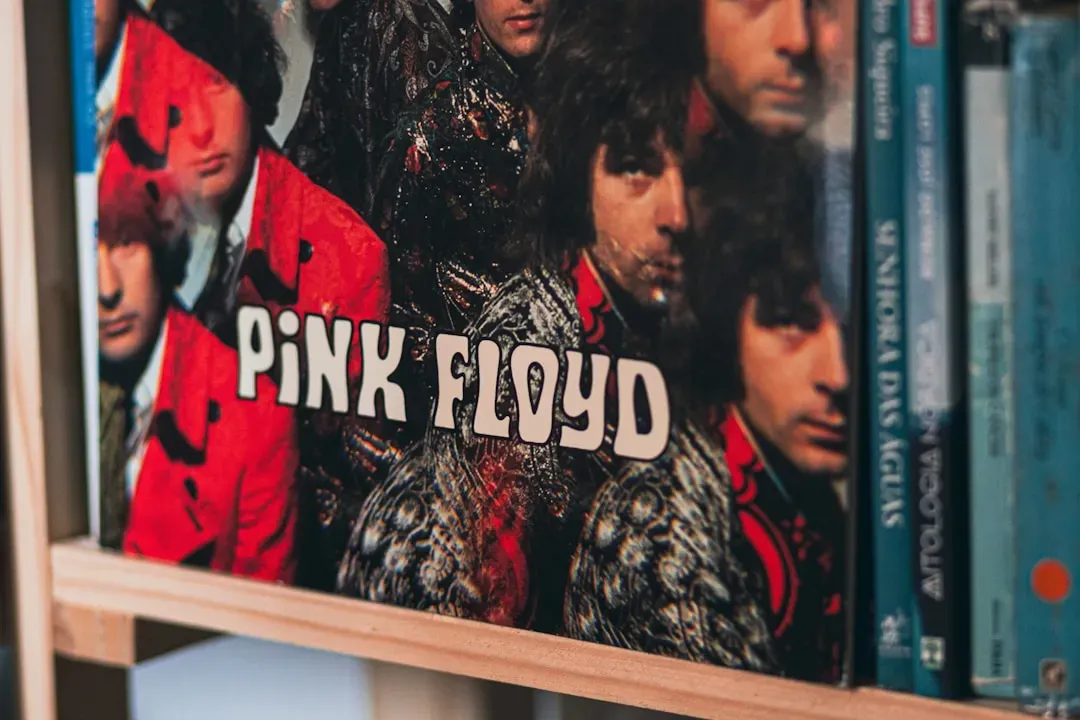
Few albums define the outer limits of rock ambition as clearly as The Dark Side of the Moon. Built on pristine production, conceptual unity, and groundbreaking use of tape loops and synthesizers, it distills universal anxieties – time, death, madness – into a seamless sonic experience. It was unlike anything before it, and there’s still nothing quite like it.
Upon its release, the album hit the Billboard 200 and continued to chart for a staggering 736 nonconsecutive weeks between March 1973 and July 1988. It has continued to chart in the decades since, and in January 2026, Billboard reported the album had appeared on the weekly Billboard 200 chart 996 times since its release. That’s not nostalgia. That’s a record quietly insisting on its own relevance.
3. Rumours – Fleetwood Mac (1977)
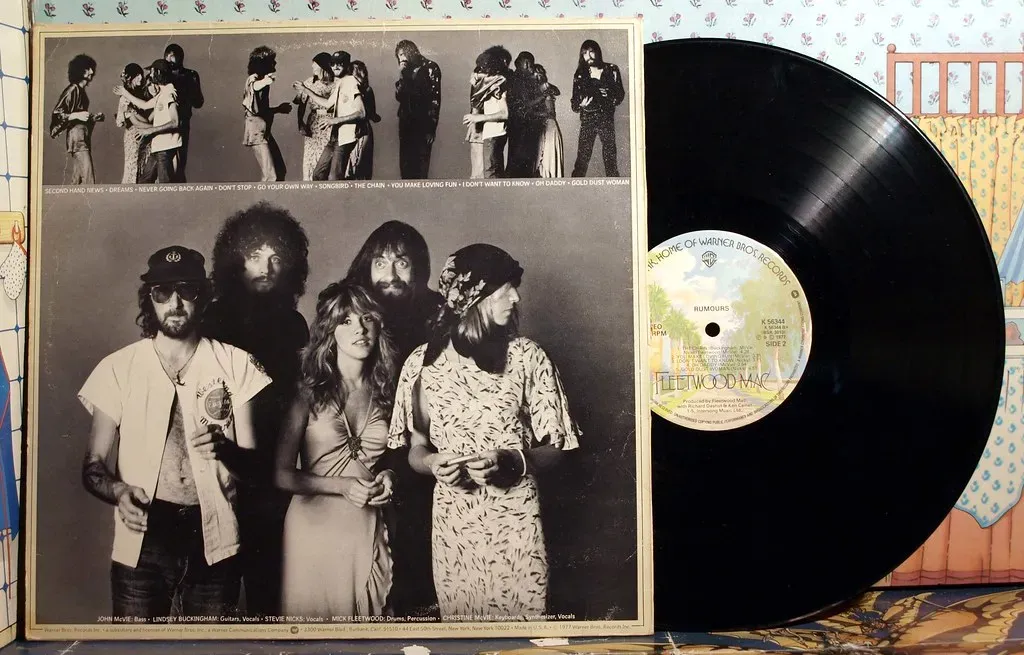
Created amid breakups, affairs, and bitter interpersonal tension, Rumours turned Fleetwood Mac’s private chaos into immaculate pop-rock. What makes it timeless is not just the quality of songwriting, but the contrast between bright, radio-friendly surfaces and the wounded emotions underneath. Lindsey Buckingham’s sharp arrangements, Stevie Nicks’ mysticism, and Christine McVie’s warm romanticism swirl together with uncanny chemistry.
The album remained in the Billboard 200 for 31 nonconsecutive weeks, reentering in 2011 and 2020. It was the bestselling album on vinyl in the United Kingdom in 2020 and is estimated to have sold roughly 40 million copies worldwide since its release. Every generation seems to rediscover it on their own terms, which is perhaps the truest test of a timeless record.
4. Exile on Main St. – The Rolling Stones (1972)
Not for nothing is Exile on Main St. the only double album among the truly perfect records of its era. Bands who opt for doubles tend to have ambitions that outweigh their creativity. The Stones pulled it off in 1972 with this extraordinarily diverse collection of songs, which ranged from country rock to Delta blues. It’s a messy, sprawling, deeply alive record that rewards every listen differently.
Contemporary critics didn’t know quite what to make of Exile on Main St., but its stature has grown over the years to such an extent that it now overshadows many of the Stones albums that preceded and came after it and has earned a place on all the Greatest Albums of All Time lists. That kind of slow-burn reputation is the most durable kind.
5. Back in Black – AC/DC (1980)

Back in Black was forged in the shadow of Bon Scott’s untimely death, yet it transforms grief into a triumphant celebration of hard rock. That emotional alchemy gives it a weight that purely crowd-pleasing albums rarely achieve. Brian Johnson arrived fully formed, and the band matched him step for step.
Following Bon Scott’s tragic death, AC/DC faced a pivotal decision: disband or push on. Choosing resilience, they recruited Brian Johnson, channeling their grief into Back in Black. The album became an electrifying tribute, celebrating Scott’s legacy while defining their identity – a testament to the band’s indomitable spirit. Four singles were released – “You Shook Me All Night Long,” “Hells Bells,” “Rock and Roll Ain’t Noise Pollution,” and “Back in Black” – and though the album only peaked at number four on the charts, it’s been certified 27 times platinum in the United States.
Partner offer
6. Nevermind – Nirvana (1991)

This quiet release amplified into a cultural explosion. The album redefined grunge, resonating profoundly with a disenchanted youth. Cobain’s raw emotion and powerful riffs captured a generation’s angst, unexpectedly propelling the band to superstardom. It arrived like a cold shock to a music scene that had grown comfortable, and that energy hasn’t dissipated.
Part of what keeps Nevermind sounding alive is the production paradox at its core. Nevermind was the album that took Nirvana global, selling by the bucket load and spawning hit singles. The polished production made it perfect for radio play, but it retained enough raw energy beneath the surface to feel genuinely dangerous. That tension between polish and punk is still audible, and it still works.
7. Appetite for Destruction – Guns N’ Roses (1987)
There was nothing quite like it on the radio or the charts on July 21st, 1987, the day Guns N’ Roses’ game-changing debut album first hit the streets. Whitesnake, Poison, Bon Jovi and Mötley Crüe were all firmly ensconced in the top ten at the time, but only the slick sleaze of the Crüe came close to the feral sound and street-smart attitude of Appetite.
Although critics were originally ambivalent toward the album, Appetite for Destruction has received retrospective acclaim and appears on lists as one of the best hard rock albums of the 1980s. With over 30 million copies sold, it is one of the best-selling albums worldwide. Its roots-oriented hard rock and gritty, reality-based lyrics made the hairspray-and-spandex crowd sound shallow and silly by comparison. Its rebellious rage felt honest, instead of just another attention-grabbing pose.
8. Who’s Next – The Who (1971)
Who’s Next stands today as one of The Who’s greatest triumphs, but it was born from failure and frustration. Pete Townshend envisioned Lifehouse, a sprawling rock opera about technology, individuality, and spiritual freedom. The concept proved impossibly complex, baffling the band and producers alike, and eventually collapsed under its own weight.
Out of its ashes, the group salvaged the strongest material, recording them with producer Glyn Johns. The result was Who’s Next – a tighter, more immediate record where ambition met clarity, yielding classics like “Baba O’Riley” and “Won’t Get Fooled Again.” Sometimes collapse sparks greatness. The real revelation is Townshend’s use of sequencers and synth loops – not as gimmicks but as structural pillars. Who’s Next is where classic rock meets the future, and it remains one of the genre’s most electrifying statements.
9. Hotel California – Eagles (1976)
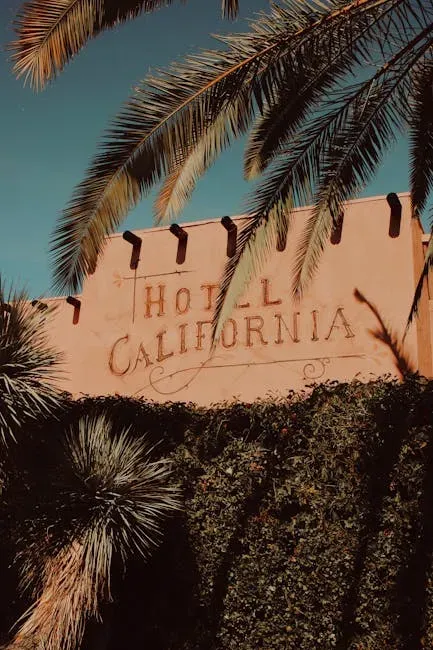
Hotel California occupies a strange cultural position. It’s been so overplayed on radio that some listeners assume they’re immune to it. Then someone puts it on a good sound system and the title track opens, and the conversation stops. The production has aged extraordinarily well, full of space and texture that contemporary rock records often sacrifice for loudness.
In 2026, the Eagles’ 1976 greatest hits compilation became the first album ever to receive a quadruple Diamond certification from the RIAA, and the Hotel California era catalog has continued to accumulate sales milestones, with worldwide estimates reaching roughly 45 million copies. The album’s centerpiece song, with its interlocking guitar figures and its portrait of California excess, sounds just as unsettling in 2026 as it did in 1977. Comfort and dread in perfect proportion.
10. Physical Graffiti – Led Zeppelin (1975)
Physical Graffiti expanded the band’s sound with “Kashmir’s” orchestral bombast and “Trampled Under Foot’s” funk edge. Spanning rock, blues, and world influences, it shows their range. Fans revisit it for deep cuts like “In the Light,” which samples Eastern scales ahead of its time. As a double album, it’s more demanding than Led Zeppelin IV, but the reward is proportional to the patience it asks for.
They mixed blues, folk, hard rock, and Eastern influences into something totally new. Albums like Physical Graffiti didn’t just top charts – they defined an era. In a genre where so many records sound locked in their decade, Physical Graffiti still sounds genuinely exploratory. That’s a rare thing, and it gets rarer with time.
What these ten albums share isn’t a sound, exactly. It’s a quality of conviction. Each one was made by musicians who believed, without reservation, in what they were playing. That belief travels through the grooves, through the speakers, across the decades. It’s audible the first time you hear any of these records, and it’s still audible now.
Partner offer
Planning a trip to Vegas?
Compare hotel rates and show tickets on VEGAS.com.