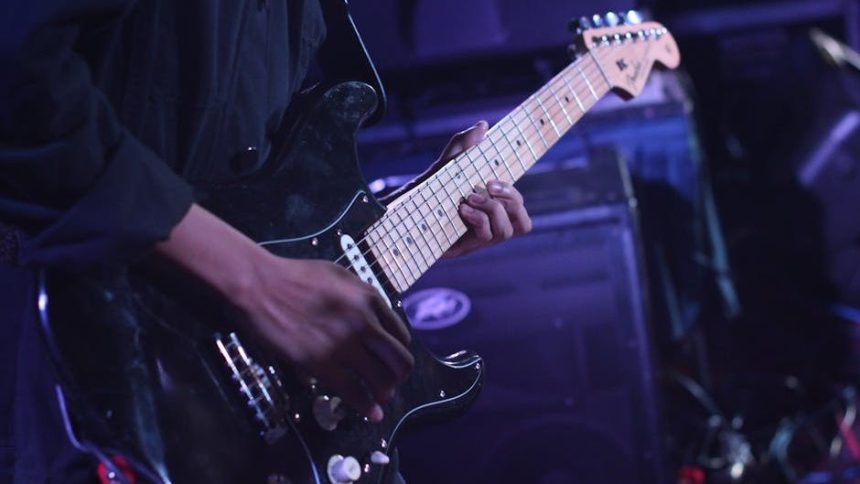
There are moments in recorded music that stop you mid-sentence. Where a guitarist steps to the center of a song, picks up where words can’t go, and plays something that people are still talking about half a century later. The guitar solo, at its best, is one of the most direct emotional experiences music can deliver.
What makes a solo truly great is harder to pin down than it looks. Technical speed matters, but it’s rarely the deciding factor. Phrasing, tone, the ability to serve the song and somehow transcend it at the same time – that’s what separates the merely impressive from the genuinely historic. The six solos below have earned their reputations through decades of scrutiny from players, critics, and listeners worldwide.
#6 – “Free Bird” by Lynyrd Skynyrd (Allen Collins and Gary Rossington, 1973)

The guitar solo in “Free Bird” is a classic example of the power of two. The extended outro features a dual guitar solo by Allen Collins and Gary Rossington, who weave their melodies together seamlessly, creating a sound that is both powerful and moving. The solo builds in intensity over several minutes, with the guitarists gradually increasing the tempo and adding more layers of complexity. Their playing is both technically proficient and emotionally expressive, and it perfectly captures the spirit of the song.
The “Free Bird” guitar solo clocks in at 143 bars – an extraordinarily long solo – and guitarist Allen Collins recorded both guitar parts. The solo has become one of the most iconic in rock history, and has been covered and referenced by countless artists. It is a testament to the skill and creativity of Collins and Rossington that their solo has stood the test of time and continues to inspire guitarists today.
#5 – “Hotel California” by the Eagles (Don Felder and Joe Walsh, 1977)
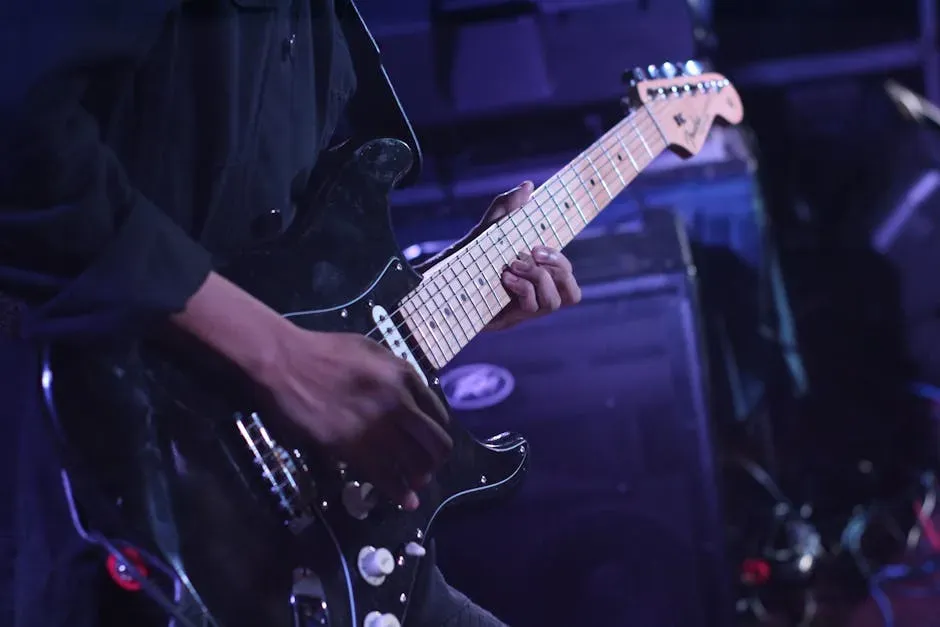
The title track from the Eagles’ fifth album, and without doubt the song the band will be most remembered for, “Hotel California” frequently tops greatest guitar solo polls. The solo begins at 4:20, forming an extended coda over which guitarists Don Felder and Joe Walsh trade licks before joining together to play those iconic harmonized licks at 5:39. In 1998, Guitarist magazine ranked “Hotel California”‘s guitar solo as the best of all time.
How those harmony lines work is relatively elegant: both guitars play an arpeggio of every chord, and the harmony is created by one of the guitars always playing one note lower down in the chord. For example, the notes of the Bm chord are B, D and F#, so if the higher guitar plays an F#, the lower guitar will play a D, and so on. The climax of “Hotel California” is a dual-guitar masterpiece, seamlessly blending the talents of Don Felder and Joe Walsh. Their interlocking harmonies and melodic lines create a tapestry of sound that is instantly recognizable, even to non-musicians. The solo’s structure – building from subtle licks to a breathtaking crescendo – mirrors the song’s own mysterious and cinematic vibe.
#4 – “Eruption” by Van Halen (Eddie Van Halen, 1978)

Eddie Van Halen’s “Eruption” solo popularized the tapping style of guitar playing, and in doing so revolutionized the sound of rock. Not bad for a song that wasn’t even intended to be released. Initially, “Eruption” was not considered as a track for the Van Halen album, as it was just a guitar solo Eddie performed live in clubs. Producer Ted Templeman overheard it in the studio as Eddie was rehearsing it for a club date and decided to include it on the album.
Partner offer
Although one-handed tapping had been standard guitar technique, “Eruption” introduced two-handed tapping to the mainstream popular rock audience, and it was a popular soloing option throughout the 1980s. Van Halen’s innovative techniques and unique approach to the instrument forever changed how electric guitar was played, and “Eruption” remains a rite of passage for aspiring guitar heroes. This solo’s influence can be heard in countless rock and metal guitarists who followed, including Steve Vai, Joe Satriani, and Yngwie Malmsteen. Guitar World magazine has named “Eruption” the second greatest guitar solo of all time.
#3 – “Comfortably Numb” by Pink Floyd (David Gilmour, 1979)
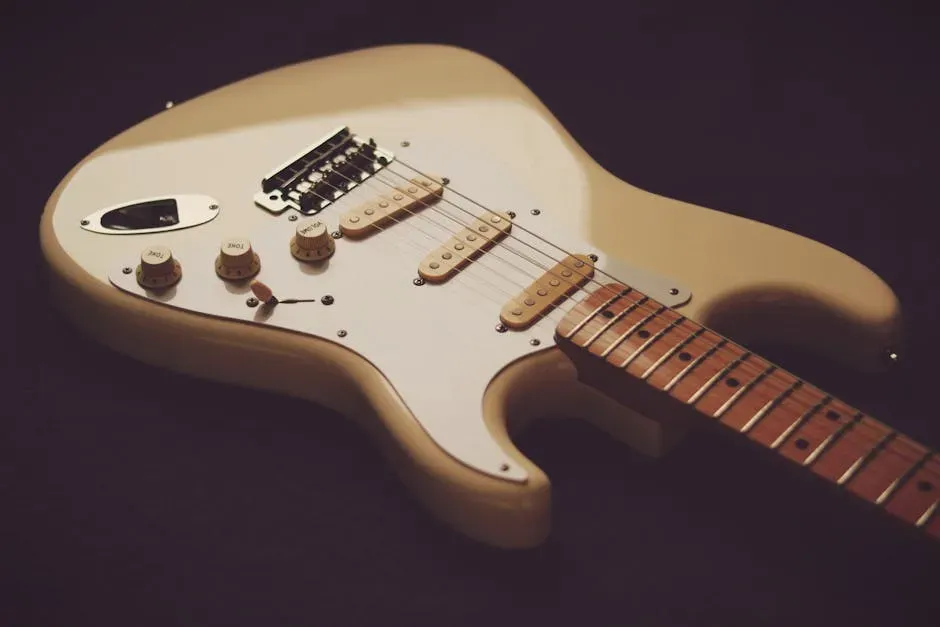
In August 2006, “Comfortably Numb” was voted the greatest guitar solo of all time in a poll by listeners of the radio station Planet Rock. David Gilmour is one of the greatest rock guitarists ever, preferring a cerebral, emotive approach over the brash technical peacocking that guitar heroes often do – and his finest moments rank among some of his era’s most impactful. Gilmour’s two guitar solos on “Comfortably Numb” advance the narrative without the need for words. The first solo comes just after the first chorus and uses the same hopeful, introspective chord progression. Like a crack in the armor, it briefly opens a window into the character’s inner world before the wall closes back in for the next verse.
Gilmour described his meticulous system for creating his epic guitar solo. “I banged out five or six solos,” Gilmour said. “From there, I just followed my usual procedure, which is to listen back to each solo and make a chart, noting which bits are good. Then, by following the chart, I create one great composite solo by whipping one fader up, then another fader, jumping from phrase to phrase until everything flows together.” The “Comfortably Numb” solo was recorded with a Strat into Hiwatt amps and Yamaha RA-200 rotating speakers.
#2 – “All Along the Watchtower” by Jimi Hendrix (1968)
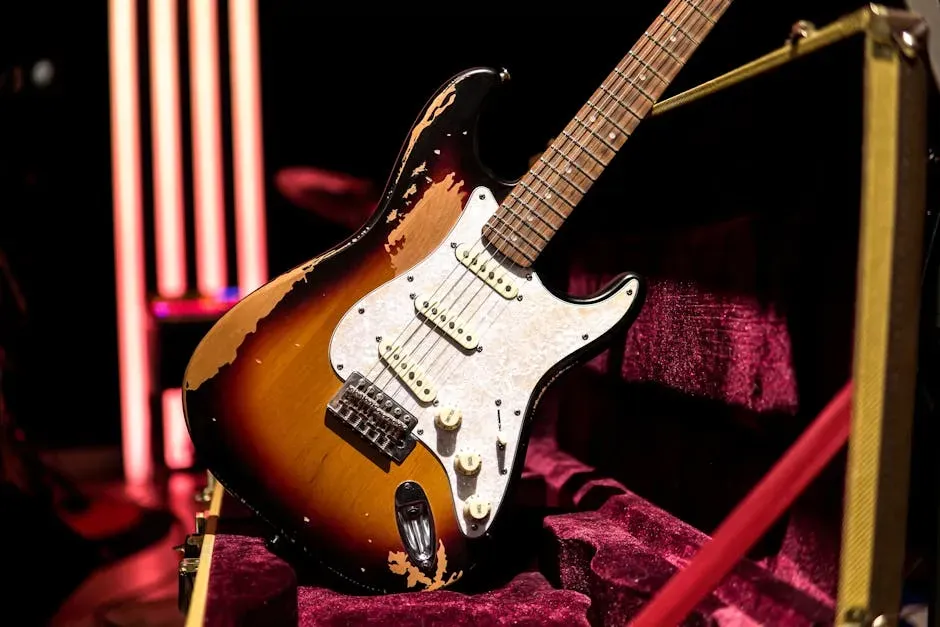
It’s an obvious thing to say that Hendrix was one of the greatest practitioners of the electric guitar, and almost any example of his playing would qualify – but his work on “All Along the Watchtower” is just a little different to his regular approach, and that’s what makes it stand out. In “All Along the Watchtower,” Hendrix’s unearthly improvisations carry listeners to far realms of aural exploration, leaving them breathless and awestruck. Originally written by Bob Dylan, Hendrix reshaped the song so completely that Dylan himself was reportedly stunned by the transformation.
Hendrix’s improvisational genius and fearless experimentation set new standards, making this solo not just a highlight of his career but a cultural touchstone. Every note feels like it’s pushing the boundaries of possibility. It’s hard to say for sure just how many guitarists Hendrix influenced, but the number is almost certainly staggering. The solo moves through raw, wailing blues phrases with an expressiveness that no amount of practice alone can produce. It remains one of the most emotionally loaded two minutes in all of rock music.
#1 – “Stairway to Heaven” by Led Zeppelin (Jimmy Page, 1971)

On January 29, 2009, Guitar World magazine rated Jimmy Page’s guitar solo the best of the publication’s 100 Greatest Guitar Solos in Rock and Roll History. In 2016, Classic Rock readers also voted Page’s work on “Stairway to Heaven” the greatest guitar solo ever. The legendary solo was played on a 1959 Fender Telecaster, a guitar gifted to Page by Jeff Beck.
Page worked out how he was going to come into the solo – the first two or three notes – but after that he didn’t work it out. He just played it. “It’s ad-libbed just as much as it would have been in any of the live shows,” he said. Page reflected that “it is what it is and you can tell that it’s just flying. It’s not a laboured solo, it’s not something that’s worked out, written down and read – it’s more like a stream of consciousness.” The song remains the biggest-selling single piece of sheet music in rock history, with an average of 15,000 copies sold yearly. Few solos in any genre have earned that kind of enduring reach.
Partner offer
Planning a trip to Vegas?
Compare hotel rates and show tickets on VEGAS.com.