There’s something that happens to certain patches of land after a festival ends. The stages come down, the crowds dissolve, but the ground itself seems to hold something back – a residue of collective experience that visitors decades later still feel when they walk the fields. It’s not mystical language for its own sake. It’s a pattern that keeps repeating across continents and centuries.
Some of these places were already considered sacred before the first amplifier was plugged in. Others earned that status through tragedy, cultural weight, or sheer repetition of human gathering. What links them is a quality that’s hard to quantify but impossible to miss once you’re standing there.
1. Bethel Woods, New York – The Woodstock Field
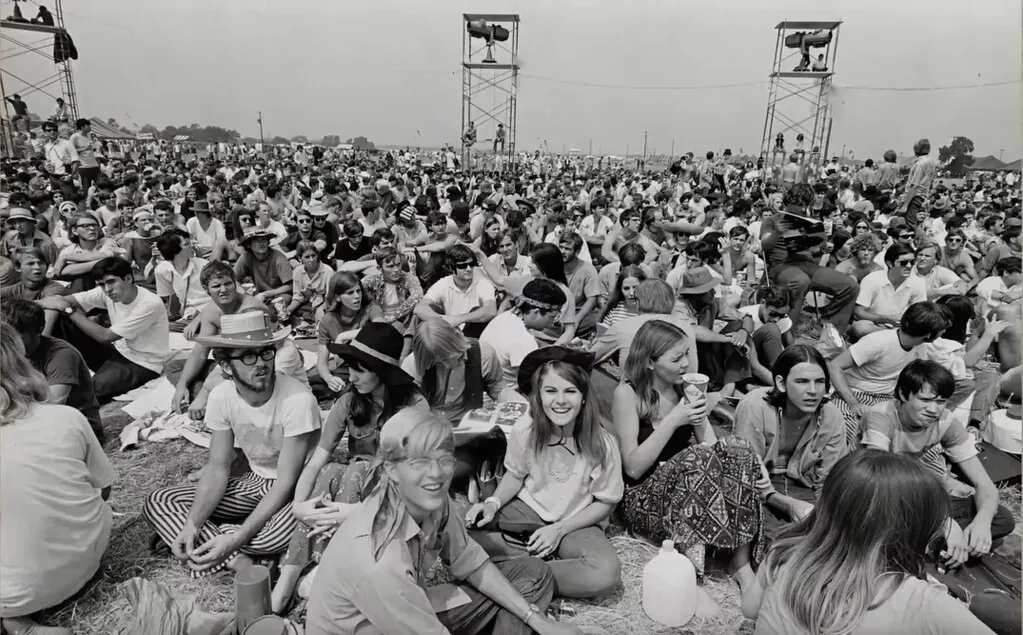
The Woodstock Music and Art Fair was held from August 15 to 18, 1969, on Max Yasgur’s dairy farm in Bethel, New York, billed as “an Aquarian Exposition: 3 Days of Peace and Music” and drawing an audience of more than 460,000 people. It was one of the largest music festivals in history and would become the peak musical event to reflect the counterculture of the 1960s, widely regarded as a pivotal moment in popular music history and a defining event for an entire generation.
In 2017, the site of the 1969 Woodstock festival was officially placed on the National Register of Historic Places, a formal acknowledgment of the significance of the site’s heritage. Through many visitor interviews, a mutual spiritual connection to the physical site has been noted, with people often remarking on the energy of the site – the impact of being there translates into a transcendent, special sensation. The field today hosts an award-winning museum and ongoing performances, but the original hillside remains the quiet center of it all.
2. Worthy Farm, Pilton – Glastonbury Festival
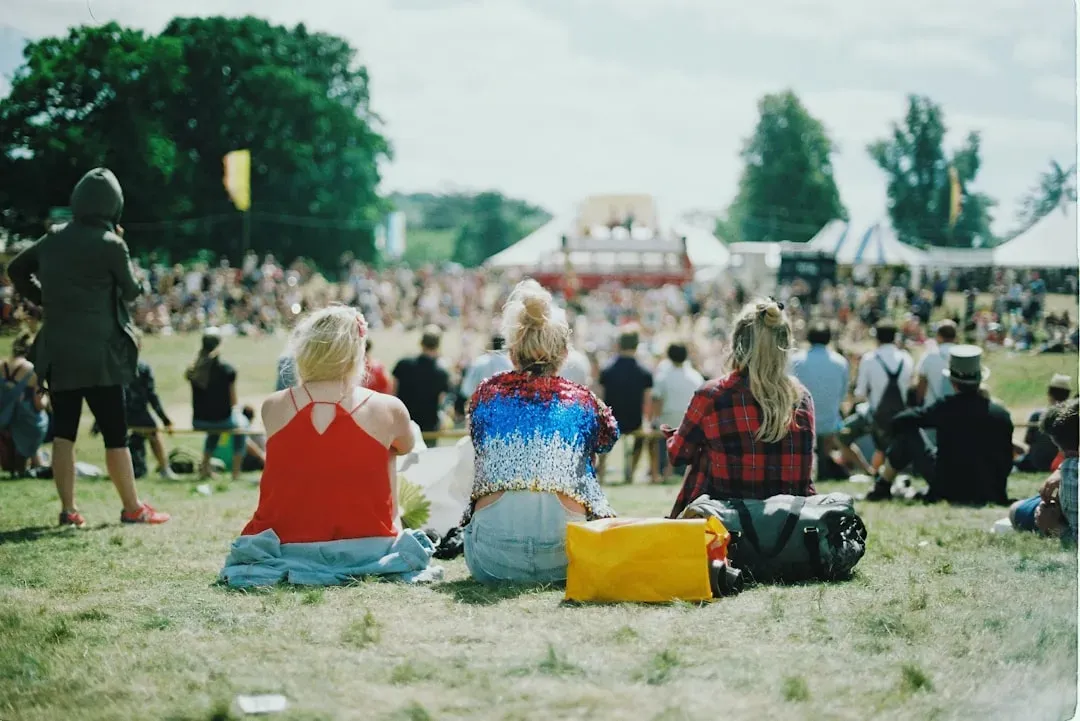
The Glastonbury Festival of Performing Arts, founded in 1970, is now the largest open-air music and performing arts festival in the world, although it is actually held at Worthy Farm between the small villages of Pilton and Pylle, some six miles east of the town of Glastonbury itself. The farm sits in a landscape that carries its own ancient gravity. Archaeological excavations of the broader Glastonbury area indicate that it was settled by the Romans and Saxons, but artifacts found on the plateau date as far back as the Mesolithic period, and Glastonbury Abbey nearby is believed to be the site of the earliest Christian church in Britain.
The Glastonbury Festival in England incorporates pagan elements alongside modern performances, with festival grounds transforming into temporary cities where thousands gather to experience live music, art installations, and cultural performances. Glastonbury is believed to be a powerful focal point for ley lines, with two of the most famous, the St. Michael Line and the Mary Line, thought to intersect at Glastonbury Tor, amplifying the area’s spiritual significance. Whether or not you subscribe to any of that, the scale of collective human feeling concentrated on this Somerset hillside year after year has left a mark that’s hard to dismiss.
3. Congo Square, New Orleans – Tremé Neighborhood
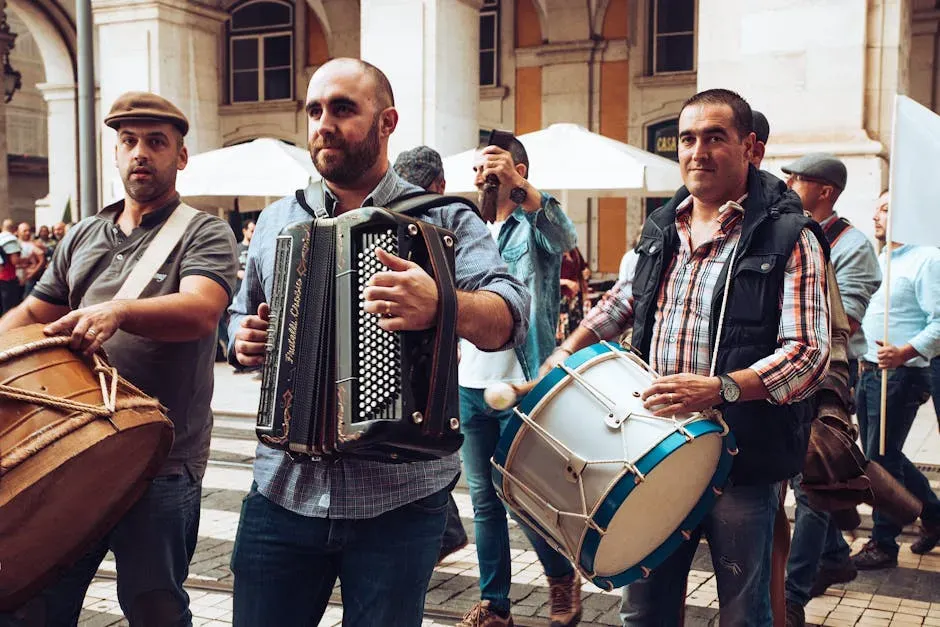
In the nineteenth century, Congo Square served as a gathering place where Africans, most of them enslaved, openly enjoyed traditional music, dance, and cuisine of the Mother Continent – and the cultural milieu there has led many scholars to believe it was the very ground that ultimately gave birth to New Orleans jazz. Music and dance in Congo Square served vital functions: they were a spiritual practice, a force for social cohesion, and a form of resistance to the city’s degrading racial order.
The first New Orleans Jazz and Heritage Festival took place there in 1970, and the first Congo Square New World Rhythms Festival occurred in 2007. The National Register of Historic Places listed Congo Square in 1993. In the twenty-first century, Congo Square continues to serve as a meeting place for New Orleanians, particularly those of African heritage, with Sunday drum circles, family gatherings, weddings, political demonstrations, music festivals, prayer vigils, and gospel performances extending its legacy as a venue of culture, recreation, spirituality, and politics. The ground has never stopped being used for its original purpose.
4. Roskilde Festival Grounds, Denmark
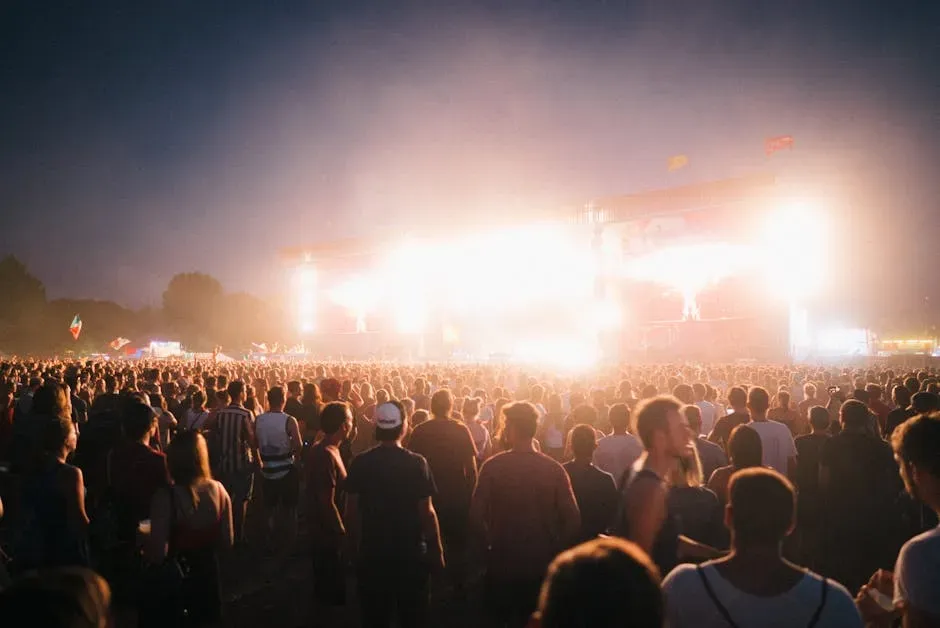
The Roskilde Festival is a Danish music festival held annually south of Roskilde, one of the largest in Europe. It was created in 1971 by two high school students and a promoter, and in 1972 the festival was taken over by the Roskilde Foundation, which has since run it as a non-profit organization for the development and support of music, culture, and humanism. Roskilde’s grounds carry not only decades of creative energy but also the weight of genuine grief. During a Pearl Jam performance in June 2000, nine young men were killed in a crowd crush near the main stage – a tragedy that reshaped festival safety standards across Europe.
Prior to the opening of the 2001 festival, a memorial to those killed in 2000 was constructed, containing a stone with the inscription “How fragile we are,” surrounded by nine trees. A safety network of European festivals and concerts, along with experts, was started in the aftermath, and many of the safety measures introduced at Roskilde have since been adopted elsewhere. That memorial grove now sits quietly within the annual festival grounds – a permanent reminder that joy and sorrow can share the same soil.
5. Glastonbury Tor, Somerset – Solstice Celebrations
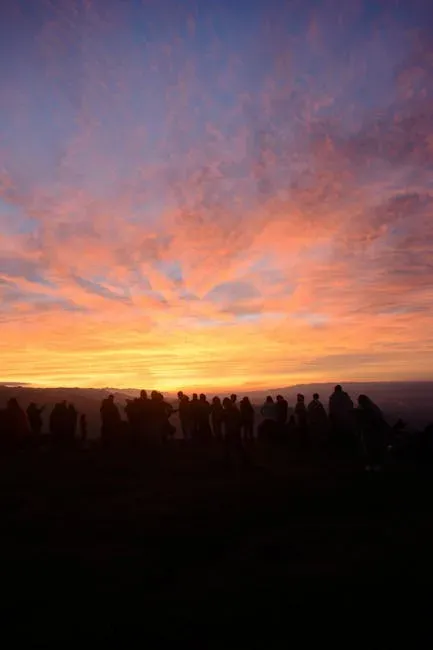
Many wondrous tales have been told about Glastonbury Tor through the ages, partly due to its status as a spiritual magnet for centuries for both Pagans and Christians. Some Neolithic flint tools recovered from the top of the Tor show that the site has been visited, perhaps with lasting occupation, since prehistory. The Tor has functioned as a festival ground in the oldest possible sense – a place where communities assembled at turning points in the year to mark time together.
Partner offer
Glastonbury Tor remains a site for pagan ceremonies and pilgrimages that include the Summer Solstice and Beltane, and worship there predates Christianity with pagan history that predates the written record. The Summer Solstice at Glastonbury Tor is a spiritually charged event that draws crowds eager to witness the longest day of the year, with celebrants gathering at the iconic Tor to perform rituals and watch the sunrise. Thousands still make the climb each midsummer, continuing a tradition that stretches back further than any name we have for it.
6. Afton Down, Isle of Wight – Counterculture’s Final Stage
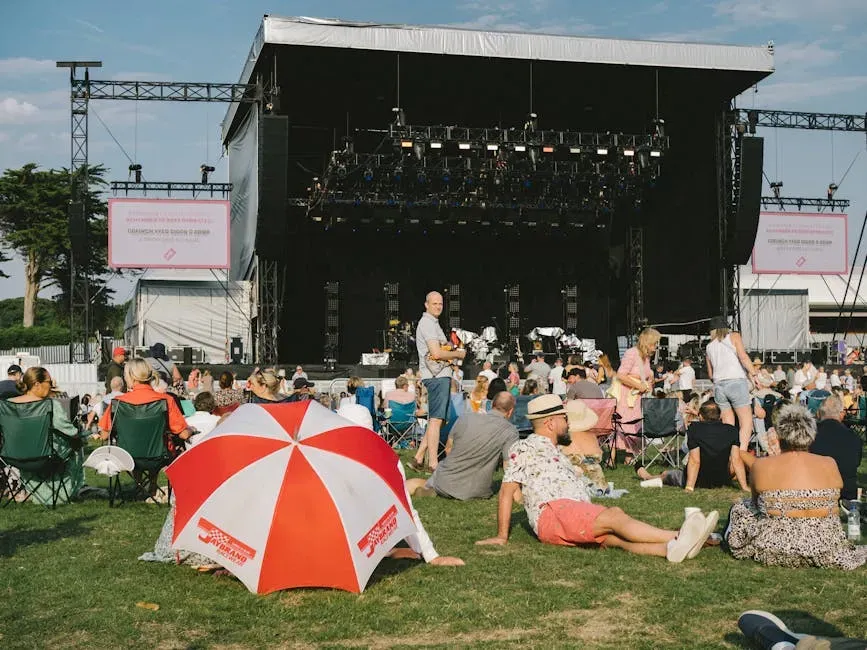
The Isle of Wight Festival is a British music festival that was originally a counterculture event held from 1968 to 1970. The 1970 edition at Afton Down drew an estimated crowd of between 600,000 and 700,000 people – one of the largest gatherings in human history at that point – featuring performances from Jimi Hendrix, The Who, Joan Baez, and The Doors, among many others. It was Hendrix’s last major festival appearance before his death weeks later, giving the site a particular weight in rock history.
The 1970 event was by far the largest of these early festivals, and the unexpectedly high attendance levels led Parliament to add a section to the Isle of Wight County Council Act 1971, preventing overnight open-air gatherings of more than 5,000 people on the island without a special licence. The law itself is a monument to how seriously those few days were taken. The event was revived in 2002 and has since been held annually, except for 2020 when it was cancelled due to the COVID-19 pandemic. The fields of Afton Down remain a pilgrimage point for those who understand what happened there.
7. Black Rock City, Nevada – Burning Man’s Playa
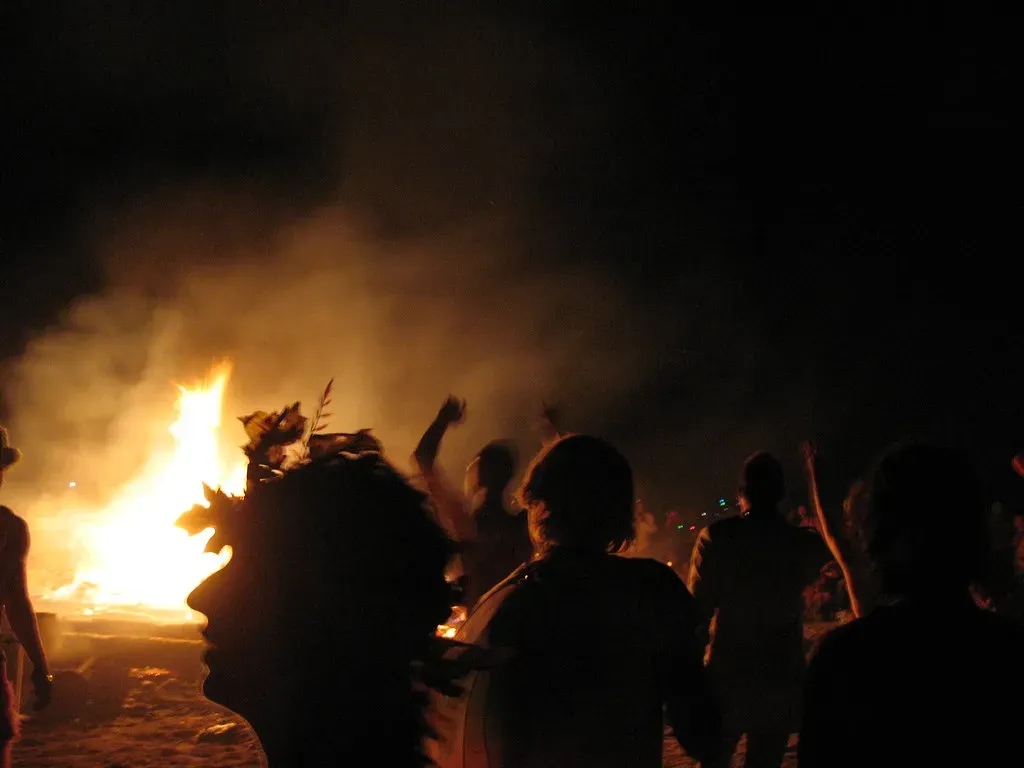
Each year, a temporary city of roughly 70,000 people rises from the dry alkaline expanse of Nevada’s Black Rock Desert for Burning Man. Then, within days of the event’s end, almost every trace of it vanishes. Black Rock City is described as the world’s most unique and inclusive arts festival, with participants immersing themselves in a vibrant metropolis dedicated to radical inclusion, self-expression, and communal effort. What makes the playa feel sacred is partly its starkness – there’s nothing there except what people bring and what they leave behind internally.
Central to the festival is the Temple structure, rebuilt each year in a different form, where participants leave offerings, photographs, and messages for the dead before it burns on the final Sunday. The burning of the Temple is always met with near-silence – an instinctive collective reverence that no organizer planned and no rulebook prescribed. The desert floor itself becomes a kind of altar, with participants describing the experience of walking the empty playa after the crowds leave as one of the most profound silences they’ve ever encountered.
8. Newport Folk Festival Grounds, Fort Adams, Rhode Island
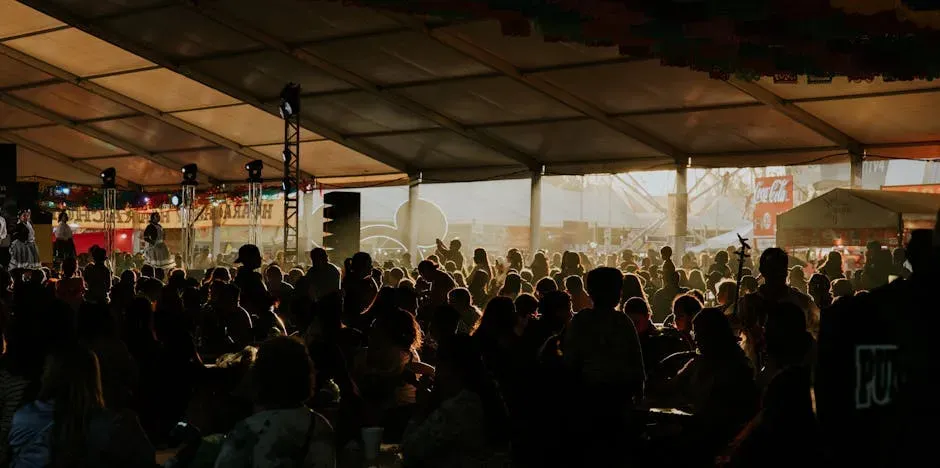
The Newport Folk Festival, first held in 1959, is one of the oldest and most consequential folk music festivals in the United States. Its grounds at Fort Adams State Park – a 19th-century military fortress overlooking Narragansett Bay – carry a layered history that predates the music by over a century. Bob Dylan famously went electric there in 1965, a moment that still generates debate and reverential discussion among music historians.
Festivals have long been significant in human culture and are found in virtually all cultures, with their importance evident in both private and public, secular and religious life. Newport is a particularly clear example of a place where a festival imprinted itself so deeply on a physical location that the site itself became the story. The fort’s stone ramparts and the water beyond them now form a backdrop inseparable from American folk music’s defining moments, and generations of musicians have treated a Newport performance as something closer to a rite than a gig.
9. Worthy Farm’s Stone Circle, Glastonbury – The Green Fields
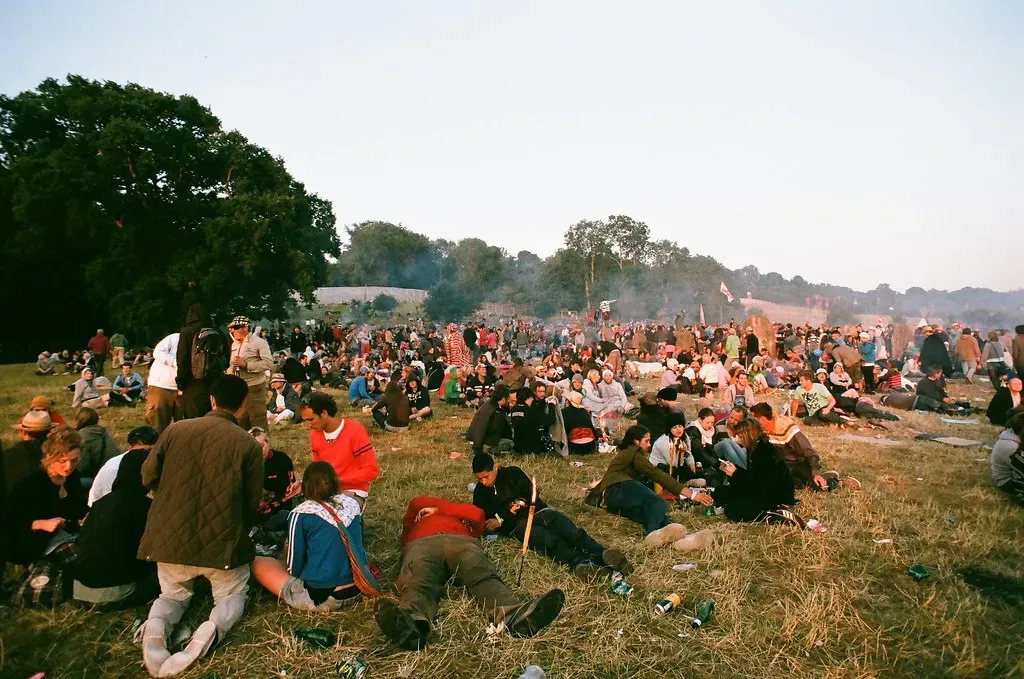
Within the broader Glastonbury Festival site at Worthy Farm, there’s an area known as the Green Fields – a quieter, more reflective corner of the grounds that includes a genuine ancient stone circle called the Pyramid Field’s neighbor, the Stone Circle campfire area. Festival-goers find drum circles, fire dancers, and sunrise ceremonies mixing with headline acts, creating an evolved version of traditional midsummer gatherings. The Green Fields have become a sanctuary within the festival, a place where people go to step outside the commercial energy of the main stages and find something slower.
Christian pilgrims still come to the broader Glastonbury area but are now outnumbered by pagan and New Age pilgrims and spiritual seekers who are drawn by the numerous legends that coalesce around the town – and every year the Glastonbury festival attracts thousands of music lovers alongside hundreds drawn to the Goddess Conference and other spiritual gatherings. The stone circle at the festival site sits at the meeting point of those two worlds: a genuinely old structure that has been adopted by the modern festival as a place of quiet within the noise. By now, after more than five decades of use, it carries its own accumulated meaning.
What these nine places share isn’t a uniform story. Some became sacred through joy, some through loss, some through the sheer weight of repetition, and others because the land was already sacred long before the first ticket was ever sold. The common thread is that people keep returning – not just for the next event, but to be where the last one happened. That instinct, to return to ground that has held something meaningful, may be one of the oldest human impulses there is.
Partner offer
Planning a trip to Vegas?
Compare hotel rates and show tickets on VEGAS.com.