Classic novels pick up a lot of folklore along the way. Some of it comes from school lessons, some from film adaptations, and some from stories repeated so often that nobody checks them anymore.
Scholars of literature and book history have spent decades testing these claims against letters, manuscripts, publishing records, and the texts themselves. Many familiar ideas hold up only partly, and a few don’t hold up at all.
Frankenstein Is the Name of the Monster

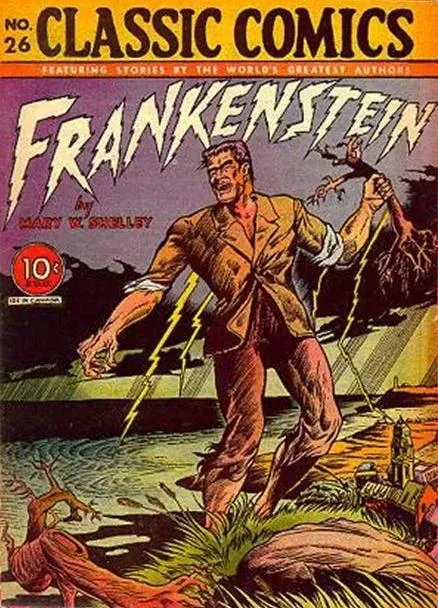
In Mary Shelley’s novel, Victor Frankenstein is the scientist. The creature he builds never receives a name. It is addressed in other ways, and the confusion mostly comes from stage and film versions that put the title on the monster.
Some people argue that the shared name is a fair shorthand, since the creature is Victor’s creation. Still, most scholars treat the distinction as central to the book. The unnamed creature is part of its point about responsibility and abandonment.
Jane Austen Wrote Only Light Romances

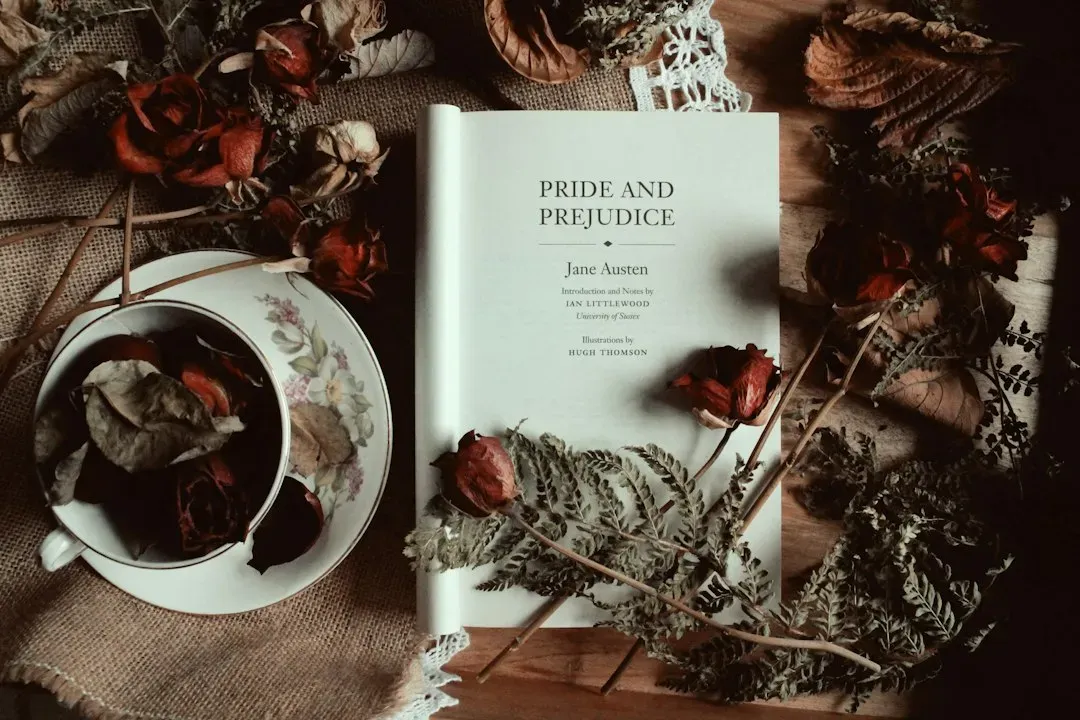
Austen’s novels do end in marriages, which fuels the idea that they are simple love stories. Critics have long noted how much of her work is about money, inheritance, and the limited choices open to women of her class. Marriage in her books is often an economic decision as much as an emotional one.
Her irony also cuts at social pretension and bad judgment. Reading her only as comfort fiction misses that edge. Scholars generally see the romance plots as a frame for sharp social observation.
Moby-Dick Was a Bestseller That Melville Enjoyed

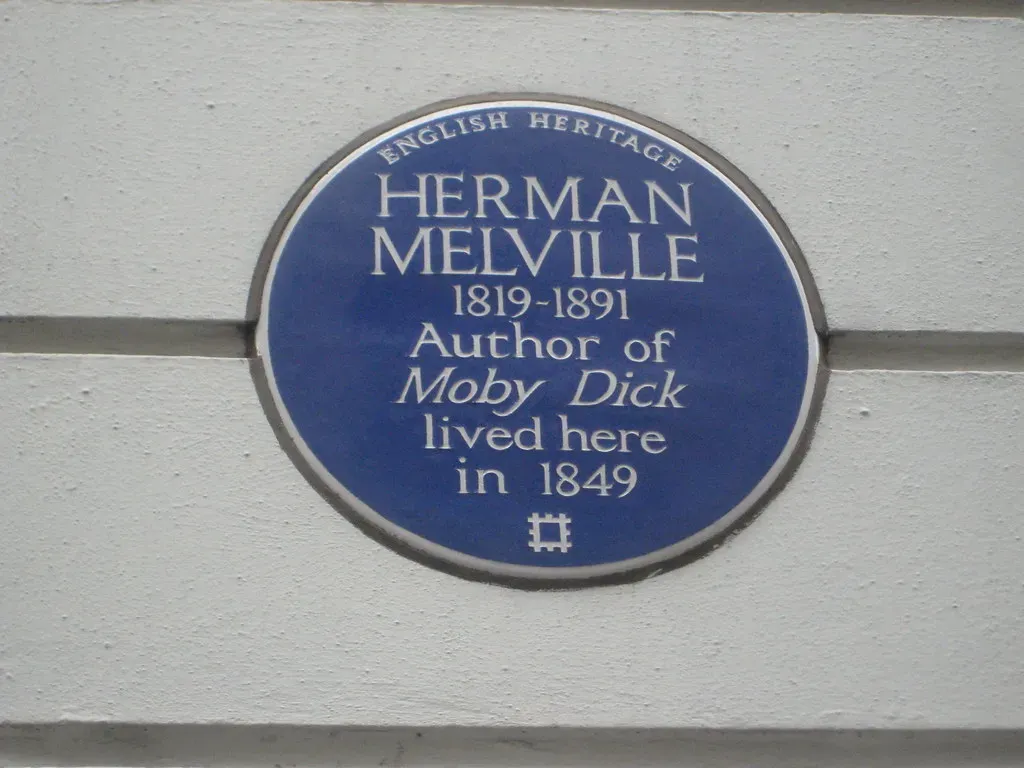
Many assume a novel this famous was celebrated from the start. In fact, Herman Melville’s book sold modestly after its 1851 publication, and reviews were mixed. His reputation fell in later years, and he worked a customs job for much of his later life.
The novel’s standing grew mainly in the twentieth century, during what is often called the Melville revival. Its status as a great American novel is therefore a later verdict, not a contemporary one.
Dickens Was Paid by the Word

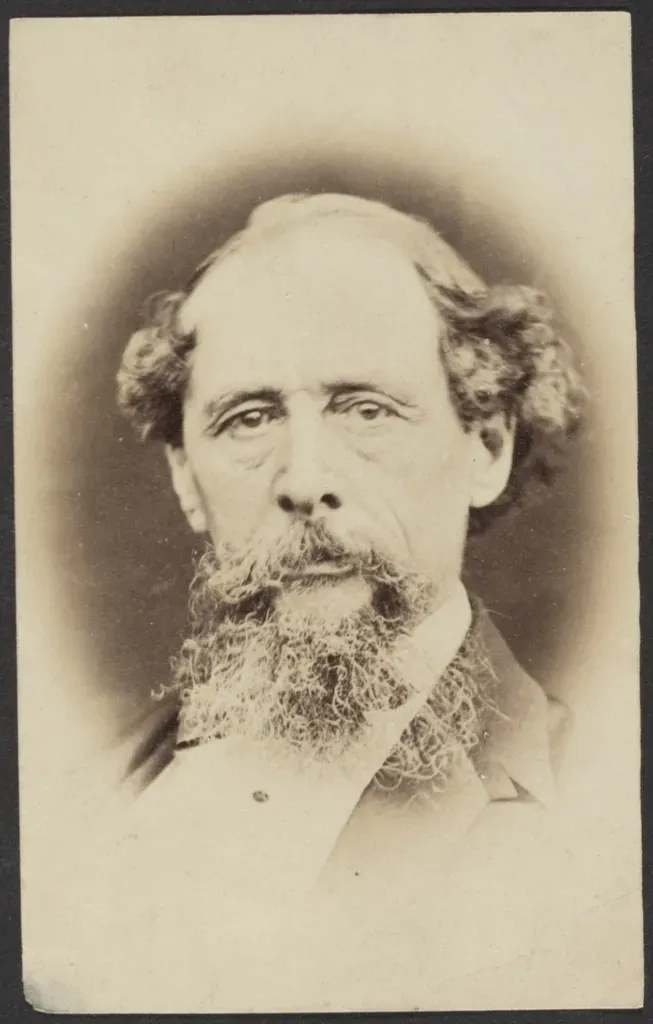
This claim is repeated constantly to explain Charles Dickens’s long sentences and sprawling plots. Historians of publishing point out that his novels were serialized in installments, and payment was tied to arrangements with publishers and sales, not a simple per word rate. The format did shape his style, since each part needed hooks and a fixed length.
So the serial format matters, but the pay by the word story is an oversimplification. Dickens also wrote at length because he enjoyed it and because readers kept buying.
Wuthering Heights Is a Great Love Story

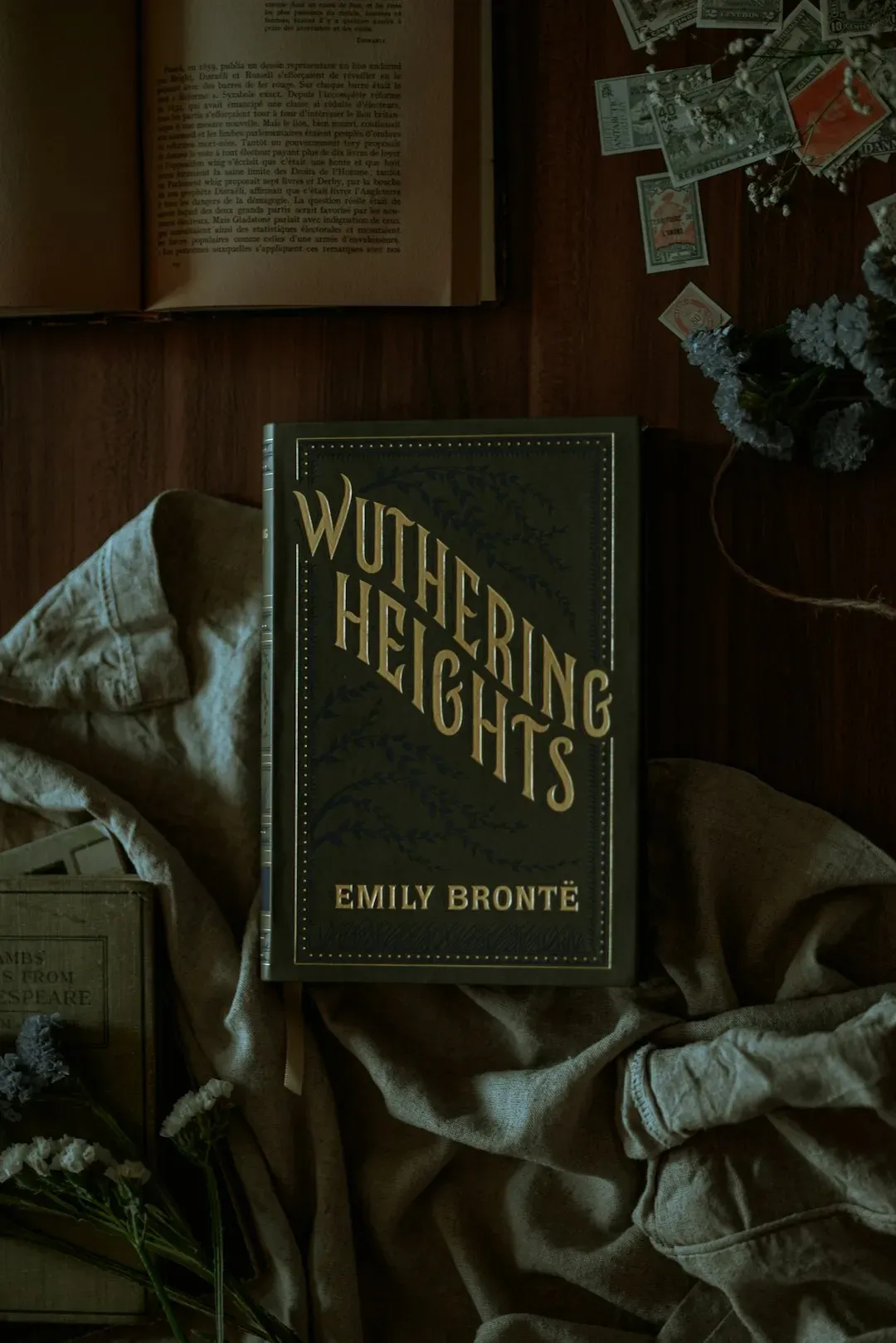
Popular culture often presents Heathcliff and Catherine as a model romantic couple. Emily Brontë’s novel shows cruelty, revenge, and damaged lives across two generations. Many readers and critics now see it as closer to a dark study of obsession and class resentment.
Partner offer

The book was also received uneasily when it appeared in 1847. Its violence and moral ambiguity disturbed some early reviewers, which already hints that it was never meant as a comfortable romance.
Shakespeare-Level Genius Means Classics Were Always Instantly Recognized

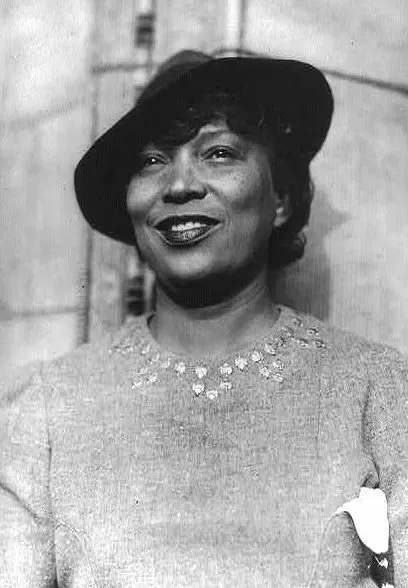
It is tempting to think great novels are obvious from the start. Book history suggests otherwise, because canons are built over time by critics, teachers, publishers, and prize committees. Moby-Dick is one example, and Zora Neale Hurston’s Their Eyes Were Watching God is another.
Hurston’s novel was published in 1937 and received a mixed response. It became widely taught after the 1970s, in part thanks to the efforts of writer Alice Walker and other scholars who revived interest in her work.
The Great Gatsby Was a Hit in Its Day

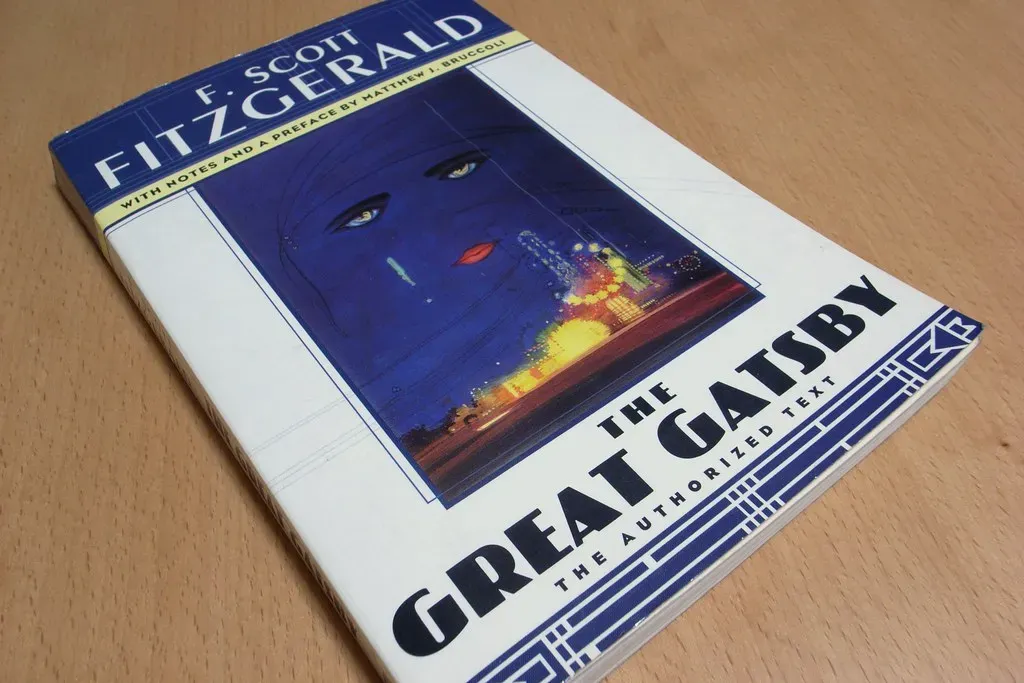
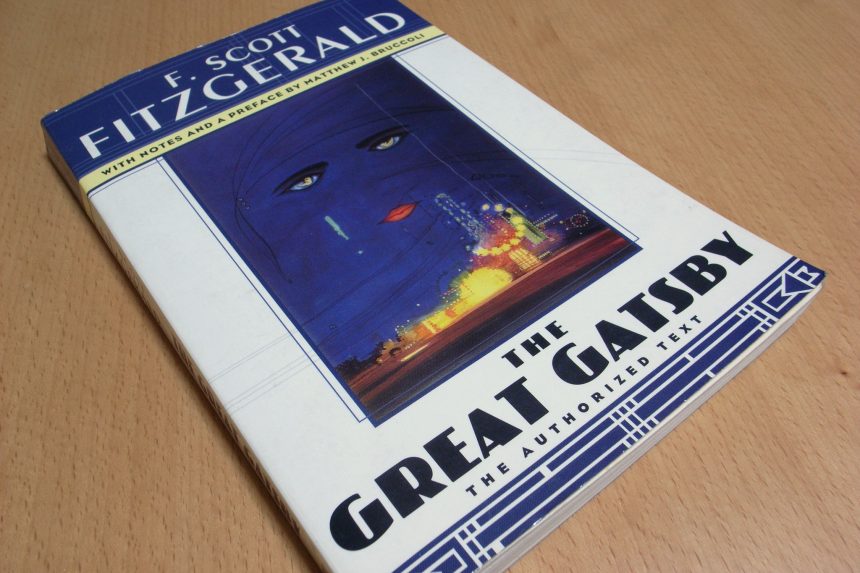
F. Scott Fitzgerald’s 1925 novel is now a staple of American schools. At the time, it sold below his earlier books, and he died in 1940 believing it had not found its audience. A large part of its popularity grew after World War II, helped by an armed services edition that put copies in the hands of many soldiers.
Scholars therefore describe its canonical status as a later development. The novel’s current fame says more about changing tastes than about its first reception.
Classic Novels Were Written for Elite Readers

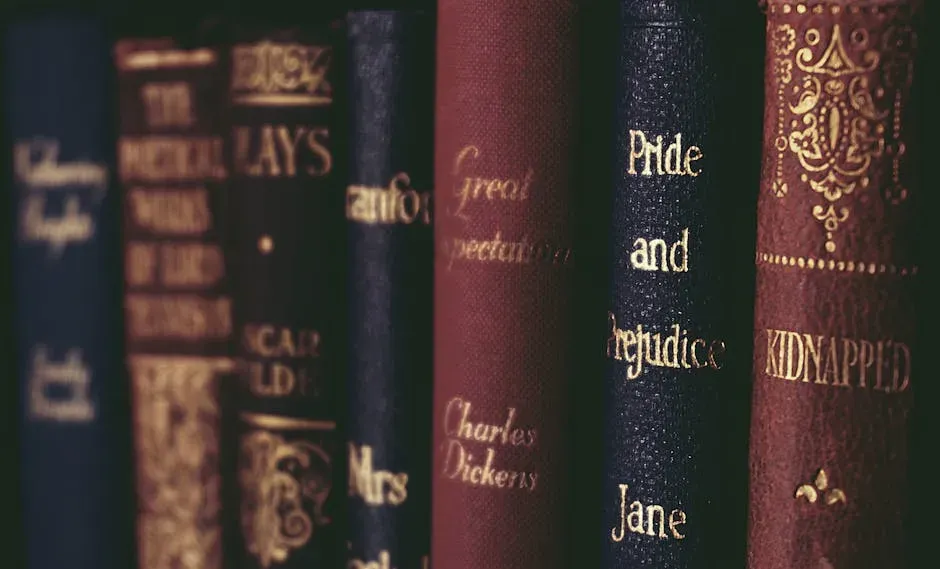
Many people picture these books as highbrow works for educated audiences. Yet much nineteenth century fiction was published in magazines, in cheap installments, or through circulating libraries to a broad readership. Dickens in particular had a very wide public.
Today’s reverence can hide that history. Several books now seen as difficult started as popular entertainment, so the line between literature and mass fiction was less firm than it looks.
Don Quixote Is Simply a Comedy About a Madman


Cervantes’s novel is full of slapstick, and many readers recall it mainly as a joke about a deluded knight. Scholars point to its layered play with authorship, narration, and the nature of fiction itself. Part Two even has characters who have read Part One.
Because of that, it is often described as a foundation of the modern novel. The humor is real, yet it works alongside serious questions about reality and imagination.
Classics Are Timeless and Mean the Same Thing to Everyone

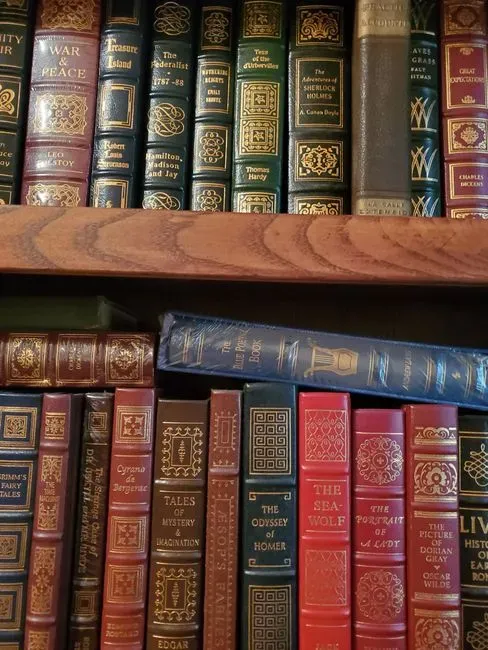
It is common to hear that great books speak to all people in all eras. Reception studies show that readings shift as social values change, so a novel can be seen as a romance in one period and a critique in another. Jane Eyre, for instance, has been read through feminist and postcolonial lenses that earlier audiences rarely used.
Translation and editing add more variation. Different editions can alter wording or even content, so what readers call the same classic is sometimes a slightly different text.
Partner offer
Planning a trip to Vegas?
Compare hotel rates and show tickets on VEGAS.com.