Some performances don’t need runtime to leave a mark. A handful of actors have walked into a film for a matter of minutes, delivered something unforgettable, and then walked right back out, leaving audiences to wonder how they filled an entire two-hour movie with a memory that short. What makes these cases interesting isn’t just brevity. It’s the ratio of impact to time, a kind of efficiency that most performers spend careers chasing and rarely find. Here are five actors who proved that screen time and screen presence are not the same thing.
1. Judi Dench brought down the house in eight minutes as Queen Elizabeth I

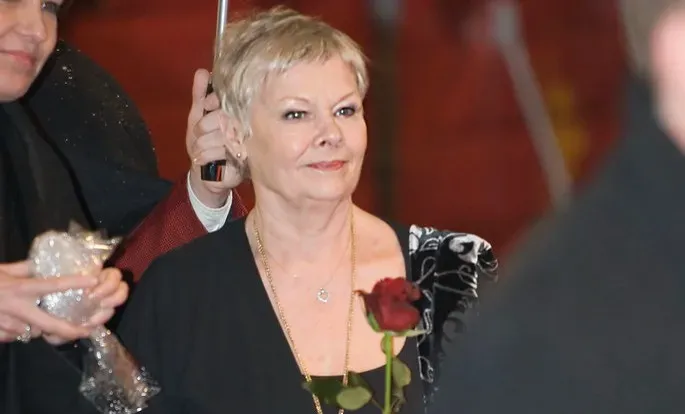
When Judi Dench played Queen Elizabeth I in Shakespeare in Love, she appeared onscreen for roughly eight minutes total, yet she still walked away with the Academy Award for Best Supporting Actress in 1999. Judi Dench needed just eight minutes as Queen Elizabeth I to collect one of the most debated Oscars of the 1990s. Her performance still fuels arguments over whether the Academy rewards sheer craft or simply the right role at the right moment.
Dench’s most quoted scene involves nothing more than a muddy puddle. In her final scene, she stands before a mud puddle, waiting for her ancillary noblemen to lay down a coat for her to walk across, and when they hesitate, the Queen tromps through the mud, impatiently muttering, “Too late, too late.” It’s a small, human touch that turned a monarch into a person, and it’s the kind of detail that lands harder than an entire subplot would have.
2. Beatrice Straight delivered the shortest Oscar winning performance in history

If there’s a gold standard for doing more with less, it belongs to Beatrice Straight in Network. The shortest performance to win an acting Oscar was Beatrice Straight’s role as Louise Schumacher in Network, and with just a little over 5 minutes of total screen time, she took home Best Supporting Actress at the 49th Academy Awards. Nearly five decades later, nobody has come close to breaking that record.
The bulk of her impact comes down to a single kitchen scene. Seated in their kitchen, Max confesses to Louise that he is having an affair with a younger woman, and what follows is an extended monologue in which Louise expresses her anger, her sadness, and eventually the beginnings of her acceptance that her marriage is over. It’s the kind of scene actors dream about landing, and Straight made every second of it count against a cast that included eventual winners Peter Finch and Faye Dunaway.
3. Anthony Hopkins turned sixteen minutes into one of cinema’s most chilling roles

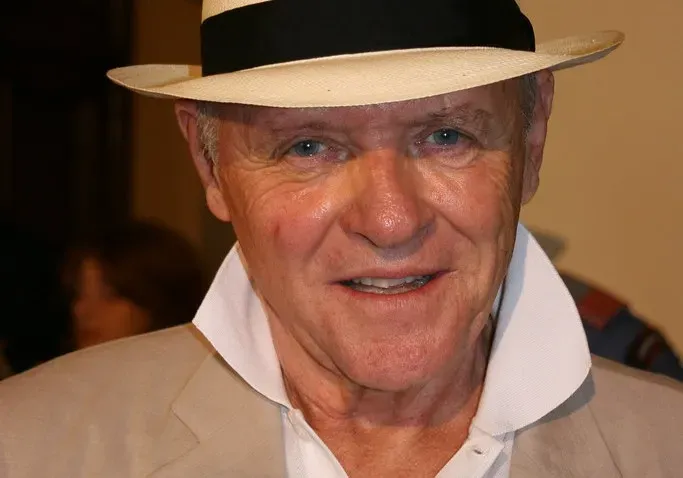
Anthony Hopkins is remembered as the definitive Hannibal Lecter, yet his actual time in The Silence of the Lambs was surprisingly limited. Reports consistently place his screen time at around sixteen minutes, a fraction of the film’s runtime, though it earned him the Academy Award for Best Actor in 1992. The character’s menace comes almost entirely from a handful of tightly staged conversations behind glass, rather than from any physical presence sprawled across the plot.
What makes the role endure is how densely Hopkins packed each scene, using stillness, eye contact, and controlled speech patterns rather than volume or movement. Lecter never needed a chase sequence or an action beat to dominate the film’s atmosphere. It’s a masterclass in the idea that dread doesn’t require duration, just precision.
Partner offer

4. Alec Baldwin owned Glengarry Glen Ross with a scene that wasn’t even in the original play

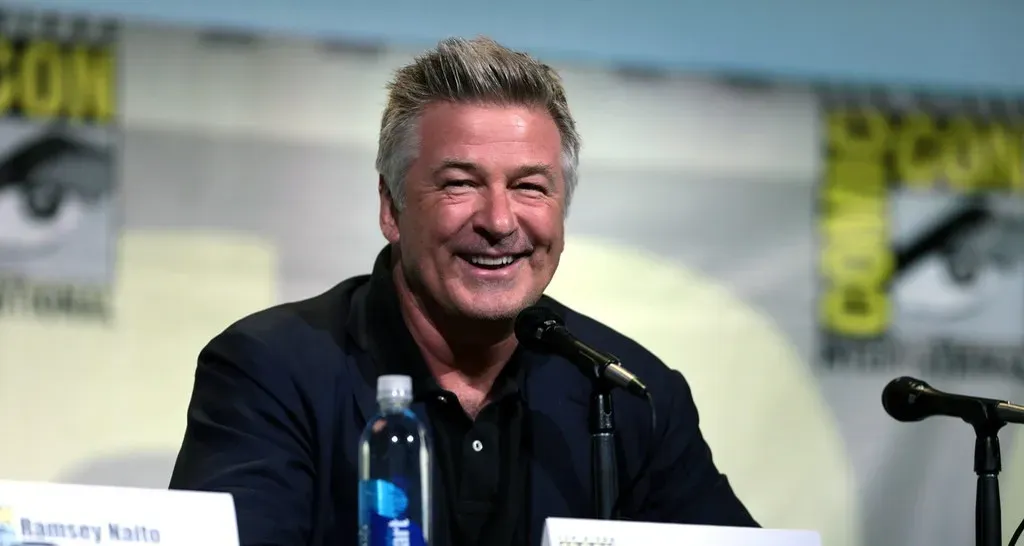
Alec Baldwin’s role as Blake in Glengarry Glen Ross has become one of the most quoted single scenes in American film, despite the character existing for less than eight minutes of runtime. For his role as the villainous outsider Blake in Glengarry Glen Ross, Alec Baldwin had a mere 7:45 of screen time. Remarkably, the character was not part of David Mamet’s original Pulitzer winning play at all.
Arguably the most iconic and quoted moment in the film version is Alec Baldwin’s Blake character berating the real estate salesmen, though that character did not have any lines in David Mamet’s 1984 Pulitzer winning play, and Mamet added Blake’s speech to his screenplay at the behest of New Line Cinema for the 1992 film. Baldwin, only thirty four at the time, was tasked with dressing down screen veterans like Jack Lemmon and Al Pacino, and the scene has since outlived nearly every other moment from the film in pop culture memory.
5. Michael Keaton made the title character the least seen person in Beetlejuice

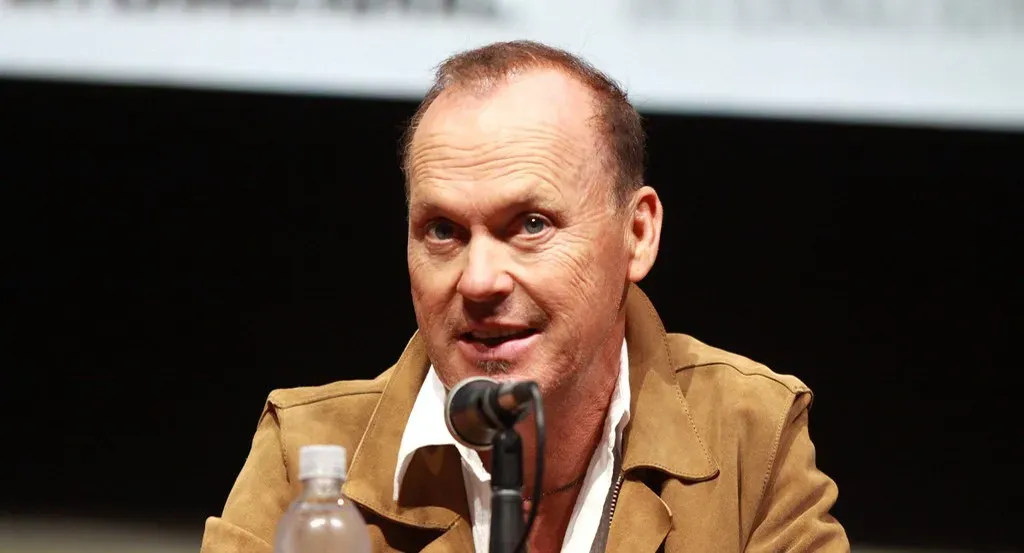
It sounds like a contradiction, but the actor whose name is in the title barely shows up. Michael Keaton told GQ magazine that one of his stipulations for returning as Beetlejuice was for the sequel not to beef up his screen time, since the character is only on screen in the 1988 original for 17 minutes. Out of a ninety two minute runtime, that leaves the vast majority of the movie without him.
Even his signature look barely registers in terms of raw minutes. The character actually spends very little time on-screen, and his famous pinstripe suit is even rarer throughout the film, clocking in at just two minutes. Keaton reportedly filmed his part in about two weeks, ad-libbing much of the dialogue, and somehow that brief, chaotic burst became the character audiences most associate with the entire franchise, sequel included. These five performances share a common thread: none of them relied on runtime to earn their place in film history. A puddle, a kitchen confession, a pair of glasses and a stare, a chalkboard speech, a green suit glimpsed in flashes. Each actor understood that the audience remembers intensity, not duration, and that a scene done right can outlast an entire movie built around someone else.
Partner offer
Planning a trip to Vegas?
Compare hotel rates and show tickets on VEGAS.com.