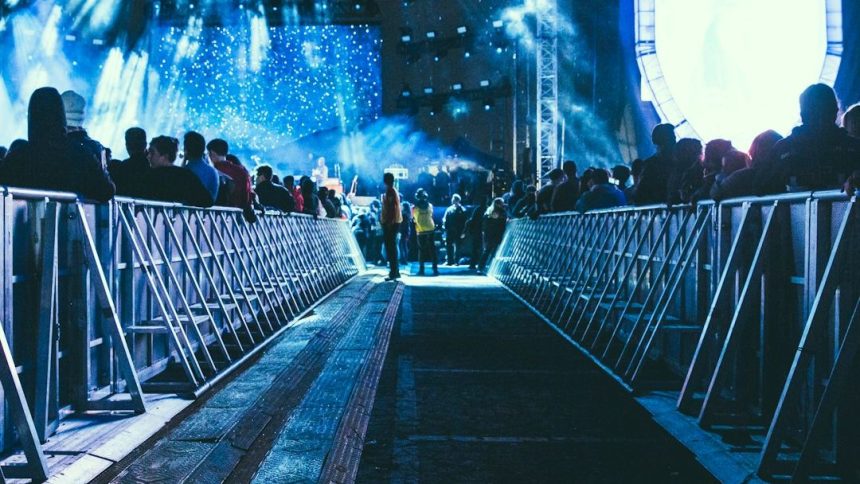
Live concerts have become more strictly managed environments than most fans realize. Venues today operate with layered security systems, trained staff, and detailed codes of conduct that carry real consequences for those who cross the line.
What many concertgoers treat as harmless fun or accidental behavior can, in the eyes of a security team, meet the threshold for immediate ejection. Some of these rules are obvious. Others are surprisingly easy to stumble into without thinking. Here are ten habits that security professionals consistently flag as grounds for removal.
1. Throwing Objects Toward the Stage
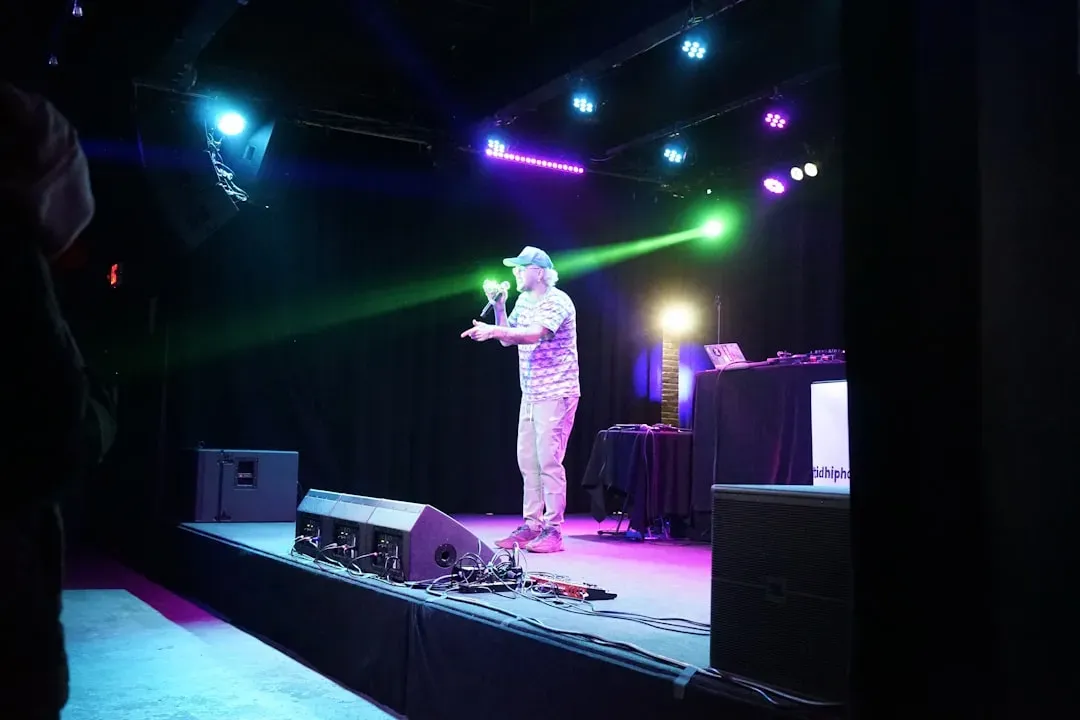
This is perhaps the most high-profile problem in live music right now. In recent years, fans at concerts have been throwing objects at performers, sometimes hitting them directly. The consequences for the artists have been severe enough that venues across the board now treat any throwing incident as an automatic ejection offense. Singer Bebe Rexha halted her performance in Green Bay, Wisconsin, to have a number of audience members ejected from the venue after fans threw items at the stage.
In 2025, country star Luke Bryan was hit in the face by an object during a performance at the North Dakota State Fair. Many artists have publicly criticized the trend, arguing that throwing items onstage is not harmless fan behavior but a genuine safety issue. Security staff are now specifically instructed to watch for any arm motion toward the stage, and removal is typically immediate, with police involvement possible in more serious cases.
2. Rushing or Attempting to Access the Stage
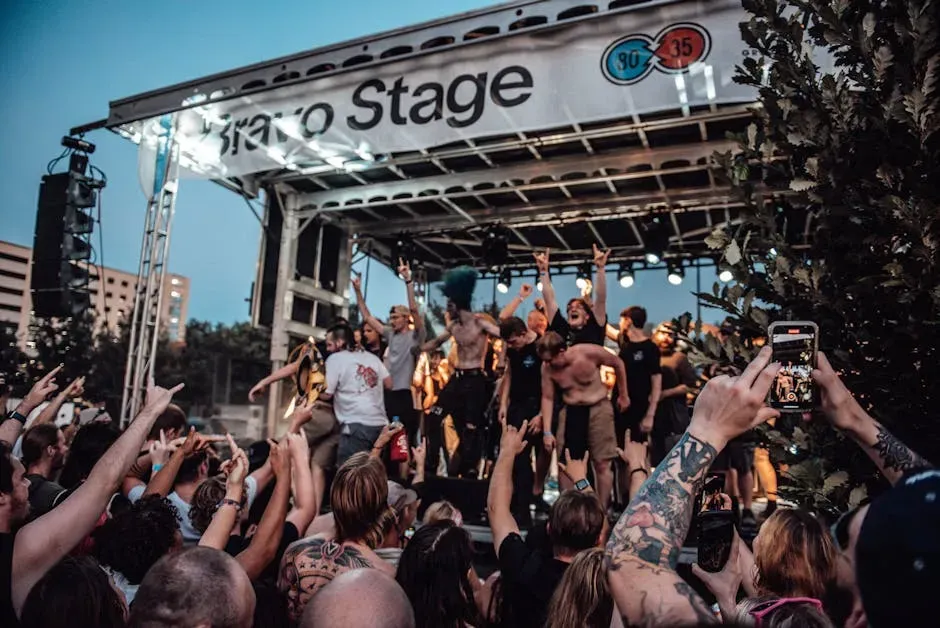
Fans sometimes try to break barriers, rush the stage, or sneak backstage. This is treated as one of the most serious behavioral violations at any live event, triggering a swift security response every single time. A man hopped on stage and slapped singer Ava Max during a show in Los Angeles, and that man was immediately rushed away by security.
Swarming, which involves rushing the field or stage or trying to crash the gates, can result in injury or death from trampling. Because the physical risk extends to other fans and performers alike, security teams control backstage areas, manage travel paths, and guard the stage so performers can focus on the show while staying safe. There is no warning system in place for this one. Anyone who breaches a barrier is escorted out.
3. Bringing Prohibited Items Past Security
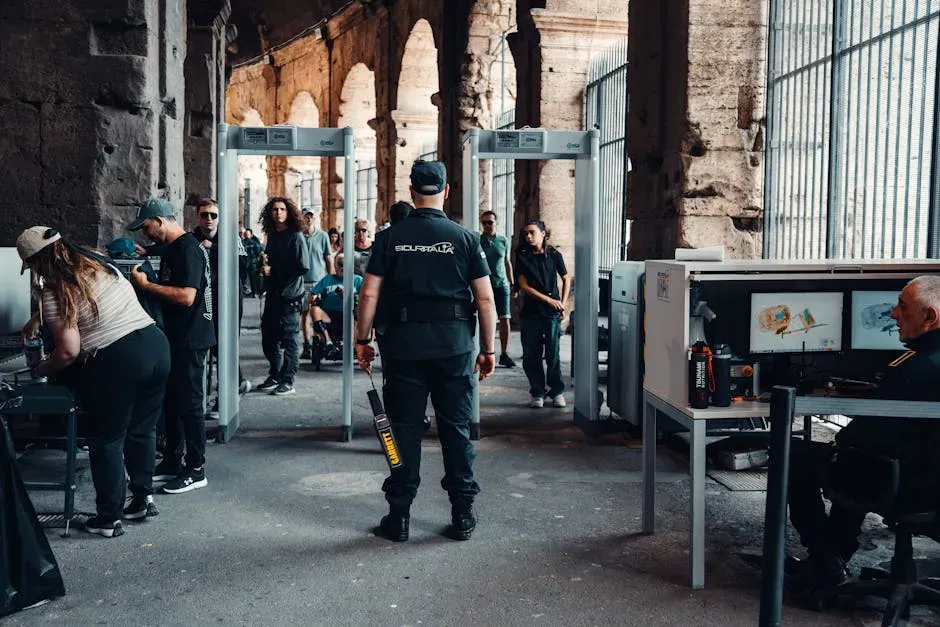
Common banned items include outside food and beverages, professional cameras with detachable lenses, selfie sticks, laser pointers, aerosol containers, and any weapons or items that could be used as weapons. Most attendees assume these rules are suggestions, or that a missed item during bag check means they’re in the clear. That assumption is wrong. If a guest is found inside the venue with a prohibited item, the item will be confiscated and the guest may be ejected from the facility.
Many venues provide detailed lists of prohibited items on their websites, encouraging fans to leave these items at home. The range of what qualifies as “prohibited” keeps growing. Items that are considered fire hazards may be prohibited, including aerosol products and some sunscreens, and other items that could impact crowd safety include laser pointers, large inflatable toys, and even some large flags. Discovering a banned item on you mid-show almost always means losing both the item and your spot in the crowd.
4. Aiming a Laser Pointer at the Stage or Crowd
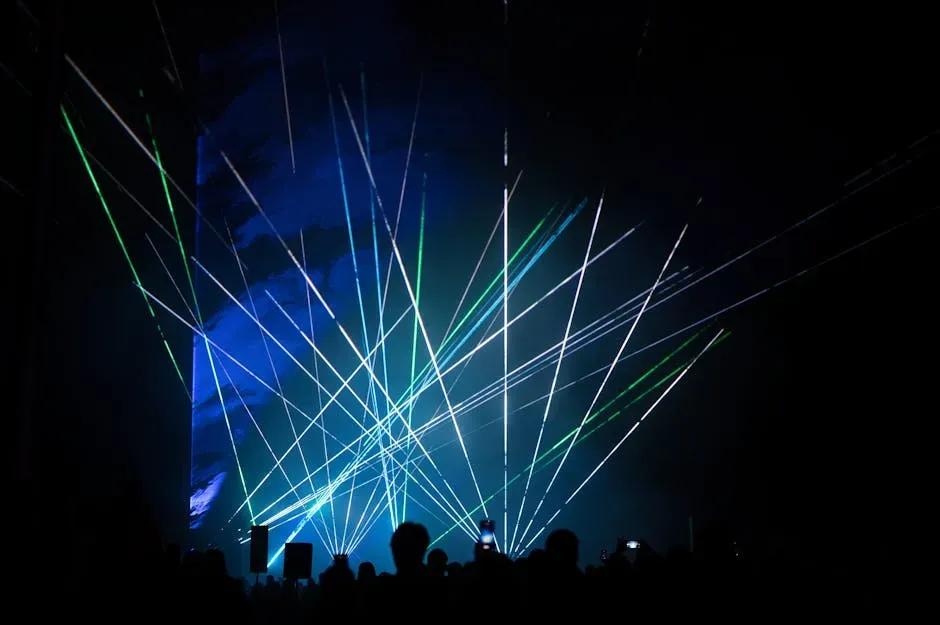
Laser pointers are banned at virtually every major concert venue, yet fans occasionally try to sneak them in. The reason is straightforward: a direct beam aimed at a performer’s eyes can cause temporary or even lasting vision damage, and the same goes for other audience members. No laser pens, laser pointers, or similar focused light devices are permitted at events like Ultra Music Festival. This rule extends well beyond individual festivals and is standard practice at arenas, amphitheaters, and clubs.
Recording equipment, laser pointers, and other electronic devices are prohibited at venues including the LA Greek Theatre, which lists them alongside audio and video recording gear. Security guards do not just stay in one place. They patrol the venue, both on foot and sometimes in vehicles, to watch for unusual activity and identify potential troublemakers. Anyone caught pointing a laser device at the stage or into the crowd can expect immediate removal and possible police referral.
5. Filming with Professional or Large Camera Equipment
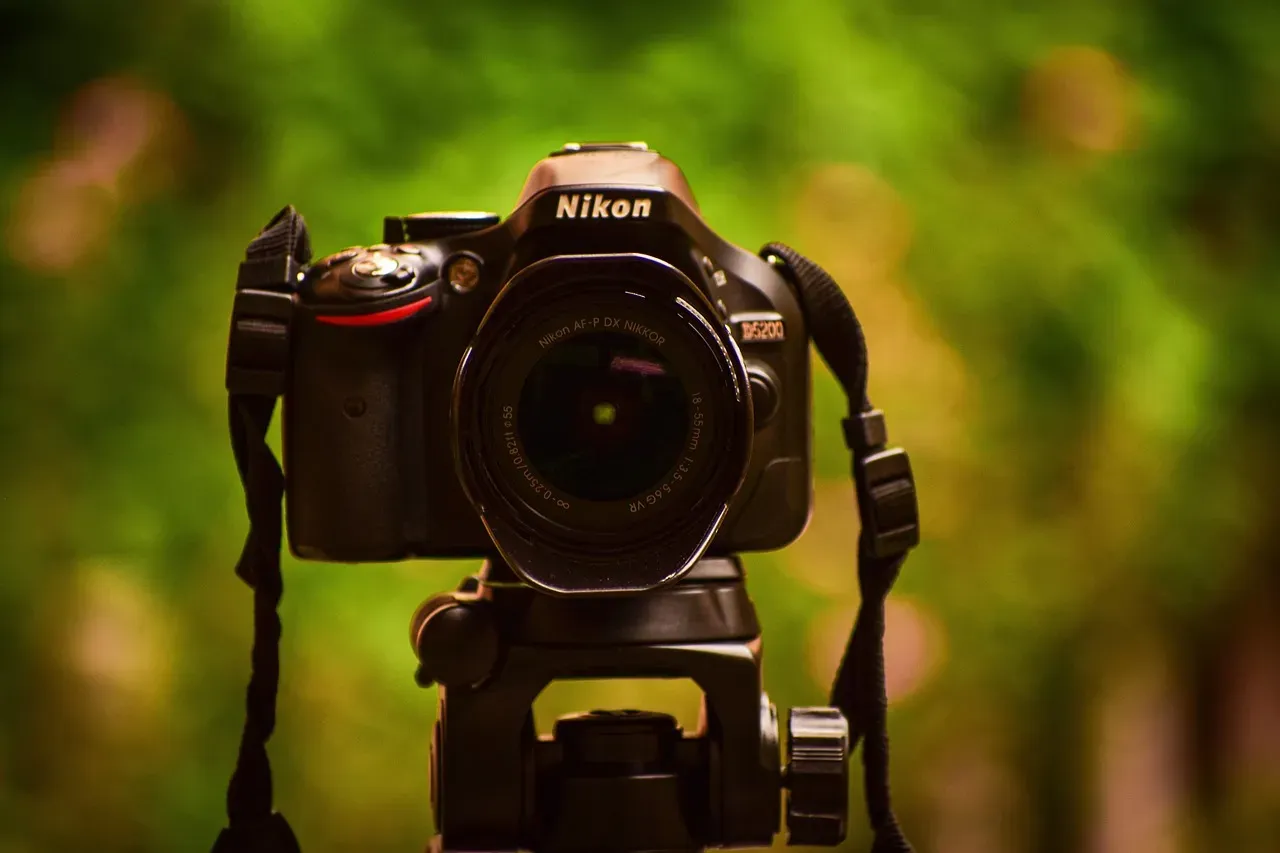
Pulling out your phone to snap a few photos is one thing. Arriving with a DSLR camera, a detachable telephoto lens, or a tripod is another matter entirely. Tripods, monopods, and selfie sticks are prohibited at many venues, and guests may not bring audio or video recording devices, including video cameras, camcorders, and audio recording equipment. This policy is largely driven by artist contracts and copyright concerns, but safety plays a role too.
Concertgoers at some shows receive emails before events warning them that taking photos or videos will result in being kicked out without a refund. During one A Perfect Circle concert, security removed over 60 people for taking pictures. Even when a phone policy is the specific rule, attempting to circumvent it with professional gear virtually guarantees ejection. Security personnel are trained to identify prohibited items quickly.
6. Visible Intoxication or Bringing in Outside Substances
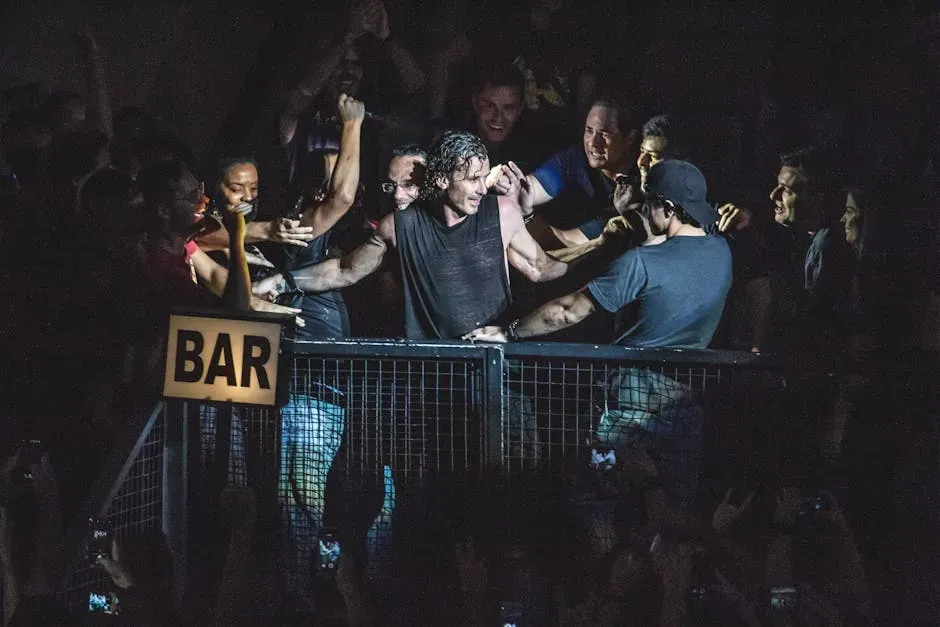
Substance overuse is a key driver of aggressive behavior at concerts, with some fans arriving at show venues already altered by alcohol and drugs, and the imbibing often continuing throughout the event. Security teams are trained to recognize the signs of extreme intoxication, and most venues have a clear policy: if you appear dangerously drunk or disruptive upon arrival, you may not even get through the door. Security should refuse entry to known and potential troublemakers, including highly intoxicated people.
When alcohol or other substances enter the mix, things can escalate quickly. Some attendees may get overly aggressive, push through barriers, or even try to rush the stage, and people who’ve had too much to drink may become disruptive or need medical attention. Smuggling outside alcohol into a venue compounds the problem significantly. The goal of security at the gates is to stop weapons, drugs, or unauthorized people from entering. Getting caught with contraband substances typically means immediate removal and, in many cases, referral to law enforcement.
7. Attempting to Access VIP, Backstage, or Restricted Areas
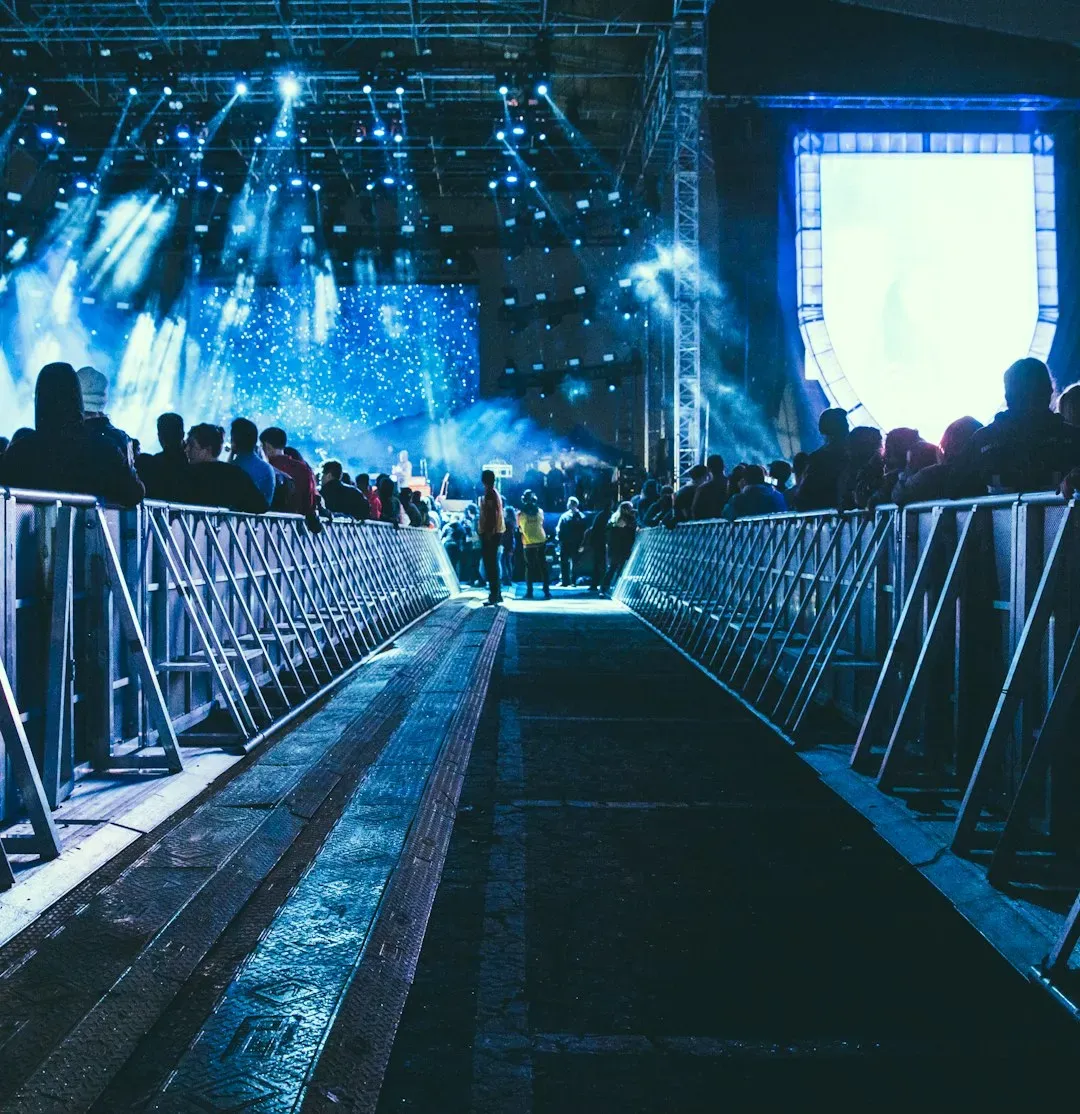
Backstage areas, VIP sections, and production zones must be secured to prevent unauthorized individuals from entering sensitive areas. Despite this, some fans test their luck by slipping past barriers or following credentialed staff through restricted entrances. It rarely ends well. There are spots where things can spiral out of control fast, including backstage and VIP areas where security ensures only authorized people get through, keeping performers, crew, and VIP guests safe.
Special security details are often assigned to protect the artists and high-profile guests, both on stage and in backstage areas, and this includes controlling access to restricted areas and providing personal security. Wristbands, lanyards, and access passes are scanned or checked visually at every threshold. Attempting to tailgate someone through a restricted door, even casually, is treated as an access violation. The outcome is ejection, and sometimes a trespass notice that bans you from future events at the same venue.
8. Fighting or Physically Intimidating Other Attendees
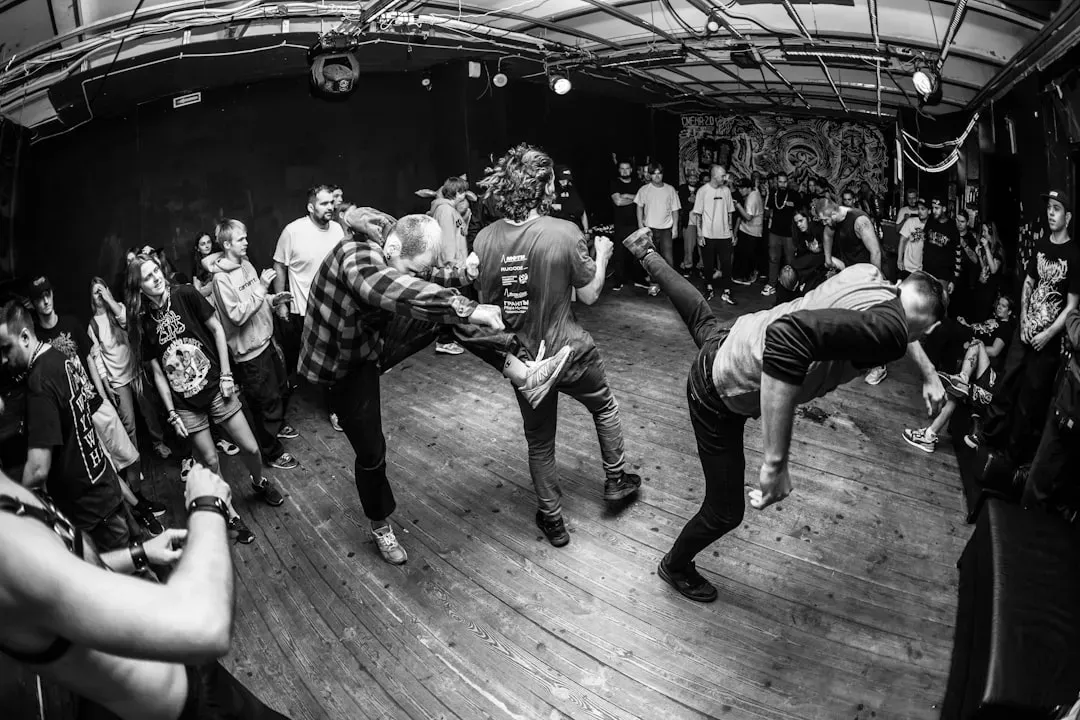
Fights and arguments sometimes happen at concerts, and security staff are trained to calm people down and stop conflicts before they turn into violence. What fans sometimes fail to understand is that security acts proactively. You do not need to throw a punch to be removed. Shoving, aggressive posturing toward another attendee, or verbal threats are all enough to get security’s attention and trigger ejection. High emotions, alcohol, and drug use can fuel aggression, fights, and other disruptive behavior, and security personnel need to be trained in de-escalation techniques to handle situations calmly and safely.
In one widely referenced poll of music festival attendees, nearly half said concert environments had caused them to behave in ways they would “never consider” otherwise, with reported actions including getting into a physical altercation. That environmental looseness is exactly what security teams anticipate and prepare for. Stadiums and venues can ban spectators who engage in serious violence or disruptive behavior from the premises for the rest of the event, the rest of the season, or for life.
9. Crowd Surfing in Unauthorized Zones or Ignoring Barrier Rules
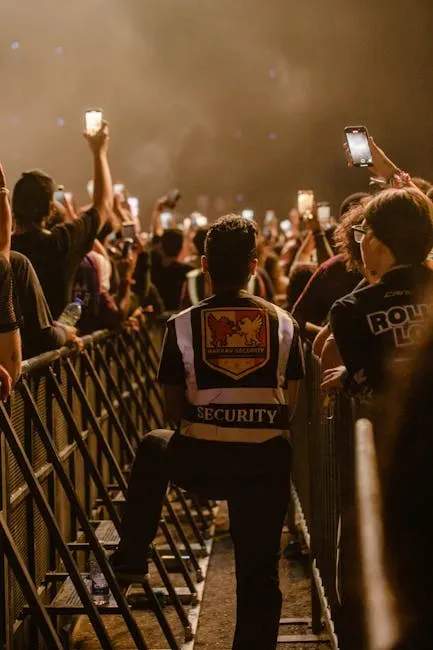
Concert barricades help manage crowds and prevent or control risky fan behaviors, like moshing, stage diving, or crowd surfing. Many venues now designate specific zones where high-energy activity is tolerated, and areas where it clearly is not. Attempting to crowd surf in a seated section or over a designated safety barrier is a fast way to catch the attention of multiple security staff at once. Crowd management involves understanding how to design and plan spaces to limit bottlenecks, congestion, and high density of attendees, and is essentially a combination of the psychological behaviors of people in congested spaces along with the physics of compressed bodies against one another.
Concerts create strong emotions, and fans may rush toward the stage, start mosh pits, or push through barriers. When this happens in areas where barriers are specifically designed to prevent crowd crush, security intervenes immediately. Large gatherings can lead to dangerous situations like crowd crushes and stampedes, especially in front of stages and in mosh pits, and security teams must effectively manage the flow of people using barricades, designated routes, and trained personnel to prevent bottlenecks. Repeated refusal to comply with barrier instructions is grounds for removal, no debate required.
10. Presenting a Fake, Transferred, or Invalid Ticket

Many modern concert venues increasingly use digital ticketing systems that verify purchases and prevent counterfeiting, and these systems also help security teams track attendance numbers in real-time, ensuring venues do not exceed safe capacity limits. Attempting to enter with a screenshot, a transferred ticket that has already been scanned, or a counterfeit barcode is caught far more reliably today than it was even a few years ago. Some venues conduct pre-screening of ticket holders against watchlists or databases of individuals previously banned from events.
In some jurisdictions, the consequences extend well beyond a simple ejection. A Florida law makes it a third-degree felony to enter or remain in ticketed events of more than 5,000 people without authorization, a law crafted in response to the 2024 Copa America final, where thousands of fans without tickets rushed past security and breached the venue. Even in states without equivalent legislation, event organizers reserve the right to deny any person entry into or to eject any person from the event who is in violation of event rules, which may be updated at any time.
Concert security has changed substantially over the past few years. Venues are better equipped, staff are better trained, and the tolerance for rule-breaking has narrowed considerably. Most ejections happen not because fans set out to cause trouble, but because they misjudged how seriously these rules are enforced. Knowing what the actual lines are before you walk through the gates is the simplest way to make sure you stay for the encore.