Most songs get one shot at the charts, and plenty of great ones miss. Sometimes the song is fine and the timing is wrong. Sometimes the voice, the arrangement, or the radio climate just isn’t right yet.
That’s why the cover version has such a strange place in pop history. A second artist picks up an overlooked or modestly received track and turns it into the version everyone knows. Here are ten cases where the remake outperformed the first recording on the charts.
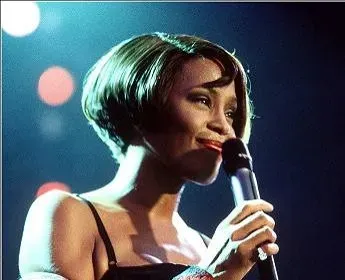
Whitney Houston, I Will Always Love You
Dolly Parton wrote and recorded this song in 1974, and it went to number one on the country chart. Her 1982 re-recording also topped the country chart, but it stalled in the lower half of the Billboard Hot 100.
Whitney Houston’s 1992 version, from The Bodyguard soundtrack, ran away with the pop charts. It spent fourteen weeks at number one on the Hot 100, a record at the time. Parton’s original owned country radio, while Houston’s cover became one of the biggest pop singles ever released.
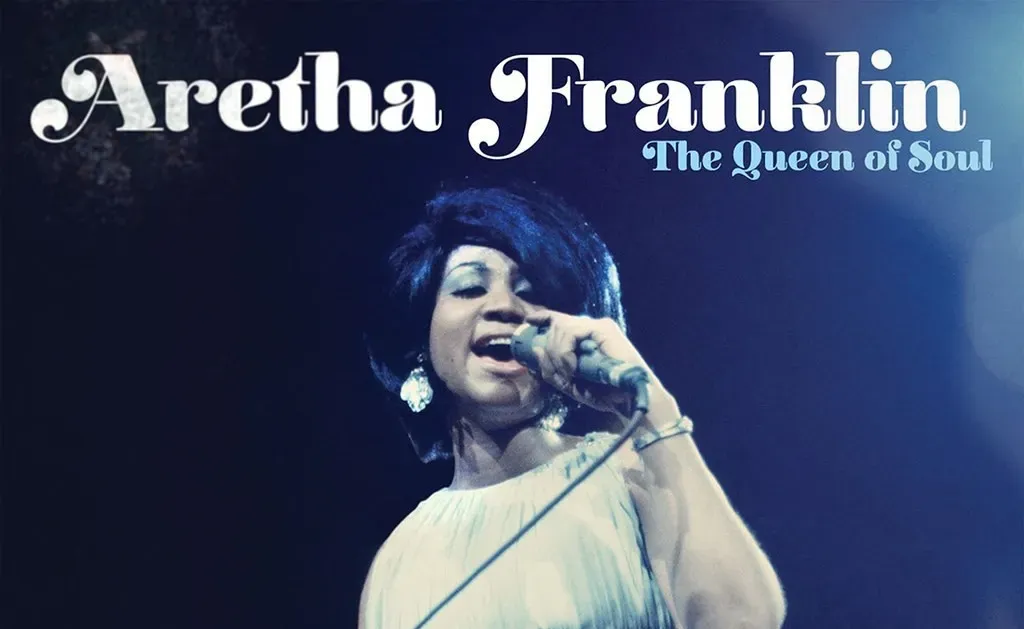
Aretha Franklin, Respect
Otis Redding wrote and recorded Respect in 1965, and it was a solid hit. It reached the top five on the R&B chart and landed around number thirty five on the Hot 100.
Aretha Franklin reworked it in 1967 with a new arrangement and a spelled out chorus. Her version hit number one on both the Hot 100 and the R&B chart. It’s now so closely tied to her that many listeners don’t realize Redding came first.
Soft Cell, Tainted Love

Gloria Jones recorded Tainted Love in the mid 1960s, and it remained a cult favorite on the Northern Soul scene. It never came close to mainstream success at the time.
Soft Cell recorded a synth pop version in 1981, and it reached number one in the United Kingdom. In the United States it peaked in the top ten of the Hot 100. It also stayed on that chart for more than forty weeks, a record for the time.
Joan Jett and the Blackhearts, I Love Rock ‘n’ Roll
The British band Arrows released this song in 1975, and it was little more than a modest curiosity. Joan Jett reportedly saw the band perform it on British television while touring.
Her 1981 recording became a hit in 1982 and spent seven weeks at number one on the Hot 100. The Arrows version had never been anywhere near that territory. Jett’s crunchier guitars and gang vocals made the difference.
UB40, Red Red Wine

Neil Diamond wrote and recorded Red Red Wine in 1967. His original peaked around number sixty two on the Hot 100, which was a respectable showing but not a smash.
UB40 turned it into a reggae groove on their 1983 album Labour of Love, and it reached number one in the United Kingdom. A 1988 re-release then topped the Hot 100 in the United States. For many listeners, it’s now a reggae song first.
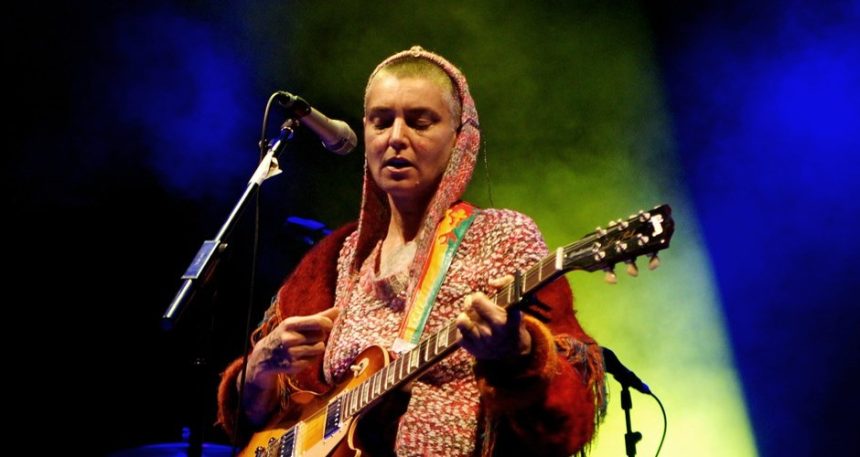
Sinéad O’Connor, Nothing Compares 2 U
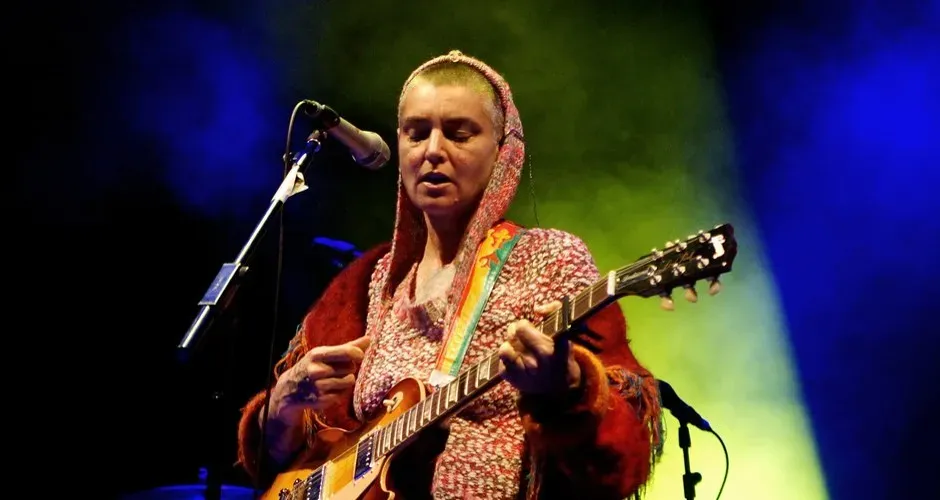
Prince wrote this song, and a group he was associated with, The Family, recorded it for their 1985 album. It wasn’t a hit single for them.
Sinéad O’Connor released her version in 1990, and it went to number one in the United States and the United Kingdom. Her stark performance and the music video helped define the song. Few covers have so completely taken over a song’s identity.
Michael Andrews and Gary Jules, Mad World

Tears for Fears first released Mad World in 1982, and it reached the top three in the United Kingdom. It was a legitimate hit and a defining new wave single.
The stripped down piano version by Michael Andrews and Gary Jules appeared in the film Donnie Darko. It was released as a single in 2003 and became the UK Christmas number one that year. The original peaked at number three, so the cover finished higher.
Santana, Black Magic Woman
Peter Green wrote Black Magic Woman for Fleetwood Mac, who released it in 1968. It charted in the United Kingdom but landed outside the top thirty.
Santana blended it with a Gábor Szabó instrumental and gave it a Latin rock treatment in 1970. That version reached the top five on the Hot 100 in the United States. It remains one of the band’s signature songs.
Blondie, The Tide Is High
The Paragons, a Jamaican rocksteady group, recorded this song in the 1960s. It was a favorite in Jamaica, though it never became a major hit internationally.
Blondie covered it on their 1980 album Autoamerican, adding horns and a pop sheen. The single reached number one in both the United States and the United Kingdom. It introduced a whole new audience to the song’s reggae roots.
The Beatles, Twist and Shout
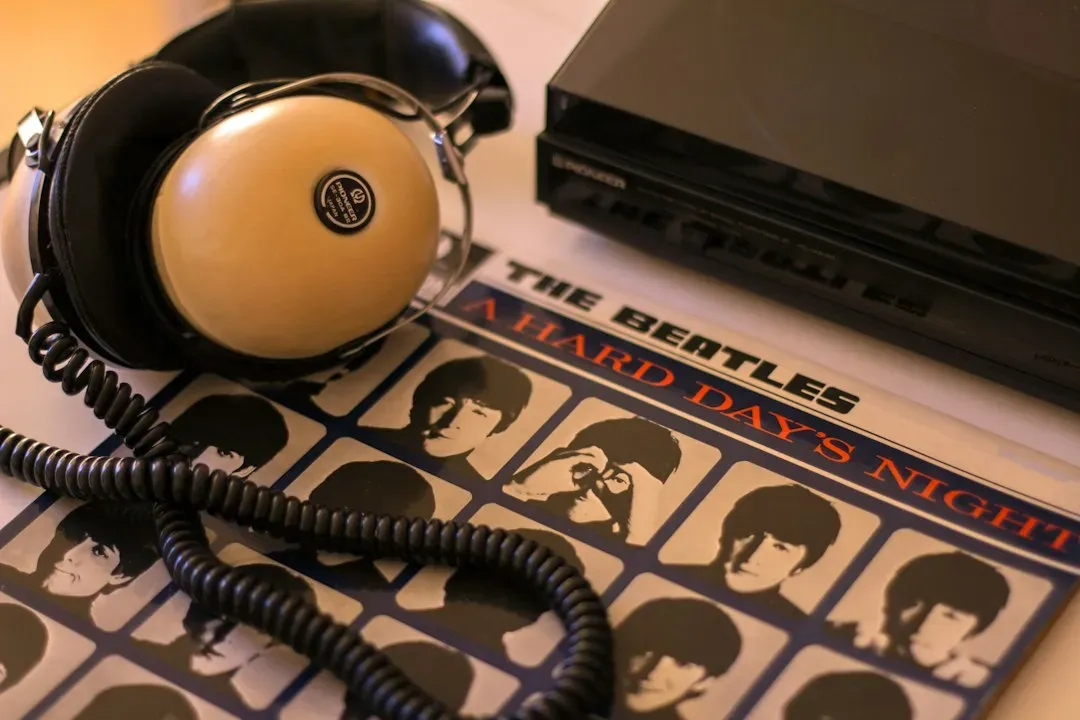
The Top Notes recorded this song first in 1961, and it didn’t make much of an impression. The Isley Brothers then remade it in 1962, and their version reached the top twenty of the Hot 100.
The Beatles recorded it for their 1963 debut album, and John Lennon’s raw vocal became the definitive take. In the United States, their single peaked at number two on the Hot 100 in April 1964. That beat the Isley Brothers’ showing and gave the song a second, much larger life.