


There’s something about watching a character eat on screen that makes an audience hungry in a way dialogue alone never could. A close up of steam rising off a plate, a satisfied sigh after the first bite, and suddenly millions of viewers are raiding their kitchens looking for the same thing. Over the decades, a handful of movie dishes have jumped straight off the screen and into home kitchens, food blogs, and even restaurant menus.
What follows are ten of the most persistent examples, foods that fans didn’t just admire from the couch but actually tried to make themselves, sometimes with surprising accuracy and sometimes with results that only worked because of nostalgia.
1. Ratatouille from Ratatouille

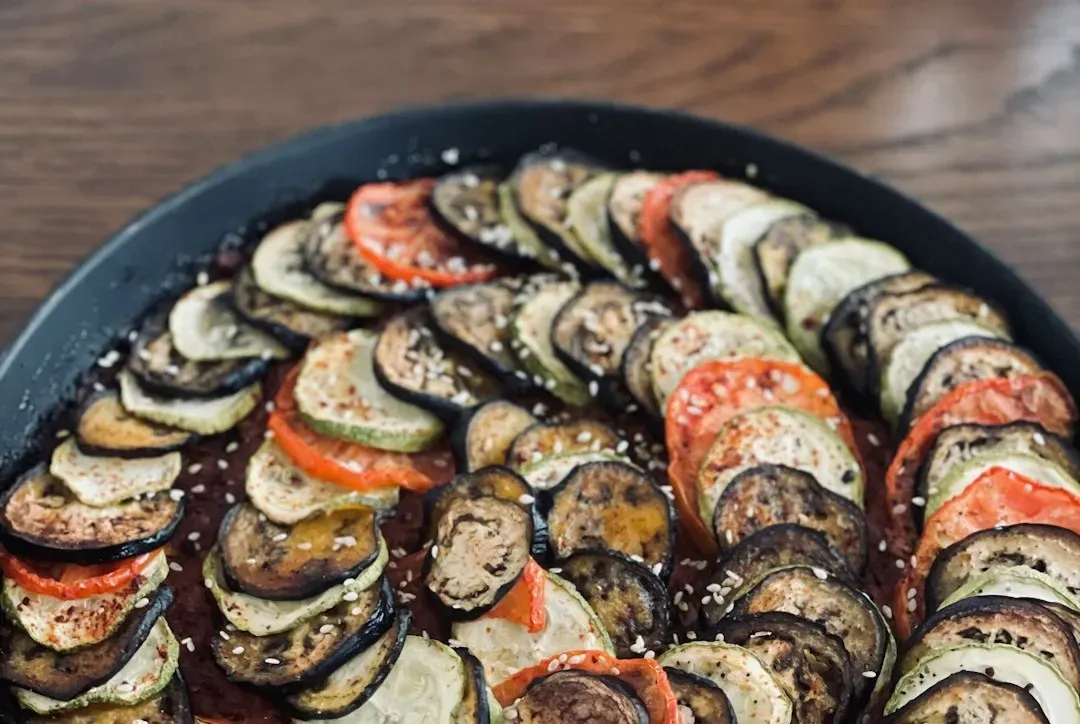
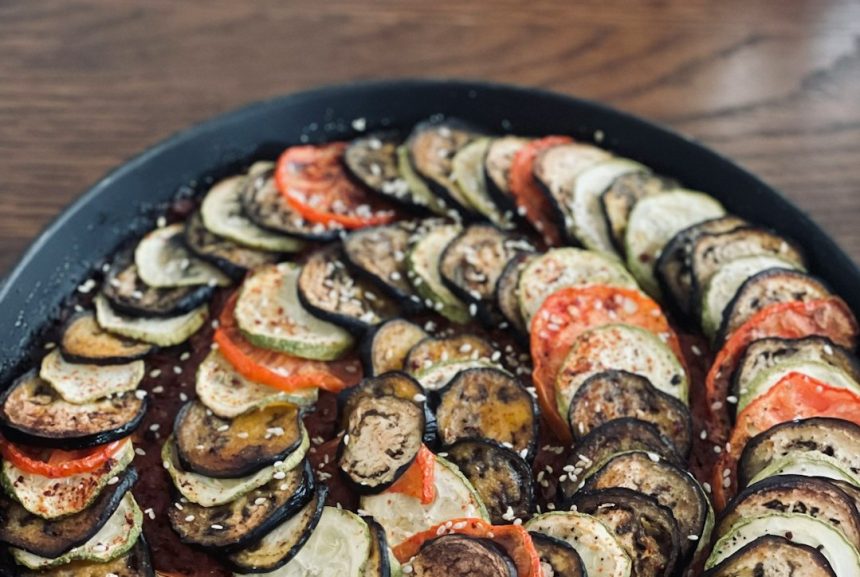
The layered vegetable dish Remy prepares for the food critic Ego is arguably the most recreated movie food of the last two decades. The dish that Remy creates in the film technically isn’t traditional ratatouille at all, but a dish called confit byaldi that was perfected by chef Thomas Keller. Fans didn’t seem to mind the technicality one bit.
Home cooks have spent years trying to replicate the spiral pattern of thinly sliced eggplant, zucchini, and squash shown in the film. The trick is layering the vegetables in a colorful spiral pattern, slicing them thinly and evenly so they cook at the same rate. Food blogs and YouTube channels still publish new versions of this recipe every summer, proof that a nearly two decade old animated film can still drive real kitchen behavior.
2. The Big Kahuna Burger from Pulp Fiction

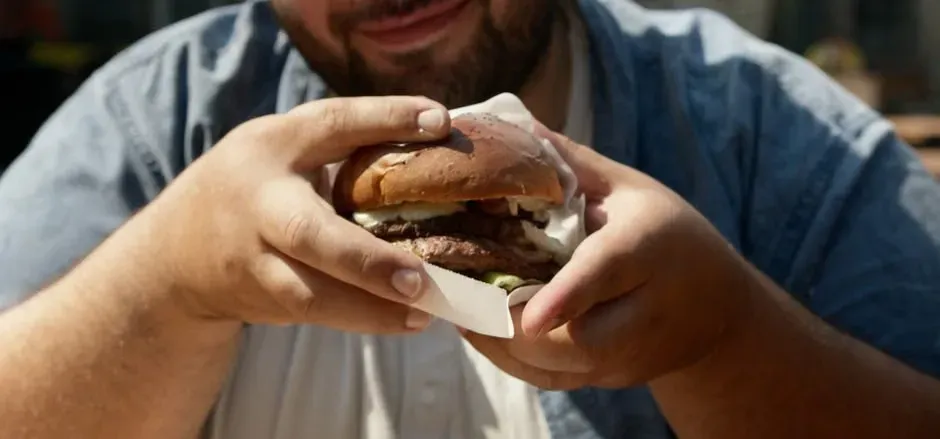
Samuel L. Jackson’s character spends barely a minute on screen eating a burger, yet that fictional fast food chain became one of cinema’s most quoted snacks. The Big Kahuna Burger is basically mythical at this point, and when Samuel L. Jackson calls it “a tasty burger,” you immediately want one.
Fans who’ve tried to recreate it usually end up making two versions, since the film never actually shows what’s inside the bun. One home cook who tackled the project ended up making two versions, the first being what he imagined the on-screen prop actually was, a simple cheeseburger with cheap sliced cheese and a squidge of tomato sauce. The appeal isn’t really the taste; it’s the chance to eat something Jules Winnfield once praised.
3. Blue Milk from Star Wars


Luke Skywalker casually sipping a bright blue beverage on Tatooine planted a question in fans’ minds that lasted for decades. Luke Skywalker casually sipped this azure beverage on Tatooine, launching decades of fan curiosity about what exactly that strange blue liquid was.
Home recreations typically rely on coconut milk or regular milk tinted with food coloring or blue spirulina, since there was never a canonical recipe to follow. It’s less about nailing an exact flavor and more about the novelty of drinking something that looks like it came from a moisture farm on a desert planet. Disney parks have leaned into this too, selling their own blue milk drinks that fans compare against their homemade attempts.
4. The Cuban Sandwich from Chef

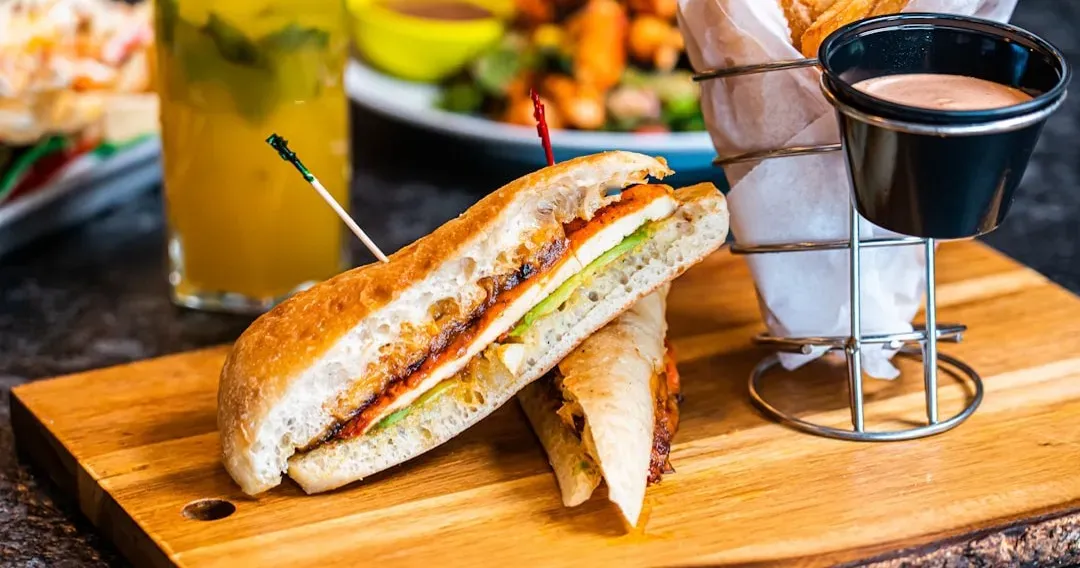
Jon Favreau’s 2014 film turned a regional sandwich into a mainstream obsession almost overnight. It’s hard to pinpoint the exact impact the movie had on sales of the sandwich, made with soft Cuban bread and packed with layers of meat and cheese, but it proved tempting enough to spark many recipes for people to recreate it at home, and even the film’s writer, director and star Jon Favreau shared his favorite recipe.
What made the sandwich so compelling on screen was the sound design as much as the visuals, the sizzle of the plancha press and the crunch of toasted bread. Fans without access to a food truck simply grabbed a panini press instead. The dish remains one of the more successful examples of a movie directly boosting real world interest in a specific food.
5. Spaghetti and Meatballs from Lady and the Tramp

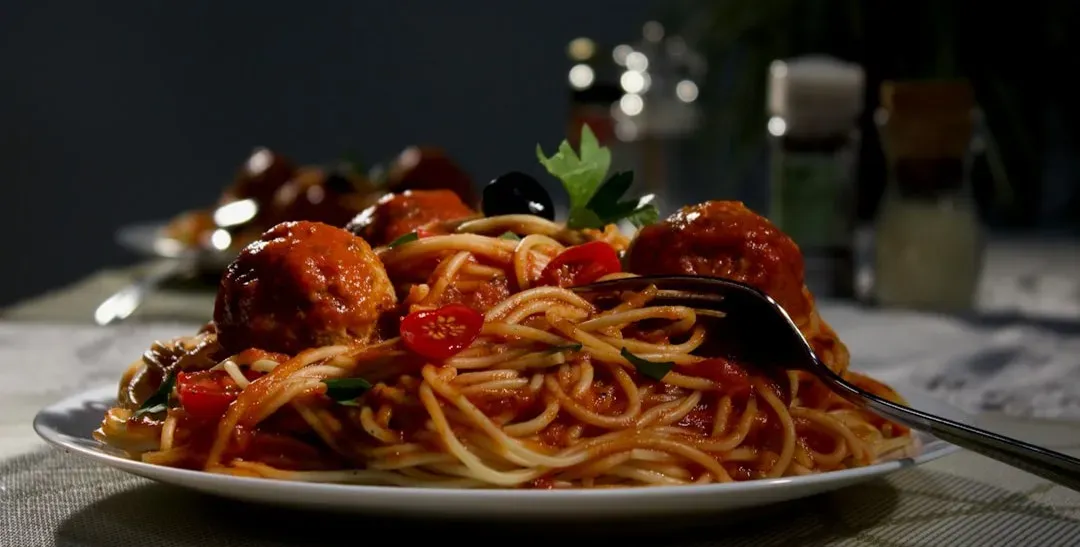
Two dogs sharing a single strand of spaghetti in an alleyway became one of the most tender food scenes in animation history. One of the most romantic food scenes in film history belongs to two pups sharing a plate of pasta under the stars, and Lady and the Tramp made spaghetti and meatballs an instant classic.
Recreating the scene itself has become something of a tradition among couples, who plate up spaghetti specifically to reenact that famous nose bump over a single noodle. Some fans have gone further, pairing the pasta with garlic bread boats or meatball subs as a playful nod to the film. It’s a rare case where the recreation is as much about the moment as the meal.
6. Green Eggs and Ham from Green Eggs and Ham

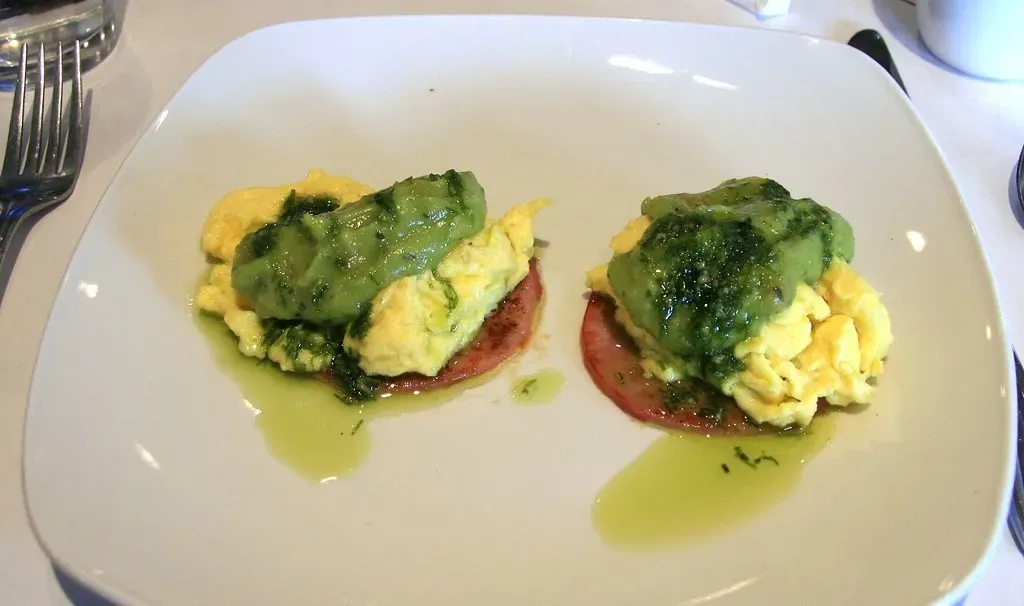
Dr. Seuss’s book and its later television adaptations left generations of kids wondering what green eggs might actually taste like. Fans eventually solved the color problem the easy way, blending scrambled eggs with pesto or food coloring to get that unmistakable green hue. One version brings the book to life using assorted breads, scrambled eggs blended with pesto for that signature green hue, sliced deli ham, and provolone cheese, toasted into creative shapes for a quirky breakfast.
The dish works because it’s genuinely simple to make at home, unlike some of the more elaborate movie recreations on this list. Parents in particular have leaned on it as a fun way to get reluctant kids to try eggs. It remains one of the few entries here that translated from page and screen into an actual everyday breakfast item in some households.
7. Chocolate Frogs from the Harry Potter Films

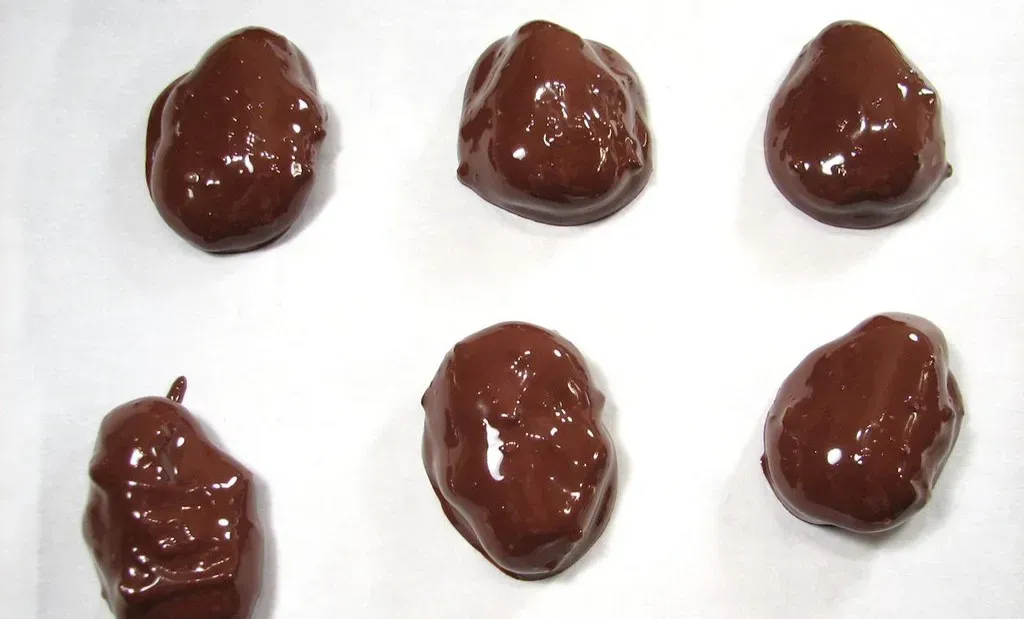
The wizarding world’s answer to a candy bar came with the added bonus of collectible cards and a bit of theatrical hopping in the movies. The magical chocolate frogs in Harry Potter are as fun to look at as they are to eat, coming with collectible wizard cards and even seeming to hop away in the films, and fans have recreated them with molds and special packaging.
Silicone frog molds sold specifically for this purpose have become common at candy supply shops and online retailers catering to fans. The homemade versions rarely hop, obviously, but the presentation still carries the charm that made the prop memorable in the first place. Universal’s theme parks eventually sold their own commercial version, which fans now use as a benchmark against their kitchen attempts.
8. The Five Dollar Shake from Pulp Fiction

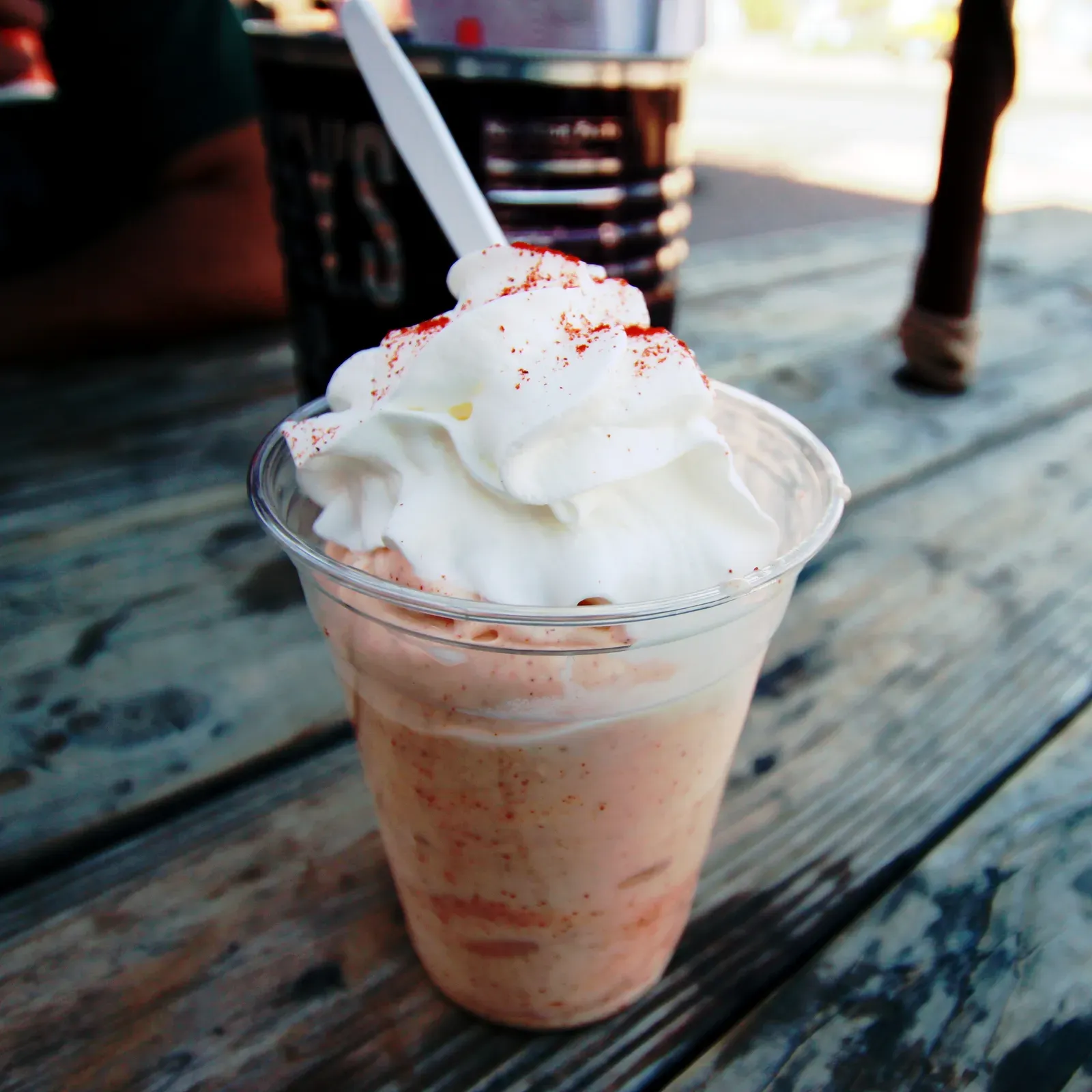
Quentin Tarantino built an entire scene around a milkshake so good that Vincent Vega questions whether it’s really worth the price. Fans have spent years since debating what could possibly justify that cost, and plenty have tried building their own version at home using vanilla ice cream, milk, and sometimes a splash of bourbon for good measure. Ever wondered what the Five Dollar Shake in Pulp Fiction might taste like has become a genuine question among fans of the film.
The joke, of course, is that the movie never actually reveals a special ingredient, leaving fans to invent their own justification for the price tag. Some versions lean into malt shop nostalgia, others try to make it feel more decadent with premium ice cream. Either way, it’s one of the more purely curiosity driven recreations on this list.
9. Butterbeer from the Harry Potter Films

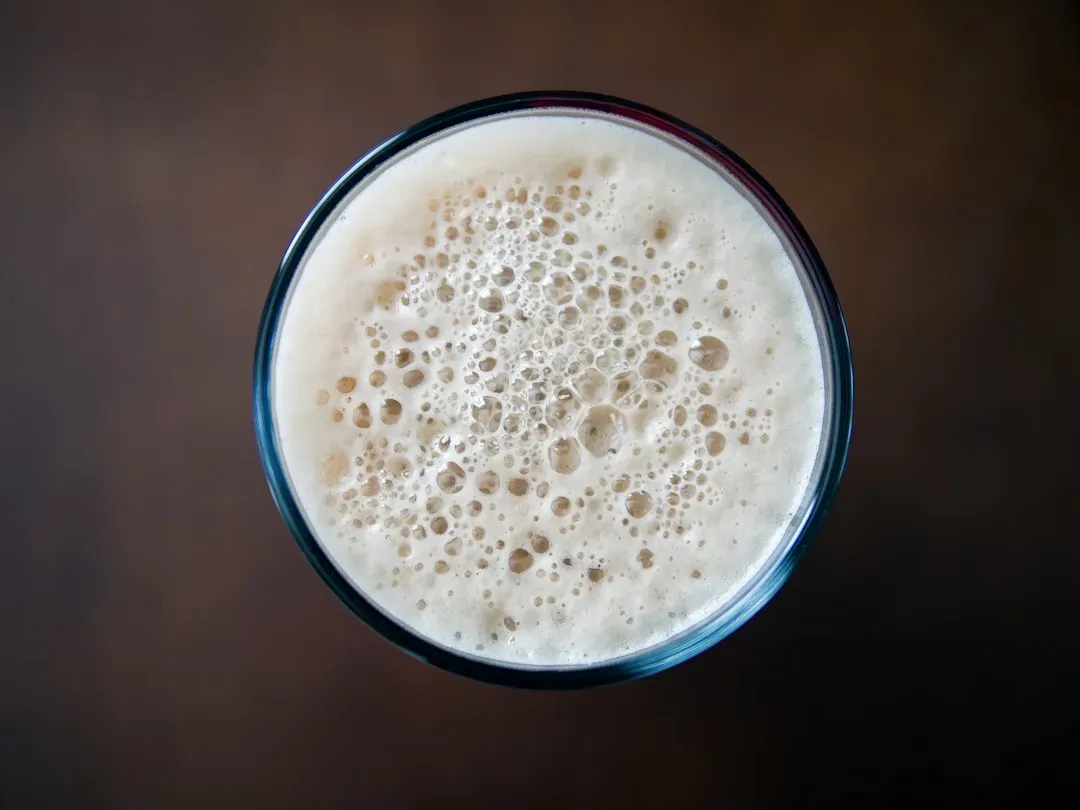
Few fictional drinks have inspired as many home recreation attempts as the warm, foamy butterbeer served at the Three Broomsticks. Wizarding students flocked to The Three Broomsticks in Hogsmeade for this magical brew, cementing its place as one of the series’ most memorable food details.
Since the books and films never specify exact ingredients, fans have improvised using butterscotch syrup, cream soda, and whipped cream to approximate the taste and texture. Universal Studios eventually sold an official version at its theme parks, giving fans something concrete to compare their homemade attempts against. It remains one of the most searched for movie drink recipes online, particularly around the holidays.
10. Fried Green Tomatoes from Fried Green Tomatoes

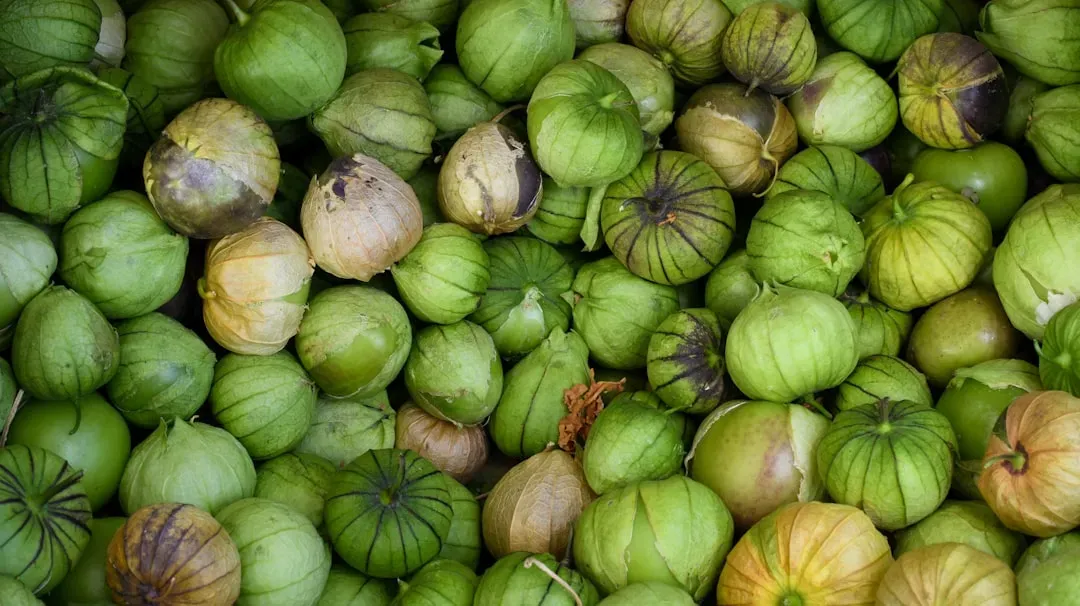
The 1991 film introduced many viewers outside the American South to a dish they’d never encountered before. Fried Green Tomatoes at the Whistle Stop Café weaves its characters’ stories through a side dish of unripe tomatoes coated with cornmeal and fried, and for viewers outside the US, the movie was perhaps the first time they’d heard of it.
The recreation process is straightforward compared to some other entries here, involving little more than slicing unripe tomatoes, dredging them in cornmeal, and frying until golden. What made the dish stick with audiences wasn’t complexity but familiarity, a humble Southern staple suddenly given a starring role. Restaurants in the years following the film’s release reported growing interest in the dish, and it remains a fixture on Southern menus today partly because of that exposure.
What ties all ten of these dishes together isn’t necessarily flavor, since a few of them are admittedly simple or even a little underwhelming once the movie magic wears off. It’s the way a single scene, sometimes lasting only a few seconds, can lodge itself in a viewer’s memory long enough to send them into their own kitchen years later. Context does a lot of the work in these moments, and recreating the food is often really an attempt to recreate a small piece of the feeling that came with watching it.


